Ask five Naperville neighbors whether they prefer pita or naan, and you will hear stories before you hear verdicts. That is because both breads are woven into meals that travel through family traditions and neighborhood gatherings, from backyard cookouts near the Riverwalk to long dinner tables in White Eagle. Understanding the key differences helps you choose the right bread for the right moment—pita for its tidy pocket and gentle chew, naan for its plush, tearable crumb and buttery aroma. As you read, picture your own table, and imagine the fillings and dips that would look right at home next to each. For more pairing ideas when your appetite leads the way, keep an eye on a dynamic Mediterranean menu that can spark craveable combinations in a heartbeat.
Though both are flatbreads, pita and naan come from different culinary lineages and are built with different intentions. Pita relies on steam to create an internal pocket that begs to be filled. Naan, often enriched with dairy and sometimes cooked in a tandoor, is thicker and more indulgent, made for tearing, swiping, and soaking up sauces. In Naperville kitchens, both find loyal fans because they suit a city that eats together across cultures and loves a bread basket that keeps conversation lively.
Ingredients: lean vs enriched
The simplest pita formula is lean: flour, water, yeast, and salt. Some recipes add a touch of oil or a pinch of sugar, but the essence stays light and direct. Naan usually leans richer. Yogurt, milk, butter or ghee, and sometimes eggs soften the crumb and add a luxurious flavor. That difference shows up on the plate. Pita feels nimble and adaptable—excellent for sandwiches and light meals—while naan arrives with presence, often the star co-lead with a curry or stew.
If your dinner plans call for fresh herbs, crisp salads, and grilled meats or legumes, pita’s gentle character lets the fillings shine. If you expect slow-simmered sauces that call for a plush companion, naan’s richness stands ready. Many Naperville households keep both styles in rotation, letting the menu dictate the choice.
Structure and texture
Pita is about the pocket. Rolled evenly and baked with strong heat, it puffs as steam expands inside, splitting layers into a tidy cavity. That inner space makes it perfect for handheld meals at the park or a work lunch downtown. The crumb is tender with a modest chew and the exterior offers light blistering when cooked on a stone, steel, or cast iron.
Naan rarely pockets. It is stretched by hand rather than rolled thin, and its higher fat and dairy content keep it soft and plush. Cooked against the walls of a tandoor or on a hot griddle, it blisters and chars in patches, developing a buttery fragrance that makes it as enticing alone as it is beside a dish. The texture invites ripping and sharing, the type of bread that slows a meal in the best way.
Cooking method and heat
Pita thrives on quick, intense heat that converts interior moisture to steam. A home oven with a preheated stone or an inverted baking sheet can produce reliable pockets, and a heavy skillet on the stovetop works beautifully too. Timing is tight: within a couple of minutes, the bread inflates and sets.
Naan wants deep, penetrating heat and, ideally, contact with a very hot surface. Traditional tandoors bring both. At home, a cast-iron skillet with a lid or a broiler-assisted bake can mimic the effect. Because of its enriched dough, naan can brown faster and hold onto moisture longer, delivering a plush bite even after a rest in a towel-lined basket.
Flavor and pairing
Pita’s flavor is gentle, slightly wheaty, and lean. It frames rather than competes, which is why it is the go-to for sandwiches, grilled meats, and salads. Naan’s taste moves in a richer direction. The dairy’s tang and fat’s roundness add layers that feel indulgent even before butter or garlic brush the surface. If your table leans bright and crisp—lemony dressings, tangy pickles, loads of herbs—pita plays harmoniously. If your pots simmer with spiced gravies and slow-cooked sauces, naan meets them halfway with generosity.
For weeknights in Naperville, this decision often comes down to mood. Lighter fare? Pita. Cozy, sauce-soaked dinner? Naan. Either way, you can anchor the spread with vegetables and protein, letting the bread guide texture and the pace of the meal.
Practical shopping and storage around town
Local markets along Ogden Avenue and near 75th Street stock both breads, though availability can ebb with the day and hour. Freshness is your best friend. For pita, look for flexible rounds with telltale bubbles and light speckles. For naan, aim for pads that feel soft and slightly puffy, with visible blistering and the faintest sheen from butter or ghee if brushed. Store either at room temperature for a day or two and freeze for longer stints, stacked with parchment between pieces to prevent sticking.
Reheating is simple. Wrap in a towel and warm in a low oven or pass directly over a low stovetop flame, flipping often. The flame method revives aroma and pliability, restoring that just-baked personality that makes both breads so easy to love.
Nutrition and satiety
Because naan includes dairy and sometimes more fat, it tends to be richer. That richness is not a drawback; it just points you toward balance. If naan is on the menu, emphasize vegetables and lean proteins. If pita is the star, you may want a heartier filling to feel equally satisfied. Whole wheat options for pita add fiber that extends fullness—handy for days filled with errands along Route 59 or long walks at Springbrook Prairie.
Consider sauces, too. A yogurt-based sauce plays beautifully with both; tahini loves pita’s clean profile; ghee-kissed naan shines with spiced gravies. You can keep calories in a comfortable range by letting herbs, citrus, and crunch carry much of the excitement.
Homemade approaches for Naperville kitchens
If you like baking, try both at home. Pita’s method—roll, blast with heat, watch the dome rise—offers instant gratification. Naan, with a slightly longer mixing and resting time, rewards patience with a deeply tender bite. For pita, a baking steel or cast iron on the stovetop is your ally. For naan, a lid on your skillet creates a mini-oven that traps steam and mimics tandoor conditions.
On busy weeknights, pita often wins for speed and versatility. On weekends, naan encourages lingering. Either way, home-baked bread delivers a kitchen perfume that brings people to the table without a word.
Use cases: sandwiches, dips, and stews
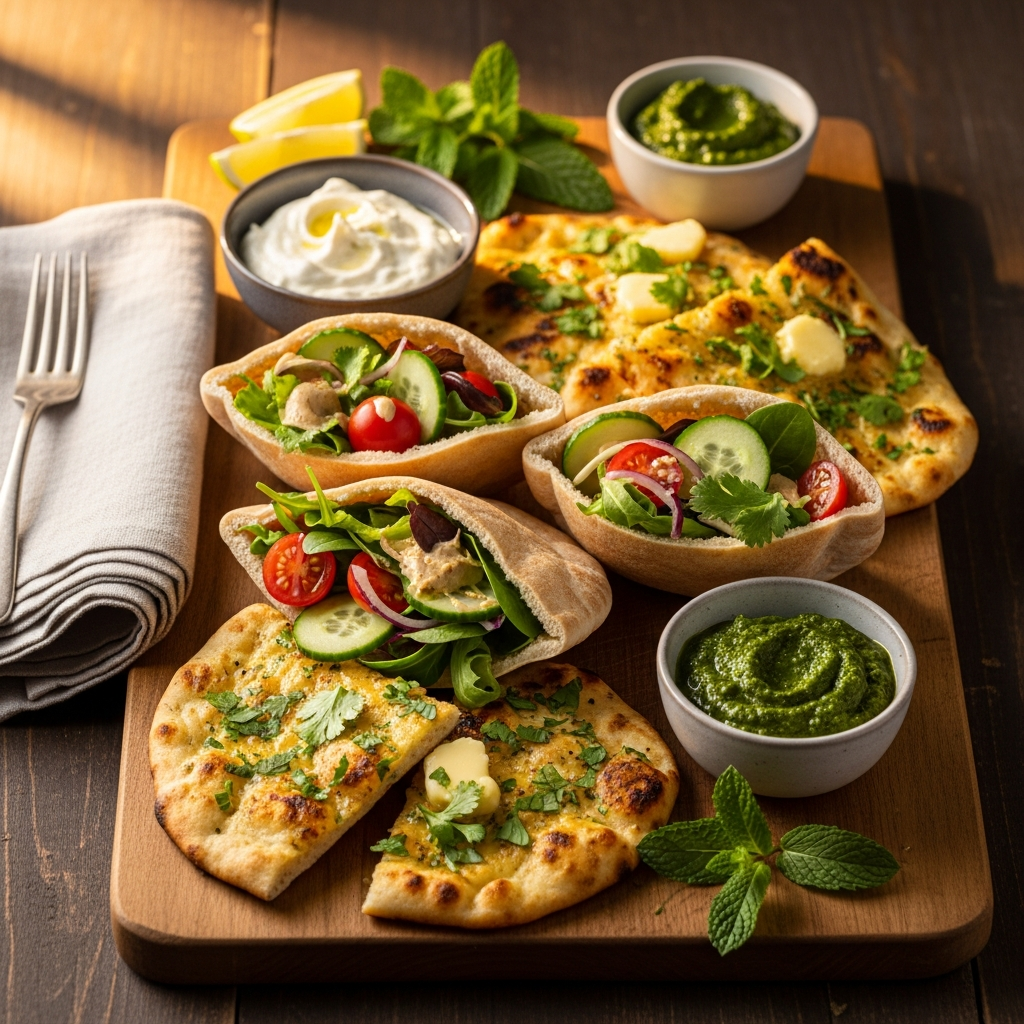
Pita excels at handheld meals. Stuff it with crisp vegetables, grilled chicken or falafel, and a creamy sauce. The pocket keeps everything tidy for lunch at a desk or a park bench downtown. Tearable naan loves company in bowls—dal, paneer, and slow-cooked meats. It is less about containment and more about communion: everyone reaches, tears, and dips, and the bowl returns to the table a little lighter each time.
When you host, consider offering both. Start with pita and bright salads to set a breezy tone. Transition to naan with a warm, spiced stew for a cozy landing. The shift changes the tempo of the evening in a way your guests will feel without quite noticing why.
Frequently asked questions
Which is healthier: pita or naan?
It depends on goals and context. Pita is generally leaner and pairs well with vegetable-forward plates and lean proteins. Naan is richer because it often includes dairy and more fat. Enjoy either by balancing the rest of the meal—more greens and legumes alongside naan, heartier fillings inside pita.
Why does pita have a pocket but naan usually does not?
Pita is rolled uniformly thin and blasted with heat that rapidly converts interior moisture to steam, separating layers into a pocket. Naan is typically thicker and enriched with dairy and fat, which keeps it plush rather than splitting into layers.
Can I make both breads at home without special equipment?
Yes. For pita, a preheated stone, steel, or inverted sheet pan—or a hot cast-iron skillet—delivers a reliable puff. For naan, use a heavy skillet with a lid to trap steam or rely on the broiler for intense top heat. Good results come from sufficient heat and patient resting.
Which bread is better for sandwiches?
Pita shines for sandwiches because of its pocket and flexible crumb. Naan can make an indulgent wrap if rolled thinner, but it is at its best for tearing and dipping with saucy dishes.
How should I store leftovers?
Keep either bread at room temperature for up to two days, wrapped or bagged loosely. For longer storage, freeze with parchment between pieces. Rewarm in a towel or pass briefly over a low flame to revive softness and aroma.
What flavors pair best with each?
Pita loves bright, crunchy, and herbaceous combinations—lemon, cucumber, tomato, pickles, tahini. Naan complements rich, spiced gravies, buttery sauces, and yogurt-based condiments. Both enjoy a side of greens and plenty of fresh herbs.
Set the table with confidence
Whether your evening calls for the tidy utility of pita or the plush comfort of naan, choose the bread that matches your menu and mood. For Mediterranean pairings that play to pita’s strengths, browse a local favorite’s Mediterranean menu, then bring those ideas home to your Naperville table. From quick weeknights to leisurely weekends, the right bread makes the meal, and your guests will remember the warmth long after the plates are cleared.