
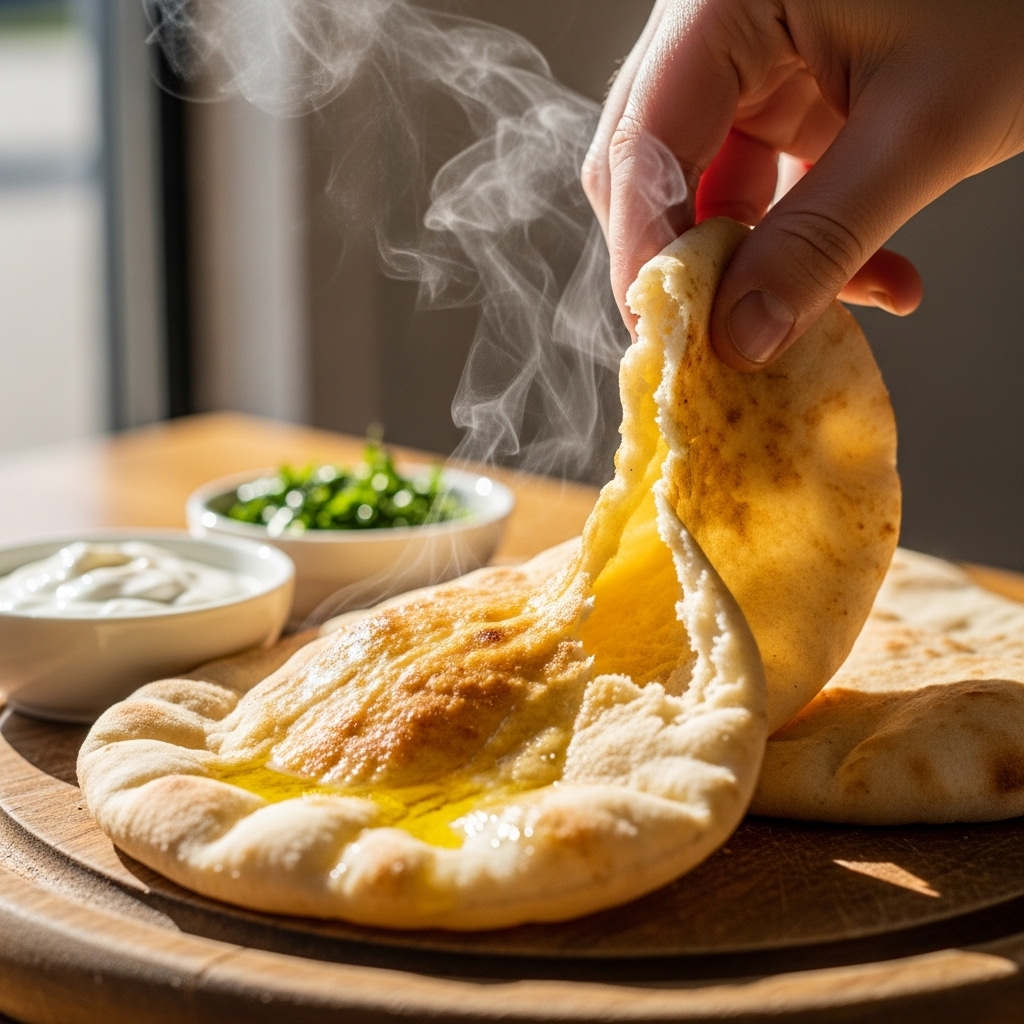
In Naperville, food memories often come wrapped in simple pleasures: a morning coffee near the Riverwalk, a summer evening at Centennial Beach, and a warm piece of pita torn open to release a puff of fragrant steam. Freshness is what turns that last moment from a mere bite into a full‑sensory experience. For many of us, fresh pita is the quiet centerpiece of a great Mediterranean meal, a detail that makes a weekday lunch feel special and elevates a family dinner into something people remember. It is no accident that local Mediterranean kitchens take their bread seriously, and a quick look at a restaurant’s menu often reveals just how central fresh pita is to the entire dining experience.
Why is freshness so important? It begins with texture. When pita is baked properly and served within hours, it has a tender crumb that flexes rather than cracks, and a delicate exterior that warms to a soft, lightly chewy finish. Tear into it and you see tiny, glossy bubbles that speak to perfect hydration and heat. That structure is fundamental to how pita functions—holding juicy fillings without collapsing while remaining comfortable to bite. Fresh pita cradles a garlicky yogurt or a bright lemon‑tahini, carries slices of cucumber and tomato without sogging, and keeps grilled meats or falafel in place for clean, satisfying bites.
The flavor arc of fresh pita
Freshness affects flavor in ways that are easy to taste but hard to replicate with day‑old bread. A recently baked pita has a mellow wheat aroma that pairs beautifully with herbs and spices, from cumin and coriander to parsley and mint. It has a gentle sweetness that plays well with acid, like a squeeze of lemon over shawarma, and it allows smoky notes from the grill to come through without tasting burnt. The best Naperville kitchens time their bakes so the bread meets your plate at peak aroma, and they warm each round to order to reinvigorate the starches and release that telltale steam.
As pita ages, starch retrogradation stiffens the crumb, and the outer layer becomes brittle. That shift forces diners to rely on extra sauces to regain moisture, which can muddy flavors and throw off balance. In contrast, fresh pita supports restraint. You can use just enough sauce for shine, confident that the bread will keep fillings juicy. This balance is what makes a Mediterranean meal feel clean and lively rather than heavy.
What Naperville diners notice first
Local diners recognize fresh pita at the first touch. It bends and rebounds in your hand. When you open the pocket, edges don’t crumble, and the interior reveals a fine, slightly shiny lattice—a sign that the gluten network is well developed. Put simply, fresh pita behaves like a partner in every bite rather than a problem to manage. Whether you’re perched at a café table along Jefferson Avenue or settling in at home after a Metra ride, that tactile quality shapes your experience as much as flavor does.
Naperville families also appreciate the reliability that comes with fresh bread. Kids who may be cautious about greens or sauces often accept them more readily inside a soft, warm pita. For parents, that means less mealtime negotiation and more shared enjoyment. For busy professionals, it means lunch that stays neat at the desk and tastes as good in the last bite as in the first.
Behind the scenes: baking and holding
What does it take to deliver fresh pita day in and day out? It starts with dough made at the right hydration for a rapid, even puff in the oven. Skilled bakers proof just long enough to develop flavor and elasticity without compromising the pocket. A very hot baking surface sets the exterior quickly and traps steam to create the signature balloon. After baking, the window to serve is generous but not infinite. Many restaurants hold pitas wrapped in towels or in warmers that preserve suppleness without over‑steaming. Reheating is brief—just long enough to reawaken the crumb—so each round arrives pliant and aromatic.
On the service side, speed matters. A fresh pita can lose its magic if it sits while other components lag behind. Naperville kitchens that excel with pita tend to synchronize assembly lines so meat comes off the grill as the bread is warmed, and vegetables are cut shortly before service to keep their edges crisp. That choreography yields a sandwich or platter that feels alive with texture.
Freshness and nutrition
Fresh pita is not only a textural triumph; it also supports balanced eating. When bread is soft and moist on its own, diners can choose leaner proteins and lighter sauces without sacrificing satisfaction. Whole‑wheat versions add fiber and a bit more nuttiness, which pairs nicely with earthy spices and roasted vegetables. For those aiming for sensible portions, fresh pita is a quiet coach—it invites filling with intention rather than encouraging a bigger, heavier sandwich just to compensate for dryness.
For plant‑forward eaters in Naperville, fresh pita is a linchpin. It turns a spread of vegetables and legumes into a cohesive meal, bringing crunch and creaminess together in every handheld bite. A warm round paired with hummus, pickles, and herby salad offers a deeply satisfying experience that remains light enough for an afternoon stroll along the Riverwalk.
How freshness shows up on the plate
When you bite into a fresh pita, the layers of your meal stay distinct. Crisp cucumbers stay crisp, juicy tomatoes taste bright, and grilled meats remain the star rather than becoming spongey. You feel a gentle resistance as teeth meet the pocket, then an easy give that signals proper hydration. This sensory balance is what makes diners across Naperville rave about a meal without being able to pinpoint exactly why. The bread simply feels right, and everything else falls into place.
Freshness also supports variety. Because the bread isn’t fighting you, you can explore bolder sauces and textures with confidence. Try a zippy garlic sauce one day and a lemony tahini the next; both will read clearly against a warm, neutral backdrop. That consistency keeps Mediterranean meals in your weekly rotation without boredom or fatigue.
Bringing the bakery experience home
Home cooks in Naperville can mimic restaurant‑quality freshness with a few habits. Freeze extra pitas the same day you buy them, then reheat straight from frozen on a dry skillet or in a hot oven for a minute or two. If a pita feels slightly stale, brush a few drops of water on the surface before warming, or wrap it in a towel to trap gentle steam. Build sandwiches just before eating, placing greens or shredded cabbage at the bottom of the pocket to create a moisture barrier. These techniques protect texture and let your fillings shine.
When planning meals, consider the order of assembly. Spread hummus or a yogurt sauce inside first, then add crisp vegetables, and finally tuck in warm proteins. The warm‑against‑cool interplay keeps bites lively, and the sauces protect the bread without making it soggy. With practice, you’ll find that fresh pita helps even simple grocery‑store ingredients taste restaurant‑worthy.
Reading a menu with freshness in mind
In restaurants, certain clues signal a kitchen that values pita freshness. Look for notes about house baking or made‑to‑order warming, and pay attention to how quickly your meal arrives after ordering. If you see seasonal vegetables and vibrant herbs featured prominently, that often correlates with bread programs that are equally attentive. When you’re curious about options, browsing a detailed menu can help you spot pita‑centric dishes that highlight texture—think handhelds with crisp slaws, pickled accents, and sauces that complement rather than drown.
Once the plate arrives, do a quick press with your fingertips. A fresh pita should spring back. Tear a corner and notice the aroma; it should be sweet, gently wheaty, and inviting. These small rituals might seem fussy, but they heighten your enjoyment and help you recognize the difference that freshness makes.
Frequently Asked Questions
Q: How can I tell if a pita is truly fresh?
A: Fresh pita is supple, bends without cracking, and springs back lightly when pressed. Tear it open and look for steam and a fine, slightly glossy interior. Aroma is another clue: fresh bread smells subtly sweet and wheaty rather than flat or stale.
Q: Is whole‑wheat pita always the better choice?
A: Whole‑wheat pita offers more fiber and a nuttier flavor, which many diners appreciate. The best choice is the one that supports your meal and preferences. In Naperville, you’ll find both white and whole‑wheat options done well; either can be part of a balanced plate when combined with vegetables and lean proteins.
Q: What’s the best way to reheat pita at home?
A: A hot, dry skillet is ideal. Warm each side for 20–40 seconds until soft and steamy. If the pita is slightly stale, lightly mist it with water or wrap it in a towel before heating. Avoid prolonged baking, which can dry the bread.
Q: Why does fresh pita make sauces taste better?
A: Because the bread is moist and tender on its own, sauces can stay bright and restrained. You don’t need to drown a sandwich to compensate for dryness, so flavors remain distinct and balanced. Fresh pita showcases herbs, acid, and spice rather than muting them.
Q: How should I store pita if I won’t eat it right away?
A: Keep a day’s worth at room temperature in a sealed bag, and freeze the rest. Reheat directly from frozen for the best texture. This approach minimizes staling and preserves that just‑baked feel.
Q: Does fresh pita work for people with picky palates?
A: Often yes. Its soft texture and mild flavor make it an easy bridge to vegetables and lighter sauces. Many Naperville families find that warm, fresh pita helps kids and hesitant eaters enjoy a more colorful plate.
Ready for a better pita experience?
If you want your next Mediterranean meal to taste as lively as a summer evening on the Riverwalk, put fresh pita at the center of the plate. Choose kitchens that warm bread to order, use crisp produce, and balance sauces with care. To plan your next outing or pickup, browse a trusted menu, pick a combination that excites you, and enjoy the simple magic of fresh, steamy pita—right here in Naperville.