
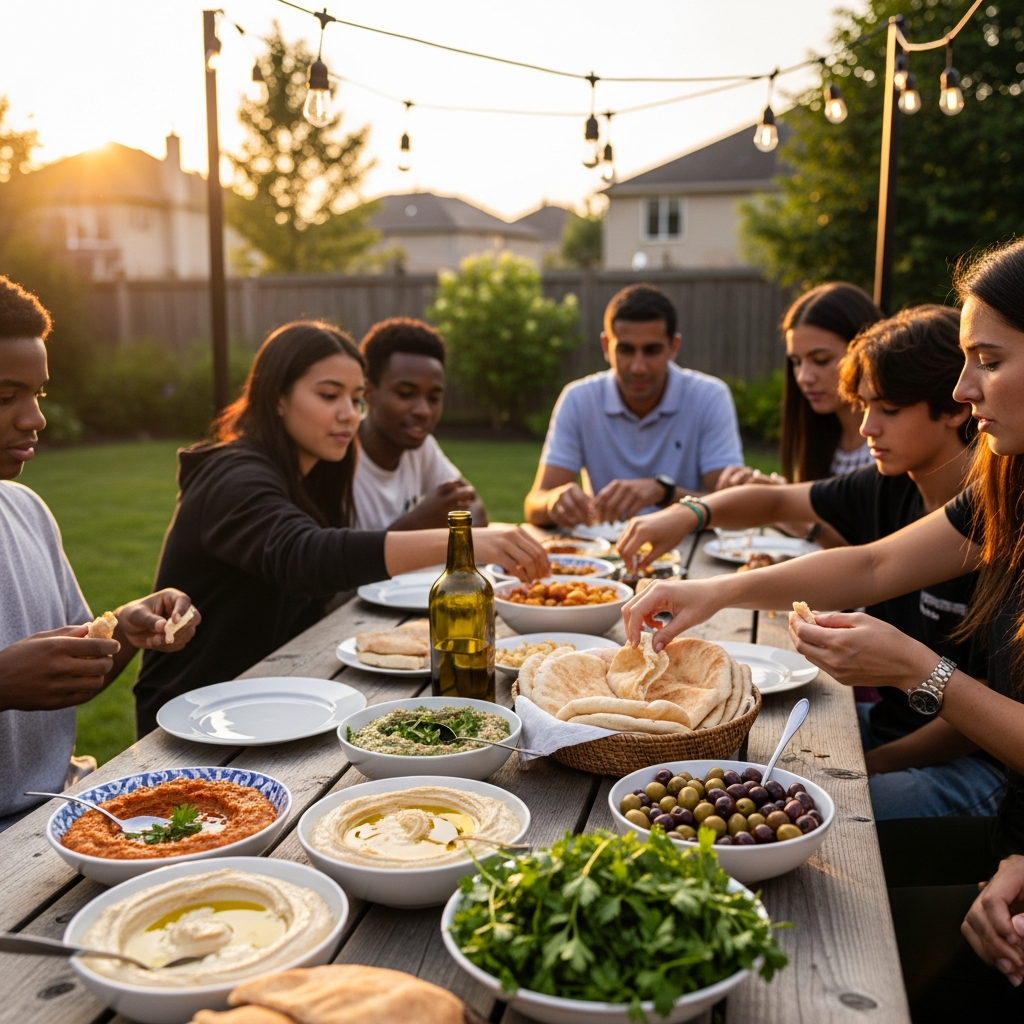
Ask anyone who grew up with Mediterranean food and they’ll tell you: pita bread isn’t just a side—it’s the quiet center of the table, the vessel that gathers everyone around a shared plate. In Naperville, where a warm evening walk along the Riverwalk can segue into a bustling dinner downtown, pita has become as familiar as our favorite neighborhood cafes. It’s woven into family traditions and quick weekday meals alike, carrying flavors that speak to both heritage and the spirit of an open, welcoming city. If you want to understand Mediterranean cuisine as it’s lived here, start with the pita in your hand, and consider how its gentle chew and airy pocket invite conversation, variety, and abundance. And if you’re browsing local dishes for ideas to recreate at home, take a peek at a thoughtful Mediterranean menu to see how pita anchors everything from mezze to shawarma.
In my years exploring Naperville’s kitchens—homey and professional alike—I’ve come to view pita as a culinary handshake. It greets you at the table without pretense, then helps you discover textures and temperatures that define the region: cool yogurt beside warm, spiced meats; crisp greens next to velvety hummus; lemony pickles lighting up roasted vegetables. The pita is both utensil and canvas. Tear a piece to scoop up baba ghanoush, or split it open to cradle tomatoes, cucumbers, and herbs. That versatility is why it matters so much in our local Mediterranean scene. It does not compete; it completes.
The art of sharing, Naperville-style
Mediterranean meals thrive on sharing, and pita makes that natural. Sit down with friends in a Naperville dining room—one warmed by lively conversation and the aroma of spices—and notice how quickly a basket of pitas becomes the focal point. Hands reach in, tear off pieces, and pass dips around the table. The bread becomes a bridge that carries stories as easily as it carries food. This is hospitality in action, the same generosity you see at block parties or school gatherings across town. Pita fits this ethos by offering a little something to everyone in each bite.
In home kitchens, pita keeps pace with the realities of busy schedules. You can warm it in a skillet and call dinner with almost no fuss. Tuck in grilled chicken, slices of tomato, and a spoonful of garlicky yogurt; in minutes, you have a meal that feels both quick and complete. Because the bread is neutral and agreeable, it encourages balance without a lecture. Vegetables, proteins, and herbs naturally share space, and no single ingredient dominates. It’s a delicious education in moderation and variety—qualities at the heart of Mediterranean cooking.
From oven to table: the sensory thread
If you’ve ever watched a pita puff in a hot oven, you’ve seen the small miracle that gives it life. Trapped steam creates the pocket, a structure that turns bread into a tool for eating together. In Naperville’s restaurants, that moment can arrive at the table as a warm round with just enough char to hint at flame. The texture—tender on the inside, lightly blistered on the outside—sets the stage for the rest of the meal. Tear it open and fragrant steam escapes, carrying whispers of wheat and heat that prime your palate for lemon, garlic, and herbs.
This sensory thread matters. Mediterranean cuisine is about more than ingredients; it’s about temperature contrasts, playful textures, and aroma-laced memories. Pita binds those elements without noise. It’s a quiet partner that respects the character of roasted eggplant, the sparkle of sumac, and the clean brightness of parsley. In a city like ours, where culinary influences mingle, pita keeps the meal grounded in tradition even as modern twists appear.
A lesson in restraint and harmony
One reason pita matters is its subtlety. Mediterranean cooking prizes restraint—enough olive oil to carry flavor, enough lemon to wake the senses, enough herbs to keep things fresh. Pita operates with the same philosophy. It does not shout. It yields. That quality allows it to pair with bolder elements like shawarma spices or garlicky tahini without turning heavy. The result in Naperville dining rooms is a meal that feels both generous and light, a combination that keeps you eager for conversation after the plates are cleared.
In home use, the pita pocket becomes a guide. It shapes portions in a way that encourages balance while leaving room for indulgence. You might spoon in a bright tomato-cucumber salad, add a few slices of roasted lamb or grilled chicken, then scatter herbs to finish. Every bite includes something crisp, something tender, and something aromatic. That choreography is a hallmark of Mediterranean cooking, and pita is the director behind the scenes.
Heritage in every fold
Naperville’s Mediterranean community carries stories in recipes. I’ve listened to grandparents describe the way their childhood homes smelled when pitas hit the inside walls of a hot oven, and I’ve watched younger generations measure memories by how a pita tears: does it open easily, is it warm enough to sigh out a little steam? These details might sound romantic, but they’re practical markers too. A good pita gives confidence to the cook and comfort to the eater. It tells you the rest of the meal will land right.
Because pita is so central, it’s also an entry point for anyone discovering Mediterranean cuisine. Start with a plate of dips and warm bread, and you’ll quickly understand the cuisine’s architecture: legumes and vegetables forming the foundation, herbs waking everything up, a gentle richness that never overwhelms. Pita doesn’t just carry those flavors; it reveals them. That’s why it matters so much here. It invites you to participate, to share, to build a bite that suits you.
Naperville’s seasons, reflected in the pocket
Just as the city shifts with the seasons, so does what we tuck into pita. Summer brings tomatoes that taste like sunshine, cucumbers with a cool snap, and grilled zucchini with smoky edges. Autumn ushers in roasted peppers, caramelized onions, and hearty greens. Winter asks for warmth—spiced meats, roasted cauliflower, and a spoonful of yogurt to soften the edges. Spring arrives with herbs so tender they almost melt into the bread. Because pita is adaptable, it harmonizes with each season without forcing the issue. It becomes a way to eat with the calendar rather than against it.
Food memories build around these seasonal shifts. I can still recall a fall evening on the patio, the table dotted with bowls of roasted vegetables, a stack of pitas wrapped in a towel to keep warm. Friends drifted from conversation to cooking and back again, tearing pieces of bread to scoop and sample. That rhythm—casual, generous, unhurried—is the essence of why pita matters in Mediterranean dining. It’s the architecture of gathering, not just a carbohydrate on the side.
Learning by tasting
If you want to become more fluent in Mediterranean flavors, pay attention to the ways pita pairs with sauces and spices. Notice how a lemony tahini ties together bitter greens and grilled chicken, or how a dab of garlicky yogurt calms roasted chiles. Track which herbs make you crave another bite—dill for freshness, mint for lift, parsley for balance. Then try those combinations at home. Start with a simple round of warm bread and build from there. Allow the pita to be your template, your guide to structure and harmony. If you need a nudge of inspiration, study a restaurant’s menu and take notes on how temperatures, textures, and flavors are arranged on the plate.
What you’ll discover is that pita doesn’t merely accompany the meal—it defines the experience. Mediterranean food is about assembly and interaction, not rigid courses. The bread in your hand empowers you to compose each bite. That agency is surprisingly intimate; it turns dinner into an act of creativity. The more you lean into that, the more naturally Mediterranean cooking will weave itself into your daily routine, from quick lunches to celebratory spreads.
Respect for ingredients
Another reason pita matters is the respect it shows to simple, excellent ingredients. A drizzle of olive oil, a pinch of sumac, a shower of chopped parsley—these are small gestures that carry big impact when paired with warm bread. In Naperville’s markets and home gardens, we find produce that begs for this treatment. Slice a tomato that actually smells like a tomato, layer it against cool cucumbers, and let a pliant pita hold everything together. The bread gives you a way to frame these flavors so they can sing. You don’t need complication; you need care.
Care, after all, is what makes Mediterranean cuisine hum. It’s the way we treat ingredients and people. Pita exists at the intersection of both, turning a table into a place where conversation lingers and the last piece in the basket becomes a gentle tug-of-war between friends. That kind of meal remains with you long after the plates are cleared. And in a community like Naperville, where neighbors linger over coffee and kids dart in and out of the yard, pita helps us keep the door open to one more story, one more bite.
FAQ: Pita in our Mediterranean kitchens
Why is pita considered essential in Mediterranean dining? Because it’s both utensil and ingredient, pita encourages sharing and assembly. It carries dips, cradles salads, and balances rich and bright elements. Without it, the table loses some of its invitation to gather and create the perfect bite.
How should pita be served to capture its best qualities? Warm, if possible, with just a hint of toast to wake up its aroma. Wrap it in a towel to keep the steam gentle until everyone is seated, then tear and share. That little ritual sets the tone for a generous meal.
What fillings or dips best express Mediterranean flavors? Hummus, baba ghanoush, lemony tahini, tomatoes, cucumbers, olives, and herbs like parsley or mint. Add spiced chicken or slow-roasted vegetables for depth. The idea is contrast and harmony, not heaviness.
How can I adapt pita meals for different seasons in Naperville? Follow what’s fresh. Summer calls for crisp vegetables and quick grills; winter invites warm spices and roasted roots. Let the pita hold the season together and avoid overcomplicating it.
What makes pita such a family-friendly choice? Its hand-held format feels approachable, and everyone can build their own. Children try new flavors more readily when they’re part of the assembly, and adults appreciate how quickly a complete meal comes together.
How do restaurants use pita to teach diners about Mediterranean food? By arranging plates that encourage scooping, layering, and sharing. The bread guides the flow of the meal, letting you learn by doing. A well-composed Mediterranean menu often shows this clearly, with pitas offered alongside dips, salads, and grilled items that invite interaction.
If you’re ready to bring more Mediterranean warmth to your Naperville table, start with a basket of warm bread and a few vibrant fillings. Tear, share, and enjoy the way flavor and conversation mingle. And when you need ideas for your next gathering, take a moment to browse a local spot’s Mediterranean menu and let those combinations inspire the pita-centered meal you’ll make at home tonight.