
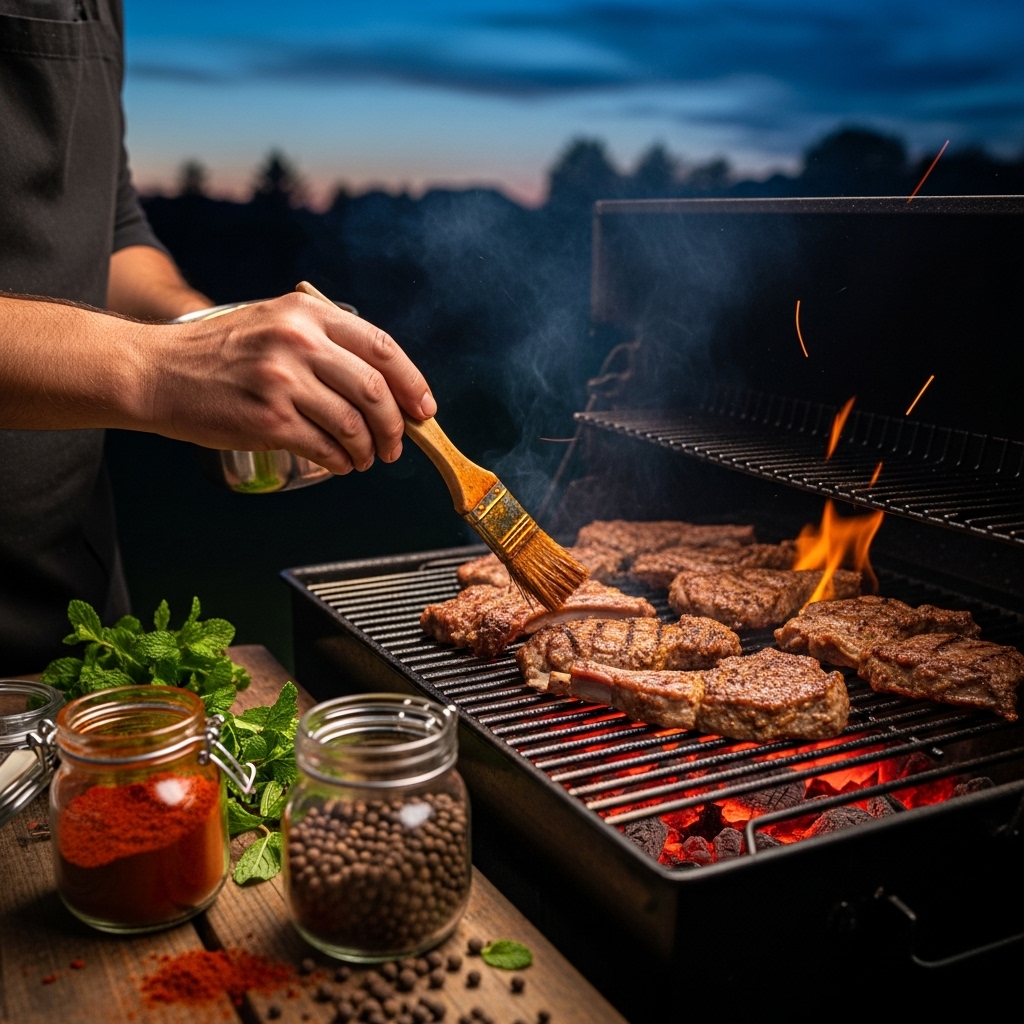
Balance Is the Secret to Great Shawarma Marinade
Stand near a backyard grill in Naperville on a summer evening and you’ll hear laughter, the sizzle of meat meeting hot grates, and the clink of glasses as neighbors gather. Shawarma belongs in that soundscape. The key to translating its street-side magic to your patio is a balanced marinade—one that wraps every slice in warmth, brightness, and just enough fat to carry flavor into the fire. Balance isn’t a buzzword; it’s the reason your meat caramelizes without drying, the reason lemon tastes lively rather than sharp, and the reason a wrap stays compelling from first bite to last. If you need a picture of how flavors and sides play together, a quick glance at a curated shawarma menu can help you plot your own backyard spread.
In Naperville, we grill in all kinds of weather. July might be a sunlit dream, while May can throw a chill that sneaks up at dusk. A smart marinade is your ally through those shifts. It gives you a wider margin for error, protecting tenderness under sudden flare-ups and preserving juiciness if the grill runs hotter than expected. It also lets you pivot between proteins with confidence—chicken thighs, beef slices, or lamb all respond beautifully when the marinade is tuned to their strengths.
The Three Pillars: Warmth, Brightness, and Cushion
Every successful shawarma marinade holds three ideas in steady tension. Warmth comes from spices—cumin, coriander, paprika, black pepper, and sometimes a whisper of cinnamon or allspice. Brightness is your acidity—fresh lemon juice foremost, perhaps supported by a small splash of vinegar for backbone. Cushion is fat—usually a neutral oil—that helps spices bloom and spreads heat evenly across the meat. Salt binds everything together and unlocks flavor.
When you stir these pillars into harmony, you get more than seasoning; you get insurance. The spices seize the heat and form a flavorful crust, the acid keeps the profile lively, and the oil stops the grill from pulling moisture out too aggressively. In a town where wind can kick up unexpectedly and clouds roll in fast, that kind of culinary insurance belongs in your toolkit.
Building the Marinade With Intention
Start by blooming your spices. Mix your dry blend with a tablespoon of oil and let it sit for a minute to wake up the aromas. Add crushed garlic and a spoonful of finely grated onion for sweetness. Stir in lemon juice, a small splash of vinegar if you like a firmer tang, and just enough additional oil to create a loose paste. Taste the mixture before it meets the meat—if it feels dull, it’s probably short on salt or lemon. If it tastes harsh, add a touch more oil and let it sit; flavors mellow quickly as they mingle.
Slice your protein thinly to maximize surface area. This is as important as the spice blend itself. Thin slices generate more caramelized edges and cook fast enough to stay juicy. For chicken thighs, trim lightly but keep enough fat to help with self-basting on the grill. For beef and lamb, cut across the grain to keep the bite tender. Marinate for at least an hour; overnight is terrific if schedules allow.
Local Flair From Naperville Markets
Our markets are full of ways to localize your marinade. In early summer, grab herbs from backyard planters—parsley and mint bring a fresh lift when minced into the marinade or reserved for finishing. Midseason, add a teaspoon of tomato paste to the marinade for subtle sweetness and body; it paints the meat with a ruddy glow that browns beautifully. When garlic from local growers shows up with that extra punch, roast a few cloves and mash them in to soften the edges without losing character.
Don’t forget the supporting cast. Crisp cucumbers for pickles, tomatoes that pop, and a tangy garlic-yogurt sauce pull the plate together. Warm bread—pita or flatbread—finished over the grill grates for a few seconds brings everything home. The key is to think in terms of balance: crunchy, creamy, bright, and warm meeting in every bite.
Grill Management: The Naperville Way
On a gas grill, preheat to medium-high and clean the grates well. Oil lightly, then lay down your marinated slices in an even layer. Work in batches to avoid steaming. Keep the lid down to trap heat but stay close; shawarma’s thin slices cook quickly. Look for color at the edges and a faint bounce when you press with tongs. Flip once or twice to chase even caramelization. On a charcoal grill, bank coals to one side for two-zone cooking. Sear over the hot side, then finish on the cooler side if you need a moment to avoid scorching.
Flare-ups happen, especially when fat renders. When the flames leap, shift pieces briefly to the cool zone. You’re aiming for a spectrum of browning without bitterness. Rest cooked meat under a loose foil tent so juices settle and textures relax. This rest is the difference between good and great; it softens edges just enough to marry into the bread while keeping the core juicy.
Mid-Grill Adjustments and Tasting
One secret to mastering shawarma on the grill is tasting midstream. Pull a small piece, let it cool for a few seconds, and assess. If it reads flat, sprinkle a pinch of salt on the next batch or plan to add a squeeze of lemon at the finish. If it’s too sharp, consider a drizzle of oil or a spoon of garlic sauce when you assemble. For ideas on finishing touches and combinations that work, browse a well-constructed shawarma menu while the next batch sizzles—you’ll get quick inspiration without leaving the grill.
Because the grill environment changes as heat ebbs and flows, make micro-adjustments. Spread the meat out a little more if steam collects, or cluster pieces over the hotter zone if color lags. The goal is momentum: a steady rhythm of sear, flip, and rest that turns out consistently succulent slices.
Assembling the Plate: Texture and Tempo
Bring your components to the patio so you can build as you grill. Warm bread, a bowl of crisp pickles, chopped tomatoes, sliced onions, and your garlic sauce should be within reach. Assemble wraps with a light hand—enough sauce to coat, not drown; pickles that snap; herbs for lift. If you’re serving bowls, think layers: rice or greens, shawarma, drizzles of sauce, and a finishing sprinkle of sumac. The first bite should announce itself with spice and brightness; the last bite should still feel composed, not muddled.
For gatherings, keep a gentle flow: grill a batch, assemble a few wraps, and pass them around. While those disappear, grill the next round. This pacing keeps the meat hot and the textures crisp. People linger, the conversation builds, and the evening takes on that easy Naperville vibe—neighbors waving from the sidewalk, kids laughing, the streetlights flickering on.
Common Pitfalls and How to Avoid Them
If your marinade tastes muddy, you may be using old spices or too heavy a hand with the warm notes. Buy fresh spices, and measure the cinnamon or allspice with restraint. If the meat seems dry, check slice thickness and grill temperature; thinner isn’t always better if heat is relentless. Give the meat a quick rest and finish with a whisper of lemon and a pinch of salt to revive it. If your garlic sauce overwhelms, thin it with cold water and let it sit—it softens noticeably in a few minutes.
Another misstep is overloading the wrap. Keep the ratio thoughtful: plenty of meat, yes, but also enough vegetables and herbs to refresh each bite. Your palate should never feel fatigued. If you do overshoot a flavor—too garlicky, too tangy—use the next wrap to correct, and note the adjustment for the following batch. Grilling is a conversation; each piece you cook teaches the next one how to behave.
Cold-Weather Shawarma, Same Balanced Marinade
Naperville doesn’t always offer patio weather. When the temperature dips, take your balanced marinade indoors. A ripping-hot cast-iron pan or a high-heat oven with a finishing broil will deliver much of the same magic. The principles hold: thin slices, high heat, brief rest, and a plate built with crunch and cream alongside spice. Cold evenings are a chance to explore heartier sides—roasted potatoes dusted with sumac, or a warm chickpea salad with lemon and parsley.
Whether indoors or out, the marinade is your constant. Its balance is what ties the experience together from June’s long twilights to February’s early dusk. It gives you the confidence to cook for two or twenty and to send out plates that taste like you’ve been perfecting the craft for years.
FAQ
Q: What’s the ideal marinade time?
A: Aim for at least one hour. Four to six hours builds depth without compromising texture. Overnight is excellent for beef and lamb; for chicken, keep the acid modest if you go long.
Q: Can I reuse marinade for basting?
A: Use a portion of fresh marinade for basting if you plan ahead. Don’t baste with marinade that has held raw meat unless you boil it thoroughly, and even then, fresh is cleaner in flavor.
Q: How do I know if my grill is hot enough?
A: If a drop of oil shimmers instantly and a small test piece sizzles on contact, you’re in the zone. Look for color within a minute or two; if it’s sluggish, raise the heat or move to a hotter spot.
Q: Which proteins work best?
A: Chicken thighs are the most forgiving and juicy. Thinly sliced beef or lamb brings richness and loves the grill’s smoke. All respond beautifully to a balanced marinade and high heat.
Q: How do I prevent sticking?
A: Clean and oil the grates, and don’t move the meat too soon. Once a crust forms, pieces release more easily. A light brush of oil on the meat just before it hits the grill helps too.
Light the Grill
Naperville evenings were made for meals that bring people together. Mix your marinade with intention, set up the grill with confidence, and build plates that sing with balance and brightness. If you want a quick spark of inspiration as you plan sides and sauces, skim a well-made shawarma menu, then step outside and let the sizzle carry you. The glow from the grates, the scent of warm spices, the quiet chorus of neighbors—this is where shawarma becomes more than dinner. It becomes a memory you can recreate all summer long.