
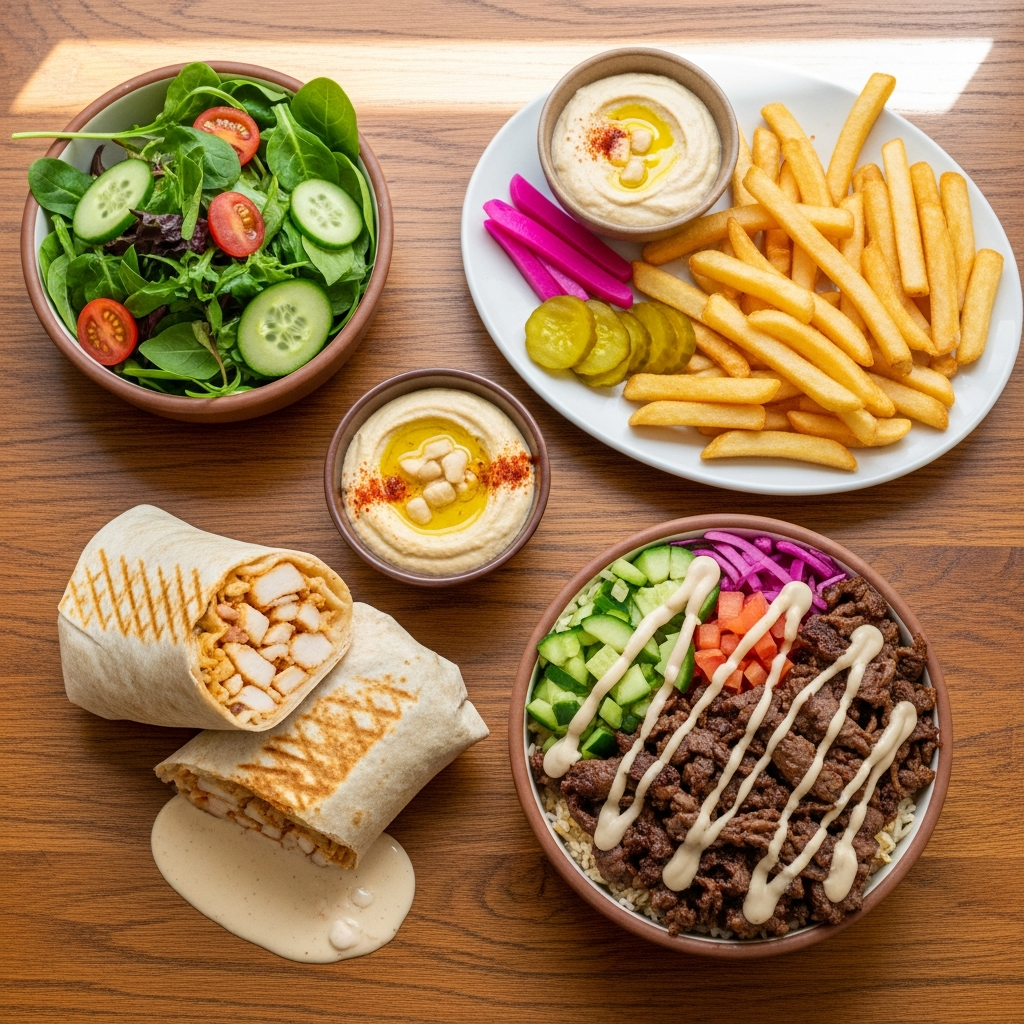
Finding the best shawarma in Naperville is not about chasing hype; it is about understanding what your palate craves and how a kitchen brings those details to life. Locals pay attention to the dance between spice and citrus, to the texture of the bread after a light toast, and to how a sauce can lift without overpowering. The goal is simple: every bite should feel intentional, from the first crunch of pickle to the last ribbon of marinated meat. Before you choose your format or decide how hungry you are, it helps to scan the menu for clues—house-made sauces, options for bowls and wraps, and small seasonal touches that show the team is cooking with the present moment in mind.
Naperville eaters are discerning because we have options. Between a lunch that needs to be quick and a leisurely evening stroll along the Riverwalk, the best shawarma has to play multiple roles. At noon, it should feel like momentum—easy to carry, energizing, and clean in flavor. At night, it should feel like a reward, warm and layered with spices that bloom slowly as you settle into conversation. A kitchen that can hit both notes earns loyalty, and once you know what to look for, you will spot the places that do it well.
Understanding flavor balance like a local
Let’s start with the marinade. Well-made shawarma tastes seasoned from the inside out, which means the spices and acid meet the meat hours before you ever arrive. Chicken welcomes a blend that leans bright—lemon, garlic, coriander—with a little warmth from cumin and paprika. Beef asks for depth—perhaps a touch of allspice with black pepper and a subtler hand with citrus to keep it tender without turning it sharp. When you take a bite, you should notice the seasoning without having to hunt for it. If the only flavor you register is sauce, the kitchen has not done its best work.
Sauce, though, is more than an accessory. Garlic sauce should feel buoyant, almost like it was whipped with air; tahini should be silky with a backbeat of lemon; and any chili-forward condiment should be calibrated to warm, not scorch. Locals often ask for a blend—garlic with a brush of tahini—because that combination tethers bright chicken to a richer base. With beef, tahini usually leads, and a measured spoon of red sauce can nudge it awake. Think of sauces as translators between ingredients, not as the main speaker.
Textures that tell the full story
A great shawarma is a textural conversation. Bread needs a toasty kiss, never enough to splinter, just enough to add structure. Inside, you want contrast: crisp lettuce or cabbage, juicy tomatoes, slender onion slices, and acidity from pickles that lets your palate reset after a rich bite. When a wrap is layered evenly, each chew delivers a sampling of all parts. Bowls should build that same conversation on a fork—grains or greens with a point of view, warm protein, cool vegetables, and a thoughtful drizzle of sauce that ties them together.
Fries can be a bridge between formats, either folded into a wrap for crunch or served on the side for a dip in garlic sauce. Hummus should be light and bright; rice should carry gentle aromatics that feel intentional; and lentil soup remains a quiet star when the weather cools or you need comfort food that does not slow you down. The best places make sides taste like they belong rather than like boxes checked to fill space on a menu.
Wrap, bowl, or plate: the smarter choice
Choosing a format is partly practical. If you are walking downtown or timing a quick pickup during a break, a wrap is the tidy option. It warms your hands, smells incredible, and carries easily. If you plan to linger, a bowl slows things down just enough to savor the nuances—how a squeeze of lemon over greens cuts through the savory notes, how a little extra tahini binds everything without muting the crunch. Plates join the party when you are feeding a group, letting you portion to taste and chase different sauce combinations without committing to one profile.
Locals also consider the time of day. Lunch tends to favor wraps for convenience; dinner leans toward bowls or plates when the conversation is part of the meal. On weekends, you will see everything—parents splitting wraps for kids, friends comparing sauces, students grabbing bowls before a movie. The point is not to declare a winner. The point is to pick the format that makes the flavors shine for the situation you are in.
Ordering tips from the Naperville playbook
Begin with your protein. If you are new or aiming for a classic, start with chicken and garlic sauce. Ask for pickles; they are not negotiable for that essential snap. If you want something richer, shift to beef and let tahini do the heavy lifting, with a modest streak of chili if you like a slow glow of heat. Next, think about texture. Do you want added crunch from fries tucked into your wrap, or would you rather keep them on the side so they stay crisp for dipping?
Do not be shy about sauce placement. A good assembler will listen if you ask for a little on the base and a little on top; that often keeps the middle from feeling underdressed. If you prefer more control, request sauces on the side for a plate or bowl and compose each bite to your liking. Finally, if you are juggling errands or a school pickup, order a few minutes ahead to avoid rush pockets. Naperville moves quickly, and one well-timed pickup can make your evening feel calmer.
Seasonality and small touches
The best shawarma kitchens in Naperville treat the menu as a living document. Summer invites grilled peppers and tomatoes that sing with warmth and sweetness; autumn leans into roasted vegetables and a slightly heartier rice base; winter calls for lentil soup and a slower build of heat in a red sauce that chases the chill away. Spring often brings brighter herbs and a more citrus-forward marinade. You can taste when a kitchen is paying attention to the season, and those details keep regular orders feeling fresh.
Packaging is its own craft. Thoughtful restaurants wrap sandwiches so they breathe just enough to avoid sogginess and set bowls in containers that preserve texture across a short drive. We notice when pita stays tender, when greens are still perky, and when the last bite is as balanced as the first. These little markers of care separate a fine meal from a memorable one.
Reading the room—and the line
Naperville’s eating habits come with predictable tides. Early lunches are popular with remote workers looking for a break between calls; later lunches bring students and staff from nearby schools. Early evenings see families who want to fuel everyone without turning dinner into a project. If you prefer quiet, slide in just after the early rushes. And if you thrive on energy, there is its own pleasure in watching a skilled team assemble wrap after wrap at full speed, each one looking as neatly built as the last.
Group orders reveal another layer of local wisdom. When feeding a mix of preferences, combine classics and experiments. A couple of chicken wraps with garlic sauce cover most palates. Add a beef bowl with tahini for the richness fans. Toss in a vegetarian option and fries to share. Keep sauces on the side for at least one plate so everyone can calibrate heat and creaminess on their own terms. This approach turns a pickup bag into a tasting table.
When to trust the kitchen
One sign of a top-tier spot is how confidently the staff can guide you. If you are torn between sauces, ask which complements the day’s batch of chicken or beef best; marinades evolve, and seasoned assemblers taste through the day. When they recommend a finishing touch—more pickles for brightness, or a squeeze of lemon on a bowl—say yes and see how it lands. Over time, you will develop your own signature order, and the crew will remember it, which is how many of us in Naperville end up feeling like regulars.
Another sign is the quiet pride in the small things. Sauces that are mixed in-house, vegetables cut with intention, and the way meat is sliced to order rather than scooped from a waiting bin all speak to a culture of care. These are the kitchens that treat quick-service food as craft, and those are the places you remember.
The midday nudge
In the heart of the week, when energy dips and the to-do list stretches, shawarma can be the reset button you did not know you needed. Something about the smell of warm spices, the first bite of tender meat, and the cooling lift of garlic or tahini feels clarifying. When the craving sparks, a quick look at the updated shawarma menu can help you decide whether today calls for a classic wrap or a vegetable-forward bowl that keeps your afternoon light but focused. Naperville’s best keep those choices clear and easy.
What makes it “the best” for you
There is no single winner, because “best” is a moving target shaped by mood, weather, company, and appetite. Some days you want the comfort of the familiar; other days you want to chase a new sauce or a different texture. The right restaurant meets you wherever you are, turning a ten-minute pickup into a small moment of joy. And when you find the place that does that consistently—when the last bite makes you wish for one more—you will know you have your answer.
Frequently Asked Questions
What protein should I choose if I am new to shawarma? Start with chicken for a bright, classic profile, usually paired with garlic sauce and pickles. Once you know that baseline, try beef with tahini to explore a deeper, richer flavor.
How spicy is shawarma supposed to be? Traditional shawarma is more aromatic than fiery. Heat typically comes from optional sauces. If you like spice, ask for medium heat first so the underlying flavors still shine.
Are bowls healthier than wraps? Bowls often lean lighter, especially when built on greens or rice with lots of fresh vegetables, but a well-made wrap can feel balanced too. Focus on fresh components and measured sauces rather than labeling one format “good” and another “bad.”
What sides pair best? Fries for crunch and dipping, hummus for creaminess, and lentil soup when you want warmth without heaviness. The best sides complement the main event rather than compete with it.
How do I avoid a soggy wrap on the drive home? Pick up as close to ready time as possible, and let the restaurant wrap your sandwich so it breathes slightly. If you are adding extra sauce, consider it on the side and add more at home.
Can I customize without ruining the balance? Yes. Ask for suggestions from the assembler. Small tweaks—extra pickles, a light drizzle of tahini, or a touch of heat—can personalize your meal while preserving the integrity of the build.
If you are ready to turn a good lunch into a great one, trust your cravings and order with intention. Choose the format that suits your day, ask for the sauce that makes you smile, and take your first bite while it is still warm. When you are set to make the call, scan the Naperville shawarma menu and pick the combination that fits your moment right now. I will be the one nodding in approval when you unwrap it.