In Naperville, the conversation about the best shawarma usually begins with a knowing nod and a sensory memory: the scent of warm spices curling through a doorway on Washington Street, the faint sizzle of meat catching just the right heat as the cone turns, and the satisfying heft of a wrap handed over the counter, still warm, still carrying the promise of that first perfect bite. Authentic flavor is more than nostalgia or a word on a sign; it is a practiced rhythm from marinade to carving to the final fold, so every bite travels the same arc—savory, bright, a little smoky, and balanced with crisp vegetables and punchy pickles. If you’ve walked the Riverwalk at dusk or spilled onto a curb after a high school game in south Naperville and reached for a shawarma that hit every note, you know exactly what this means. And if you’re still searching, the smartest first step is a quick visit to the menu to see how the kitchen tells its story through ingredients and options.
Authenticity in shawarma begins before the first slice is ever cut. It lives in the marinade, a patient blend of spices that rests into the meat and sets the stage for tenderness and depth. For chicken, that often means citrus, garlic, a whisper of warm spices, and sometimes a hint of yogurt to tenderize. For beef, think cumin, coriander, allspice, maybe a brush of vinegar or pomegranate molasses that brightens the edges and helps the heat coax sugars into caramel. In both cases, the marinade isn’t a mask; it’s a lens, focusing the meat’s own flavor rather than drowning it out.
The Spit, the Heat, and the Art of Timing
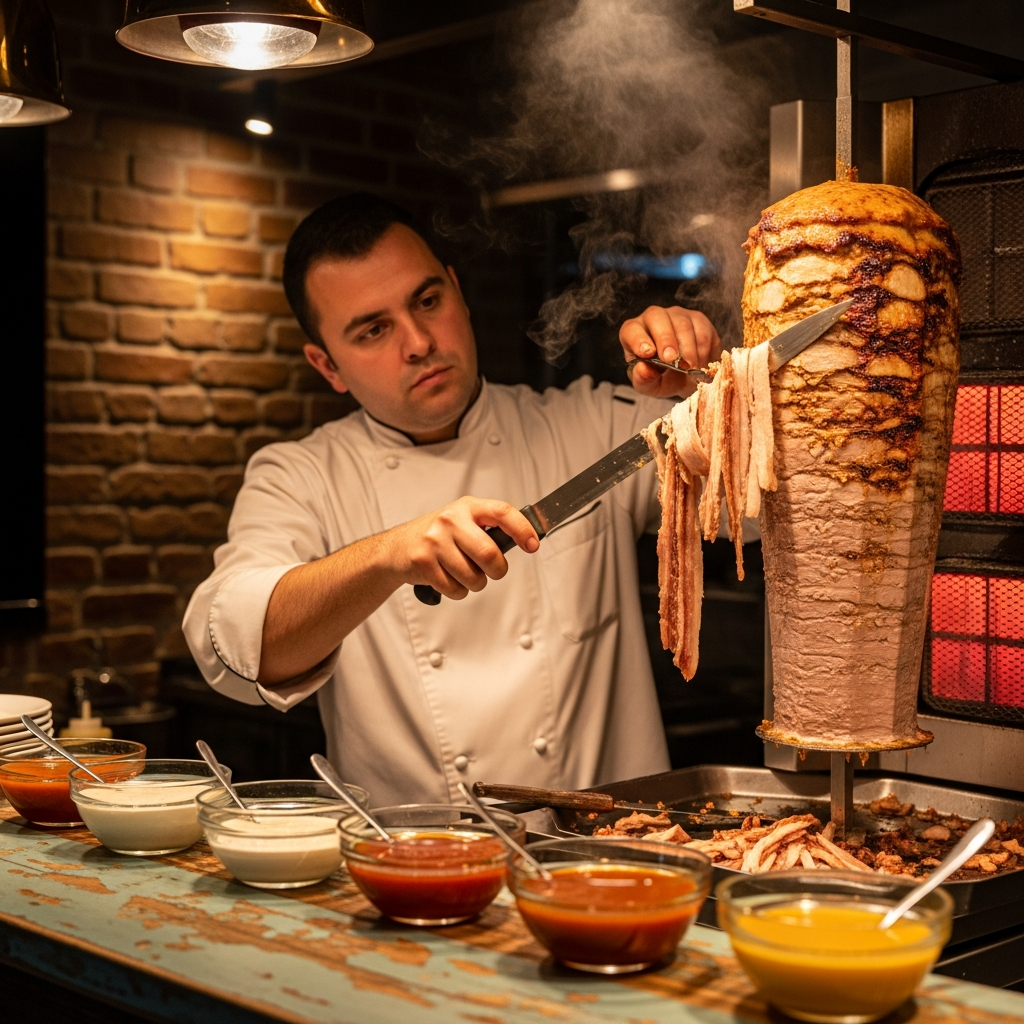
Ask any Naperville regular where great shawarma is born and they’ll point to the spit. That slow, patient turn is more than theater; it’s a moving gradient of heat that crisps the outside while keeping the interior plush. The best carvers understand timing like a chef understands salt. Carve too soon and you’ll miss the caramelized edges; wait too long and the slice loses juiciness. When the edge is just right—warm, a bit lacquered, and scented with spice—the blade glides down and delivers ribbons of meat that are somehow both hearty and delicate.
That contrast is the signature of great shawarma: a mingling of char and tenderness in the same bite. You know it when you see a single slice flashing two colors, the outer edge a deeper shade from heat, the inside still softly golden or pink, depending on the protein. Wrapped with care and kissed by sauce, those slices unfurl their flavor as you eat.
Sauces: The Supporting Cast That Steals the Show
Garlic sauce—toum to many—has a cult following in Naperville, and for good reason. Properly made, it is fluffy, assertive, and shot through with enough lemon to lift the richness of the meat. Tahini brings balance: sesame’s nuttiness, lemon’s brightness, and a texture that clings without smothering. Hot sauce is the wildcard, capable of threading heat through the smoky notes of beef or crackling against the citrus of chicken. The magic happens when they’re combined with care. A narrow streak of garlic, a drizzle of tahini, a cautious dash of heat—suddenly the wrap tastes both layered and clean, the kind of flavor you remember days later.
Pickles and turnips add the meter to this melody. Their crunch and acid slice through the richness and create an echo you feel after every bite. In Naperville, where people care about texture almost as much as taste, that snap is part of what makes a shawarma truly satisfying.
Bread and Build: The Foundation of Every Great Wrap
Authentic shawarma leans on bread that does its job: warm, pliable, and modestly absorbent without getting soggy. A well-warmed pita or flatbread creates a cradle for the sauce and meat. The build matters: a baseline of sauce, a nest of meat, a measured hand with vegetables and pickles, and a confident roll with ends tucked to hold it all together. If you’ve ever unwrapped a shawarma at a picnic bench near Naper Settlement and watched it hold shape from first to last bite, you know the maker respects the craft.
Some nights call for a wrap; other nights beg for a platter. Plating shawarma with rice, salad, and a scoop of hummus reveals the craft in a different light. You can taste the marinade more cleanly, notice how the char rests against the starch, and choose your own pace with sauce. Either way, the throughline is the same: freshness, balance, and a sense that every piece was composed with intention.
Naperville’s Rhythms: Lunch by the River, Dinner After the Game
Local flavor is a rhythm as much as a recipe. Lunch near the Riverwalk is all about speed and satisfaction; a great shawarma slides into that midday slot without fuss. Post-game dinners in south Naperville lean heartier, with extra sauce and a plate of fries riding shotgun. When the calendar turns frantic—recitals, practices, and meetings—shawarma becomes a reliable friend you can summon in minutes. Authenticity in this context means you don’t have to baby the order. The wrap travels, the platter holds heat, and the final bite is as good as the first.
On weekends, Naperville families often turn shawarma night into a mini ritual. Someone grabs the order, someone else sets out plates on the kitchen island, and the first slices disappear before anyone officially sits down. The conversation always turns to favorites: more garlic or more tahini, extra pickles or a calmer build, beef or chicken, or a little of both.
Middle Notes: Checking the Kitchen’s Story
When you’re chasing authentic flavor, read the kitchen’s choices the way you’d read a menu in a favorite bistro. Are the sauces house-made? Is the shawarma carved to order? Do the vegetables taste freshly cut rather than prepped too far in advance? These details whisper the same message: the people making your food care about the outcome. A quick browse of the menu can offer clues—combinations that suggest confidence, options that balance tradition with flexibility, and sides that show off technique as much as taste.
It’s not that a long list of items guarantees quality; in fact, the opposite is often true. Focus signals craft. When a kitchen concentrates on getting shawarma right and supports it with a few great sides, you’re in good hands.
Chicken vs. Beef: A Tale of Two Traditions
Chicken shawarma sings when the marinade tilts toward citrus and herb, finished with enough garlic to perfume without overpowering. Thin slices feel almost delicate, even as they deliver a satisfying richness. Beef carries a deeper resonance—warming spices, a robust chew that melts as you work through the bite, and edges kissed by heat that bring a whisper of smoke. The choice becomes less about better or worse and more about what mood you’re in. Bright and sprightly? Chicken. Brooding, savory, and a touch indulgent? Beef.
Many Naperville shawarma lovers split the difference and order both, alternating bites like a tasting flight. The contrast sets each one off, giving your palate a little reset before you circle back.
What Sides Say About a Kitchen
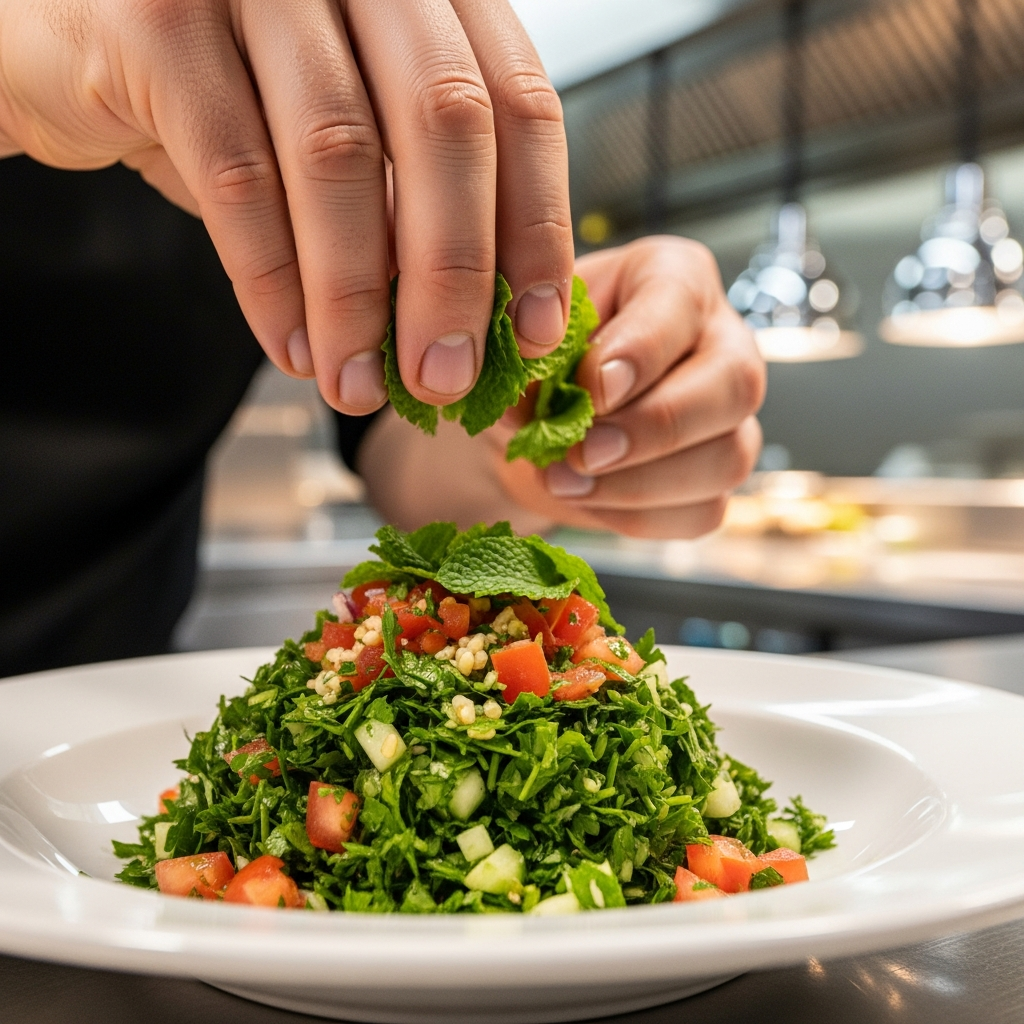
Hummus tells you about seasoning and balance. When it’s velvety, lightly garlicked, and lemon-forward without being sharp, you know the hand behind it is skilled. Tabbouleh speaks to freshness; crisp parsley, bright lemon, and just enough bulgur to give it snap. Rice is the quiet ally, catching tender drippings and giving each forkful a platform. Even the pickles carry a message: crisp, lively, not overly salty—evidence that someone is paying attention.
When sides rise to meet the shawarma, you’re tasting a kitchen that connects the dots. Authenticity blooms in those connections, not just in the headline act.
Eating With the Seasons in Naperville
There’s a seasonal rhythm to shawarma here. Spring invites picnics at Knoch Knolls or a quick bench lunch near the Riverwalk. Summer calls for generous platters that can feed a table after a long afternoon at Centennial Beach. Fall ushers in football nights and a hunger for deeper, earthier notes that beef shawarma answers beautifully. Winter, with its snow-dusted streets and early sunsets, leans into the comfort of a hot wrap, the steam rising as you break the foil open at the kitchen counter.
Through all of it, authentic flavor doesn’t waver. That’s the point. It’s the anchor that makes shawarma a part of Naperville life rather than just another takeout option.
Little Rituals That Elevate Every Bite
Locals adopt tiny habits that make good shawarma great. Warm your plate before you unwrap. Vent the foil so the bread doesn’t steam. Swipe the first bite through a dot of tahini on the side, then follow with a second dipped in garlic sauce. Add a slice of pickle halfway through the wrap to reset your palate. These moves aren’t fussy; they’re affectionate, the sort of attention you pay to foods you love.
When you eat mindfully, you notice how the flavors stack, how a splash of lemon from the salad wakes up the beef, or how a crisp cucumber calms the garlic’s fire without muting it. Authenticity becomes experiential—felt rather than declared.
FAQ: Your Questions About Authentic Shawarma in Naperville
What makes a shawarma “authentic” to a Naperville local?
It starts with careful marination, carving at the right moment, and balanced sauces. Authentic flavor shows restraint and precision—warm spices that support rather than dominate, meat that’s juicy with a trace of char, and a build that stays tidy from first to last bite.
How can I tell if a place carves to order?
Watch for the motion at the spit and how quickly your wrap comes together after you order. If the carver moves to the cone right away and slices directly into your bread or platter, that’s a strong sign. The aroma and the temperature of the meat in your first bite will confirm it.
Is chicken or beef shawarma more traditional?
Both carry deep traditions, varying by region and household. In practice, Naperville diners enjoy them equally, often ordering both to compare. Chicken leans bright and herbaceous; beef leans deep and spiced. Tradition here is about doing either one with care.
What sauces should I ask for if I’m new to shawarma?
Start with garlic sauce and tahini. Use a light hand at first so you can taste the seasoning in the meat, then add more as you go. If you like heat, layer in a little hot sauce later. Building slowly lets you find your balance.
Do sides like hummus and tabbouleh matter when judging authenticity?
Absolutely. Great sides reflect a kitchen’s overall skill. Hummus should be smooth and well-seasoned; tabbouleh bright and crisp. When sides shine, it’s a strong signal the shawarma will, too.
How should I reheat leftover shawarma without losing quality?
Warm wraps gently in a low oven or on a dry skillet, removing delicate vegetables first. For sliced shawarma, use a covered pan over medium-low heat with a drop of water. Add sauces after reheating to keep them vivid.
If you’re ready to taste the kind of shawarma people talk about long after the last bite, take a moment to scan the menu, choose your favorite combination, and plan a pick-up on your next pass through Downtown or a delivery to your doorstep. Naperville knows good food, and a great shawarma belongs on your short list.