
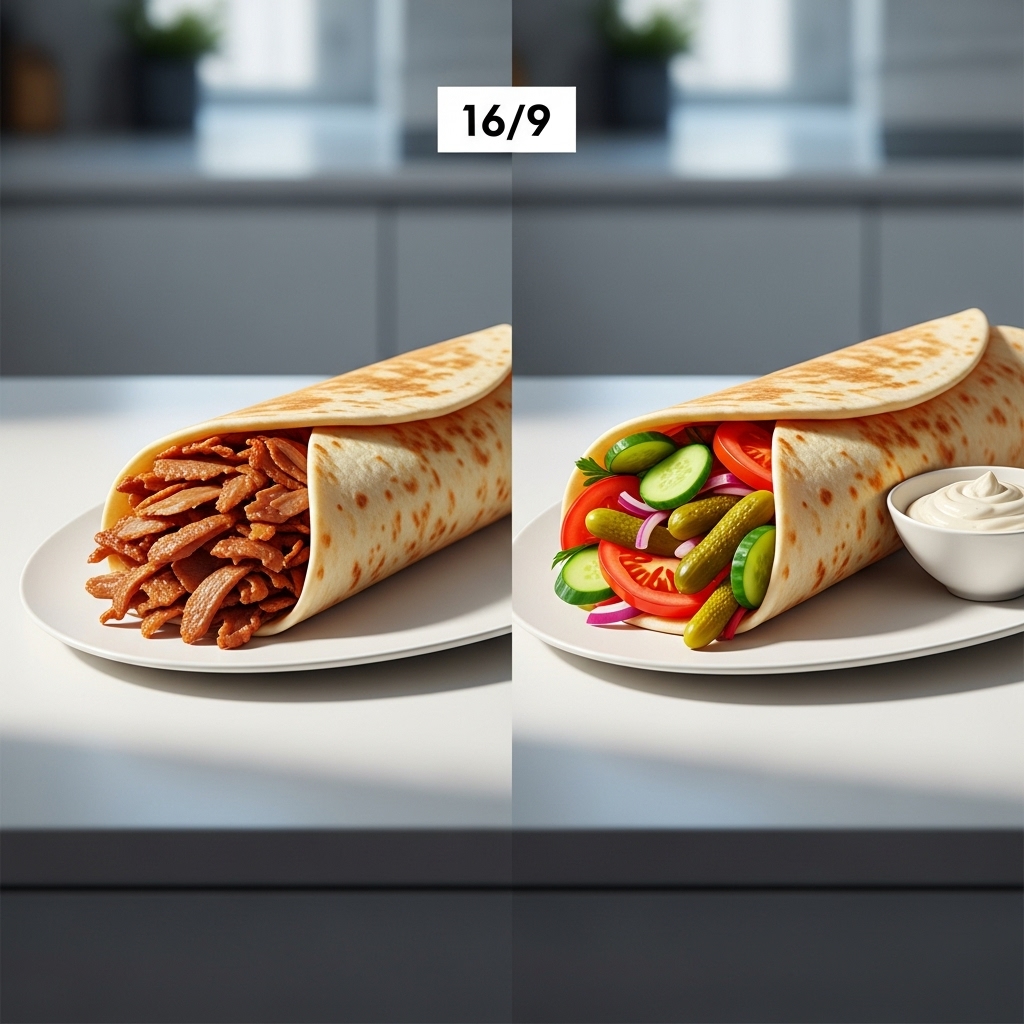
Even the most beloved dishes have their pain points, and shawarma is no exception. In Naperville, where our days swing from busy commutes to relaxed weekends by the Riverwalk, we expect a meal that performs under different conditions: rushed lunches, take-home dinners, post-practice snacks, and cozy evenings with family. When a shawarma falls short—too dry, too soggy, too mild, or too intense—it can feel like a missed opportunity. The good news is that most issues have straightforward solutions rooted in technique, timing, and thoughtful ordering. Understanding why problems happen makes it easier to get the delicious result you crave. If you begin with a sense of what you want and a glance at the local menu, you can steer your meal with confidence.
Let’s start with dryness, the most common complaint. Dryness usually comes from two places: meat that sits too long after shaving, or an imbalance in assembly where there is not enough sauce or moisture-rich toppings. The fix is mostly about freshness and layering. When the rotisserie is shaved often and the meat goes straight into the wrap or bowl, you keep the juices where they belong. Adding tomatoes, cucumbers, and pickles provides built-in hydration and crunch. A well-balanced sauce—garlic, yogurt-based, or tahini—ties it together and ensures the bite stays satisfying from start to finish.
Sogginess lands at the other end of the spectrum. It tends to happen when hot meat and very juicy vegetables sit together in a closed wrap for too long, especially if there is a commute between the shop and your table. The solution is timing and structure. If you know you will be on the road for a while, choose a bowl to preserve crunch or ask for sauces on the side so you can assemble at home. If you want a wrap because the weather is chilly and the warm bread is part of the appeal, eat it soon after pickup to maintain that ideal hot-cool contrast. These small choices guard the textures that make shawarma special.
Heat, Acidity, and the Balance of Flavor
Another frequent challenge is dialing in the right level of heat and acidity. Naperville’s diners have varied palates—some want a gentle warmth, others chase a tingle. Because shawarma’s base spices are more about warmth than fire, heat usually comes from add-ons like chili paste or spicy pickles. If a past order felt too mild, ask to include a spicy accent. If it felt too sharp, you can lean into garlic and tahini, which soften edges and round out the bite. Acidity, often delivered by lemon and pickles, keeps the meal lively. Too much, and it can overshadow; too little, and the wrap can feel heavy. A steady middle is usually the sweet spot, and a few extra herbs can help bridge that balance.
Portion comfort is another point of confusion. Shawarma is filling because of the arc of flavors and textures, not just size. If you plan to split a meal or save some for later, bowls tend to hold better; wraps are best enjoyed warm and sooner. Leftovers, when stored cool and assembled just before eating, can still offer pleasing contrast. Knowing how you’ll eat—now versus later—turns an average experience into a satisfying one.
Seasonality and Commute-Proof Choices
Naperville’s seasons affect shawarma more than people realize. In summer, humidity can soften bread faster, so bowls and plates become smart choices for picnics and riverfront lunches. In winter, the comfort of a warm wrap is hard to beat, especially right after pickup when the bread is tender and the meat is at its peak. If you’re balancing errands and know there is a delay before you can eat, planning for travel by choosing less juicy toppings or keeping sauces separate will protect texture.
Vegetarian shawarma can stumble when texture is overlooked. Mushrooms and cauliflower need enough heat to caramelize; otherwise, they risk feeling soft without the compelling bite you expect. When properly cooked, they deliver deep flavor and hold their own against crisp vegetables and creamy sauces. If your past vegetarian wrap felt flat, consider asking for a little extra char and a touch more acidity to brighten the profile.
Building to Your Preferences
Shawarma is forgiving, which is why a few tweaks go a long way. If you crave richness but fear heaviness, balance a generous drizzle of tahini with extra parsley and tomato. If you want maximum crunch, double down on cucumbers and pickles, and consider a bowl to keep everything snappy until you’re ready to eat. If garlic is your love language, let it lead—but invite lemon to keep the palate alert. These adjustments build a meal that matches your mood and the weather rather than forcing you into a one-size-fits-all experience.
Kids and spice can be tricky in any cuisine, and shawarma is no exception. The workaround is straightforward: start with the base flavors—garlic, lemon, and warm spices—and keep spicy condiments separate so everyone can set their own pace. This approach maintains the dish’s identity while ensuring each bite is comfortable. Over time, tastes evolve, and the option to add more heat is always there.
Another subtle issue arises with salt. Because pickles and sauces bring their own seasoning, adding more salt risks crowding the palate. The best versions rely on spices and acidity to carry excitement. If a shawarma ever felt too salty, the solution is to highlight fresh elements—shredded lettuce, tomatoes, and herbs—and to choose sauces that emphasize garlic and lemon over brine. You will keep the spirit of the dish intact while dialing back the intensity.
When food is meant to be shared, timing becomes a flavor, too. If you are setting a table for family or friends, plan the order of assembly so that wraps are eaten soon after they are ready and bowls hold the line for those who arrive a little later. This simple pacing reduces the odds of either dryness or sogginess and ensures the meal tastes the way it should: lively and complete.
Choosing where to begin can feel like the biggest hurdle on a busy day. That is why many locals take a moment to check the shawarma menu before heading out. Seeing the options laid out—protein, toppings, sauces—helps you visualize the final bite and tailor it to your timeline. With a plan in mind, you are far more likely to get the textures and temperatures you love.
Frequently Asked Questions
Q: How do I avoid a soggy wrap during a longer drive home?
A: Opt for a bowl if you have a long commute, or keep sauces on the side and assemble just before eating. If a wrap is non-negotiable, enjoy it soon after pickup so the hot-cool contrast stays intact.
Q: What if my shawarma tastes too mild?
A: Add a spicy condiment or choose spicy pickles to raise the temperature of flavor. You can also request an extra squeeze of lemon or more herbs to add definition without making the dish heavy.
Q: How can I prevent dryness?
A: Freshly shaved meat, moisture-rich toppings like tomatoes and cucumbers, and a balanced sauce are the key. Ask for immediate assembly and include a mix of creamy and bright elements for lasting juiciness.
Q: What vegetarian options have the best texture?
A: Mushrooms and cauliflower, when well caramelized, offer satisfying bite and absorb spices beautifully. Pair them with crunchy vegetables and a tahini or yogurt-based sauce for balance.
Q: Is there a best way to order for families with varied tastes?
A: Start with a base everyone enjoys, then personalize with sauces and toppings. Keep spicy elements on the side, and consider a mix of wraps and bowls so people can eat at their own pace without sacrificing texture.
Your Best Bite Is One Thoughtful Choice Away
Shawarma thrives when you align it with your day. Decide whether you want warmth or brightness, crunch or comfort, immediacy or travel-friendliness, and build from there. When you are ready to craft a meal that matches your mood, take a look at the local menu and enjoy a shawarma that tastes exactly the way you hoped.