Naperville knows shawarma well. We order it for a quick desk lunch, for a shared picnic by the Riverwalk, and for a comforting dinner when the weather dips toward snow. But even a beloved staple brings challenges when it’s time to order for a crowd, race home with takeout, or tuck leftovers into the fridge. Over the years, after countless wraps and bowls from spots along Ogden Avenue, Route 59, and downtown, I’ve noticed a set of common issues that can cloud an otherwise great experience—and simple ways to fix them. If you’re mapping out your next order, a quick glance at the menu plus a little know-how can keep flavor and texture in top form from counter to kitchen table.
Most problems come down to moisture, timing, and temperature. Shawarma is built on contrasts—crisp edges, warm bread, cool vegetables, creamy sauce. When those elements mingle too early or rest too long in the wrong conditions, they flatten into sameness. The good news is that you can preserve contrast with a few smart choices at ordering and during storage. Think of it as protecting the conversation within your meal so every voice stays clear.
Issue one: soggy wraps and flat textures
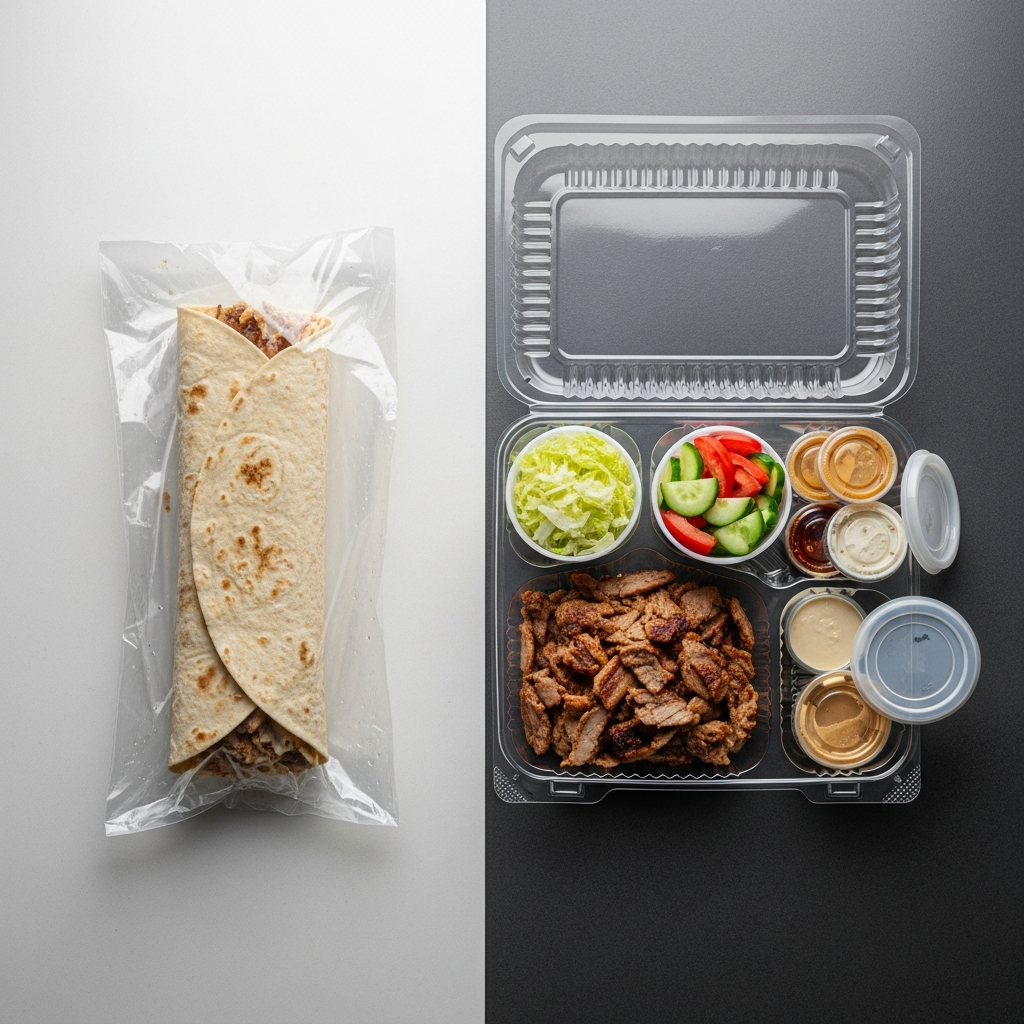
This is the complaint I hear most: a wrap that arrives limp, its once-crisp edges softened by steam. The cause is almost always trapped moisture. Freshly shaved meat goes into a warm wrap, vegetables add water, and sauces add more. Wrapped tight and bagged, the whole thing steams itself into submission. The solution starts when you order. Ask for sauces on the side when possible, especially if you have a drive ahead. If you enjoy extra tomatoes or cucumbers, consider a bowl, or ask the kitchen to keep cool components in a separate cup for assembly at home. These small adjustments go a long way toward maintaining the snap and char that make shawarma sing.
Packaging also matters. Vented containers allow heat to escape so steam doesn’t condense back into the wrap. Many Naperville shops have improved packaging in the last few years, but it never hurts to request venting or simply crack open the lid once you’re back in the car and the container is upright. Air circulation is your ally.
Issue two: sauce overload and unbalanced bites
Garlic sauce and tahini are part of shawarma’s soul, but they can turn a great meal heavy if applied too generously. Over-saucing often happens during a rush, when the line is long and hands get generous. Again, the fix is friendly clarity: ask for light sauce or for sauces on the side. Then you can paint each bite to taste. This approach also helps if you’re sharing a platter at home; different family members can tune their plates to their own preferences.
When reheating leftovers, always add sauce after warming. Heat can break emulsions and mute brightness, leaving a flat flavor. A drizzle at the end restores life to the plate, letting garlic and lemon rise where they belong.
Issue three: lukewarm meat by the time you get home
Naperville is spread out, and a ten- or fifteen-minute drive can cool food more than you’d think, especially in winter. If you know you have a distance to cover, request that warm and cold components be packed separately. Meat in a tight, insulated container will hold heat better than a full wrap with cool vegetables inside. At home, a quick toss of the meat in a hot skillet or a brief stint in a preheated oven brings back edge and aroma without drying it out.
Another trick: if you’re ordering for multiple people, build bowls and wraps at home with warmed components. Keep bread wrapped and warm in foil, reheat meat quickly, and then add crisp vegetables and sauce. You’ll preserve contrast and avoid the tepid middle ground that disappoints even the most forgiving eater.
Issue four: wilted vegetables
Fresh tomatoes, cucumbers, onions, and herbs define shawarma’s brightness. Unfortunately, they’re the first casualties of heat and time. If you’re ordering ahead or expect a delay, ask for vegetables in a separate cup. When that’s not feasible, choose sturdier vegetables—onions and pickles hold up better than delicate greens—and add the rest at home.
For leftovers, store vegetables away from warm components. Moisture from cooling meat can turn yesterday’s crisp salad into today’s soggy bed. Keep a paper towel in the vegetable container to absorb extra moisture, then refresh with a pinch of salt and lemon when serving again.
Issue five: rice that loses its fluff
Rice is sensitive. Packed hot without ventilation, it can collapse into stickiness. Packed too cool, it dries out. When you pick up a bowl, give the rice a gentle stir as soon as you’re home to release steam. If reheating, sprinkle a teaspoon of water over the rice, cover lightly, and warm briefly in the microwave or oven. Fluff with a fork before adding meat and vegetables so it regains the soft, separate grains that make each forkful satisfying.
Some shops in Naperville prepare rice with whole spices, which can cling to grains. If you prefer a smoother texture, mention it at the counter; many kitchens will gladly adjust how they scoop so you get the balance of aromatics you like without stray pods and leaves in every bite.
Issue six: leftover meat that dries out
Leftover shawarma can taste nearly as good the next day if you treat it well. The enemy is dry heat. Reheat meat quickly in a small skillet with a splash of water or broth, just until it’s hot and edges are revived. Overheating drives off moisture and dulls spices. If you’re using an oven, cover loosely and keep the timer short. The goal is to wake it up, not cook it again.
Always add sauces and delicate vegetables after reheating. That order preserves the best parts of each element, keeping your meal lively rather than muddy.
Issue seven: confusion at the counter when ordering for groups
Group orders are where even seasoned locals stumble. Miscommunications multiply when you’re juggling preferences and add-ons. The fix is preparation. Before you leave the house, note who wants extra pickles, light sauce, or a bowl instead of a wrap. If you’re ordering online, double-check each customization before submitting. Taking sixty extra seconds up front can save you a return trip or an awkward trade at the table.
It helps to align the group on a common base—either all wraps or all bowls—then modify from there. This reduces packing complexity and makes serving easier once you’re home. A quick look at the menu beforehand lets you plan within the shop’s flow so you’re not inventing combinations on the fly when the line is long.
Issue eight: food safety and fridge timing
Naperville’s summers can be humid and warm, and winters are famously chilly. Either extreme can trip up food safety if you’re not careful. As a rule of thumb, don’t let cooked shawarma sit out for more than a couple of hours at room temperature, and less if the day is hot. When you get home with leftovers, separate warm meat from cool vegetables and store them in shallow containers so they chill quickly and evenly in the fridge.
Labeling leftovers by day helps if your household is busy. Most shawarma components taste best within a couple of days. Past that, quality drops even when safety remains acceptable. Trust your senses: if aroma or texture seems off, it’s better to skip and reorder than to salvage a disappointing plate.
Issue nine: microwave mishaps
The microwave can rescue a rushed lunch, but it can also undo hard-won texture. If you must use it, reheat components separately. Give meat brief bursts with a splash of water, and keep bread out of the microwave entirely if you can—warm it in a dry skillet or toaster oven for a minute to keep its character. Sauces should avoid the microwave; add them cold or at room temperature to restore zest after warming.
Think of the microwave as a precision tool, not a blunt instrument. Short intervals with pauses for stirring prevent hot spots that toughen protein or turn rice gummy. A little patience goes a long way.
Issue ten: ordering too soon or too late
Timing your pickup matters. If you order far in advance, your food may sit waiting, steaming itself in the bag; too late, and the kitchen may be slammed, making special requests harder to accommodate. Aim for a pickup time you can hit reliably, and give yourself a minute at the counter to check the order. Open a container, peek at sauce levels, confirm extras—polite vigilance saves fixes later.
On snowy nights or festival weekends near the Riverwalk, build in extra time. Naperville’s roads can turn a simple errand into a small trek, and your shawarma will thank you for planning around reality rather than hope.
Frequently asked questions about ordering and storage
How do I keep a wrap from getting soggy on the ride home? Ask for sauces and delicate vegetables on the side, choose vented packaging, and crack open lids once upright to release steam.
What’s the best way to reheat shawarma? Use a skillet or oven for meat, add sauces after reheating, and warm bread separately to keep its texture. Bowls reheat well when components are treated individually.
Can I refrigerate a fully assembled wrap? You can, but quality drops faster. If possible, store meat, vegetables, and sauces separately, then reassemble so textures stay distinct.
How long do leftovers last? For best flavor and texture, enjoy within two days. Beyond that, spices fade and moisture balance changes, even if food remains safe.
What if my group has lots of different preferences? Standardize the base—wraps or bowls—then customize toppings. Write notes or place the order online to reduce confusion at pickup.
Is the microwave ever okay? Yes, for quick reheats in short bursts with moisture added, but keep bread and sauces out of it to preserve character.
Bring shawarma home at its best
Shawarma should feel like a small celebration, whether you’re standing at the counter downtown or unwrapping dinner at your kitchen island. With a few smart moves—separating components, venting containers, reheating with care—you can preserve the snap, sizzle, and freshness that make the dish so beloved. When you’re planning your next family meal, office spread, or riverside picnic, browse the Naperville shawarma menu and build your order with these tips in mind. Your future self, and your taste buds, will be grateful.