Halal Shawarma in Naperville: What Local Diners Should Know
Naperville’s dining scene reflects the people who call this city home—families with deep roots, newcomers drawn by great schools and parks, and professionals weaving their way between Ogden Avenue and the Riverwalk. When it comes to shawarma, many neighbors seek out halal options that align with faith and tradition while delivering the same craveable flavor. The good news is that Naperville’s kitchens understand how to honor halal requirements and the craft of well-made shawarma at the same time. For anyone clarifying what to expect, it helps to first picture the plate you want. A balanced shawarma menu can provide a quick mental map for protein, sauces, and sides, and from there you can consider how halal practices fit into that picture.
Halal, at its core, is about permissible foods and the method by which animals are raised and slaughtered, ensuring care, cleanliness, and respect. For restaurants, this often means sourcing from certified suppliers, preventing cross-contact with non-halal items, and maintaining a kitchen workflow that keeps halal ingredients clearly separated. Diners can reasonably expect front-of-house teams to answer questions about sourcing, and thoughtful restaurants will share the steps they take to safeguard the process from delivery to plate.
How to Navigate Halal Assurance in Restaurants
When you walk into a shawarma spot in Naperville and want to be sure about halal options, start with a straightforward conversation. Ask about supplier certifications, whether halal proteins are stored separately, and how shared surfaces are handled. Most teams are happy to explain their systems, and you’ll learn a lot from the clarity of their answers. Some kitchens use designated cutting boards and color-coded containers to make separation obvious; others schedule prep at different times to reduce the chance of cross-contact.
Another sign of care is how the staff handles questions about sauces, sides, and breads. While proteins may be halal, the full plate should be considered as a whole. Ask whether the garlic sauce, pickles, and breads are prepared with halal-conscious ingredients and equipment. A confident answer isn’t just reassuring—it reflects a deeply embedded culture of consistency. That culture is what protects both the integrity of halal practice and the quality of the food.
Flavor Without Compromise
Great shawarma doesn’t require any trade-offs to meet halal standards. The same pillars apply: marinated meat with warm spices, a controlled sear for caramelized edges, and thoughtful accompaniments that bring brightness and crunch. In Naperville, you’ll find that many kitchens have elevated their craft precisely because the community expects both faithfulness to tradition and excellent flavor. A halal-conscious kitchen can still deliver the garlic-forward sauce that makes your eyes light up and the warm, pliable bread that keeps every bite contained.
For those who like to compare notes before ordering, take a moment to browse a clear, well-rounded shawarma menu and imagine how those combinations translate into your preferences. Whether you favor chicken, beef, or lamb, the test is the same: balanced spices, juicy center, and a finish that makes you hungry for the next bite. Halal as a standard belongs alongside those sensory checks, reinforcing—not limiting—the quality of the experience.
Kitchen Systems That Inspire Confidence
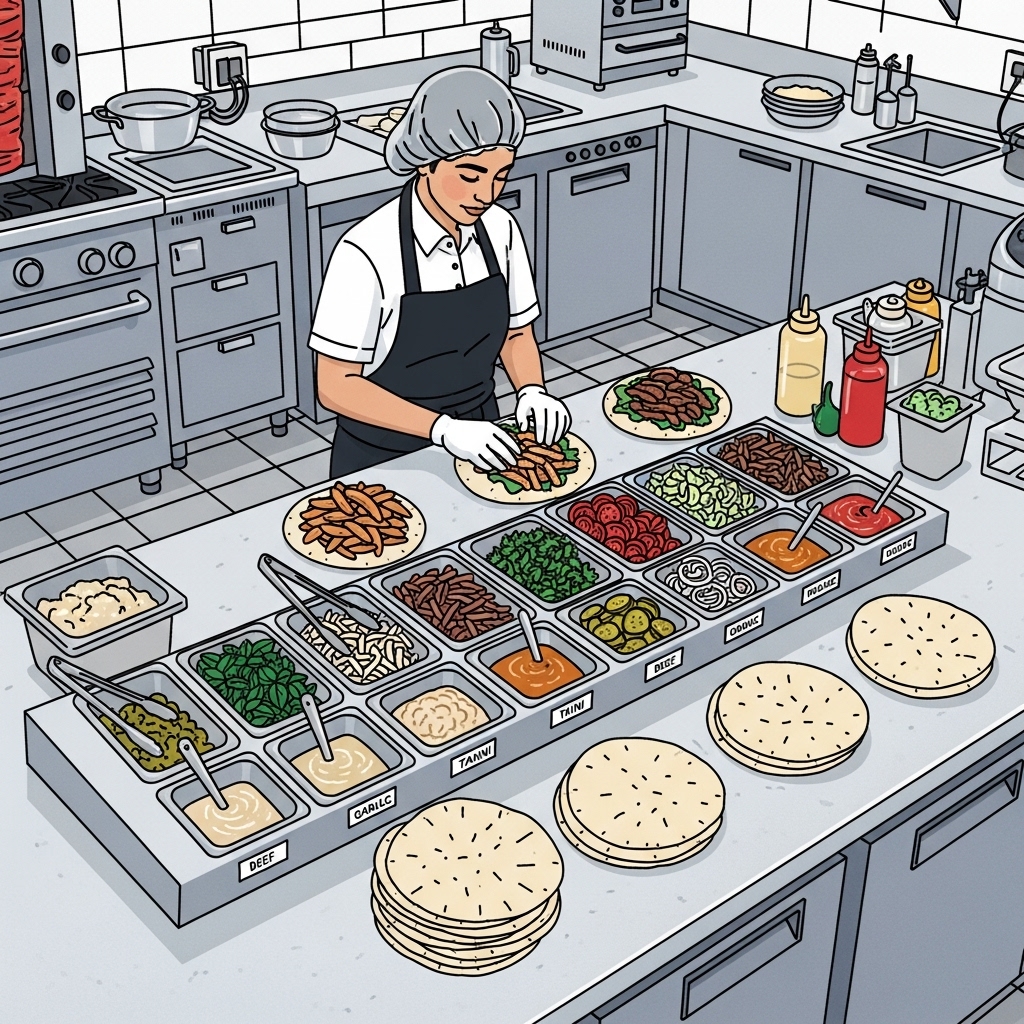
Back of house, the logistics matter as much as the spices. Halal proteins should arrive labeled and remain identifiable throughout storage. Prep stations need clear boundaries, and tools should either be dedicated or sanitized with intention. I’ve seen Naperville kitchens create a simple flow that starts with receiving and ends at the service counter, with checkpoints at each step to protect both the halal promise and consistent flavor. This kind of structure is the quiet hero behind great service; it keeps the team aligned and the food dependable.
Training is another signal. New staff should understand not just the how, but the why: why a separate cutting board matters, why cleaning protocols are non-negotiable, and why clear communication with guests builds trust. A well-trained team can answer questions plainly and warmly, which turns a technical topic into a welcoming conversation.
Ordering With Ease: Downtown, Ogden, and Beyond
Downtown Naperville brings the bustle, and Ogden Avenue brings the everyday convenience. At either location type, I recommend asking two or three focused questions if halal options are a priority: confirmed halal sourcing, separation practices, and whether any menu items share a fryer or grill space with non-halal foods. You’re not auditing; you’re partnering with the staff to ensure your meal aligns with your needs. The tone of the response often tells you as much as the content. Clear, confident answers correlate strongly with consistent, high-quality plates.
Packaging for takeout is worth noting too. Halal-conscious restaurants will package sauces and proteins to preserve texture and integrity. If you’re driving home from downtown or along 75th Street, smart packing helps the bread stay warm and the crisp edges survive the ride. That attention to detail is part of the same mindset that respects halal requirements.
Community and Hospitality
Halal-friendly dining in Naperville sits within a larger spirit of hospitality. Families gathering after Friday prayers, students meeting up between classes, and neighbors catching up on a weeknight all support a vibrant, respectful food culture. Restaurants that take halal seriously are usually the same ones that greet you with a smile, remember your usual sauce, and keep the line moving without rushing you. It’s a full picture of care.
As a local, I’ve learned that the places that win hearts are the ones that blend warmth and clarity. They celebrate flavor, they maintain standards, and they treat every question as an invitation to earn trust. That’s what turns a first visit into a regular habit, and it’s why Naperville’s shawarma scene keeps getting better.
FAQ
Q: How can I confirm a restaurant’s halal status?
A: Ask about supplier certifications and how the kitchen separates halal and non-halal items. Many teams can provide documentation or a clear explanation of their process. Trust is built on transparency and consistency.
Q: Are all sauces and sides automatically halal if the meat is halal?
A: Not necessarily. It’s smart to ask how sauces are prepared and whether any ingredients or equipment might introduce cross-contact. Thoughtful kitchens take a whole-plate approach.
Q: What about shared grills or fryers?
A: Clarify whether proteins share cooking surfaces with non-halal items. Some restaurants maintain separate equipment or careful scheduling to protect separation. Staff should be able to explain their method confidently.
Q: Will asking for halal accommodations slow down service?
A: In well-organized kitchens, it shouldn’t. Clear systems allow teams to meet requests smoothly. If anything, your questions help the staff serve you better.
Q: Can halal requirements affect flavor choices?
A: They shouldn’t. Halal is a standard of sourcing and handling. Flavor depends on spices, technique, and attention. Many of the best plates in Naperville are both halal and deeply satisfying.
Your Next Halal-Friendly Meal
Naperville’s best shawarma experiences happen where care and flavor meet. If you’re looking for halal options that don’t compromise on taste, ask a few focused questions and trust your senses—the aroma, the warmth, the balanced seasoning. For ideas on how proteins, sauces, and sides can come together, preview a well-organized shawarma menu, then step into a local spot with confidence. Dinner in this town is a conversation between tradition and welcome, and your plate can speak both languages beautifully.