
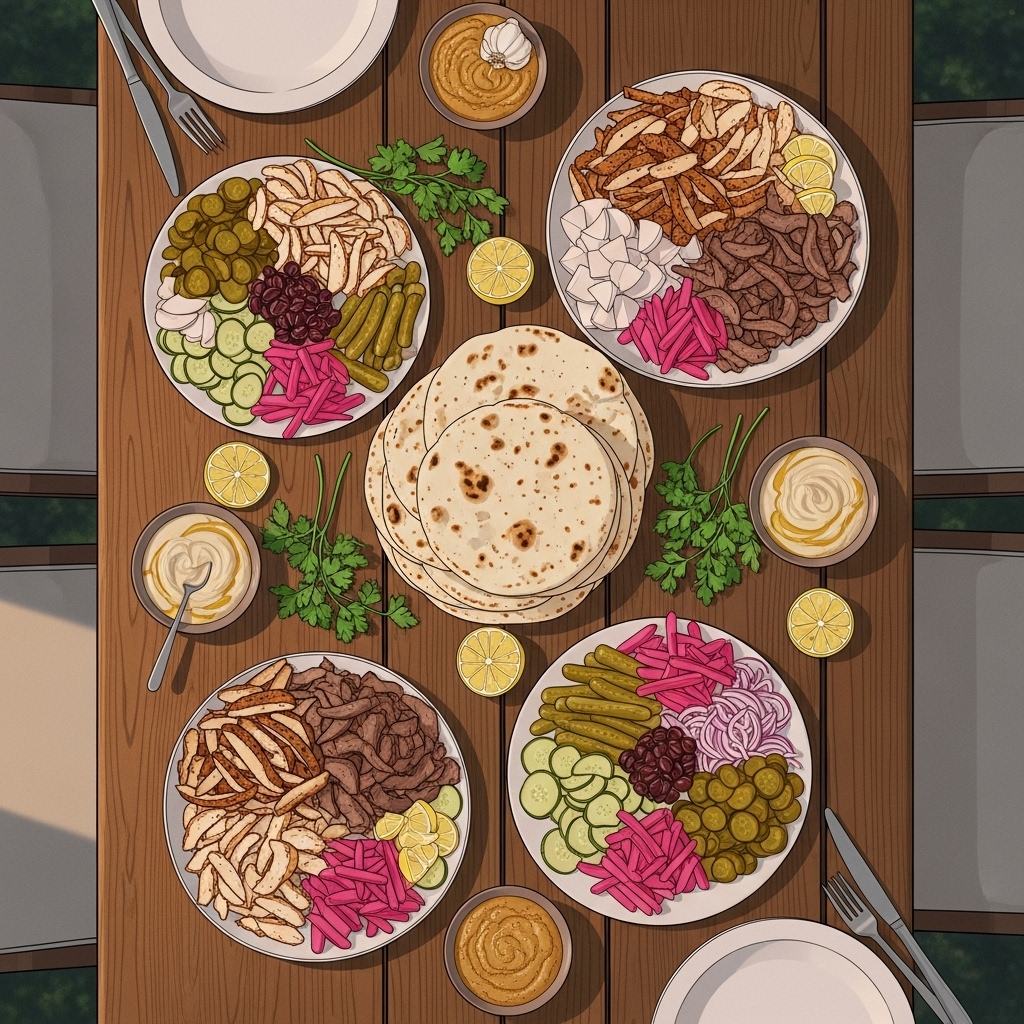
In Naperville, food often serves as a compass that points to where we have come from and where we are headed next. Shawarma, with its spiraling ribbons of marinated meat and the fragrant swirl of garlic, cumin, and lemon, has become one of those compass points. You see it everywhere: an easy lunch before a movie downtown, a casual dinner after youth sports, or a shared platter during a weekend gathering. The appeal is immediate, but the significance goes deeper. Shawarma bridges traditions and tastes, it invites conversation, and it reflects the city’s blend of energy and comfort. If you want a snapshot of how Naperville eats—busy yet discerning, open to new flavors yet rooted in community—spend a moment with the local shawarma menu and you will recognize that balance.
One reason shawarma matters in our culinary landscape is the way it rewards attention to craft. The marinade is not a shortcut; it is where the story begins. Citrus brightens, garlic grounds, and spices add measured warmth. As the meat roasts vertically, it baste-caramelizes, creating that sought-after contrast between crisp edges and tender interior. This technique, handed down and honed over time, syncs naturally with Naperville’s appreciation for consistent quality. We have coffee shops that dial in their roasts and bakeries that fold butter with patience; shawarma belongs to that same ethos of care.
Shawarma also maps well onto the city’s daily rhythms. During the workweek, it can be a clean, quick meal that tastes like something you waited for, even if it was ready fast. On weekends, it becomes communal. Families arrange spreads with pickles, tomatoes, cucumbers, and herbs, then debate the perfect sauce-to-bite ratio. Friends compare the citrus pop of a lemony tahini to the comfort of a garlicky yogurt sauce. Dining becomes interactive in a way that sparks small joys and conversations, the kind that stay with you longer than the meal itself.
A Dish That Honors Heritage While Welcoming Newcomers
Naperville’s story is one of welcoming. Shawarma speaks that language fluently. It carries the culinary memory of the Eastern Mediterranean into our Midwestern kitchens and tables, offering a flavorful meeting place for people who grew up with it and those tasting it for the first time. That meeting point creates a gentle education in spice and texture—from the lift of pickled turnips to the earthiness of cumin—and it opens the door to appreciating the region’s broader foodways, from mezze to soups and stews that share similar flavor foundations.
It is no accident that shawarma has found a comfortable home here alongside pizza, tacos, noodles, and burgers. The best food cities make room for dishes that feel both distinctive and familiar. With shawarma, the format is friendly—wraps, bowls, plates—and the flavors are bold but welcoming. You can keep it simple with chicken, tomato, pickle, and garlic, or you can explore deeper layers with herbs, tahini, and spicy accents. This range invites repeat visits and ongoing discovery, which in turn weaves shawarma into the weekly rotation of many Naperville households.
Flavor as a Shared Language
Part of shawarma’s culinary importance is the way it encourages us to talk about flavor. You start noticing how acidity wakes up a dish, how garlic can be warm rather than sharp when balanced, and how spices create depth without relying on heat alone. That kind of noticing enriches all your cooking and dining. It makes you a more curious eater, and that curiosity often spills into other corners of life: a willingness to try a new bakery down the street, to order the seasonal special at your favorite spot, or to teach a friend what you’ve learned about the gentle sweetness of paprika after it meets heat.
Shawarma also plays well with local produce. In late summer, Naperville tomatoes are so vivid that a single slice can reshape a wrap. In cooler months, crisp pickles offer contrast, and fresh herbs keep the palate alert. The dish’s architecture—protein, vegetables, sauce, and base—becomes a canvas where the season can show off. It is easy to see why cooks love it: the structure is reliable, yet it leaves room for creativity, which is the sweet spot where good cooking thrives.
From Lunch Breaks to Celebrations
Naperville’s calendar swings from packed weekdays to festive weekends, and shawarma fits both. Office workers appreciate that it tastes like a treat but fuels the rest of the afternoon without a crash. Teen athletes gravitate toward the protein and the fun of customizing. Families planning a casual celebration can build a spread that accommodates different preferences with ease—gluten-free plates, extra herbs for the green lovers, mild sauces for the kids, and spicy add-ons for those who want a tingle. This adaptability has culinary weight: a dish that can be many things without losing its identity becomes a local mainstay.
There is also comfort in how shawarma builds tradition. The wrap you eat after a high school game, the bowl you share by the Riverwalk on a Saturday, the platter that anchors a birthday evening—these become markers in memory. Food traditions are culture in motion, and shawarma’s presence at these moments grows its importance from simple taste to shared meaning.
Technique, Texture, and the Pleasure of Contrast
Ask any cook and you will hear the same refrain: texture is as crucial as flavor. Shawarma succeeds because it orchestrates contrast. The crisp, caramelized edges of the meat meet fresh vegetables and the coolness of sauce. Warm bread plays against bright pickles. Each bite tells a small story with a beginning (aroma), middle (spice and savor), and end (citrus, herb, and cool relief). That narrative structure is satisfying on a level that goes beyond hunger; it feels complete, which is why a good shawarma can anchor a meal without extras.
Moreover, the technique invites consistency. The vertical rotisserie provides even heat and continuous basting. As the meat turns, the marinade gets a second life, glazing each new layer that meets the heat. This consistency translates to trust: you return to a place that knows how to do it right, and the reliability becomes part of the pleasure.
Midway through any busy week, many of us take a few minutes to plan dinner. A small ritual forms: check what sounds good, consider the day’s appetite, and decide how to build the plate. Pausing to scan the local options—maybe glancing at the menu to weigh chicken versus beef or a vegetarian alternative—can turn an ordinary evening into something you look forward to. That anticipation is its own spice, and it is one reason shawarma has such a hold on the city’s palate.
A Community Table
Food connects neighbors who might not otherwise cross paths. Shawarma’s familiarity and flexibility help it play matchmaker. A casual office lunch where someone introduces a colleague to pickled turnips becomes a friendly memory. A parent recommending a mild, garlicky sauce to another family at a school event solves a small problem and starts a conversation. These seemingly tiny exchanges build a living food culture, and shawarma has become one of its reliable hosts.
There is also something to be said for aroma as public art. When that unmistakable scent drifts down a Naperville block, it sets a mood. Smell triggers memory with unusual power, and here it draws a line between past meals and the one you are about to enjoy. In this way, shawarma contributes to the city’s sensory identity as plainly as the clap of shoes on the Riverwalk or the rustle of fall leaves.
Frequently Asked Questions
Q: Why has shawarma become so popular in Naperville?
A: Because it pairs craft and convenience. The dish honors a traditional technique while offering fast, customizable meals that fit busy lives. Bold but approachable flavors make it a natural addition to the city’s diverse dining habits.
Q: What makes a great shawarma stand out?
A: Balanced marinade, proper roasting on the vertical spit, and thoughtful assembly. Crisp-edged meat, fresh vegetables, and sauces that complement rather than mask the core flavors all point to a skilled hand in the kitchen.
Q: Is shawarma family-friendly?
A: Very much so. Kids often enjoy the mild versions, and adults can scale heat and acidity to taste. Bowls, plates, and wraps accommodate different preferences easily, which makes family ordering simple.
Q: How does shawarma reflect Naperville’s culinary identity?
A: It mirrors our blend of curiosity and comfort. Shawarma invites exploration without being intimidating, and it elevates everyday meals with technique and heritage, much like other beloved local foods that value care and consistency.
Q: Can I keep it light without losing flavor?
A: Yes. Emphasize herbs, pickles, and tomatoes; choose lean proteins or plant-based options; and use yogurt or tahini sauces for satisfying richness. The result stays vibrant and balanced.
Join the Flavor Conversation
If you have not yet made shawarma a weekly ritual, consider this your nudge. Treat yourself to an aromatic wrap for lunch, build a colorful bowl for dinner, or share a platter with friends and see how the conversation unfolds. When you are ready to choose your favorites, start with the local shawarma menu and let the city’s welcoming spirit meet you at the table.