If you wander through Naperville on a sunny afternoon, you will inevitably find yourself craving something bright, fresh, and grounding after a stroll along the river or a chat with neighbors outside a favorite café. For many of us who cook and eat locally, that craving leads to a generous bowl of Taboili, the parsley-forward salad that so many families here consider a staple at backyard gatherings, graduation picnics, and late-summer patio dinners. Some people spell it Taboili, others say tabbouleh, but around Naperville it means the same thing: a vibrant combination of herbs, tomatoes, lemon, and bulgur that tastes like a love letter to sun and soil. Whether you are new to making it or have a timeworn family method, there is something grounding about returning to this simple, lively salad and dialing in the balance until it sings.
Authenticity, for me, does not mean chasing a museum-perfect recipe under glass; it means respecting the dish’s spirit while allowing for the rhythms of our town, our markets, and our seasons. When I introduce friends to Taboili, I start with a sense memory: the fragrance that rises as you finely chop parsley, the way lemon wakes everything up, and the soft chew of bulgur that never overshadows the herbs. Inspiration can come from anywhere—your grandmother’s notes, a conversation with a grocer, even a quick look at a Mediterranean restaurant’s menu to remind yourself how these flavors love to keep company with grilled meats, garlicky dips, and warm pitas. But in the kitchen here in Naperville, the most authentic path is the one that leaves you with a bowl you cannot stop tasting while it rests on the counter.
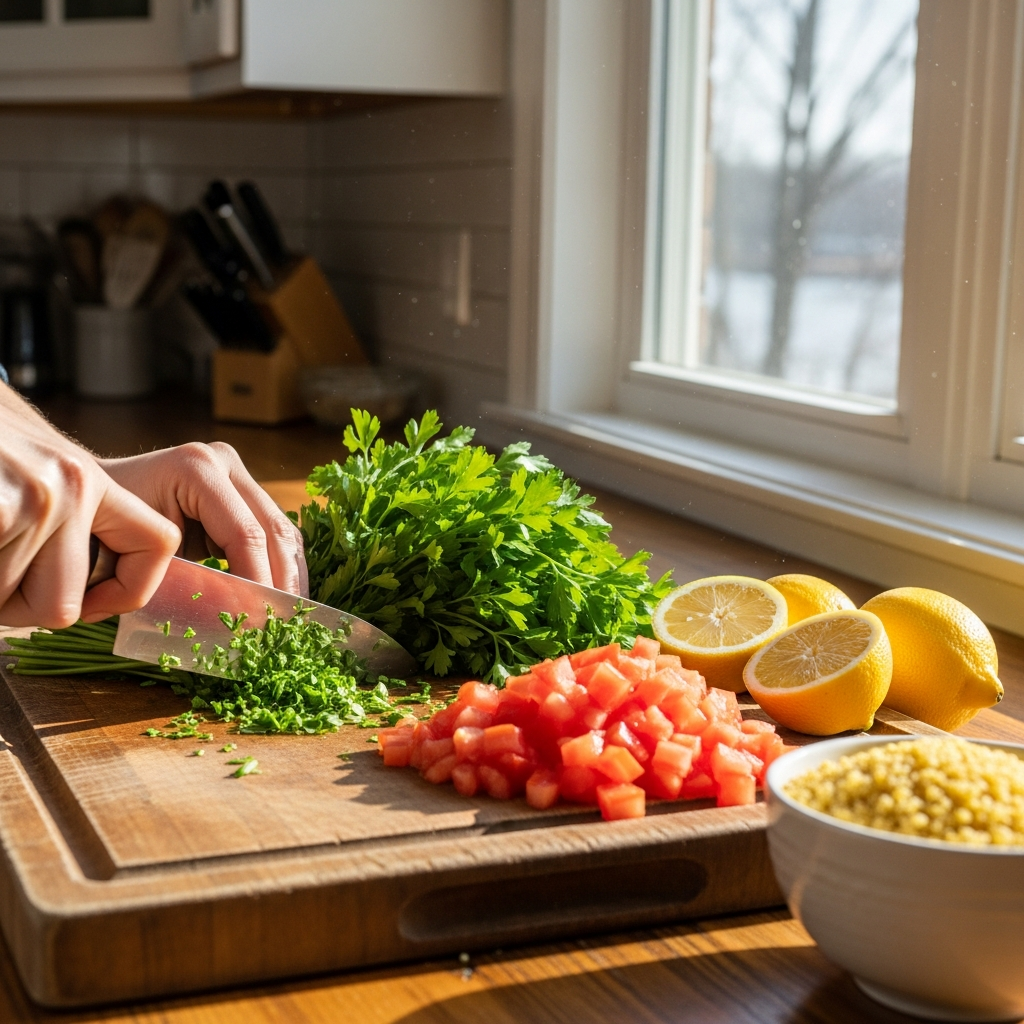
At the heart of a Naperville-loved Taboili is parsley, and lots of it. The leaves should be dry and lively, not limp or waterlogged. I like to spread rinsed parsley on a clean towel and give it time to air-dry while I tend to everything else, because moisture is often the quiet culprit behind a limp salad. Choose flat-leaf for a more robust herbal profile, or mix in a little curly if you enjoy that springy texture that catches a kiss of dressing in every crinkle. Either way, the key is to chop bravely fine, not bruising the leaves but persuading them into tiny pieces that release aroma in every bite.
Gathering Your Ingredients With a Local Eye
When people ask where to start, I point them toward the produce that looks happiest that day. In Naperville, that might mean tomatoes picked at peak ripeness with glossy skins and a fragrance that whispers of warm afternoons. Look for firm cucumbers that feel heavy for their size and resist your thumb, scallions with perky greens, and mint that smells like a cool breeze. For bulgur, medium or fine grain works beautifully; it hydrates quickly and disappears into the chew of the salad, creating substance without distraction. A peppery, fresh olive oil and a bright, genuine lemon round things out. Salt, of course, but gently. If you grew up with a pinch of cinnamon, allspice, or a touch of black pepper, trust those memories.
The Soul of the Recipe: Parsley First, Everything Else Second
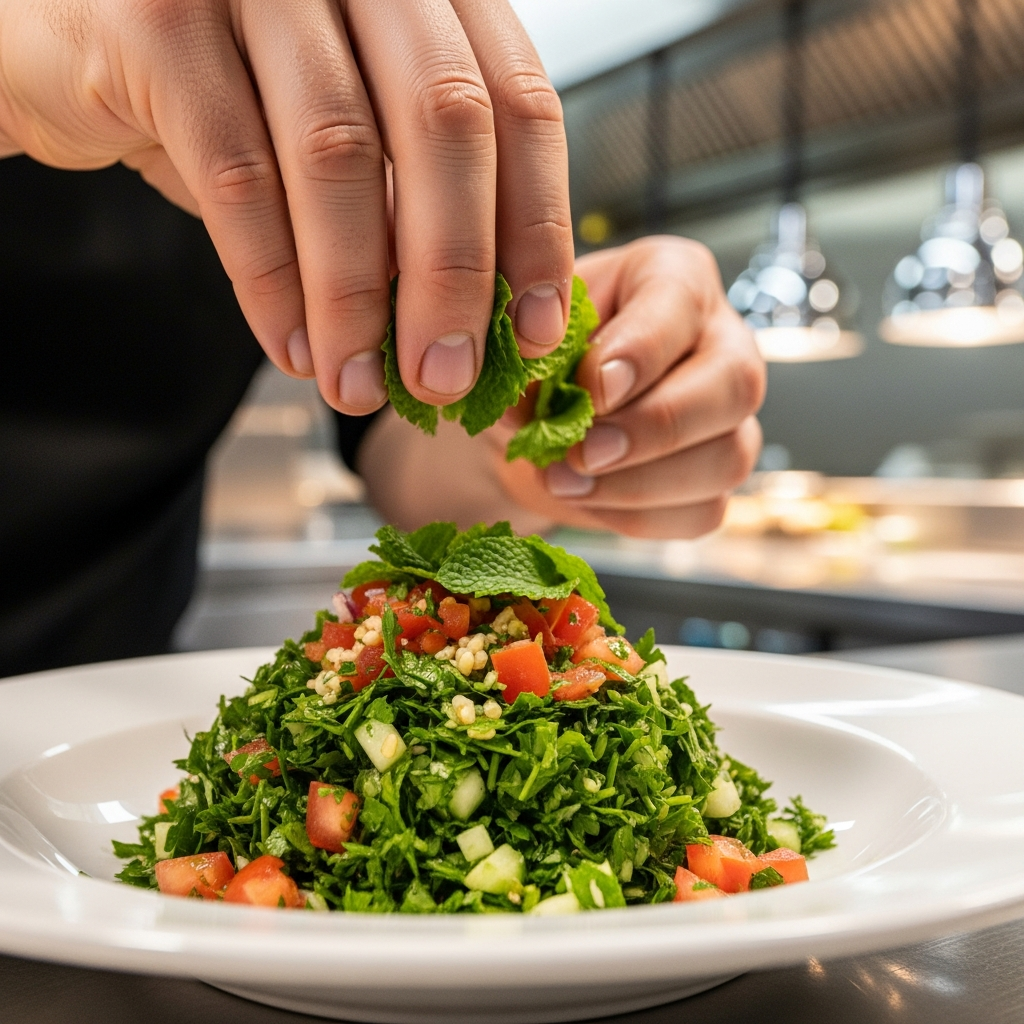
When we say authentic, we are really saying herb-led. Taboili should taste like a green meadow first and foremost. Tomatoes are supporting actors, not stars. You can tell you are on the right path when your bowl looks like a confetti of green with small ruby flecks and pale golden specks, not a tomato salad garnished with parsley. This is where knife work matters. Take your time. There is something meditative in the sound of the blade tapping through a mound of leaves, and in Naperville kitchens that rhythm is often the soundtrack to good conversation. The finer you go, the more the parsley behaves like a tender green rather than a rough herb.
Bulgur: Soaked, Not Soggy
The bulgur’s role is to cradle the juices and provide a gentle chew. I prefer to rinse and briefly soak fine bulgur in lemon juice and a spoon or two of water, just until it softens and yields without turning mushy. Some cooks pour hot water over it; others rely entirely on the salad’s own moisture. What matters is restraint. Bulgur that swells too much will bloat the salad and mute the herbs. You want a texture that notices you back but does not demand attention. When in doubt, err on the side of a little drier; the tomatoes and lemon will finish the job.
The Lemon and Olive Oil Equation
Think of lemon juice as the light in a Naperville summer sky and olive oil as the warmth underfoot. You need both in balance. I squeeze lemons right before mixing so the brightness is at its peak, and I whisk the juice with oil in a small bowl with a measured pinch of salt so I can taste the dressing on its own. If it makes you smile, it is ready. The moment you pour it over the herbs, hold back a little and toss gently, then taste and adjust. Authenticity lives in that tasting step—in the way you sense the right amount of spark and silk for the parsley in your bowl that day.
Tomatoes, Cucumbers, and Scallions
Chop tomatoes small, catching their juices and letting that liquid find the bulgur. If the tomatoes are especially juicy, you can briefly seed them, but often I keep everything in there and let the salad drink it up. Cucumbers should be crisp, seeds scooped if they are large and watery, cut into tiny cubes that mirror the tomato pieces. Scallions bring a delicate onion whisper without taking over. A few tender mint leaves, sliced very thin, can amplify the freshness without steering the salad toward mint tea territory. If mint is assertive that day, use a little less. This is a conversation with your ingredients, not a monologue.
Seasoning With a Gentle Hand
Salt should be present but never shouty. I like to season in stages: a pinch with the parsley as I chop, a bit with the tomatoes as they meet the bulgur, and then a final check after the dressing. If you enjoy a faint warmth, a touch of black pepper or allspice can be lovely, but keep it subtle. Remember, authentic Taboili attends to nuance. Here in Naperville, where we often pair the salad with grilled chicken, roasted vegetables, or a crunchy falafel, that balance means you can keep adding spoonfuls to your plate without tiring of the flavor.
Serving in the Naperville Style
There is a beautiful informality to how Taboili hits the table in our town. I have seen it nestled next to warm pitas, offered as a bright top note to smoky eggplant dips, or spooned over chilled romaine leaves as a cool counterpoint to weekend barbecues. When I am thinking about what to serve alongside, I sometimes glance at a Mediterranean menu for pairing cues—grilled skewers, lemony potatoes, a garlicky spread—then mark my own path with whatever is seasonal and local. The salad welcomes improvisation around it, which is perhaps why it has become a Naperville favorite for neighborhood gatherings and park picnics.
Letting It Rest, Then Waking It Back Up
After you toss, give the bowl a rest in the refrigerator. Twenty to thirty minutes lets the bulgur fully hydrate and the lemon mingle with the herbs. Before serving, taste again. Often, a gentle squeeze of lemon and a thimble splash of oil reawaken the flavors. If it seems flat, it likely needs acid; if it tastes sharp, a whisper of oil and a pinch of salt round things out. That final taste, seasoned by your instincts, is the moment you become part of the recipe’s lineage.
Make-Ahead and Leftovers
If you are planning ahead for a Naperville potluck, you can chop the parsley and scallions in the morning, salt the tomatoes lightly to calm their juices, and keep everything chilled separately. Toss it together an hour before guests arrive. Leftovers are a gift; the salad will deepen by the next day, though the herbs will soften. I enjoy piling it into a wrap with roasted vegetables or spooning it on the side of a frittata for a fresh, lemony echo.
Keeping the Spirit of Authenticity
What locals love is the sense that Taboili tastes handmade. You can feel the quiet labor in every bite of finely chopped parsley. You taste the day’s sunshine in the tomatoes and the balance in a cook’s cautious hand with the salt. Authenticity blooms when you give attention to the small things and let the big picture—green, bright, buoyant—fall into place. That is why the salad finds its way to so many tables across the city, from quiet weekday lunches to the long tables of family celebrations.
FAQ: Why does my Taboili turn watery?
Usually the parsley was not fully dry or the tomatoes were overly juicy without a plan for their liquid. Pat the parsley dry after rinsing and consider seeding very watery tomatoes. Allow the bulgur to drink some of the juices so the salad balances itself rather than pooling at the bottom of the bowl.
FAQ: How fine should I chop the parsley?
Finer than you think, but without bruising. You want tiny, airy pieces that release aroma and feel tender, not rough. Keep your knife sharp, gather the parsley in tight piles, and chop with a gentle rocking motion. When you run a pinch between your fingers and it feels soft and even, you are there.
FAQ: Can I make it gluten-free?
Yes. You can substitute fine, pre-rinsed quinoa or even a small amount of finely riced cauliflower. The key remains the same: keep the herbs in charge. Taste your dressing carefully and add the grains or grain alternative gradually so you protect the salad’s buoyant texture.
FAQ: Should mint be prominent?
Mint is a garnish note rather than a headline. A few tender leaves cut into thin ribbons can brighten the salad without overtaking the parsley. If your mint is especially bold, use less. You should smell it as you lean in, not taste it as the main event.
FAQ: How long should the salad rest?
Twenty to thirty minutes is a good window, but follow your textures. If the bulgur was very dry, it may need a little more time; if your tomatoes were juicy, taste sooner. The right moment is when the parsley remains lively but the flavors have married and the bulgur is just tender.
If this has you picturing a heaping bowl on your Naperville table tonight, take the leap. Pick up bright herbs, squeeze your lemons, and trust your senses. When you are planning the rest of the spread, a quick look at a Mediterranean menu can spark pairing ideas, but the most important step is simply starting. Chop, taste, and adjust, and you will discover why this humble, herb-driven salad has become one of the most beloved dishes in our town.