Ask a handful of Naperville locals where to find the best Taboili salad and you’ll get animated answers, each with its own origin story: a downtown lunch that brightened a gray afternoon, a late-night takeout that surprised everyone at a house gathering, or a casual weekend meal that tasted like a burst of summer. What we’re really chasing is a profile—parsley-forward, lemon-lifted, lightly dressed, and as crisp at the last bite as it is at the first. Over time, after plenty of tastings around town and many bowls made at home, I’ve learned what separates a good Taboili from a great one. If you’re mapping out your next Naperville meal, it helps to know what to look for and how to pair it so the salad shines. And when you’re thinking about complements, a quick glance at a favorite spot’s Mediterranean menu can spark ideas for the supporting cast you’ll want at your table.
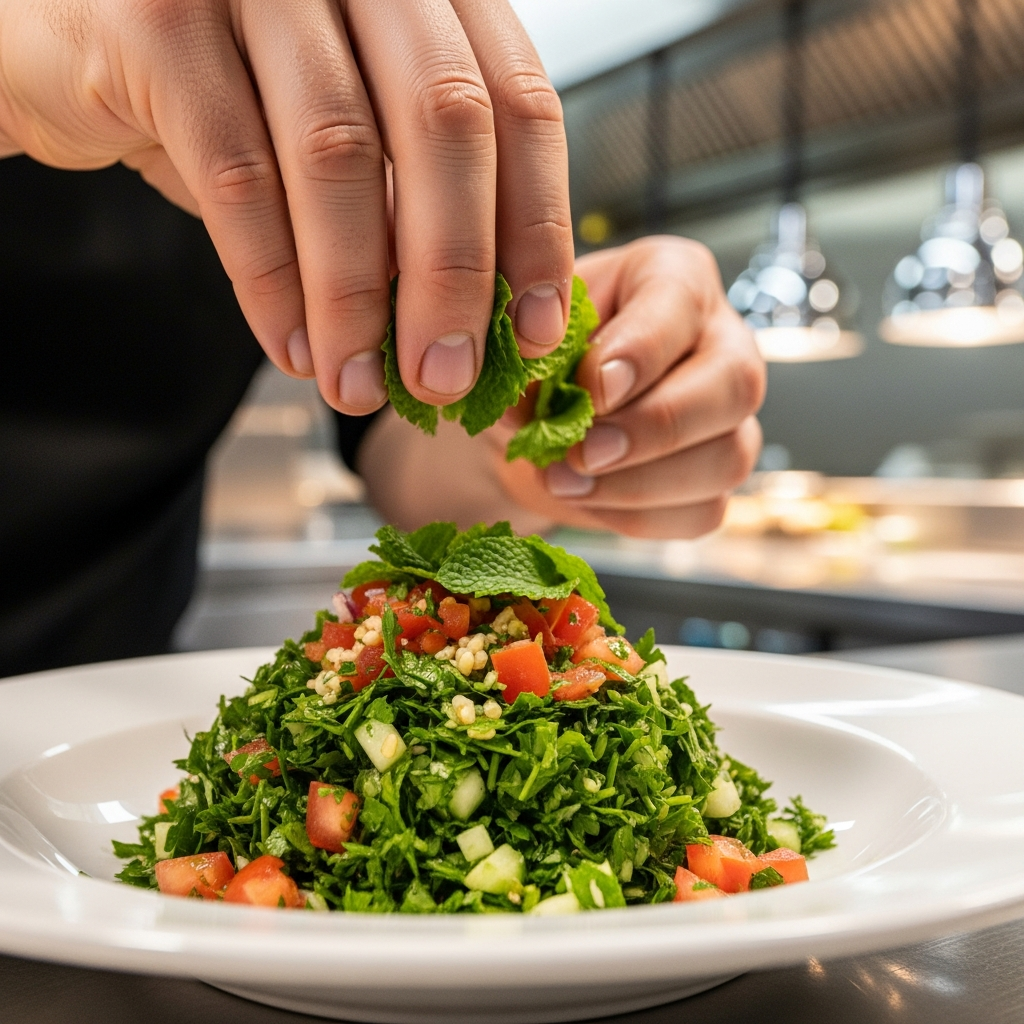
Let’s start with the herb factor. In a truly standout Taboili, parsley isn’t a garnish—it’s the main event. The leaves are chopped fine, not ragged, and they’re dry enough to bounce under the fork. You can taste lemon brightening the herbs without overwhelming them, and the olive oil is present but not heavy. Mint appears like a cool breeze, not a gust, and scallions thread through with a gentle lift. If the bowl looks glossy rather than oily and the greens hold their lift, you’re on the right track.
Texture, Temperature, and Timing
Great Taboili has a texture you notice immediately. The herbs are feathery, the tomatoes firm and sweet, and the cucumber (if included) crisp and tidy. Bulgur should be fine and used with restraint, adding a soft grain note without bulk. When I’m evaluating a salad at a Naperville eatery, I pay attention to temperature: served cool but not icy, which lets lemon and olive oil express themselves. Timing matters, too. A salad dressed to order will almost always keep its lift longer than one that’s been sitting dressed for hours.
There’s a telltale sign of balance: the first forkful makes you want a second. If you find yourself reaching for extra lemon or oil just to wake the salad up, it may have been built with ingredients that weren’t at their best or that were cut too far in advance. The best versions feel freshly composed, even in a busy lunch rush.
What to Pair with Taboili Around Town
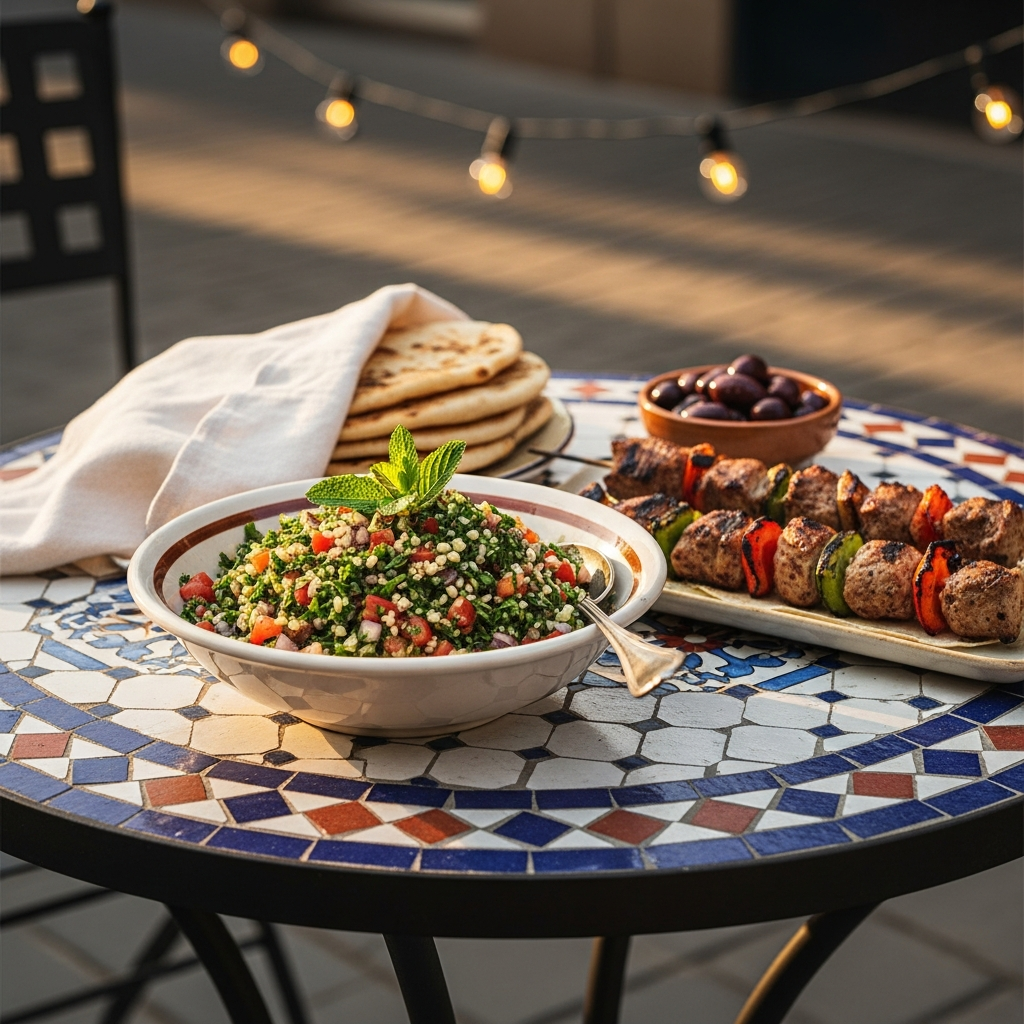
The right pairing sets the stage for the salad to shine. Warm breads offer a soft counterpoint to the crisp herbs. Grilled or roasted meats make sense when you want a heartier plate; a shawarma-style protein, for instance, provides warmth and savor to play against the citrus. Creamy elements—yogurt-based sauces or a swipe of hummus—turn the bite into something fully rounded. If you’re planning a pickup order for a family meal, peeking at a local shawarma menu can help you choose textures that meet in the middle: crisp, creamy, warm, and bright.
At home, I like to give Taboili the center of the plate and build satellites around it: a small bowl of olives, a dish of pickled vegetables, and warm flatbreads wrapped in a towel to stay soft. This layout mirrors what many of us enjoy at our favorite Naperville spots and gives everyone a way to compose their own perfect bite.
How to Recognize Quality at a Glance
When a Taboili arrives at the table, take a second to look. Are the herbs vivid and finely chopped? Are the tomatoes cut small and tidy? Does the salad appear lightly dressed, with a gentle sheen rather than a puddle of oil at the bottom? These visual cues usually align with flavor. I also lift a forkful to catch the aroma—if lemon and fresh herbs greet you, you’re likely in for a good experience. If the scent leans dull or oily, that can signal a heavy hand with dressing or herbs that weren’t at peak.
Then there’s the first bite test. Parsley should taste clean and green, mint should cool the finish, and the lemon should pop without puckering. A well-made Taboili has a cadence: bright, cool, savory, then back to bright again. If you notice grain outweighing greens, or if the cucumbers seem watery, the salad might have been held too long or built with the wrong ratios.
Seasonality and Local Expectations
In Naperville, we understand seasonality. When tomatoes are at their peak, the best Taboili respects that sweetness with just the right amount of lemon. In colder months, a thoughtful kitchen will often adjust by using firmer tomatoes, seeding them carefully, and seasoning with a touch more acidity to keep the profile lively. Olive oil choices matter year-round; fresher-tasting oils will always lift the dish. A kitchen that pays attention to these shifting variables usually delivers a better bowl consistently.
On especially warm days, I appreciate when the salad arrives cool and perky rather than weighed down. It’s a small sign that the kitchen treats herbs with the care they deserve—storing them well and dressing close to service. Those details add up to the kind of experience people remember and recommend.
Takeout and Travel Tips
Many of us bring Taboili home for family dinners. If you’re ordering takeout, ask for the salad to be dressed lightly or with lemon and oil on the side when that’s an option. This preserves texture during the drive. On longer routes across town, keep the bag out of direct sun and aim to plate the salad soon after you arrive. If you find the dressing has settled, a quick toss at home restores the lift. Leftovers, if you’re lucky enough to have them, perk up with a small squeeze of lemon the next day.
For picnics near the Riverwalk, Taboili holds up well if you keep it shaded and cool. Bring a wide, shallow container and a serving spoon so you can fluff the herbs gently before serving. The goal is always to protect that light, buoyant texture.
What Makes a Memorable Bite
Some bowls stick with you. Maybe it’s the precise chop that turns parsley into a feathery pile, or the lemon that hits your senses right as the olive oil rounds the edges. Perhaps the kitchen seeded the tomatoes carefully, preventing extra moisture, or used a mint that was tender and aromatic. These are the quiet decisions that add up. In Naperville, where we have both bustling restaurants and skilled home cooks, you tend to notice when a place cares about these details because the salad tastes alive.
When you find a version you love, pay attention to the pairings it comes with. Did warm bread make it better? Was there a creamy sauce on the table? These cues help you recreate the experience at home for guests. And when you’re planning a dinner that leans Mediterranean, scanning a trusted spot’s menu can inspire the cast of sides that let Taboili glow at the center.
From Dine-In to Home Kitchen
One of the pleasures of eating around Naperville is translating restaurant experiences into home rituals. After tasting a particularly good Taboili—parsley buoyant, lemon singing, oil graceful—I’ll often go home and make a bowl the next night, seeing if I can capture the same balance. The truth is, with fresh herbs, a sharp knife, and a gentle hand, you can come impressively close. You might even prefer yours, tailored to how much lemon you love or how feathery you like the chop.
When hosting, I let the salad arrive early on the table. It sets a tone of brightness and generosity, encouraging guests to take a spoonful, taste, and talk. In a city that loves gatherings, that counts for a lot.
FAQ
What should I look for when choosing a great Taboili? Finely chopped, vibrant herbs, tidy tomatoes, a light gloss of dressing, and a balanced lemon note. The salad should feel buoyant rather than heavy.
Is cucumber necessary? It’s optional. Many bowls include it for cool crunch, but the core identity is parsley, mint, scallions, tomato, lemon, and olive oil with a touch of fine bulgur.
How can I keep takeout Taboili crisp? Ask for light dressing or dressing on the side, keep the salad cool on the way home, and fluff with a fork just before serving.
What should Taboili pair with for a complete meal? Warm breads, a savory protein, and a creamy or tangy element create balance. Think shawarma-style meats, hummus, and pickled vegetables.
How do restaurants maintain consistency? Attention to detail: careful chopping, proper herb storage, dressing close to service, and adjustments for seasonality.
Bright Bites Are Close to Home
If you’re craving a bowl that tastes like sunshine in herb form, you don’t have to look far in Naperville—or your own kitchen. Find a version that honors parsley and lemon, pay attention to pairings, and let that brightness lead your meal. For ideas as you plan a Mediterranean-leaning spread, a peek at a local favorite’s menu can guide the supporting cast. Then gather your people, set out the salad, and enjoy the kind of meal that feels both fresh and familiar.