
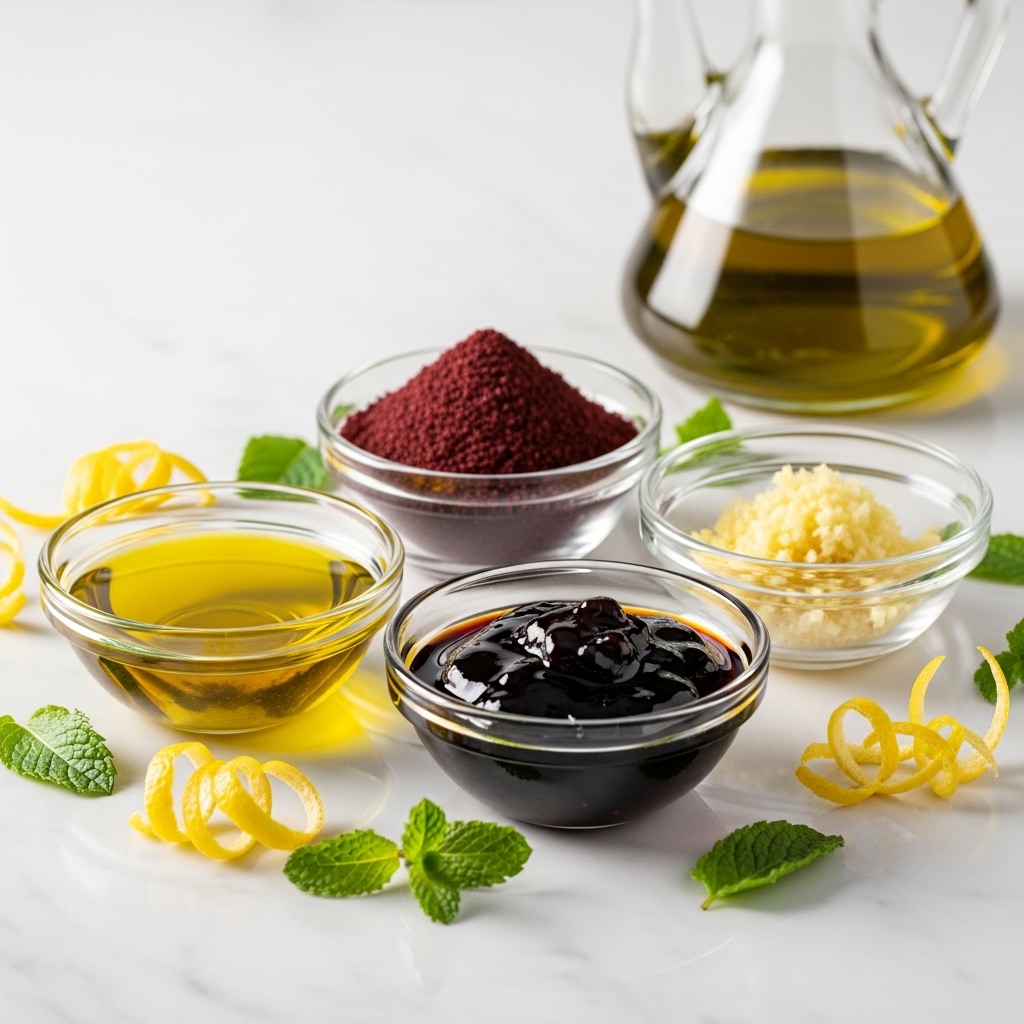
In a town that loves fresh, lively food as much as Naperville does, the dressing on your Taboili can turn a good bowl into something that stops the table conversation for a second and makes everyone smile. Classic Taboili is simple—lemon, extra-virgin olive oil, salt, and sometimes the faintest brush of garlic—but within that simplicity lies room for nuance. The trick is to protect the salad’s identity: parsley-led, mint-lifted, and buoyed by a small amount of bulgur. When you adjust the dressing, you’re not piling on flavors; you’re fine-tuning the equilibrium. If you’re imagining a full Mediterranean spread and want ideas for pairings, a quick look at a local menu can help you think through complementary textures and tastes.
Let’s start with the classic. A freshly squeezed lemon provides a crisp, clean acidity that defines Taboili. Extra-virgin olive oil softens the edges, coaxing the lemon into roundness without dulling its light. A pinch of fine sea salt lifts everything into focus, and a hint of garlic can add warmth if handled carefully. If you grate or mince garlic, bloom it in lemon juice for a few minutes before adding oil; the acid mellows raw heat and leaves aromatic depth. This baseline dressing is so effective that many variations are merely graceful bends in its direction.
One gentle variation adds a whisper of sumac. Ground from a tart, crimson berry, sumac’s flavor rhymes with lemon but is earthier and slightly floral. Stir a small pinch into the lemon before whisking in oil. You’ll notice the acidity becoming multidimensional, like sunlight refracting through leaves along the Riverwalk. Sumac also contributes a delicate color that echoes the tomatoes’ ruby tones without competing for attention.
Another approach highlights the savory side of citrus. By blending a portion of lemon juice with finely grated lemon zest, you retain the oils from the peel, which carry intense fragrance. Use zest sparingly; too much can tilt bitter. When balanced well, zest amplifies the dressing’s brightness with a perfume that lingers. This is particularly satisfying in winter when tomatoes are quieter and the salad needs extra sparkle to sing.
If you prefer a slightly richer profile, consider an olive oil that leans fruity rather than peppery and add the oil slowly, whisking until the dressing looks glossy. The goal isn’t heaviness; it’s silk. A silkier texture helps the dressing cling to finely cut herbs, creating a feeling of abundance without extra volume. It’s the kind of small sensory detail that makes a one-cup portion feel more generous.
For heat-seekers, Aleppo pepper—fruity, with a gentle warmth—offers a rounded glow that echoes the salad’s sunny mood. Sprinkle a pinch into the dressing, never enough to overwhelm. Chili heat should be a background hum, not the melody. If you want more spark, a delicate flicker of red pepper flake can do the job, though it tends to be sharper; use less and taste as you go.
Pomegranate molasses is a beloved accent in many Levantine kitchens, and a drop or two can add a tart-sweet thread that complements lemon. The key is restraint. Too much pushes the salad toward dessert; just enough deepens the tang and adds a subtle sheen. Pair this variation with tomatoes at their peak and mint that’s particularly vibrant. The result tastes like late July in a bowl, sweet air and all.
Garlic presents choice after choice. Raw and grated brings urgency; thinly sliced and soaked in lemon feels fragrant and poised. If you’re serving a crowd with mixed opinions, divide the dressing: a garlicky jar for those who love it, and a gentle jar for those who don’t. Because Taboili is assembled quickly, it’s easy to split at the last moment and keep peace at the table near Naper Settlement or in a backyard off 95th Street.
Salt selection affects the dressing more than many realize. Fine sea salt dissolves evenly, ensuring no surprise crystals. If you love the crunch of a flaky salt, save it for a tiny finishing sprinkle right before serving, not for the dressing. This way, the main flavors stay integrated while a few bites carry a little sparkle that makes people lean in.
Vinegar can step in for a portion of lemon if needed, but tread lightly. A mild white wine vinegar or champagne vinegar adds a round acidity that complements lemon rather than replaces it. In Naperville winters, when lemons can vary in intensity, blending a spoonful of vinegar into the lemon can stabilize the dressing’s brightness from batch to batch.
Herb infusions are another elegant detour. Steep a strip of lemon peel and a few mint stems in the olive oil for thirty minutes, then strain. The oil will carry a quiet, integrated perfume, reducing the need for more garlic or zest. This is ideal for make-ahead dinners: your dressing will taste surprisingly layered with minimal effort at serving time.
For those avoiding wheat who swap quinoa for bulgur, consider a dressing with a slightly stronger lemon note and a drop more oil. Quinoa’s texture is drier than hydrated bulgur and appreciates the extra lubrication. Keep the parsley and mint at full strength so the salad remains firmly in Taboili territory rather than drifting toward a grain pilaf.
Let’s talk texture. A dressing with a higher lemon-to-oil ratio lifts and lightens each bite, emphasizing the herbal crunch. A slightly more generous oil pour creates a satiny bloom that can make the salad feel luxurious. Both can be authentic depending on mood and season. On humid summer days in Naperville, the bright, lean version often tastes best; in colder months, a silkier spoonful can feel like the comfort you were missing.
Consider the role of temperature. Ice-cold dressing dampens aroma, leading many to over-salt or over-oil. Keep your dressing at room temperature or remove it from the fridge ten minutes before assembling so the lemon and oil speak clearly. When flavors present themselves without shouting, restraint becomes easy—and the salad stays unmistakably Taboili.
If you’re designing a larger menu, a quick tour through a Mediterranean menu can help you pair dressing styles with mains. A zest-heavy, high-lemon dressing loves grilled chicken or fish. A sumac-kissed version harmonizes with smoky eggplant. Pomegranate molasses wants peak tomatoes and maybe a soft cheese on the side for contrast. Thinking this way keeps your table coherent and memorable.
Mixing method influences flavor, too. Whisking in a wide bowl introduces air, creating a lighter texture that clings beautifully to chopped herbs. Shaking in a jar yields a tighter emulsion that holds well for picnics. Either works; choose based on context. If you’re packing for a concert at Central Park, a jarred dressing travels without worry and can be refreshed with a quick shake.
Finally, the best variation is the one you’ll make often. Keep lemons on the counter, a reliable olive oil in the pantry, and a small jar for experiments. Taste as you go and write down what you love. Naperville cooks who return to Taboili week after week tend to develop a house dressing—subtly different from their neighbor’s, but equally true to the salad’s spirit. That’s tradition at its most welcoming: precise, flexible, and always delicious.
How much garlic is too much?
Start modestly. A small clove, grated or very finely minced, can be enough for a full bowl. If you soak the garlic in lemon for a few minutes, its edge softens. Add more only after tasting the assembled salad; raw garlic grows louder as it sits.
Is sumac necessary for a great dressing?
No, but a pinch creates a layered, lemon-adjacent tang that many people love. It’s a gentle twist, not a requirement. The classic lemon-and-oil balance remains the foundation of Taboili’s character.
Can I make the dressing ahead?
Absolutely. Whisk lemon, oil, and salt, then store in a jar. If using garlic, consider adding it an hour or two before serving so it doesn’t dominate. Bring the dressing to room temperature and shake or whisk before assembling the salad.
What olive oil should I choose?
Use a fresh-tasting extra-virgin olive oil with a fruity, clean profile. A peppery oil can be lovely in small amounts, but if it steals the show, the salad risks losing its delicate balance. Taste a teaspoon on its own; if it’s pleasant by itself, it will be kind to your herbs.
How do I prevent a watery salad?
Dry herbs thoroughly, seed and drain tomatoes if they run juicy, and let bulgur soak up the dressing before adding the greens. A well-emulsified dressing clings to ingredients and resists pooling at the bottom of the bowl.
What if my lemons are too sharp?
Blend in a few drops of a mild white wine or champagne vinegar for roundness, or add a pinch of sugar to the lemon before whisking in oil. Each approach softens edges without muting the citrus core that defines Taboili.
Ready to dress your best Taboili in Naperville?
Gather your lemons, choose your favorite olive oil, and let the salad’s brightness lead your next meal. For pairing ideas that make your bowl shine on a complete table, check the menu, then invite a friend, set out small plates, and enjoy the glow of a perfectly dressed salad.