
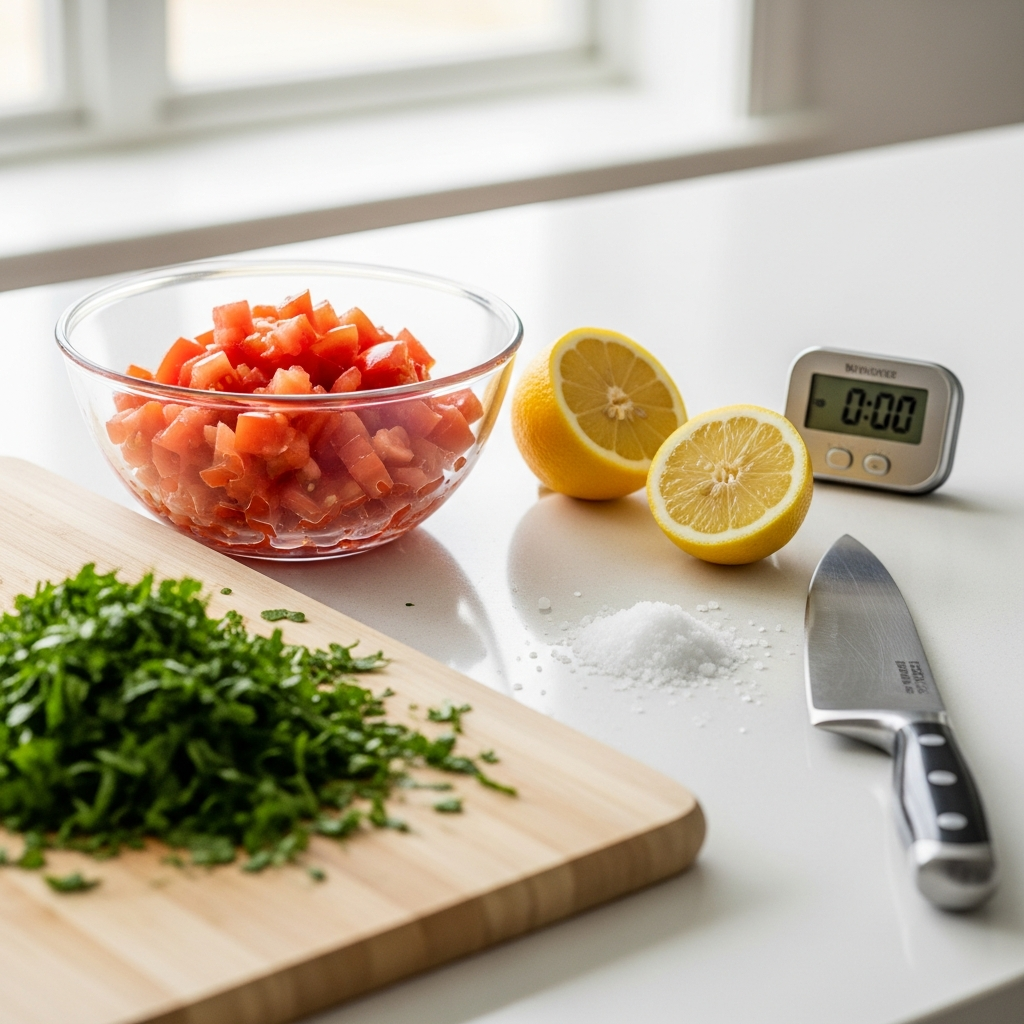
Every Naperville cook who falls in love with Taboili eventually runs into a few bumps: a bowl that turns watery, herbs that look tired, a lemon note that vanishes once everything’s mixed. I’ve been there, making a big batch before a Riverwalk picnic only to realize the tomatoes were so juicy that the dressing went bland. The good news is that Taboili is forgiving when you understand what it’s asking for. If you’re just getting started, I always suggest peeking at a trusted Mediterranean menu to get a mental picture of the texture and balance you’re aiming for. Then, once you’re back in your own kitchen, a few small calibrations will make your bowl sing.
Most problems with Taboili are simple to solve because they stem from one of three places: water control, chopping technique, or seasoning rhythm. Water control is the quiet backbone—juicy tomatoes help, but unmanaged moisture drowns flavor. Chopping technique decides how evenly flavors distribute. And seasoning rhythm—the way salt, lemon, and oil are introduced—determines whether the salad sparkles or slumps. With those three in mind, you can troubleshoot confidently, whether you’re packing lunch for a day near North Central College or prepping a family platter for a long evening on the patio.
When Taboili Turns Watery
Excess liquid is the most common frustration. Tomatoes, by nature, carry water that’s essential to the salad’s juiciness. The trick is guiding that water to work for you. If your bowl looks soggy, you likely missed a small timing cue. Try this: season the tomatoes lightly with salt in a separate bowl and let them sit for a few minutes. The juices that collect become part of your dressing, full of tomato flavor. When you combine with herbs and grain, you’re adding richness instead of dilution. If you’ve already mixed everything and it’s watery, rescue the texture by sprinkling in a bit more finely chopped parsley and a small handful of grain, then retaste with lemon and salt. The fix is gentle; the goal is to tighten the frame without losing the salad’s lively personality.
Another quiet helper is temperature. Very cold ingredients can hold water differently, sometimes making herbs seize and look soggy once dressed. Let ingredients lose a bit of fridge chill before combining so they mingle more gracefully. In Naperville’s summer heat, this also keeps the salad from tasting flat when served on a shaded patio or at a Centennial Beach picnic table.
Grain Troubles: Mushy, Clumpy, or Too Pushy
Grain should feel like a supporting actor. If bulgur is mushy or quinoa feels clumpy, you’ll sense the salad losing its spring. Treat the grain with care: you want it tender but distinct, ready to mingle rather than dominate. If you’ve overshot and ended up with a heavy texture, fold in more parsley and tomatoes and refresh the bowl with a confident squeeze of lemon. A quick toss will often restore the lively bounce you’re looking for. Over time, you’ll learn your preferred ratio; many Naperville cooks lean herb-forward because it looks vivid, tastes bright, and travels well for the city’s many potlucks and porch dinners.
Remember that different grains absorb seasoning at different rates. If you swap bulgur for quinoa or millet, retaste after a few minutes. Salt and lemon might seem correct initially, then fade as the grain drinks them in. A small final adjustment can be the difference between fine and fantastic.
Herbs That Look Tired
Taboili lives or dies by parsley. Tired herbs make a tired salad. The solution begins at the cutting board. Use a sharp knife and take your time with fine chopping; you’re not shredding lettuce—you’re coaxing aroma out of leaves. If the herbs look bruised, your knife might be dull or your cut too aggressive. Once chopped, keep them cool but not icy-cold, and avoid dressing them too early. If they’ve already slumped, you can perk up the bowl with a small handful of freshly chopped parsley and a brief toss just before serving.
Mint is a beautiful grace note, but it’s delicate. If your mint looks dark or wet, it was likely handled too far in advance or too roughly. Chop mint last and scatter it in with a gentle hand. You want mint’s perfume to rise as the bowl hits the table, like the first moment you step onto the Riverwalk and catch the fresh air off the water.
A Lemon That Goes Missing
It’s disappointing when the salad tastes bright in the mixing bowl and then loses its spark on the plate. That usually means lemon didn’t integrate properly or the grain absorbed it. Layer your lemon: add some to the tomatoes as they macerate, then another squeeze during the final toss. If your first bite still feels shy, don’t chase brightness with oil—chase it with acidity. A judicious extra squeeze of lemon will restore clarity faster than any other fix, especially if you give the salad a minute to settle afterward. The flavors harmonize as they mingle.
Salt plays a related role. Under-salting Taboili in the name of health often backfires; you end up using more oil to try to find flavor. Proper salting helps the tomato juices bloom, which naturally amplifies the dressing without heaviness. Think of salt as the volume knob and lemon as the spotlight; together, they make the music of the bowl come alive.
Onion Bite and Balance
Raw onion can tilt from bright to bossy quickly. If your salad tastes sharp, you can tame the edge by a brief soak of finely chopped onion in cool water, then draining well. Another option is to fold the onion into the tomatoes during that short salting window; the juices mellow the bite. In Naperville, where family tables often blend bolder and milder palates, this little step can be the difference between a Taboili everyone loves and one a few guests avoid.
Green onions introduce lift without overwhelming the bowl, especially when sliced thin. If you’re using red onion, go finer and use a lighter hand; let parsley and lemon lead. These micro-adjustments keep the conversation in the bowl collaborative, not competitive.
Timing for Picnics, Potlucks, and To-Go Meals
Our city is on the move, and Taboili has to keep up. If you’re carrying a bowl to a block party near 95th Street or meeting friends for a Riverwalk dinner, assemble with travel in mind. Keep tomatoes and dressing separate until you arrive. Toss just before serving for maximum brightness. If you must fully assemble ahead, go light on oil and rely on the tomato juices for body; then finish with a fresh herb handful when you set out the bowl. This last touch wakes the salad up like sunlight catching green leaves.
Mid-meal, if you notice the lemon fading or the texture loosening, don’t panic. A quick check of seasoning and a small squeeze of lemon can restore balance. If you planned your spread around Taboili and need a bit more inspiration, take a moment to scan the Habibi Shawarmas menu for pairings that give the salad room to sparkle—char-kissed proteins, creamy dips, and something pickled for punctuation.
When “Healthy” Slides into “Dull”
Good intentions can lead to lifeless bowls if you throttle oil and salt too hard. Taboili is naturally light; it doesn’t need austerity to be wholesome. Aim for a sheen, not a soak. Salt enough to make tomatoes sing. Lemon should feel bright, not bracing. When you calibrate those three elements, you won’t miss the heavy dressings many salads lean on. And because Taboili travels well and pairs with so many dishes, you’ll find it easy to keep meals interesting all week.
For families in Naperville introducing Taboili at home, invite kids into the process. Let them smell the parsley, taste a tomato with and without a sprinkle of salt, and compare bites before and after lemon. Curiosity builds buy-in, and before long the bowl you made for “the adults” becomes the one everyone shares.
Frequently Asked Questions
How do I fix a Taboili that turned watery?
Salt tomatoes separately for a few minutes and use the released juices as part of your dressing. If the bowl is already mixed, add finely chopped parsley and a small handful of grain, then retaste with lemon and salt. The goal is gentle tightening without losing freshness.
What’s the best way to keep herbs vibrant?
Use a sharp knife for fine chopping, keep herbs cool but not icy-cold, and dress close to serving time. If they slump, add a small handful of freshly chopped parsley and toss lightly to revive color and aroma.
My Taboili tastes flat. What should I adjust first?
Start with lemon and salt. Lemon restores brightness; salt unlocks tomato juices that enhance the dressing. Add oil only as needed for sheen. Give the salad a minute to settle, then taste again for balance.
How can I tame strong onion flavor?
Soak finely chopped onion briefly in cool water and drain well, or fold it into salted tomatoes so the juices soften the bite. Green onions, sliced thin, also offer lift without overwhelming the bowl.
What grain works best if bulgur feels heavy?
Try quinoa or millet, cooked so each grain stays distinct. Adjust seasoning after a few minutes, as alternative grains can absorb lemon and salt differently, making the salad taste dull if you don’t retune.
How do I assemble Taboili for travel or potlucks?
Keep tomatoes and dressing separate until just before serving, or dress lightly and finish with fresh herbs at the table. This preserves crispness, ideal for Riverwalk picnics and neighborhood gatherings.
In a town that values both flavor and ease, these small corrections mean your Taboili can shine any day of the week. When you’re short on time or want a benchmark for balance, browse the Mediterranean menu, choose a bright, herb-forward Taboili, and build your meal around it. You’ll taste the difference in every bite—and your guests in Naperville will notice too.