
As a Naperville local who has chopped a mountain of parsley and packed more picnic containers than I can count, I can tell you this: Taboili salad—our beloved herb-forward classic—rewards attention to detail. Whether you’re making it at home or picking up a ready-made bowl before heading to the Riverwalk, a few common pitfalls can nudge the salad from vibrant to merely okay. The good news is that every issue has a fix, and with a bit of practice you’ll be serving a version that’s as bright and balanced as anything on a well-curated Mediterranean menu.
Problem: Watery, Weepy Taboili
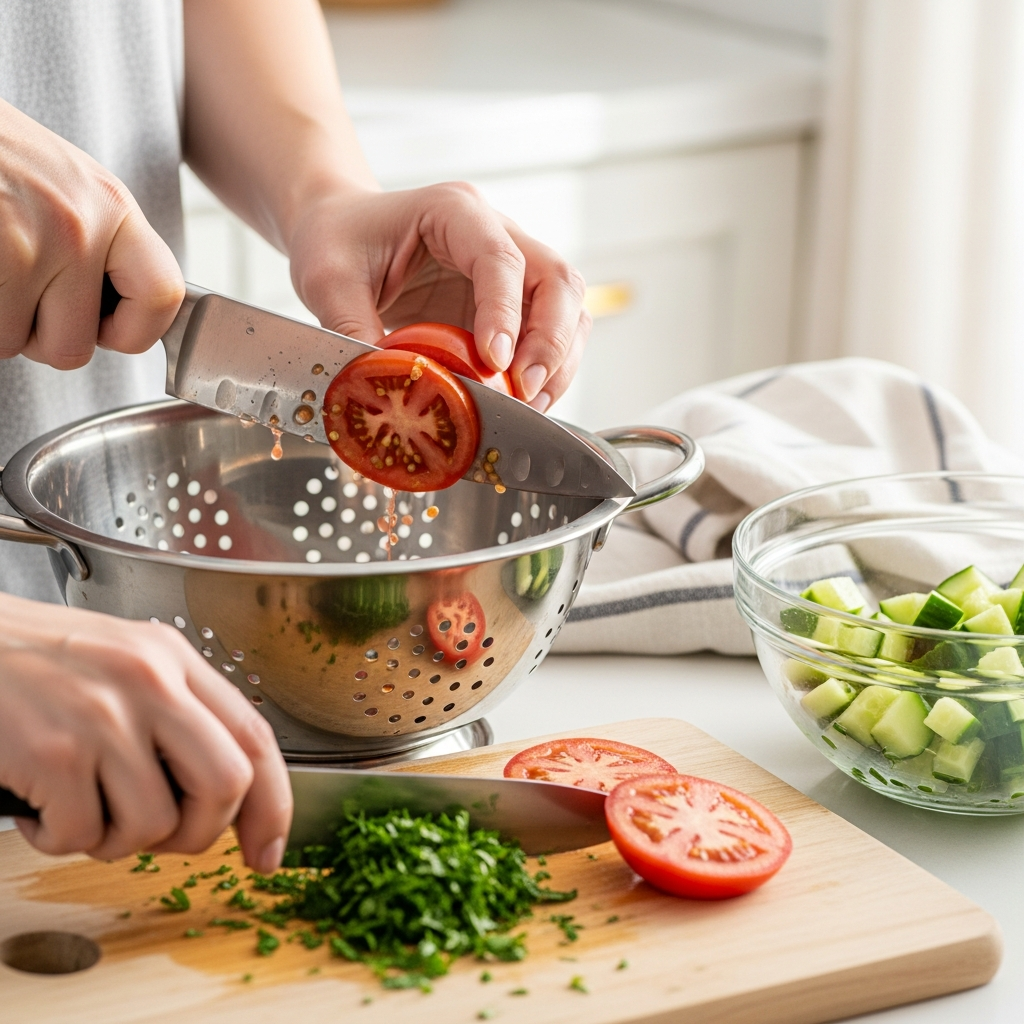
Excess moisture is the number one complaint I hear. It usually comes from ripe tomatoes and cucumbers releasing liquid into the salad, especially after it rests. The fix is twofold: seed and drain tomatoes in a colander for ten minutes, and dice cucumbers smaller so they release less water. If you’re using bulgur, make sure it’s properly hydrated but not soggy; let it cool completely before mixing. This approach keeps textures sharp, crucial when you’re packing Taboili for a picnic at Centennial Beach or a backyard gathering in Brookdale.
Problem: Dull, Bitter Herbs
Parsley is the soul of Taboili, and bitterness can creep in if the stems are too thick or the knife work bruises the leaves. Choose flat-leaf parsley with tender stems, wash and thoroughly dry, and chop with a sharp knife in swift motions. Avoid food processors, which can turn herbs to paste. A touch of mint adds lift; pick leaves just before chopping to keep their perfumes intact. These small steps prevent the muddy flavors that disappoint after the first few bites.
Problem: Grain That Overpowers the Greens
When Taboili leans too heavily on bulgur, it loses its characteristic freshness. Think of grain as a supporting texture, not the star. Measure your parsley by volume and aim for at least a one-to-one ratio with the grain—often more herbs than grain is even better. If you’re adapting for gluten-free diners with quinoa, rinse thoroughly to remove bitterness, cook until fluffy, and let it cool. Fold in gently so you don’t compact the salad.
Problem: Limp Texture After Refrigeration
Day-two Taboili can be deeply flavorful but sometimes limp. To keep it lively, store components separately when possible: herbs and vegetables in one container, grain in another, and dressing in a jar. Combine an hour before serving so everything melds without losing structure. If you’ve got leftovers, a squeeze of fresh lemon and a drizzle of olive oil right before eating can revive the brightness.
Problem: Overly Sharp or Flat Dressing
Balance is the goal. Too much lemon can make the salad harsh, while too little leaves it flabby. Start with a 2:1 ratio of lemon juice to olive oil, then adjust. Salt lightly first; acid amplifies saltiness, so you often need less than you think. Let the salad rest fifteen minutes, taste again, and fine-tune. That rest period allows flavors to integrate, much like letting a good soup sit before final seasoning.
Problem: Inconsistent Knife Cuts
Uniform chopping matters more than you’d think. Finely chopped parsley and evenly diced vegetables help every forkful taste balanced. Big chunks of cucumber or tomato bleed moisture; tiny, even pieces maintain structure. Invest a few extra minutes in knife work—it pays off in texture and appearance, especially if you’re plating Taboili as part of a spread for guests.
Problem: Oiliness Without Shine
There’s a subtle difference between richly dressed and greasy. Use a flavorful extra-virgin olive oil and emulsify briefly with the lemon juice and salt before tossing. That quick whisking step helps the dressing cling lightly to herbs and grains, creating a glossy, fresh look rather than pools of oil at the bottom of the bowl.
Problem: Blandness Despite Good Ingredients
If your Taboili tastes quiet even with solid produce, check salt and acidity, then consider gentle spice. A small pinch of Aleppo pepper or black pepper can round out the lemon and highlight the parsley’s peppery notes. Be cautious with garlic—it can dominate or turn sharp, especially after a night in the fridge. Let herbs and citrus lead; spice should whisper, not shout.
Problem: Takeout That Loses Its Snap
Naperville’s takeout scene is thriving, but travel time can soften Taboili. If you’re ordering for pickup, ask whether tomatoes are seeded and how far in advance the salad is dressed. At home, fluff with a fork, add a squeeze of lemon, and fold in a few fresh herb leaves to refresh texture. When scanning a restaurant’s menu, look for signs of care—herb-forward descriptions, mention of seeding, and notes on freshness.
Problem: Over-Salted Results
Salt creep happens fast in Taboili, especially when the salad rests and flavors intensify. Add salt in stages. Taste after resting and balance with a touch more lemon if needed. Remember that olives, feta, or other salty add-ons will push salinity up; if you plan these pairings, season the base salad more lightly.
Problem: Confusion Over Ratios
Every cook develops a preference, but a reliable starting point is plenty of parsley—think big handfuls—balanced with a modest measure of bulgur, generous tomatoes and cucumbers, and a dressing that’s lemon-forward but smoothed by olive oil. Once you’ve got that template, adjust by season: more cucumber in humid weather, a touch more olive oil when winter tomatoes are less plush.
Problem: Last-Minute Rush
Taboili improves with a brief rest, which can be tricky if you’re dashing out the door to a park district game. Toss the salad, cover, and give it ten to fifteen minutes while you load the car. That short pause helps the grains absorb excess moisture and binds the flavors together.
How Naperville’s Climate Plays a Role
Midwest humidity and temperature swings affect produce and texture. On hot days, cucumbers and tomatoes release more moisture. In winter, herbs can be less fragrant. Adjust accordingly: drain vegetables longer in summer, and lean on parsley’s peppery backbone and a touch more olive oil during colder months. These tweaks keep the salad feeling intentional rather than improvised.
Serving Suggestions that Save the Day
When in doubt, serve Taboili with contrasting textures. A spoonful alongside creamy hummus, crunchy pickles, or warm grilled proteins makes the whole plate sing. For potlucks, bring extra lemon wedges so each guest can brighten their portion to taste. It’s an easy way to personalize without remaking the bowl.
FAQ
Q: How do I keep Taboili crisp for a picnic?
A: Seed and drain tomatoes, store dressing separately, and toss on-site if possible. Pack in shallow containers to protect herbs from compacting.
Q: Can I make Taboili the night before?
A: Yes, but add most herbs shortly before serving to maintain color. A quick refresh with lemon and olive oil helps too.
Q: What if my parsley tastes bitter?
A: Use tender flat-leaf parsley, trim thick stems, and chop with a sharp knife. A pinch of salt in the dressing can soften bitterness.
Q: How do I fix an overly sour batch?
A: Add a bit more olive oil, a pinch of salt, and fold in extra chopped tomatoes or cucumber to dilute acidity.
Q: My Taboili turned mushy. What happened?
A: Over-hydrated grain or overly juicy vegetables are common culprits. Drain produce well and cool grains fully before mixing.
Q: What proteins pair best for takeout?
A: Grilled chicken, salmon, or chickpeas travel well and complement Taboili’s brightness without bleeding moisture into the salad.
Q: Is garlic necessary?
A: Not at all. Many classic versions skip garlic to let herbs and lemon shine. If you use it, go light and taste after resting.
When you’d rather skip the trial-and-error and simply enjoy a dialed-in bowl, choose a local spot that treats freshness like a craft and lets a carefully balanced Mediterranean menu guide your order. Bring that bowl to the Riverwalk, share it at your table, and taste the difference a few smart fixes can make.