
Anyone who has fallen in love with Taboili salad in Naperville knows its charm: a confetti of parsley, tomatoes, mint, bulgur, lemon, and olive oil that lands on the palate with brightness and lift. But as simple as it seems, Taboili is a precision dish. When the chop is off, the dressing is heavy, or the tomatoes are out of season, the result can feel flat, soggy, or oddly sharp. As a local who eats and talks Taboili daily, I have seen the same handful of problems crop up on home tables and in busy kitchens alike. The good news is that each issue has a clear solution. If you are trying to serve better Taboili at home or to order it more confidently in Naperville, keep these insights at hand. And if you want quick pairing ideas or to see how the salad fits into a broader spread, take a glance at our menu before your next meal.
Great Taboili is all about balance and texture. Every element has a job: parsley brings lift, tomatoes bring juice and sweetness, bulgur anchors with a soft chew, lemon sparks, and olive oil smooths. When any one of those gets out of balance—or when technique goes sideways—the salad loses its poise. Below are the common culprits in Naperville kitchens and takeout bags, along with how to fix or avoid them.
Issue 1: Watery, soggy Taboili
This is the most frequent complaint, and it has two main causes: overly juicy tomatoes and insufficient draining. If tomatoes are chopped too far in advance without managing their juices, or if parsley is rinsed but not dried thoroughly, water dilutes the dressing and blunts the flavor. The texture turns slushy, and the salad stops tasting like itself.
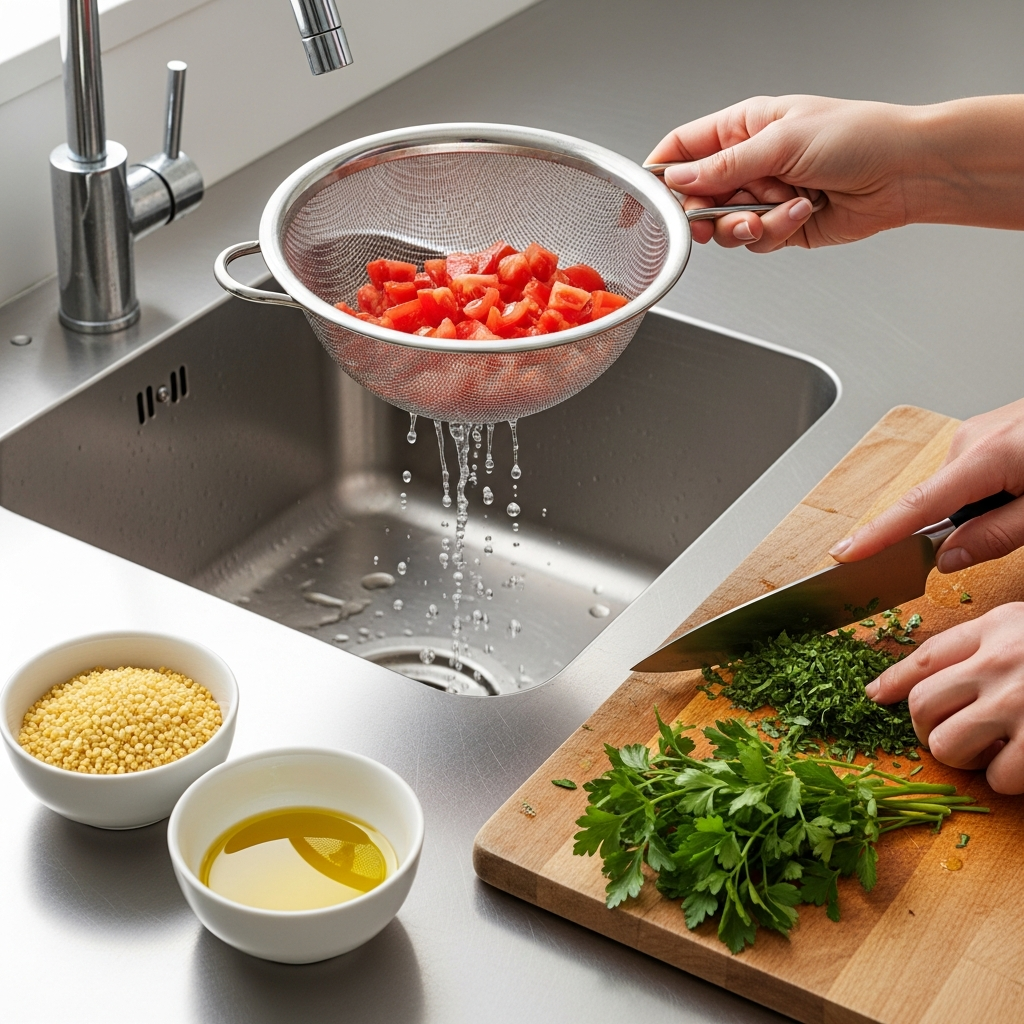
Solution: Use ripe but firm tomatoes and let them rest in a strainer to release some juice before mixing. Spin or pat-dry parsley meticulously so the leaves are just damp, not wet. Build the salad with the dressing at the bottom of the bowl, then fold gently so oil coats herbs before tomato water sneaks in. At restaurants, you can often spot a well-executed Taboili by how it holds its shape on the fork—loose but not leaky.
Issue 2: Bitter or grassy notes
Parsley should taste fresh and slightly peppery, not bitter. Bitterness creeps in when the stems are overused, the chop is coarse, or the herbs are past their prime. It also shows up if lemon pith slips into the bowl or if oil quality is inconsistent.
Solution: Favor leaves over thick stems and keep the chop fine and even. Zest citrus carefully, avoiding white pith, and use a consistent, fruity olive oil. In winter, when parsley can taste a touch more assertive, a slightly warmer olive oil and a kiss more lemon can restore harmony. In Naperville’s humid summers, keep herbs cool and dry; heat and moisture accelerate bitterness.
Issue 3: Gritty bulgur or mushy grains
Bulgur needs to be tender with a hint of chew. Undercook it and you get grit; overhydrate and it goes gluey, swallowing the salad’s delicacy. Busy kitchens sometimes rush the soak or overcompensate with heat, which can muffle flavor and dull texture.
Solution: Soak bulgur just to tenderness or par-cook gently, then cool completely before mixing. The grain should complement, not dominate. For gluten-sensitive diners, a bulgur-light or bulgur-free version with extra herbs and tomatoes preserves the salad’s essence without texture troubles.
Issue 4: Harsh acidity or flat flavor
Lemon is the heartbeat of Taboili, but too much can sting while too little leaves the salad sleepy. The problem often arises from using bottled juice or skipping a pinch of salt, both of which muddy balance. Another culprit is an oil-to-acid ratio that overcorrects for watery tomatoes.
Solution: Use fresh lemon and taste as you build. Start with a balanced ratio of lemon to olive oil, seasoning lightly with salt so flavors lift. Add tomatoes and herbs, then correct in small increments. With practice, you will recognize the “wake-up” point where flavors peek and the salad seems to glow.
Issue 5: Raw onion overwhelm
Some versions include a whisper of onion for complexity, but when cuts are large or the variety is too pungent, onion can bulldoze the parsley and lemon. The result is a salad that tastes sharp for all the wrong reasons.
Solution: If you like onion, keep it minimal and finely minced, and consider rinsing briefly in cold water to tame heat. Many Naperville diners prefer Taboili without onion, letting mint and lemon carry that aromatic role instead.
Issue 6: Dull color and tired aroma
Nothing is sadder than a gray-green Taboili that smells tired. This usually means herbs were chopped far in advance, tomatoes were under-ripe, or the salad sat overdressed for hours. Temperature swings in transit can also sap life from the bowl.
Solution: Chop close to service and dress lightly at first, adding more as needed. Use tomatoes at or near peak ripeness for color and sweetness. For takeout in Naperville’s heat, keep containers cool and sealed. If you arrive home to a wilted bowl, a squeeze of fresh lemon and a few torn mint leaves can help, but prevention is king.
Issue 7: Inconsistent seasoning
Salt is not about making food salty; it is about making flavors audible. Without enough, the salad tastes oddly hollow, and with too much, it loses finesse. Because tomatoes and parsley vary, seasoning must respond rather than follow a fixed script.
Solution: Season in layers. A pinch in the dressing, a pinch after tomatoes join, and a final whisper if needed. This approach catches the variables of produce and keeps brightness intact.
Ordering smarter in Naperville
Recognizing great Taboili from the menu or counter is a small superpower. Look for descriptions that mention a fine chop, fresh lemon, and balanced oil. Ask about bulgur texture if that matters to you. Notice color through the container—vivid greens and ruby tomatoes tell a story. If you are building a plate, consider how Taboili will play with your protein. A bright salad next to shawarma resets your palate between rich bites, making the whole meal feel lighter.
When planning a spread for family or coworkers, scanning a thoughtful Mediterranean menu can help you choose complementary items: a protein for heft, a spread for creaminess, pickles for tang. Taboili is the thread that ties it all into a flexible, crowd-pleasing meal.
Storage and next-day success
Even a well-made Taboili needs a little care. Store it cold, sealed, and not too tightly packed so herbs are not crushed. Right before serving leftovers, give it a gentle toss to redistribute dressing. If the salad looks thirsty, refresh with a tiny splash of lemon and a drizzle of olive oil. Avoid adding tomatoes at the very last minute for day-two bowls; they will taste washed out if they were under-ripe to begin with.
If you know you will carry Taboili to a picnic or meeting, keep dressing and tomatoes slightly separate until the last moment. This small step can be the difference between a good salad and a great one an hour later.
Pairings that solve common complaints
A plate is more than the sum of its parts. If you find Taboili too zippy, pair it with a creamy element like hummus to soften the edges. If it feels too gentle, let a garlicky protein or a pickled vegetable add contrast. Texture fatigue is real, especially in big portions; alternating between tender grains, crisp vegetables, and juicy tomatoes keeps the palate engaged.
Families often report that kids warm up to Taboili when it is nested inside a wrap, where each bite delivers a controlled amount of lemon and herbs. For those who crave hearty meals, layering the salad under a warm protein lets the heat perfume the parsley and lemon, mellowing acidity and creating a comforting, aromatic bite.
Seasonal pitfalls and fixes
Naperville’s seasons create predictable hurdles. In deep winter, tomatoes can be pale and watery. Compensate with a tighter chop, vibrant lemon, and a touch more mint. As summer heats up, keep herbs cool and knives sharp; a ragged chop bruises leaves and speeds wilting. Fall invites heartier plates—use Taboili’s brightness to balance roasted vegetables or richer proteins without losing the salad’s identity.
Whenever produce quality wobbles, lean on technique. Dry herbs well, taste as you season, and handle the salad with a light hand. These practices do more to elevate Taboili than any secret ingredient.
FAQ: Troubleshooting Taboili
Q: Why does my Taboili turn watery after an hour?
A: Excess moisture from tomatoes or herbs is the likely culprit. Drain diced tomatoes briefly and dry parsley thoroughly. Dress lightly, then add more just before serving.
Q: How fine should I chop the parsley?
A: Very fine, but not to a paste. You want delicate flecks that release aroma without becoming mush. A sharp knife and a few measured passes do the trick.
Q: Can I make Taboili the night before?
A: You can prep components ahead, but combine close to serving for best texture. If making ahead, underdress slightly and refresh with lemon and oil before eating.
Q: What if I dislike bulgur’s texture?
A: Try a bulgur-light or bulgur-free version. Extra parsley and tomato maintain the salad’s spirit. Some diners substitute a gluten-free grain, but the key is to keep the herb-forward character.
Q: My Taboili tastes flat. What am I missing?
A: Likely fresh lemon or proper seasoning. Bottled juice and timid salt both mute brightness. Taste as you go and aim for that lively, just-awake balance.
Q: How can I tell if takeout Taboili will travel well?
A: Look for a fine chop, a light shimmer of dressing, and vivid color. Containers that keep herbs lightly packed rather than compressed also help preserve texture.
Serve the best bite on your next plate
If you are ready to taste a Taboili that holds its poise from first forkful to last, build your next meal around it. Pair it with a favorite protein, add a creamy counterpoint, and see how the salad’s brightness elevates everything on the table. For quick planning and dependable combinations, open our Naperville menu, choose the spread that suits your crowd, and enjoy a salad that finally behaves the way you always wanted.