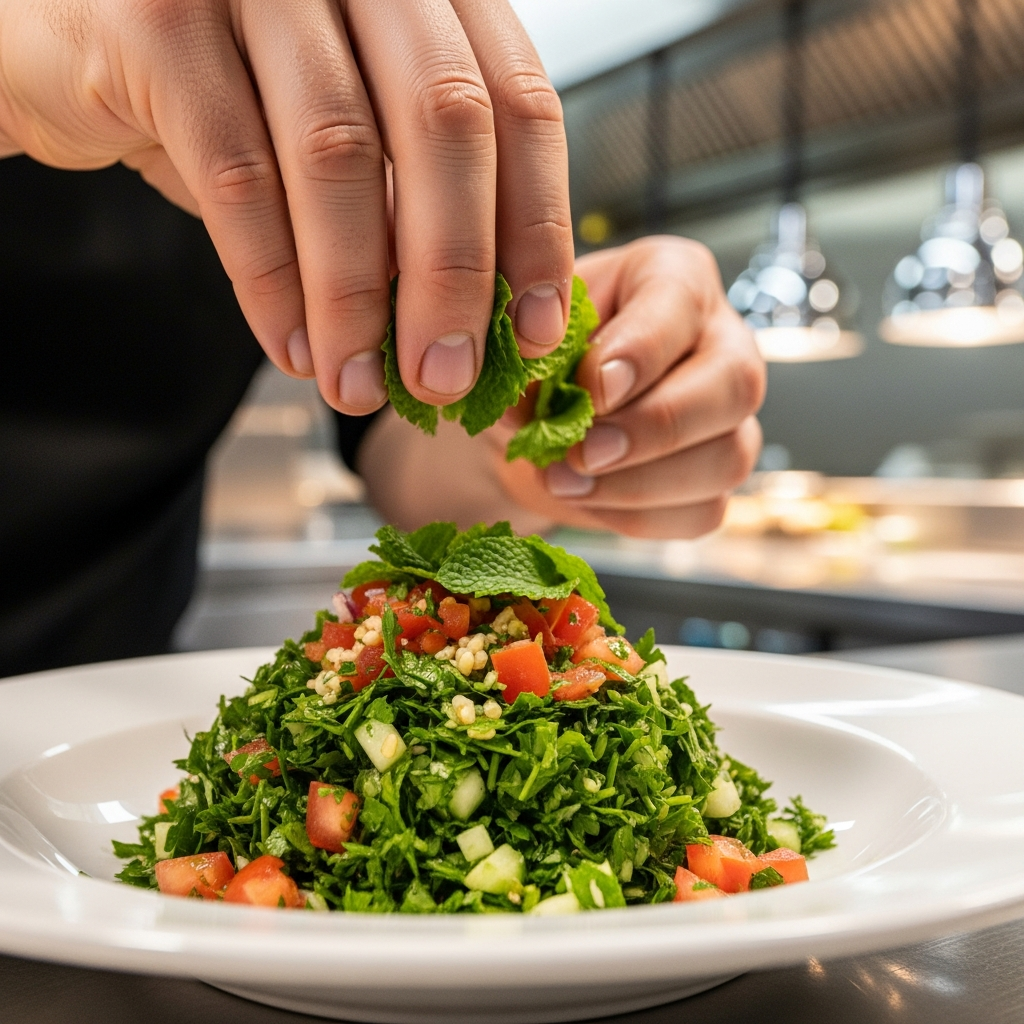

If you have ever stood at your kitchen counter in Naperville with a bunch of fragrant parsley, a pile of ripe tomatoes, and a lemon waiting to be zested, you already know there is something joyful about making taboili at home. Around here, this bright herb-forward salad fits our rhythm—light enough for a summer picnic at Knoch Knolls, sturdy enough to pack for a weekday lunch near the Riverwalk, and fresh enough to wake up a winter table when we crave something green. I like to start by imagining the finished bowl: glistening grains, lively citrus, and a tangle of finely chopped herbs that smell like sunshine after rain. If you have never made it before, or if your past attempts have been soggy, bland, or too lemony, this is your invitation to learn the Naperville way to prepare it, step by step, with local grocer wisdom and a few chef-level tricks. And if you want a quick flavor compass before you start chopping, take a moment to browse a Mediterranean menu for inspiration on pairings and seasoning accents that speak to you.
What makes taboili special in Naperville
Taboili, often spelled tabouli or tabbouleh, is a salad that celebrates herbs first and foremost. While many Americanized versions lean heavily on bulgur, the most memorable bowls I have tasted in Naperville place parsley at center stage, with bulgur and cucumbers supporting rather than stealing the spotlight. That balance matters because our local produce—especially when tomatoes peak in late August—has an unmistakable sweetness and snap. The crisp texture and nuanced acidity are what make a home-prepared bowl stand out compared to pre-made tubs. With a bit of practice, you will find your own house style that reflects what is freshest at your favorite market on 75th Street or downtown.
Choosing the right parsley and mint
Flat-leaf parsley is my go-to for taboili in Naperville because it offers bigger flavor and a silkier chop than curly parsley. Look for deep green leaves without yellowing, and choose bunches that feel heavy for their size, a sign of freshness. Mint brings cool brightness, so select sprigs with small tender leaves and a fragrance that pops as soon as you bruise one between your fingers. If you are shopping early on Saturday, the herbs will likely be crisp from the cool night air. Later in the day, ask the produce clerk which crates are freshest, or hold the stems to check for turgidity; floppy stems suggest the herbs will weep water when chopped.
Bulgur basics and soaking strategy
Bulgur is pre-cooked and then dried cracked wheat, which means it rehydrates quickly. For the salad, a fine to medium grind is traditional. Instead of boiling bulgur like you would pasta, soak it in freshly squeezed lemon juice and just enough hot water to cover by a fingertip. The citrus penetrates the grain, giving every bite a lift. If you prefer a lighter texture, rinse the bulgur briefly in cold water, then squeeze it dry in a clean kitchen towel before tossing it in the lemon and oil. That extra step removes excess starch and helps the grains remain distinct rather than clumpy.
Tomatoes, cucumbers, and the art of juiciness control
Choosing tomatoes is where Naperville seasonality shines. In July and August, local field tomatoes can be so ripe that your cutting board runs with juice. Dice them small and drain briefly in a mesh strainer while you prep the rest. If you are cooking in winter, cherry tomatoes often deliver a sweeter, more concentrated flavor than hothouse rounds. For cucumbers, Persian or mini seedless cukes offer crunch without watery seeds. Peel only if the skins are tough; a bit of peel adds pleasant texture and color contrast in the bowl.
Lemon, olive oil, and salt: the balancing act
Taboili depends on simple seasoning done right. Fresh lemon juice—not bottled—creates a sparkling backbone, while extra-virgin olive oil softens that brightness and helps the flavors coat the herbs and grains. Salt should be added gradually. I like to season the tomatoes first, letting them release a little juice that becomes part of the dressing. Then I taste after each addition of herbs and bulgur, fine-tuning so nothing screams. A whisper of allspice or a scrape of lemon zest can add a subtle warmth, though purists might resist. If you try it, keep it delicate; taboili thrives on understatement.
Knife skills and the parsley cloud
Finely chopping is the hallmark of a great taboili. Rinse the parsley well and spin it dry until nearly bone-dry; lingering moisture can dilute flavor and muddy the texture. Gather a tight pile on a large board, curl your fingertips, and use a sharp chef’s knife in a gentle rocking motion. Think confetti, not ragged ribbons. With mint, be even more delicate to avoid bruising. Onion, whether green or a smidge of red, should be diced tiny so it warms the palate without overpowering. The goal is a harmonious cloud of herbs and vegetables that feels airy, not heavy.
Mixing and resting for flavor cohesion
Assemble in a wide bowl to avoid compressing the delicate herbs. Start with the drained tomatoes and cucumbers, fold in the lemon-soaked bulgur, then shower with parsley and mint. Drizzle oil in a thin thread while gently lifting the mixture from the bottom so you distribute the dressing without mashing anything. Taste, rest, and taste again. A fifteen to thirty minute rest at room temperature lets the grains relax, the herbs perfume the dressing, and the salt pull everything into focus. If you refrigerate longer, bring the salad back to cool room temperature before serving to let the aromatics reawaken.
Serving ideas that fit Naperville life
On a busy weeknight, I’ll spoon taboili next to roasted chicken or tuck it into a warm pita with a swipe of hummus. For a backyard hang, it’s terrific with grilled vegetables or as a green bed for skewers. If you are mapping out a mezze spread, glance at a Mediterranean menu to spark pairing ideas like shawarma, falafel, or lemony soups that echo your salad’s flavors. Because taboili is bright and herbal, it also refreshes heavier mains like lamb or slow-roasted eggplant.
Make-ahead, storage, and next-day magic
Taboili rewards forethought. You can chop the parsley and mint a few hours ahead and store them wrapped in a barely damp paper towel in a sealed container. Tomatoes and cucumbers should be cut closer to serving time if peak crispness matters, but the salad holds well for a day. In fact, the flavors mellow by the next afternoon, when I love it tucked into a leftover grain bowl or scooped over greens with a drizzle of extra lemon. If the mixture tightens in the fridge, loosen it with a splash of oil and a dash of lemon before serving.
Common pitfalls and easy fixes
If your first batch tastes flat, it usually needs a pinch more salt and a touch of acidity. If it’s wet, you likely skipped drying the parsley or draining the tomatoes. Should the bulgur feel underdone, extend the soak with a tablespoon or two of hot water and five more minutes of rest. If the lemon feels aggressive, a drizzle of olive oil and a handful more parsley will smooth it out. Remember, taboili is forgiving when you approach it slowly and taste as you go.
Seasonal twists for Naperville cooks
Our markets make seasonal riffing easy. In spring, add slivered radishes for peppery zing. In high summer, sweet corn kernels bring a juicy pop that plays well with mint. Early fall offers tiny diced apple for a crisp counterpoint if you prefer a fruit echo with your herbs. Even in winter, finely shredded kale can join the mix, provided you massage it first with a touch of lemon and oil to soften the texture. These additions should be accents, not stars—parsley must still sing lead.
Frequently Asked Questions
What kind of parsley is best for taboili?
Flat-leaf Italian parsley yields the most balanced flavor and the tender bite that taboili deserves. Curly parsley works in a pinch but can taste grassy if not chopped very finely. Always dry the leaves thoroughly so they do not water down the dressing.
Can I make a gluten-free version?
Yes. Quinoa or fine-grind millet makes a lovely stand-in for bulgur. Rinse well, cook until just tender, and cool completely before tossing with the lemon and herbs. Keep the grains fluffy so the salad retains its signature lightness.
How far ahead can I prepare it?
You can assemble taboili up to a day in advance. For peak texture, add the tomatoes and cucumbers within six hours of serving and refresh with a squeeze of lemon. Always bring it to cool room temperature before placing it on the table.
Why does my taboili turn soggy?
Excess moisture is usually the culprit. Spin the herbs very dry, seed watery cucumbers if needed, and drain the tomatoes briefly after salting. Avoid chopping too early and letting produce sit in its juices for hours.
How finely should I chop everything?
A fine, even chop is essential. Aim for tiny dice on tomatoes and cucumbers and a confetti-like texture on parsley and mint. The more uniform your cuts, the more elegantly the salad eats.
Bring it to your Naperville table
If you are ready to taste how bright, herbaceous, and satisfying taboili can be, gather your ingredients and start chopping with confidence. Share it at a Riverwalk picnic, bring a bowl to your next porch gathering, or pair it with your favorite grilled skewers. And when you want fresh pairing ideas to round out your spread, take a look at a Mediterranean menu, then let your Naperville pantry and produce aisle guide the rest.