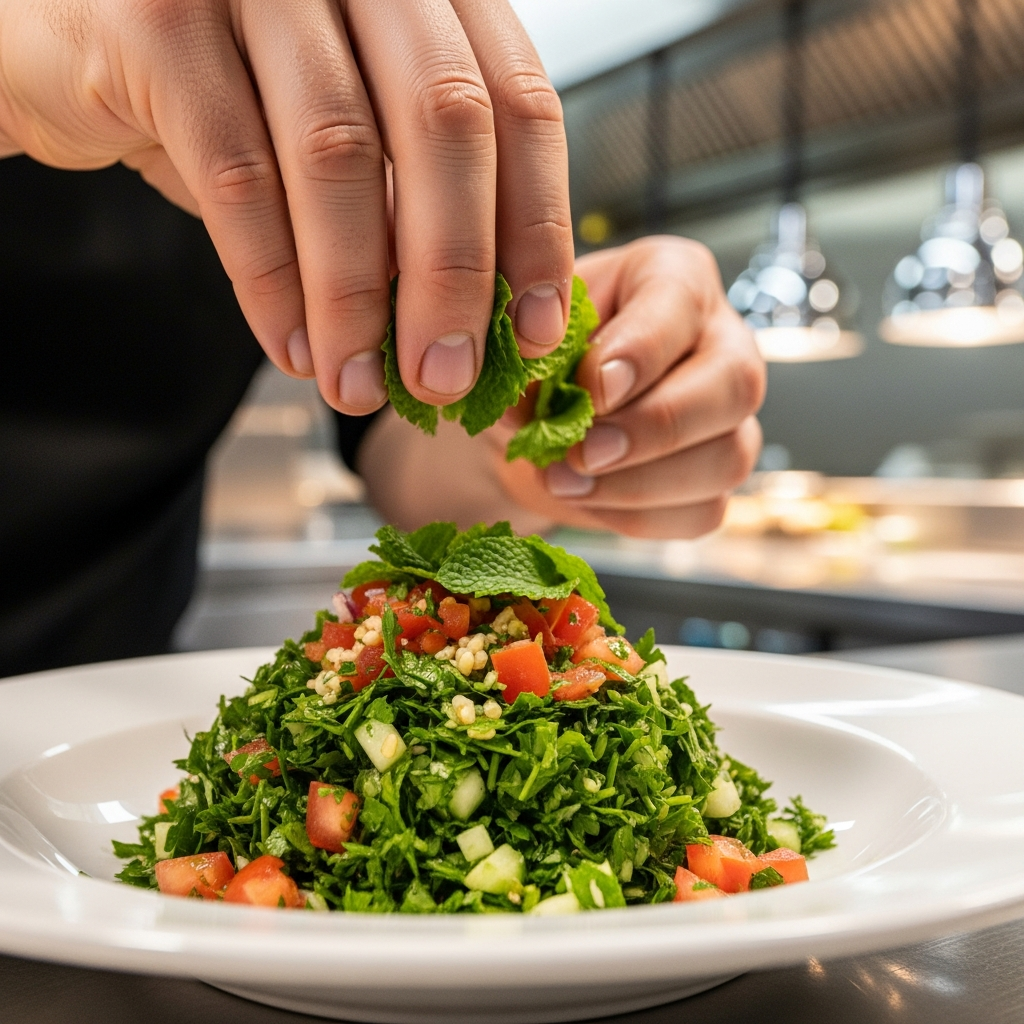
Cooking in Naperville means living with the seasons. The Riverwalk hums on warm evenings, then falls quiet under a hush of snow; farmers’ stands teem with tomatoes and herbs, then give way to sturdy greens and bright citrus. Through it all, Taboili salad holds steady as a four-season companion, as comfortable on a July picnic blanket as it is alongside a cozy winter supper. The secret is paying attention—to weather, to produce, to the rhythms of your kitchen—and adapting the fundamentals without losing the salad’s identity. Before you decide how to build your next bowl, it helps to sketch the year’s arc and, if you want pairing inspiration along the way, consider how a thoughtful menu can spark ideas that match each season’s mood.
Spring: Greening the Table Again
Early spring in Naperville brings a tug-of-war between chill and thaw, and people get hungry for green. Taboili becomes a celebratory act: herbs get top billing, lemon tastes like a promise, and even the ritual of chopping feels restorative. Parsley arrives tender and fragrant, and a little mint can add lift without turning the salad into a dessert. Because tomatoes are still finding their footing, it pays to be selective—smaller varieties with better flavor, salted briefly to draw out juices that become part of the dressing. Acidity does the heavy lifting this time of year, so do not be shy with lemon, and consider a touch of zest to push aroma into each bite.
Texture is crucial after winter’s heavier fare. Keep the bulgur on the lighter side—fully tender but resilient—and fold the salad gently so the herbs remain feathery rather than compacted. If rain keeps everyone indoors, pair the bowl with a tray of roasted spring vegetables like carrots and radishes; the warm-cool contrast lets the herbs sparkle. As the days brighten, small rituals—washing herbs well, drying them completely, sharpening the knife for a fine chop—turn the kitchen into a place where spring truly begins.
Summer: Tomatoes, Cucumbers, and the Art of Staying Cool
Summer in Naperville is when Taboili steps into its peak. Tomatoes burst with sweetness, cucumbers crunch, and herbs seem to grow overnight in backyard planters. The trick here is managing abundance. Because produce holds more water in the heat, salt tomatoes lightly and let them rest, capturing the juices for your dressing. Dry herbs meticulously; a salad can wilt fast if you rush this step on a humid afternoon. Keep bulgur slightly firmer so it stands up to juicy vegetables, and add lemon generously to keep flavors lifted when the air is heavy.
Dining spreads to patios, porches, and the Riverwalk lawn, so portability matters. Shallow containers protect the fine cut of the herbs, and short rests at room temperature before serving open up aromas. Pair Taboili with grilled fish, skewers, or chilled legumes for a meal that sustains without slowing you down. When thunderheads gather and a picnic becomes a living-room dinner, the salad still performs—bright, cooling, unbothered by the change of venue.
Fall: Warm Notes and Comfortable Proportions
As leaves blaze along neighborhood streets, appetites shift toward comfort, but not heaviness. Taboili adapts by leaning into nuttier tones and slightly deeper seasoning. Bulgur can be a touch softer without becoming mushy, and a pinch of warm spice—black pepper, or a restrained sprinkle of Aleppo—can echo the season without pushing the salad off course. Tomatoes often get smaller and sweeter; cucumbers stay, but you might cut them finer so they mingle rather than dominate. Lemon remains central, but olive oil steps forward a bit, offering a roundness that suits cooler evenings.
Fall is also tailgate season, school events stack up, and weeknights accelerate. Make-ahead becomes your ally. Chop herbs a couple of hours early and keep them dry, salt tomatoes in advance, hydrate bulgur and let it cool fully. When it is time to assemble, you will be ten minutes from a composed bowl that tastes far better than its convenience suggests. On the plate, Taboili sits happily next to roasted squash, chicken, or a simple pan of sautéed mushrooms, proving that plant-forward eating need not be ascetic to feel satisfying.
Winter: Technique as the New Sunshine
Winter brings challenges as well as opportunities. Produce can be less aromatic, and indoor heating dries the air, affecting herbs. Technique becomes your sunshine. Choose tomatoes for flavor over size, let them warm slightly on the counter, and salt them to awaken sweetness. Use lemon zest in addition to juice to multiply citrus notes that might otherwise hide. Dry herbs thoroughly—spin, towel, and air-dry if needed—and chop them finely so their fragrance releases even when the stems are a bit sturdier. A fruit-forward extra-virgin olive oil becomes more important now, adding aroma and a sense of generosity without heaviness.
Serving temperature is another winter lever. Very cold salads can taste muted. Let Taboili rest on the counter for five to ten minutes after refrigeration and watch the flavors bloom. Pair it with a warm entree or a soup night, letting the brightness slice through the richness the way sunshine cuts through a cloudy afternoon. In a Naperville kitchen where gloves and scarves pile by the door, a lemony bowl on the table is a small rebellion against the gray.
Shopping and Storing With the Calendar
Seasonal success begins with smart shopping. In spring and summer, you can be a little more spontaneous because produce is forgiving; if the parsley bunch is enormous, the salad will welcome it. In fall and winter, shopping becomes more precise. Look for tight, perky herbs, store them wrapped and upright in the refrigerator, and avoid crushing them under heavier items. Tomatoes in colder months reward patience—let them sit out briefly and taste before you commit to the cut. Cucumbers vary; smaller, seedless types often keep texture better when the air is dry.
Once home, triage your produce. Wash herbs as soon as you have the time to dry them properly; ready-to-chop greens are half the battle won on a busy weeknight. Keep pre-measured bulgur in a jar for quick soaks. If you cook for a family, a shallow, wide container for storing Taboili preserves texture and invites people to help themselves. When the fridge door opens repeatedly in a lively household, making the right choice the easy choice is a kindness to everyone.
Adapting for Dietary Needs Without Losing the Plot
Seasonal cooking also means cooking for a range of preferences. In spring, a quinoa swap for bulgur suits gluten-free guests and feels natural among tender herbs. In summer, a chickpea fold-in turns the salad into a main course that keeps you light during hot evenings. Fall might invite a handful of roasted peppers for smoky depth, while winter welcomes an extra spoon of lemony dressing to keep flavors awake. The throughline is respect for the salad’s identity: herb-forward, lemon-bright, olive-oil-kissed.
Salt management shifts with the seasons as well. When produce is bursting in July, you can use less; in December, a careful pinch at the end keeps flavors focused. Remember that lemon lifts more than salt can fix, and olive oil rounds more than sugar can mask. Those two tools—acid and oil—are your steady companions as the calendar turns.
Entertaining Through the Year
Naperville loves to gather. From backyard birthdays to book clubs that stretch long after the official discussion, hospitality is part of our rhythm. Taboili is a host’s friend because it can be made ahead, looks stunning in a shallow platter, and behaves well on a buffet. In spring, surround it with snap peas and radishes. In summer, let it share the table with grilled seafood. In fall, situate it next to roasted roots. In winter, let it be the bright counterpoint to a braise. As you entertain, remember the logistics that keep herbs beautiful: wider platters for air, serving spoons that lift rather than compress, and a final fold just before guests arrive to refresh the shine.
For potlucks and school events, travel smarts matter. Shallow containers prevent compression, and a small jar of extra lemon and olive oil can revive the bowl after transit. If you are dropping a dish on a neighbor’s porch as a thank-you or a get-well gesture, include a note with serving tips; that kind of thoughtfulness travels almost as well as the salad itself.
Midseason Slumps and How to Beat Them
Every cook hits a moment when the usual routine feels tired. In spring, you might add a few torn mint leaves for surprise. In summer, try an extra-cold bowl and a tiny hint of heat from a finely diced chili. In fall, a dusting of sumac adds lift, and in winter, warming the olive oil in your hands before drizzling can unlock aroma that would otherwise hide. These are not reinventions, just small sparks. They wake up the palate and keep Taboili exciting without losing what makes it itself.
Another antidote to the slump is community. Share a bowl with neighbors after shoveling snow or bring it to a Friday night gathering on the Riverwalk lawn. Conversation about food is contagious, and the compliments you receive will carry you into your next round of chopping with fresh enthusiasm.
Frequently Asked Questions
How do I keep summer Taboili from getting watery? Salt tomatoes first and let them drain, dry herbs completely, and keep bulgur slightly firmer so it absorbs just enough dressing without collapsing.
What’s the best approach to tomatoes in winter? Choose smaller, flavorful varieties, let them warm a bit on the counter, and add lemon zest to amplify brightness. A brief salting helps, too.
Can I make Taboili a complete meal in colder months? Yes. Add chickpeas or serve it alongside a warm entree. A touch more olive oil and a generous squeeze of lemon keep the salad lively next to richer foods.
How far in advance can I prepare Taboili for entertaining? Assemble a few hours ahead, store in a shallow container, and fold gently before serving. Keep a handful of fresh herbs and tomatoes aside for a last-minute sprinkle.
Is quinoa a good substitute for bulgur year-round? It works well in every season, especially when cooking for gluten-free guests. Rinse it thoroughly, cook until just tender, and cool before combining.
Do I need different olive oils for different seasons? Not necessarily, but a fresh, fruit-forward extra-virgin oil shines in winter when produce is subtler, while any balanced, quality oil supports summer’s peak flavors.
How does serving temperature affect flavor? Very cold salads can taste muted and sharper. Let Taboili sit at room temperature for a few minutes before serving to open up the aromatics.
Bring the Seasons to Your Table
Taboili earns its place in Naperville kitchens because it honors what the year brings. If you listen to the weather and shop with intention, the same simple ingredients transform to fit each month’s mood. When you want ideas for complementary bites—something grilled in July, something cozy in January—take a quick look at a well-composed menu, gather your herbs, and let the cutting board be where each season finds its way to your table.