
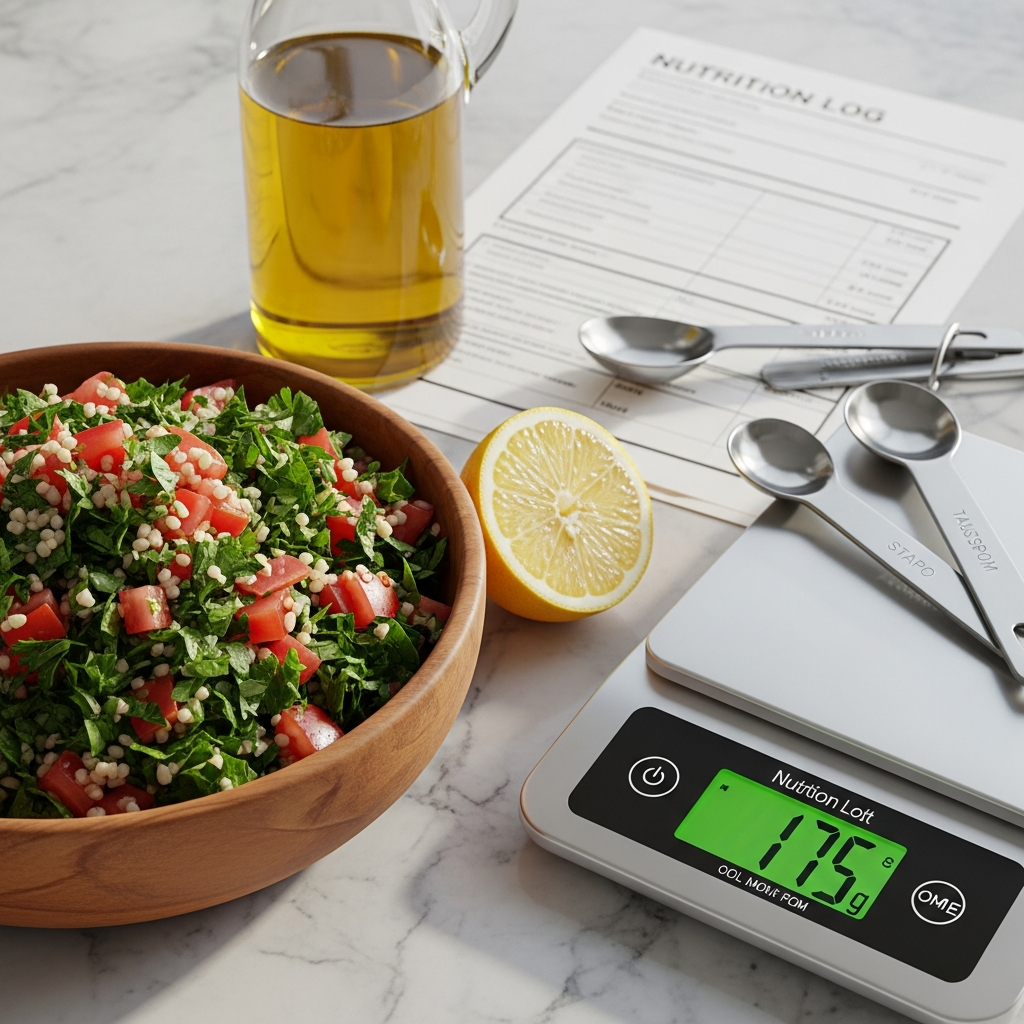
Ask around the Riverwalk on a Saturday morning and you’ll hear a familiar theme from Naperville neighbors: they want meals that feel fresh and satisfying without blowing up their daily goals. Taboili—the parsley‑forward salad many know as tabbouleh or tabouli—fits that need unusually well. It’s built on herbs and vegetables, carries its calories mostly from heart‑smart olive oil, and adapts to different nutrition plans without losing its sunny personality. As a local cook who has measured more bowls of Taboili than I can count, I’ll walk you through realistic calorie and macro ranges, the small preparation choices that swing the numbers, and how to fit the salad into the lifestyle many of us lead between morning runs in Knoch Knolls, classes at North Central College, and commutes along Washington Street.
What is a typical serving?
In home kitchens, a generous side serving lands around one packed cup. When Taboili sits center‑stage with a bit of protein or warm pita, you may eat closer to a cup and a half. The base ingredients—flat leaf parsley, tomatoes, scallions, mint, lemon, and extra virgin olive oil—carry negligible carbohydrates except for tomatoes and any grain you choose to add. Olive oil provides most of the calories. That means the lever you pull to adjust macros is usually the oil quantity, followed by whether you include bulgur or another grain. The beauty is that you can modulate without breaking the dish; the salad’s brightness holds up across these tweaks.
Calories in the classic, herb‑forward bowl
Let’s build a realistic, family‑sized batch: about four packed cups of chopped parsley; one and a half cups of seeded, diced tomatoes; three to four thinly sliced scallions; a small handful of mint; juice from two lemons; and three tablespoons of olive oil, seasoned with salt and a little pepper. Split into four ample side servings, that works out roughly to 150–190 calories per serving. Push the oil to four tablespoons and you’re closer to 200–240. Make the bowl your lunch with a cup and a half, and your plate might carry 300–360 calories before any add‑ons. Because most calories come from monounsaturated fat rather than starch, satiety tends to be high for the calorie cost; I find that a lunchtime bowl keeps me steady through an afternoon of errands up and down Route 59.
Macro breakdown: fats, carbs, and protein
Using the three‑tablespoon oil scenario across four side servings, fat generally lands around 12–14 grams per serving, almost entirely from olive oil. Carbohydrate totals without bulgur typically hover between 6–10 grams, largely from tomatoes and scallions, with 2–3 grams of fiber. Protein is modest—usually 2–3 grams from herbs and vegetables. Add bulgur, and you’ll shift carbs upward meaningfully. A half cup of dry fine bulgur, once hydrated and distributed across the salad, commonly adds about 20–22 grams of carbs to the full bowl, or 5–6 grams per side serving, with an extra 2–3 grams of fiber. Quinoa or a legume add‑in, discussed later, changes the profile further, especially on protein.
How chopping and moisture management affect numbers
It sounds fussy, but technique impacts macros because water dilutes dressing. If you don’t seed and drain tomatoes, or if you leave parsley damp after rinsing, you may add extra oil and salt to chase flavor—nudging calories up. In my Naperville kitchen, I dry herbs aggressively and let tomatoes shed their gel in a colander. As a result, the three tablespoons of oil taste more potent, and I stop there. The salad becomes bright and satisfying at a leaner calorie count. Details like this feel small but add up across a week of dinners, particularly if you’re tracking intake around a training plan at the gym or outdoor runs along the river.
Low‑carb and grain‑free approaches
For those watching carbohydrates, the grainless version is your friend. Keep the oil between two and three tablespoons for a family bowl and use a generous squeeze of lemon to keep the profile vivid. Carbs will settle in the single digits per serving, and fiber remains decent thanks to parsley’s contribution. Pair the salad with grilled chicken, fish, or tofu and you have a plate that reads light yet complete. The herb volume delivers a fresh mouthfeel that low‑carb plates often lack, while the lemon balances richer proteins without requiring sweet sauces or starchy sides.
Calorie‑smart adjustments that preserve joy
I’m not interested in food that tastes like compromise, and Taboili doesn’t demand it. Keep the oil intentional—measure rather than free‑pour—and focus on flavor density by using very fresh parsley, aromatic lemons, and properly seeded tomatoes. If you need to shave calories for a single meal, you can mix one tablespoon of water with your lemon juice before adding oil; because the herbs are dry and the tomatoes concentrated, the dressing still clings and reads as robust. Finishing the salad with a bright pinch of sumac gives a fragrant lift that can reduce the urge to add more oil after tasting.
Adding bulgur: where the macros land
Many families here still prefer a spoon or two of fine bulgur to give the salad soft body. A common home measure is a half cup dry, hydrated and well‑drained. Across four to five servings, macros change predictably: carbs rise by about 5–7 grams per serving, fiber by 1–2 grams, and calories by 35–50 depending on exact yield. For many, that shift is acceptable because it improves satiety and makes the salad feel like a sturdier side next to grilled meats or legumes. If you’re training and need fuel for an evening bike ride along the DuPage River Trail, the bulgur version may suit you perfectly.
Quinoa, legumes, and protein‑forward tweaks
To support protein goals without losing the salad’s identity, I sometimes fold in a small scoop of cooled, well‑rinsed quinoa—about a cup cooked in a large family bowl. That adds roughly 4–5 grams of protein and 18–20 grams of carbs per serving if split four ways, with an extra 2 grams of fiber. Alternatively, a half cup of drained chickpeas folded through raises protein by 3–4 grams and introduces additional fiber with a modest calorie bump. If you go the legume route, keep the quantity low so the herbs still dominate. A squeeze of lemon over the chickpeas before mixing helps them sing with the parsley rather than weigh it down.
Sodium, potassium, and the mineral story
Taboili’s sodium content depends on your seasoning hand. With kosher salt used thoughtfully, a side serving can live around 200–300 milligrams; that shifts if your palate prefers a brinier note or if pairings like olives join the plate. The salad’s potassium contribution is useful—parsley, tomatoes, and lemon nudge totals upward—which can be welcome after a hot Saturday on the soccer fields at Commissioners Park. Because the dish is raw, vitamin C remains bright, and the olive oil helps carry fat‑soluble compounds from the herbs. While I’m not turning this into a supplement lecture, it’s worth noting that nutrient density is part of why the salad satisfies beyond its calorie count.
Fitting Taboili into different eating patterns
Mediterranean‑style, flexitarian, vegetarian, low‑carb, or gluten‑free with a grainless base—all of these patterns accommodate Taboili easily. For strictly gluten‑free diners, skip bulgur and choose quinoa if you want a grain element. For plant‑forward plates, anchor the meal with the salad and set a bowl of lentils or a pan of garlicky roasted chickpeas alongside. If you track macros for performance, consider the salad your green canvas: add carbs on training days, lean on straight herbs on rest days, and keep olive oil steady for flavor and satiety. The salad’s transformation across these contexts is why it shows up on so many Naperville tables.
Restaurant inspiration for home macro planning
When you’re unsure how to round out a Taboili‑centric dinner, glancing at a Mediterranean menu can jog your sense of how restaurants balance plates—protein, starch, greens, and sauces. Mimic that at home in scaled‑down form. A scoop of hummus for healthy fats and fiber, a lean grilled skewer, warm pita or a spoon of rice if you’re fueling a workout, and a heap of Taboili for freshness. Observing that blueprint once or twice is enough to build your own macro‑balanced spreads without needing a calculator at the table.
Portioning like a local coach
For those watching calories closely, plate your Taboili first with a dedicated spoon so your serving is clear, then add protein and any starch. It’s easier to keep the salad generous when you see its volume on the plate. I’ll often start with a packed cup of Taboili, pair it with a palm‑sized portion of grilled chicken or tofu, and then decide if I need a small starch. That method, borrowed from friends who coach at area fitness studios, quiets decision fatigue at the end of a long day.
Frequently asked questions about calories and macros
Is Taboili low calorie?
Relative to many side dishes, yes. Without bulgur and with a measured hand on olive oil, a generous side serving commonly lands around 150–190 calories. Most of the calories are from heart‑healthy fats, so satiety is high for the number.
How can I make it more filling without many more calories?
Add volume with more parsley and tomatoes, and pair the salad with a lean protein like grilled chicken, white beans, or shrimp. Consider a spoon of cooked quinoa for a protein nudge, but keep it modest so the herbs still define the bowl.
What if I need more carbs for training?
Fold in a small quantity of fine bulgur or serve the salad beside a scoop of rice or a warm pita. Keep the dressing ratio consistent so flavor stays bright while you scale carbs to your needs.
Is there enough protein for a meal?
On its own, Taboili is light on protein. If it’s your main dish, add a compatible protein: grilled chicken, fish, tofu, or chickpeas. With that, the salad becomes a balanced plate that fits many macro targets.
Does the oil quality matter for macros?
Macros count grams, not quality, but flavor intensity changes how much you need. A fragrant extra virgin olive oil often lets you use less to get the same satisfaction, which can ease calories without sacrificing taste.
Naperville’s pace invites practical, delicious solutions. Taboili delivers: it’s bright, flexible, and friendly to a range of calorie and macro goals. If you like to borrow ideas from restaurant plates while keeping control at home, a quick pass through a thoughtfully composed menu can guide how you round out the salad for your evening. Set the table, assemble your bowl, and enjoy the kind of meal that leaves you energized for tomorrow’s plans.