
Ask anyone around Naperville who loves a good bowl of Taboili and they will tell you the same truth: when it is right, it is unforgettable, and when it is off, you know it immediately. Because the salad is so simple—parsley, mint, tomato, cucumber, lemon, olive oil, and a modest amount of bulgur—there is little room to hide mistakes. The upside is that small improvements go a long way. Whether you are ordering from a favorite spot downtown or making a batch at home for a picnic by the Riverwalk, understanding common pitfalls can help you enjoy Taboili in its best form. And if you are scanning a Mediterranean menu and wondering what separates a great version from a mediocre one, the following notes will give you a local’s eye for the details.
In our area, where takeout is common and outdoor dining is a big part of summer, texture and freshness become even more important. A well-made Taboili remains lively after a car ride from downtown to neighborhoods south of 95th Street; a poorly made one collapses into limp greens and diluted flavor. The good news is that the fixes are straightforward once you know where things typically go wrong.
Issue: watery, limp texture
This is the number one complaint and the easiest to diagnose. Tomatoes and cucumbers bring a lot of moisture; if they are chopped too large or tossed in with their seeds, the salad can weep liquid and swamp the herbs. Similarly, if parsley is washed but not dried thoroughly, the dressing slides off, and the whole bowl turns soggy.
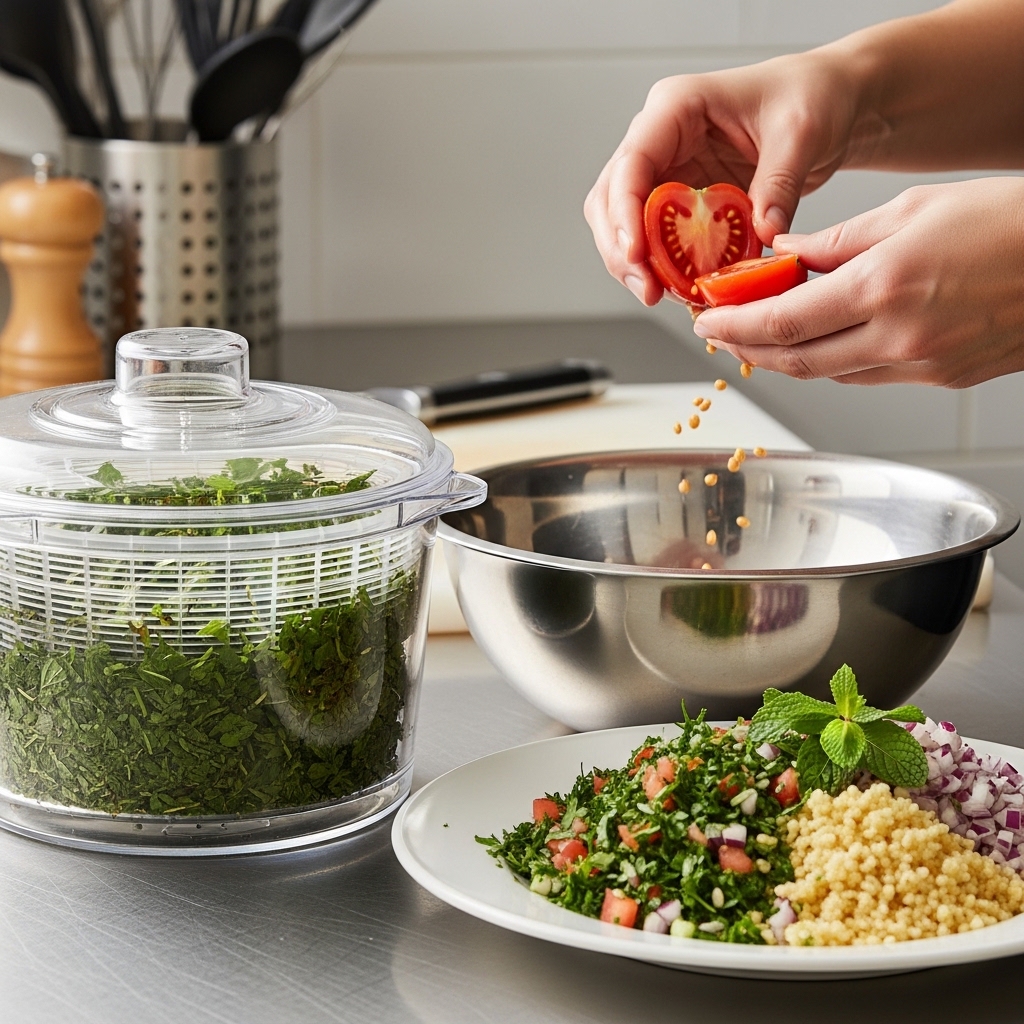
Fix: seed the vegetables and dry the herbs thoroughly. In Naperville kitchens that turn out excellent Taboili, the team seeds tomatoes and cucumbers before dicing them very small. Herbs go straight into a spinner after washing and then rest on towels until bone-dry. Dress the salad close to serving time. When you pick up takeout, give the container a quick, gentle toss just before eating to redistribute juices without crushing the greens.
Issue: bland flavor despite lots of ingredients
If your Taboili looks the part but tastes flat, the balance of lemon, salt, and olive oil is likely off. Under-salting dulls the herbs; too little lemon mutes the brightness; and a timid drizzle of olive oil prevents flavors from binding together. Because the salad is served cold, seasoning needs to be slightly more assertive than you might expect.
Fix: season in layers and taste as you go. Salt the tomatoes lightly to draw out flavor, add lemon gradually, and finish with enough olive oil to give the greens a gentle sheen. In restaurants, cooks often take a final taste after the salad chills for a few minutes, adjusting with a pinch of salt or a squeeze of lemon so the flavors pop when the bowl reaches your table or your picnic blanket at Knoch Knolls.
Issue: harsh onion bite
Onion can add welcome complexity, but when it dominates, the salad feels out of balance. The culprit is usually raw onion added too generously or cut too thick.
Fix: use onion sparingly and slice it fine. Many local chefs rinse minced red onion under cold water to soften its edge or soak it briefly with lemon. Spring onions can offer a gentler character. The goal is to provide a subtle background note, not to steal the spotlight from the herbs.
Issue: bitterness in the herbs
Bitterness often comes from overworked parsley or older, woody stems. If herbs are chopped aggressively or left to sit in lemon for too long, their flavor can shift from bright to bitter.
Fix: use sharp knives and a light hand. Strip leaves from tough stems, stack them, and slice with smooth strokes. Add lemon shortly before serving to preserve freshness. Quality parsley—crisp and fragrant—makes a noticeable difference. Naperville markets in season are great sources, and tenderness is usually obvious at a glance.
Issue: soggy bulgur or heavy grain
When bulgur is overly hydrated or too abundant, the salad loses its buoyant feel. Instead of supporting the herbs, the grain takes over and the bowl eats dense.
Fix: treat bulgur as a seasoning, not a base. Soak or steam it just until tender, then drain thoroughly and spread on a towel to dry. Some chefs toast bulgur lightly before hydrating, which deepens flavor and keeps the grains distinct. Gluten-free versions with quinoa require the same attention: cook until just done, then cool and dry well before folding into the greens.
Issue: flavors don’t meld
Occasionally, Taboili tastes like a collection of separate ingredients rather than a cohesive salad. This happens when the dressing is under-emulsified or the vegetables are cut too large to mingle with the herbs.
Fix: whisk lemon and olive oil separately until glossy, then toss thoroughly with the chopped ingredients. Keep cuts small and uniform so each bite contains a bit of everything. This method ensures balance and turns the salad into a unified experience, which is especially important if you are eating outdoors by the DuPage River where utensils (and patience) can be limited.
Issue: the salad doesn’t hold up for takeout
Takeout Taboili sometimes arrives in a puddle or loses its snap before you get home. Transport can jostle the salad, and heat or direct sunlight during the drive can wilt delicate herbs.
Fix: ask for dressing on the side if you won’t eat right away, and keep the container shaded in the car. Restaurants that nail takeout Taboili use well-vented containers, layer heavier vegetables on the bottom, and pack herbs loosely on top. If you are bringing the salad to a summer concert near Rotary Hill, tuck it into a cooler bag to preserve freshness until you are ready to eat.
Issue: too much lemon or salt
Brightness is great; harshness is not. Overzealous seasoning can tip Taboili into puckery or briny territory.
Fix: build flavor in stages. Start with a conservative amount of lemon and salt, let the salad rest for a few minutes, then taste again. Tomatoes release their own juices, so the overall salinity can climb as the mixture sits. If you overshoot, fold in more parsley and cucumber to restore balance.
Issue: lack of aroma and complexity
Sometimes the salad reads one-note. You taste lemon and salt but miss the lush fragrance that makes Taboili memorable.
Fix: add lemon zest, not just juice. Zest carries aromatic oils that lift the whole bowl. Use high-quality olive oil with character, and consider a tiny pinch of warm spice when the weather cools. These tweaks respect tradition while filling out the flavor spectrum.
Naperville-specific scenarios and solutions
Our local climate creates its own set of challenges. In humid summer weeks, vegetables weep more quickly; in dry winter air, herbs can wilt if mishandled. Smart kitchens adjust accordingly—seeding produce rigorously in July and storing chopped herbs in slightly damp towels in January. For residents packing Taboili to the office or to community events, the same principles apply: manage moisture, protect from heat, and add dressing close to mealtime.
Traffic patterns matter, too. If you are driving from downtown to the far south side, consider how long the salad will sit in the car. A cooler bag can be the difference between vibrant and tired greens. In a city that loves outdoor events, a little planning protects the work that went into a great bowl of Taboili.
How to spot great Taboili on a menu
Reading a menu with an informed eye helps you choose wisely. Descriptions that mention finely chopped herbs, fresh lemon, and careful preparation are good signs. Ask whether tomatoes are seeded or whether the salad is dressed to order if you are taking it to go. When a team talks confidently about their process, it usually reflects real care behind the scenes. And if you are skimming a Mediterranean menu and see Taboili positioned alongside grilled proteins and vegetable-forward sides, that is often a cue that the kitchen understands balance and wants the salad to anchor a healthy plate.
Another tip is to notice color and sheen when the bowl arrives. Vibrant green herbs, evenly distributed vegetables, and a light gloss of olive oil all signal that the salad is in top form. Pooling liquid or an oily film are red flags that usually point to rushed prep or poor moisture management.
At-home troubleshooting for Naperville cooks
When making Taboili at home, set yourself up for success with a few simple habits. Wash herbs in cold water, spin them dry, and spread them on towels for a short rest. Seed tomatoes and cucumbers and cut them small. Mix lemon and oil separately so they emulsify, then toss with a gentle hand to protect the herbs’ structure. Chill briefly to let flavors mingle, but not so long that the herbs lose their spring. These steps take minutes but yield a salad that tastes like it came from a careful kitchen downtown.
If you are prepping for a gathering, consider keeping components separate until just before guests arrive. Store chopped herbs and vegetables in airtight containers, bring the dressing in a jar, and assemble on site. This strategy pays off at parks and neighborhood events across Naperville, where timing can be unpredictable and you want the salad to taste freshly made.
Frequently asked questions
How can I keep Taboili crisp for a picnic?
Seed juicy vegetables, dry herbs thoroughly, and add dressing just before serving. Keep the container chilled in a cooler bag and avoid direct sunlight. These steps preserve crunch from the first forkful to the last.
What if my Taboili tastes too acidic?
Stir in a bit more olive oil and a pinch of salt, then add extra parsley and cucumber to widen the flavor. Let the salad rest for a few minutes; the sharpness often mellows as ingredients marry.
My takeout Taboili arrived watery—what happened?
Likely the vegetables were not seeded, or the salad sat dressed for too long. Ask the restaurant to pack dressing separately if you expect a delay, and consider a gentle toss before eating to re-distribute juices without bruising the herbs.
Can I make a gluten-free version without losing texture?
Yes. Use quinoa or millet cooked just until tender, then cooled and dried before adding. Keep the grain proportion modest so the herbs remain the star and the salad stays buoyant.
How do I avoid a harsh onion flavor?
Mince onion very finely and rinse under cold water, or soak briefly with lemon. Use a light hand so it supports the salad rather than dominating it.
When you are ready to taste Taboili at its best, choose a local spot that treats the salad with the care it deserves. Start with a look at the Mediterranean menu, pick a version that highlights fine chopping and bright lemon, and enjoy a bowl that travels as well as it tastes—perfect for life in Naperville.