
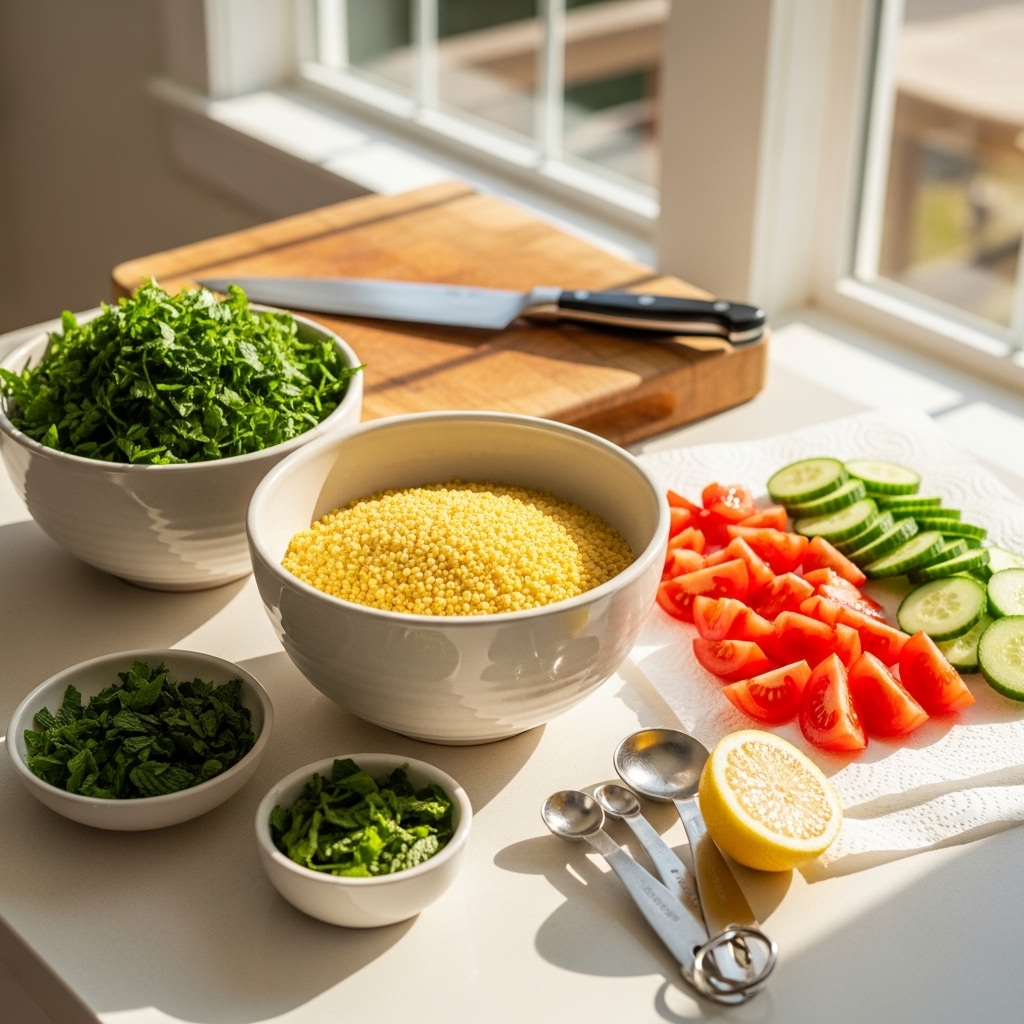
Introduction: When a Bright Salad Needs a Boost
Taboili is beloved in Naperville for its freshness—parsley, lemon, olive oil, tomatoes, and cucumbers singing in harmony with just enough bulgur to add a gentle chew. Yet even a simple salad has its pitfalls. Maybe the herbs wilt, the grain turns mushy, or the dressing tastes flat. The good news is that each of these issues has a practical fix, and once you understand the why behind the problem, your Taboili can go from good to outstanding. Whether you are ordering from a neighborhood spot or making a batch at home for a Riverwalk picnic, a quick glance at a local menu and a few smart techniques will keep your bowl lively from the first bite to the last.
What follows are the most common Taboili challenges we see around town, along with local-minded solutions that account for our seasons, shopping habits, and the way Naperville families like to eat. You will find that small details—knife work, timing, and ingredient choice—make the biggest difference.
Issue One: Soggy Bulgur
Nothing drags down Taboili faster than mushy bulgur. The grain should be tender, not soft, offering a pleasant background texture that supports the herbs. The culprit is usually over-hydration or prolonged soaking in lemon juice. In Naperville kitchens, the fix begins with measuring water carefully and timing the soak. Hydrate the bulgur just to the point of tenderness, then let it cool and fluff it before folding into the salad. If you prefer a lemon-forward profile, add the citrus to the assembled salad rather than soaking the bulgur in it.
When ordering out, look for cues on the plate: grains that keep their shape, a salad that is not dense, and herbs that still look airy. If a place is known for precision in chopping and seasoning, the bulgur usually follows suit.
Issue Two: Watery Tomatoes and Cucumbers
Tomatoes and cucumbers are essential to Taboili’s juiciness, but too much water can wash out flavor. In peak season around Naperville, the produce is often perfect as is, needing only a small dice to distribute flavor. Out of season, control moisture by choosing firm varieties like Roma tomatoes and English cucumbers, removing seeds when necessary, and folding them in closer to serving time. The goal is lively crunch, not a watery bowl.
Restaurants that excel at Taboili typically time assembly to preserve texture. If you notice crisp vegetables even after a short drive home, you are seeing good technique in action.
Issue Three: Bitter or Bruised Parsley
Parsley should taste fresh, green, and slightly peppery—not bitter. Bitterness often comes from stems overshadowing the leaves or from bruising during chopping. The fix is simple: use mostly leaves and a sharp knife. Chop in small batches to avoid mashing the herbs. In Naperville’s farmers markets, flat-leaf parsley tends to be particularly fragrant; a quick rinse, a thorough dry, and careful chopping will reward you with a fluffy, aromatic base.
If you are sensitive to parsley’s stronger notes, adding a touch more mint can soften the edges. Just be careful not to let mint dominate; it should be the cool whisper, not the headline.
Issue Four: Flat or Overly Sharp Dressing
Taboili’s dressing relies on balance. Too little lemon and the salad tastes dull; too much and it becomes harsh. Olive oil smooths the edges, but overdoing it leaves the salad heavy. Calibrating the ratio to taste is essential. A good practice is to season lightly, taste, and adjust. When the lemon lifts the herbs and the olive oil glistens without pooling, you are in the right zone.
In a restaurant setting, listen to how people describe the flavor—words like bright, clean, and balanced signal a confident hand with the dressing. At home, remember that salt enhances lemon; a pinch can unlock citrus without making the salad salty.
Issue Five: Coarse Chopping and Uneven Bites
Taboili shines when every bite feels cohesive. Oversized chunks of tomato or cucumber, or rough-cut parsley, can throw off the experience. Precise chopping is worth the effort. Aim for small, even pieces so each forkful includes a little of everything. This attention to detail is what makes a simple salad taste restaurant-quality, and it is a hallmark of Naperville kitchens that take pride in execution.
When in doubt, think about how easily the salad can be scooped into a pita or layered beside a wrap. If the pieces tuck together neatly, you are probably on the right track.
Issue Six: Overpowering Add-Ins
While creative additions can be fun, they should not overshadow the core. Strong flavors like raw onion, aggressive spices, or too much garlic can dominate. If you enjoy a hint of onion, lean toward mild varieties and a fine dice. Keep the focus on parsley, lemon, and olive oil. Naperville’s best Taboili keeps the profile clean and bright, trusting the classic combination to carry the dish.
For home cooks who crave variation, think seasonal but subtle: a whisper of scallion in spring, or a few diced peppers when the farmers market is bursting. The key is restraint.
Issue Seven: Taboili That Does Not Travel Well
Takeout is a big part of life here, and a salad that wilts on the way home disappoints. The fix lies in smart packing. Keep juicier elements like tomatoes and cucumbers separate until you are ready to eat, and chill the salad before transport if possible. Restaurants that excel at takeout often use containers that minimize jostling and keep herbs from being compressed. If your Taboili arrives looking as good as it tasted in-house, you have found a reliable spot.
For picnics along the Riverwalk, pack the salad in a shallow container to limit pressure on the herbs and bring a small container of lemon to add just before serving for a burst of brightness.
Issue Eight: The Salad Feels Like a Side, Not a Meal
Sometimes Taboili is so light that it needs a little support to become the centerpiece of a plate. Pairing with lean proteins—grilled chicken, baked fish, or chickpeas—solves this without weighing down the experience. A generous scoop of Taboili alongside a protein turns a simple dinner into something well-rounded, aligning with how many Naperville families prefer to eat on busy weeknights.
You can also build balanced bowls at home: Taboili as the anchor, roasted vegetables for depth, and a protein to finish. The salad’s lemony spark ties everything together, making the meal feel intentional rather than improvised.
Issue Nine: Inconsistent Flavor From Batch to Batch
Consistency is the mark of a confident kitchen. At home, the easiest path to consistency is measuring lemon and olive oil the first few times you make Taboili, then adjusting gradually until your hands learn the ratios. Keep notes on the size of your chop and the exact lemon you used; citrus varies in brightness from fruit to fruit, so tasting each batch matters.
In restaurants, consistency often comes from clear prep systems—chopping herbs close to service, hydrating bulgur properly, and dressing in stages. If you find a place where Taboili tastes great every time, that reliability is no accident.
Issue Ten: Serving at the Wrong Temperature
Temperature influences how we perceive acidity and aroma. Taboili tastes best cool rather than cold; straight-from-the-fridge salads can mute lemon and dull herbs. If you are preparing ahead, let the salad sit at room temperature for a few minutes before serving. This small window is enough to wake up the flavors without risking wilting.
For takeout, a brief rest on the counter while you set the table often does the trick. The goal is vibrancy—herbs that smell fresh and a dressing that feels lively on the palate.
Ordering With an Eye for Quality
Naperville diners are discerning, and it shows. The best local versions of Taboili present fluffy herbs, tidy knife work, and a balanced dressing that neither overwhelms nor hides. If you like to plan your plate before you arrive, scanning a well-organized menu helps you pair Taboili with items that complement its brightness. Over time, you will develop a sense for which combinations become your signature order, whether it is a wrap with a side of Taboili or a full platter anchored by that lemony herb mix.
When you taste a version that really sings, make note of the details: the size of the chop, the softness of the grain, and how the lemon lingers. These specifics guide both future orders and your own home cooking.
Frequently Asked Questions
Why does my Taboili turn watery in the fridge?
Moisture from tomatoes and cucumbers continues to release over time. To minimize this, add juicy vegetables closer to serving or seed them before chopping. A shallow container also helps distribute liquid rather than letting it pool.
How can I keep parsley from bruising?
Use a sharp knife and dry the herbs thoroughly after rinsing. Chop in small batches with a light, quick motion. Avoid pressing or mashing the leaves, which turns them dark and bitter.
What is the best grain alternative if I avoid gluten?
Quinoa is the most common substitute because it mimics bulgur’s gentle chew while remaining light. Finely chopped cauliflower also works if you prefer a grain-free approach. Keep the quantity modest so herbs remain the star.
How do I fix a dressing that tastes too sharp?
Add a touch more olive oil and a pinch of salt, then taste again. Lemon’s brightness softens when properly balanced with fat and seasoning. A minute of resting time also helps flavors meld.
Can Taboili be a full meal?
Yes, especially when paired with lean protein and a vegetable side. The salad’s freshness makes the meal feel satisfying without heaviness, which suits busy days and active evenings around town.
Make Your Next Bowl Shine
When you want Taboili that tastes as lively as Naperville feels, focus on balance, precision, and timing. And if tonight calls for a no-stress solution, explore a local menu and build a plate where this bright, herb-forward salad does what it does best—bring energy and harmony to every bite.