
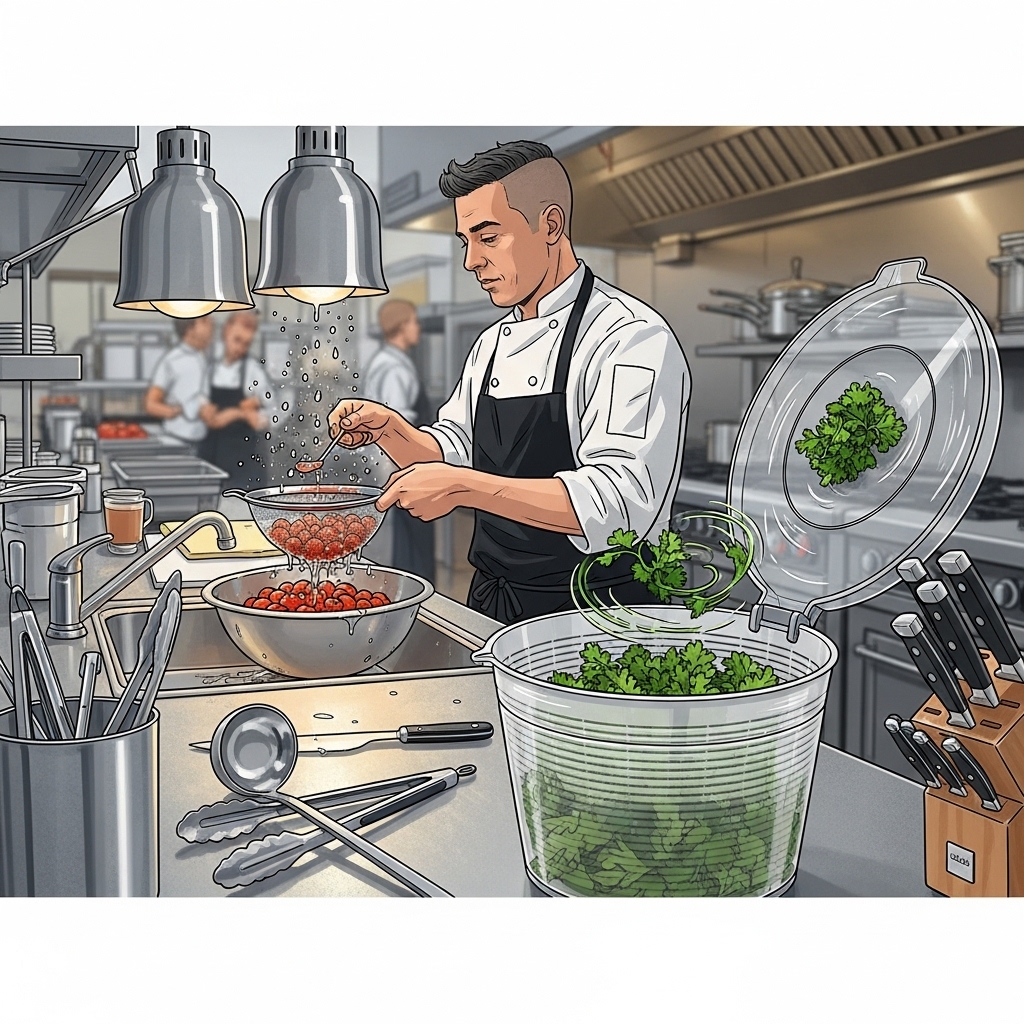
Talk to any Naperville kitchen that takes pride in its Mediterranean offerings and you will hear the same confession: Taboili salad looks simple, but it is unforgiving. The margin for error is small because the dish is defined by clarity—vivid herbs, clean acidity, and a texture that stays lively from first order to last. In a city where guests expect freshness by default, restaurants must negotiate the practical challenges behind that clarity. Understanding those challenges helps diners appreciate the craft and encourages teams to refine their systems. If you love the bright flavors of herb-forward salads, scanning a respected spot’s Mediterranean menu can be a quick way to spot a kitchen that has done the hard work.
Moisture Management and Sogginess
The most pervasive issue with Taboili is excess moisture. Parsley holds a surprising amount of water after washing, tomatoes shed juice as they sit, and bulgur can contribute additional hydration if it is not drained properly. Combine those factors and you risk a salad that tastes diluted and looks tired. In Naperville’s busy service windows, where orders can surge without warning, the temptation to rush drying steps is understandable—but costly. The solution is methodical: spin herbs aggressively, fold them onto absorbent towels, seed and drain tomatoes, and time the final toss as close to service as possible.
Consistency matters as much as technique. A kitchen may produce a vibrant batch at noon and a watery one at six if the process loosens. That inconsistency shows up immediately to guests, who often use Taboili as a benchmark for overall quality.
Knife Skills and Texture
Another common stumbling block is the chop. If parsley is cut too coarse, the salad eats rough and fails to integrate; too fine, and the herbs bruise and wilt. The tomatoes must be diced small enough to disperse but not so small that they collapse into the dressing. Bulgur should be tender with light chew. Achieving that balance requires sharp knives, steady hands, and time—commodities that get squeezed during peak hours. Restaurants that invest in training and maintain sharp tools see returns in both quality and speed. Texture is the signature of great Taboili; you cannot fake it.
Staff turnover complicates this. New team members need a clear standard and repetition to hit the mark. Written guides, visual references, and station checklists help preserve institutional knowledge across shifts.
The Lemon Equation
Fresh lemon juice is nonnegotiable, but it introduces its own complexities. Lemons vary in acidity and sweetness by season and source, which means the best kitchens taste and adjust constantly. Over-acidifying can make the salad harsh; under-acidifying leaves it flat. The solution is both systematic and sensory: measure base ratios, then calibrate to the day’s lemons. Some teams add a whisper of lemon zest to boost aroma without increasing sourness, but that requires a light touch to avoid bitterness.
Olive oil choice is just as critical. A medium, fruity oil supports the herbs; a peppery one can dominate. Consistency comes from disciplined purchasing and clear specs, ensuring the flavor profile remains stable even when supply chains shift.
Grain Balance and Gluten-Free Requests
Taboili is herb-driven, but bulgur is the most misunderstood ingredient. Too much grain makes the salad heavy and dull; too little leaves it without structure. Hydration must be exact so the grain is tender but not mushy. At the same time, growing demand for gluten-free options requires kitchens to master a parallel version, often with quinoa. That introduces risks of cross-contact if stations and utensils are not managed carefully. In Naperville, where diners are well-informed, a sloppy approach can erode trust quickly. The best teams designate space, tools, and containers to keep versions distinct and safe.
Communicating clearly with guests matters, too. Servers who can explain substitutions and preparation protocols reduce anxiety and help diners order with confidence.
Holding, Timing, and Service Flow
Because Taboili is so sensitive to water and acid, timing is everything. Dress too early, and the herbs wilt; dress too late, and the components may not integrate. Kitchens need a cadence: components prepped and chilled, tomatoes drained, grain ready, and a final toss at the moment of service. That cadence must hold during lunch rushes and evening waves. When it breaks—because a line backs up or a delivery order takes longer than expected—the salad pays the price.
Restaurants that thrive create micro-batches staggered through the day. They build slack into prep schedules to handle surges and set clear thresholds for remaking a batch rather than pushing a compromised one. Those decisions protect guest experience and, over time, the reputation of the entire menu.
Supply Chain and Seasonal Swings
Naperville kitchens feel seasonal shifts in produce quality. Parsley can arrive delicate in the heat of summer and hardy in winter; tomatoes swing from sweet and juicy to firm and restrained. Without adjustments, the same recipe will yield very different results. Smart teams adapt chop size, seasoning, and acid levels to the season. They may lean on slightly firmer tomatoes in colder months or refresh the salad with an extra squeeze of lemon just before plating in summer.
Supplier relationships are crucial here. Consistent vendors who understand a restaurant’s standards make it easier to maintain quality. Regular feedback loops—praising standout shipments, flagging problematic ones—help align expectations and outcomes.
Training and Communication
Great Taboili is a team effort that crosses stations. Prep cooks handle washing, drying, and chopping; line cooks manage seasoning and final toss; servers or counter staff communicate expectations and timing. If any link is weak, quality slips. Training must be ongoing, not a one-time orientation. Brief, focused refreshers at lineup keep the standard top-of-mind, and side-by-side coaching solidifies muscle memory.
Communication with guests matters as well. When diners request modifications—extra lemon, less grain, gluten-free—staff should respond with clarity and confidence. That builds trust and turns first-time visitors into regulars.
Packaging for Takeout
Takeout introduces a new set of variables: condensation, travel time, and temperature. Without the right packaging, even a beautifully made salad can arrive limp. The fix is twofold: containers that vent properly and tight control over when the salad is dressed. Many Naperville spots now combine components at the last moment, ensuring the herbs stay perky. Clear labeling and consistent portioning reduce confusion and increase customer satisfaction when orders get busy.
Delivery platforms add time variability. A kitchen that prepares for pickup and third-party delivery uses slightly different systems to preserve the salad’s integrity, from sauce cups to staging areas near the door.
Pricing Without Shortcutting
While we will not talk numbers, it is worth noting that labor—washing, drying, chopping—is the true cost driver for Taboili. Shortcuts tempt busy teams, but they show on the plate. Guests in Naperville tend to reward quality with loyalty, which means the long game favors technique over speed. Investing in proper tools—commercial spinners, sharp knives, ample refrigeration—pays off in consistent excellence.
Reading the Menu as a Guest
From the dining room side, you can spot a kitchen that handles Taboili well by watching for cues. If the salad arrives vibrant and well-drained, if the lemon tastes fresh and the herbs are crisp, the kitchen has its systems in place. If the salad looks flat or wet, it might reflect a breakdown in process that could impact other items too. When you are browsing a local shawarma menu, the presence of Taboili and other herb-forward sides is often a reliable indicator of how seriously a spot takes freshness.
What Success Looks Like
In kitchens that have solved the Taboili puzzle, the salad becomes a signature, a dish that regulars steer friends toward because it tastes unmistakably alive. Staff describe the preparation with pride, guests order it reflexively, and the salad itself tells the story of a team that respects ingredients and technique. It is a small thing, perhaps, but in a competitive dining town like Naperville, small things add up.
FAQ
Q: Why does Taboili sometimes taste dull?
A: Dull flavor usually points to tired herbs, bottled lemon juice, or overuse of olive oil. Fresh lemon and crisp parsley are essential. Proper seasoning—enough salt to make the lemon sing—brings the salad to life.
Q: How do restaurants keep Taboili from getting watery?
A: By drying herbs thoroughly, seeding and draining tomatoes, measuring grain carefully, and dressing close to service. Micro-batching throughout the day maintains texture and brightness.
Q: Can Taboili be prepared gluten-free safely?
A: Yes, with clear systems. Kitchens should use separate containers, utensils, and sometimes dedicated prep areas when substituting quinoa or other grains to avoid cross-contact.
Q: What are signs of over-acidified Taboili?
A: An aggressive, mouth-puckering sourness and herbs that look fatigued. Balancing lemon with the right amount of olive oil and salt prevents harshness.
Q: Is it possible to make Taboili ahead?
A: Components can be prepped in advance, but the final toss should happen close to serving. A last-minute squeeze of lemon revives aroma and keeps the salad tasting fresh.
For diners and restaurateurs alike, the message is the same: when Taboili is treated with care, it becomes a signature of quality that sets the tone for the entire meal. If you are ready to taste the difference that precision makes, explore a local favorite’s menu and make this bright, herb-driven classic a fixture of your Naperville dining routine.