
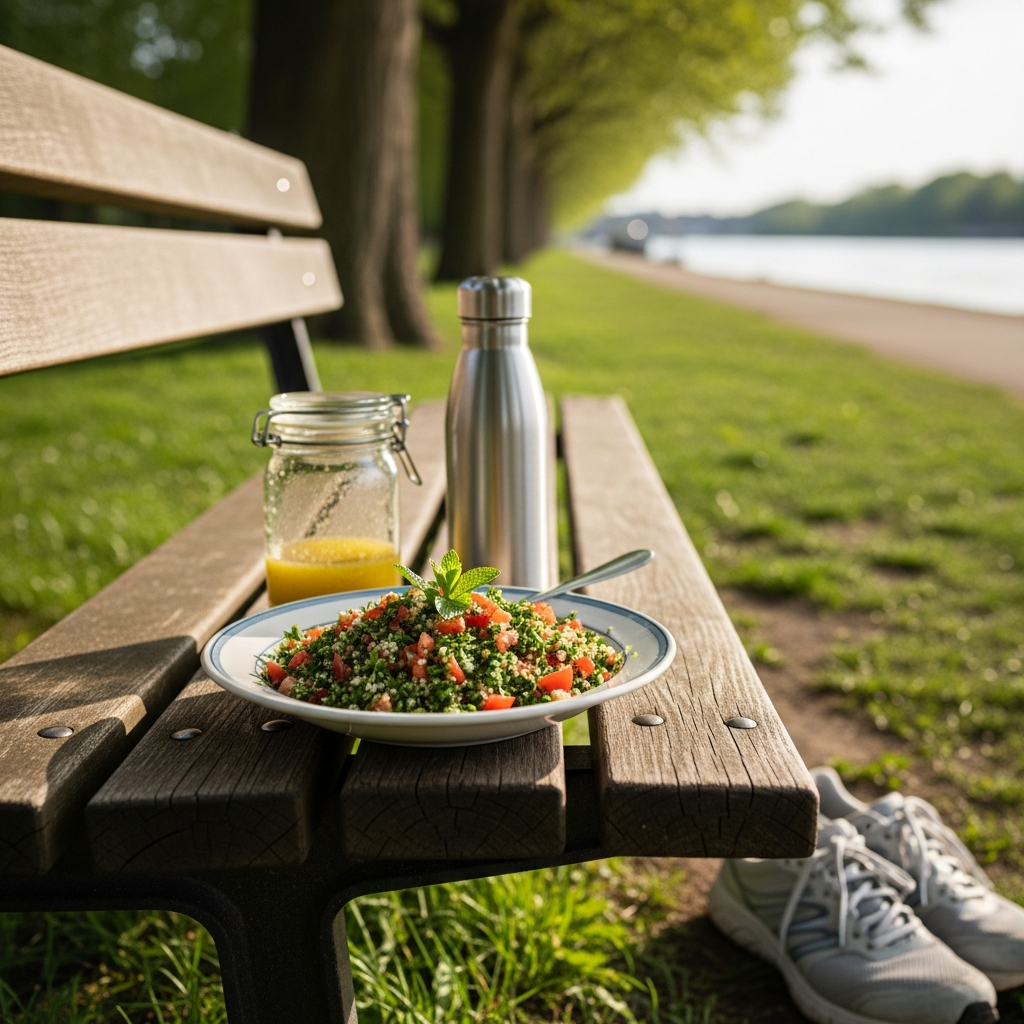
Healthy eating in Naperville isn’t a trend; it’s a way neighbors look after one another. From sunrise runs along the Riverwalk to Saturday bicycles zigzagging through Knoch Knolls and bustling weekend farmers markets near 5th Avenue Station, the city hums with routines that put fresh food at the center. Taboili—our herb‑forward, lemon‑bright salad many spell tabbouleh or tabouli—belongs in that rhythm. It’s built on flat leaf parsley, ripe tomatoes, scallions, mint, lemon, and extra virgin olive oil, with optional bulgur to round the texture. Beyond tasting wonderful next to grilled meats, legumes, or warm pita, the salad quietly supports health. If you’re sketching a week of nourishing meals, browsing a Mediterranean menu can help you picture how Taboili fits beside dips, proteins, and breads so your table feels complete without complication.
Parsley’s nutrition superpowers
Flat leaf parsley is more than a garnish. A packed cup brings potassium, vitamin C, and especially vitamin K, all in a tidy calorie package. While I won’t pretend a salad is a multivitamin, it’s fair to say that parsley makes nutrient density feel like indulgence when dressed with lemon and good olive oil. Its natural compounds—flavonoids and other polyphenols—play into antioxidant capacity, and the herb’s crisp, peppery lift encourages you to eat a bigger portion of something very green. Locally, the difference between average and excellent parsley is obvious the moment you chop. Vibrant, recently harvested bunches from markets along Ogden Avenue or tucked inside neighborhood grocers smell alive and taste sweet‑green rather than grassy, which nudges you to go back for more.
Lemon and olive oil: the absorption duo
Lemon contributes vitamin C and a sparkling acidity that makes wholesome food feel festive. Olive oil adds monounsaturated fats that support satiety and help your body absorb fat‑soluble compounds present in herbs and vegetables. When I explain this pairing at cooking demos around Naperville, folks often smile because it matches their experience: the salad feels satisfying beyond its calorie count, and they feel energized afterward rather than weighed down. The oil quantity is flexible; if you’re mindful about calories, you can be measured and still create a luxurious finish because the lemon carries so much sensory brightness.
Hydration by way of produce
On summer days when soccer fields at Commissioners Park radiate heat, Taboili does sneaky hydration work. Tomatoes, parsley, and lemon all carry water, and because you eat them raw and crisp, your body takes in that moisture along with fiber, minerals, and salt. It’s not a sports drink, but it’s a satisfying way to help your system rebound alongside a tall glass of water. I also find that eating something this fresh resets the palate; once you’ve had a bowl, overly salty or sweet foods taste out of tune, steering you gently back toward balanced choices without effort.
Fiber that fits daily life
Whether you include bulgur or go grainless, Taboili offers fiber from herbs, tomatoes, and scallions. If you fold in a small handful of fine bulgur, you add a pleasant chew plus a little more fiber that supports digestion and satiety. Grain‑free bowls remain surprisingly filling thanks to parsley’s volume; your fork gathers greens and vegetables in every bite, giving the mouthfeel people often chase with starch but without the same calorie load. For Naperville residents juggling workouts, commutes, and kids’ schedules, meals that quietly deliver fiber make everything else run a little smoother.
Plant‑focused protein partnerships
As a standalone, Taboili is light on protein; that’s an opportunity, not a flaw. Pair it with chickpeas, lentils, or a dollop of hummus, and you’ve built a plant‑forward plate that reads abundant and fresh. If you prefer animal proteins, grilled chicken or fish nestles in naturally. The salad’s acidity and herbaceousness sharpen flavors the way a squeeze of lemon does on a finished dish, which means you can season proteins more simply without losing excitement. This is how many Naperville cooks make weeknights feel healthy but generous: a great salad plus a basic protein, with sauces used more as accents than covers.
Seasonal eating made easy
Spring parsley is tender, summer tomatoes glow, and fall brings cooler evenings that make a room‑temperature salad beside warm roasted vegetables especially comforting. In winter, cherry tomatoes often outperform larger fruit, and the salad leans more on lemon to sing. Buying what looks best and adjusting seasoning slightly keeps the dish nourishing and dependable across months. The key is texture: dry greens, finely chopped; tomatoes seeded and well drained; mint ribboned and restrained; scallions sliced thin. Those habits make a bigger difference to perceived nutrition than any single add‑in because they keep the salad crisp and vivid, which in turn encourages you to eat more of the good stuff.
Sodium sense without dulling flavor
Healthy eating isn’t about erasing salt; it’s about using it with intention. A pinch of kosher salt early on unlocks parsley’s flavor, while lemon heightens brightness so you don’t need a heavy hand. If you’re pairing the salad with briny elements like olives or feta on the side, season the Taboili a touch lighter and let those accompaniments bring additional salinity at the table. I often see people reduce sodium comfortably just by leading with lemon. When food sparkles, you naturally use less salt.
Food mood: how bright meals shape habits
There’s a reason bright, fresh plates anchor many successful healthy‑eating routines in town. When a dish like Taboili hits the table, it invites seconds without guilt and makes the rest of the meal more measured. Families tell me their kids reach for the salad first, and the whole tone of dinner changes—lighter, more talk than task, more curiosity about what’s in the bowl. That shift matters because the best nutrition plan is the one you enjoy enough to keep. A salad that people crave is a reliable foundation.
Building a balanced plate, Naperville style
At workshops, I sketch a simple visual: a generous scoop of Taboili for color and crunch, a sensible portion of protein, and a small spoon of starch if you want it. This template flexes. On training days, add a bit more bulgur to the salad or serve a pita alongside; on lighter days, go grainless and double down on herbs. For inspiration on combinations, I sometimes glance at a Mediterranean menu to see how professional kitchens compose plates—greens, dips, grilled items, and breads—then riff at home. The idea isn’t to copy but to learn proportion and flow so healthy eating feels intuitive, not prescriptive.
Micronutrients without micromanaging
People often ask whether they should add superfoods to boost nutrition. My answer is usually simpler: make the basic salad exceptionally well and you’ll get a broad array of micronutrients naturally. Parsley brings vitamins and minerals; tomatoes add lycopene and vitamin C; lemon amplifies absorption and wakes up the palate; olive oil carries flavor and supports satiety. If you love extras, consider a small sprinkle of sumac for citrusy nuance or a spoon of finely diced cucumber in summer for hydration and crunch. But keep the herb focus, and you’ll find that the salad’s nutrient density takes care of itself.
Habits that keep the salad on repeat
Consistency comes from removing friction. Wash and dry your parsley right after shopping. Seed and dice tomatoes when you have a quiet ten minutes. Keep a small jar of lemon juice and olive oil whisked in the fridge so dressing is always at arm’s reach. Store components separately and combine right before dinner; the salad tastes more alive, and you avoid the sogginess that discourages leftovers. As these steps become routine, you’ll find Taboili sliding into your week with almost no effort, delivering color and nutrition night after night.
Frequently asked questions about Taboili nutrition
Is Taboili a good choice for weight‑conscious eating?
Yes. Because it’s built on herbs and vegetables with most calories from olive oil, portions feel generous for the calorie count. You can further tailor oil and any bulgur to align with your goals without losing the dish’s essential brightness.
Can I make Taboili gluten‑free?
Absolutely. Skip bulgur and build the salad strictly around parsley, tomatoes, scallions, mint, lemon, and olive oil. If you want a grain element, add a small scoop of cooked quinoa. The flavor stays true because the herbs lead.
How much olive oil is healthy to use?
Use enough to coat the herbs lightly so the salad tastes silky rather than dry. For a family bowl, two to four tablespoons is a common range. Choose a fragrant extra virgin olive oil so you can use less without sacrificing satisfaction.
Is there enough fiber if I don’t use bulgur?
Yes, thanks to parsley, tomatoes, and scallions. If you want more, a small quantity of bulgur or a spoon of chickpeas can increase fiber without tipping the salad away from its herb‑forward identity.
What proteins pair best for a balanced plate?
Grilled chicken, fish, tofu, chickpeas, or lentils sit beautifully beside Taboili. The salad’s acidity sharpens flavors, so you can keep protein seasoning simple and still enjoy a meal that tastes lively and satisfying.
If healthy eating in Naperville had a mascot, Taboili would be on the short list. It’s refreshing, colorful, and easy to love, supporting your goals without asking for perfection. Start your week with fresh herbs and a couple of lemons, set a bowl on the table, and watch how the rest of dinner falls into place. If you want ideas for companions that make the meal feel complete, a quick look at a well‑considered menu can offer just the nudge you need. Invite a friend, pass the salad, and enjoy the kind of food that keeps you feeling like yourself.