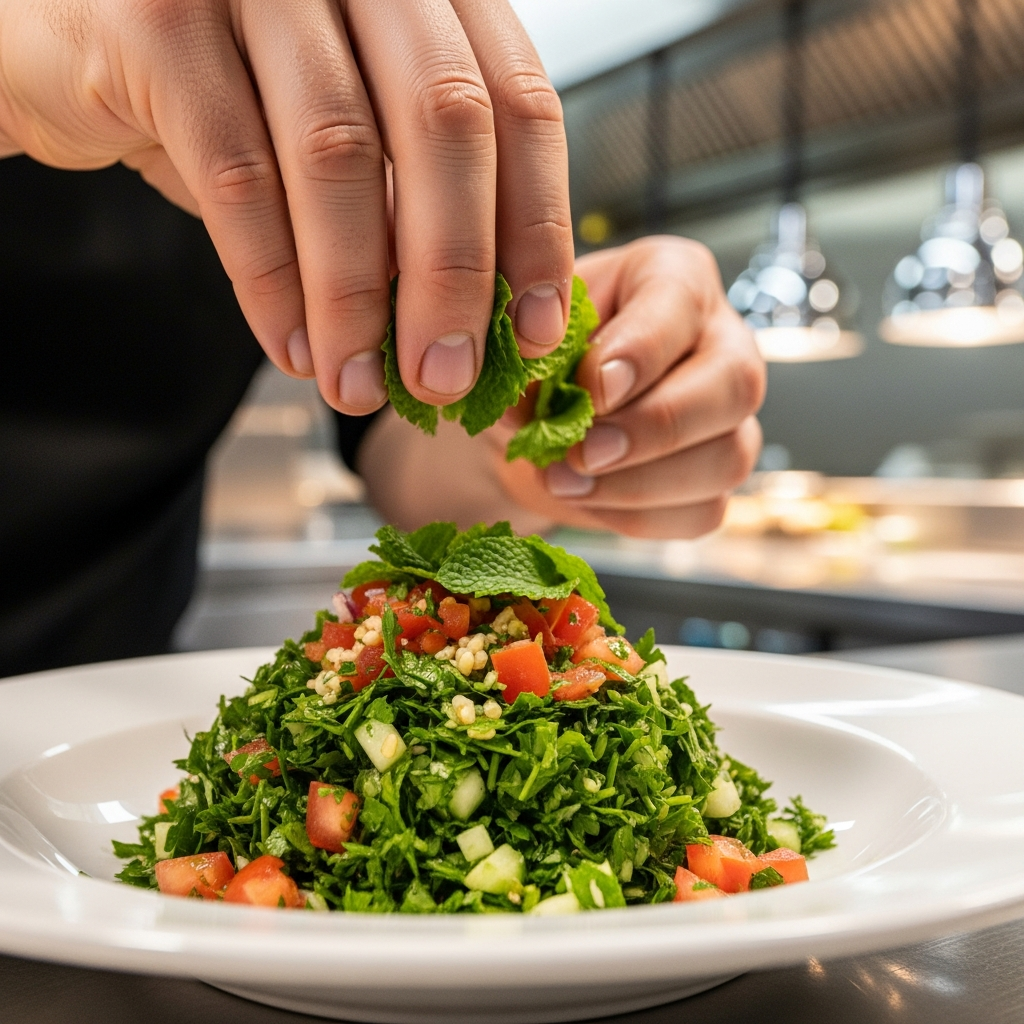
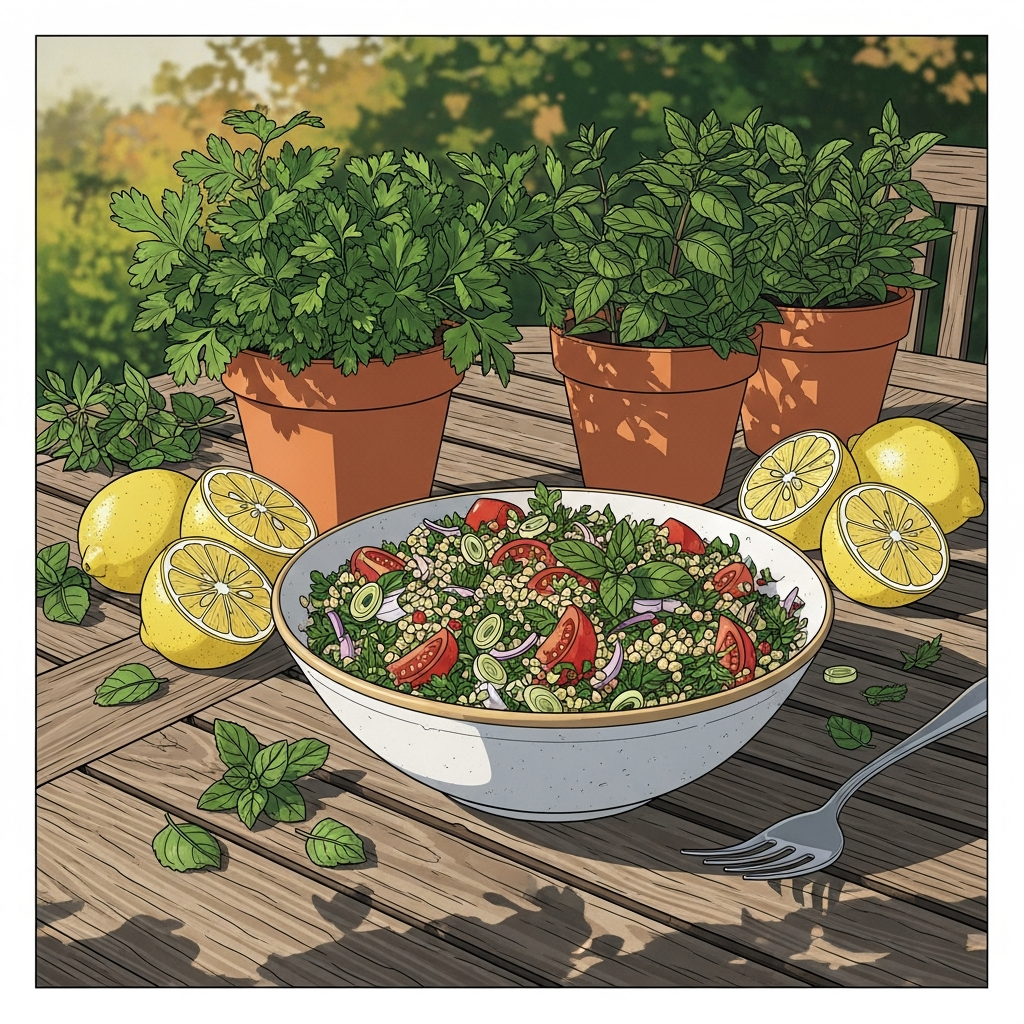
In Naperville, where backyard planters flourish along fences and kitchen windowsills catch just enough morning sun, Taboili salad feels like a natural expression of our neighborhood gardens. The first time I made a truly memorable bowl, I realized it wasn’t just the lemon or the olive oil doing the heavy lifting—the hero was the herb basket, anchored by parsley and accented with mint. Everything else, from tomatoes to scallions and a touch of bulgur, formed a frame around those fresh greens. If you’re anything like me, your recipe style is guided by what’s in season and what you can pick up on your way home. Between local groceries and weekend markets, you can build a Taboili that tastes as lively as a walk along the DuPage River. And when you’re thinking about how to round out a Mediterranean-inspired meal, it never hurts to glance at a neighborhood spot’s Mediterranean menu for pairing ideas—warm breads, grilled meats, and spreads that make herbs sparkle.
What sets a Naperville-made Taboili apart is that we can tune the herbs to our climate and our taste. Parsley here often arrives sturdy and vivid, especially as summer gets underway. The trick is to translate that raw energy into a feathery, almost cloud-like pile that carries lemon and olive oil lightly. Mint, meanwhile, is often easy to grow in a pot on the patio, and those tender tops are gold in this salad. The balance you’re seeking is a chorus of greens that feels cool, crisp, and persistent on the palate without turning bracing or bitter.
The Herb-First Method
Start by washing flat-leaf parsley in very cold water. Give it time to drink in that chill; the leaves perk up and slice more cleanly. Spin them dry, then roll in a towel to wick lingering moisture. Destem only the thickest stems and gather leaves into a mound on the board. With a sharp knife, chop in smooth, even strokes until you have a fine, airy texture. You should see distinct flecks—not a paste. The mint gets similar treatment, though I prefer stacking the leaves and slicing into thin ribbons so each strand weaves softly into each bite. For scallions, shave the white and pale green parts thin, letting those smooth crescents scatter through the bowl.
While you prep, set a small dish of lemon juice nearby to remind you of the target: vibrant but balanced. Taboili’s strength is restraint, and that starts with the greens. Once chopped, heap the herbs in a wide bowl. Breathe in the scent—this is the soul of your salad. At this stage, I like to sprinkle a small pinch of salt to start coaxing the flavors forward, but hold the majority of seasoning for the final toss.
Tomatoes and Cucumber: Clean Cuts, Clear Flavor
For tomatoes, choose firm, sweet varieties that hold their shape. Roma, cocktail, or vine-ripened tomatoes work well if they aren’t too watery. If they are, scoop out the seeds and dice the flesh. Lay the tomatoes on a plate, sprinkle a scant pinch of salt, and let them rest while you tend to the bulgur. For cucumbers, reach for seedless types when possible. If seeds are large, run a spoon down the center to remove them. Keep your dice small enough to mingle with the herbs; Taboili is not a chunky salad but rather an herb confetti with bright, gem-like add-ins.
This is a nice moment to reflect on why this dish resonates in Naperville kitchens: it’s an antidote to heavy flavors and a reminder that fresh often wins. As much as we enjoy a hearty Sunday dinner, a weekday bowl of Taboili can reset your palate and steer the evening into lighter territory. Think of the tomatoes and cucumber as the cool undertone to the herb melody.
Bulgur the Subtle Way
Because this is an herb-driven recipe, bulgur plays a supporting role. Fine bulgur (#1) is ideal. Rinse briefly in a sieve, shake it dry, and then hydrate with equal parts boiling water for five to eight minutes, or soak it in lemon juice if you prefer a zesty kick. Drain well, fluff with a fork, and taste for tenderness. You want it soft but still distinct, not mushy. If you’ve ever had Taboili that felt heavy, chances are the bulgur took center stage. The Naperville way is to let the greens sing while the bulgur hums quietly in the background.
Some families prefer a grain-free version. If so, skip the bulgur entirely and allow the herbs to stand proudly with tomatoes, cucumber, and scallions. Or, for gluten-free needs, use a small amount of well-rinsed, lightly cooked quinoa cooled completely. Whatever path you choose, the principle holds: the herbs set the tone and everyone else follows.
Mixing and Seasoning
With all components ready, gather them in a large bowl: a mountain of parsley and mint, a snowfall of scallions, a jewel-toned handful of tomatoes, and a cooling pile of cucumbers. Drizzle in fresh lemon juice and extra-virgin olive oil. Start small with the oil, a bit more assertive with lemon. Add a pinch of salt and a very light shake of black pepper if you enjoy it. Then toss gently with a wide spoon, lifting from the base so the herbs aren’t compressed. Taste, pause, taste again. You’re searching for a buoyant balance—lemon upfront, herbs bright, oil silky but not heavy.
If it’s late summer and your tomatoes are particularly sweet, you may need an extra squeeze of lemon. If your parsley leans peppery, a dash more oil can round the edges. The salad evolves over five or ten minutes as the flavors mingle. Right before serving, fluff once more to restore volume; you should see flecks of green buoyed by glossed tomatoes and cucumber, all barely dressed.
Local Herbs: Growing, Buying, Caring
Naperville’s growing season is generous to parsley and mint if you give them consistent water and moderate sun. In containers, parsley thrives with regular trimming; cutting from the outer stems encourages new growth. Mint prefers a pot of its own to prevent it from overtaking neighbors. For those who buy rather than grow, shop for bunches with perky leaves and snappy stems. Avoid herbs that smell musty or look droopy. When you get home, trim the ends and store like a bouquet—stems in a jar of water in the fridge, loosely covered. Or wrap in damp paper towels and slide into a bag with air holes. Either method buys you time and protects that fresh snap Taboili depends on.
When market days roll around, don’t be shy about asking for a taste or a whiff. The nose knows—parsley should smell green and clean, mint should greet you with cool sweetness, and scallions should read fresh and grassy, never sulfurous. If you come home with more herbs than you need, chop leftovers and fold them into omelets, grain bowls, or simple lemony dressings. Around here, a big bundle of herbs rarely goes to waste.
Serving in the Naperville Rhythm
We’re a city that loves casual hospitality—porch suppers, patio lunches, and backyard get-togethers where kids dart between lawn games. Taboili slides into all of these moments. Spoon it alongside grilled fish, tuck it into romaine leaves with a touch of hummus, or use it as a refreshment station on a plate piled with roasted vegetables. If you’re building a fuller spread, look to a restaurant’s shawarma menu for cues on complementary textures—savory meats, soft pitas, and tangy sauces that harmonize with the herbs.
For picnics by the Riverwalk, keep components separate until serving. Toss just before eating so the lemon stays bright and the herbs hold their lift. If you’re bringing the salad to a potluck, choose a wide, shallow bowl and bring extra lemon wedges so late arrivals can refresh their servings. Taboili holds its charm for hours if kept cool and fluffed occasionally.
Variations That Respect Tradition
Purists will tell you Taboili is parsley first, everything else second—and they’re right. Still, a light hand with variations can be welcome. A pinch of Aleppo pepper adds gentle warmth. A dusting of sumac underscores the citrus if you like an extra-tart contour. Fold in a few pomegranate seeds during the holidays for color. The key is to protect the salad’s identity; if herbs stop being the hero, you’ve veered into a different dish. Naperville palates appreciate clean lines and honest flavors, and that’s exactly what Taboili offers when you keep it focused.
On days when you crave more protein, serve chickpeas on the side or layer Taboili over a bed of lentils dressed lightly in lemon and oil. This lets each element keep its texture while creating a satisfying plate. Another trick is to rub your bowl with a cut garlic clove before mixing; you get a halo of garlic without the bite of raw minced cloves weaving through every forkful.
Make-Ahead and Leftovers
Prepping in advance is straightforward. Chop herbs and store them wrapped and cold, dice tomatoes and cucumbers and keep them drained in a separate container, and hold your dressing for the final toss. The salad wakes up happily when you mix it at the last minute. For leftovers, keep them covered and chilled; the next day, add a pinch of salt and a touch of lemon to refresh. I love piling day-old Taboili on top of roasted sweet potatoes or tucking it into a pita with grilled zucchini for lunch.
One gentle caution: freezing is not kind to herbs. If you find yourself with too much Taboili, invite a neighbor or pack a small container to drop off for a friend. Around here, a surprise delivery of a bright green salad is a day-brightener.
Why This Recipe Works for Our Community
Naperville kitchens tend to be busy ones, with schedules that bend around commutes, practices, and study sessions. A reliable Taboili recipe acts like a refresh button—quick to build, quicker to enjoy, and kind to the palate. It’s also deeply shareable; a bowl holds beautifully in the center of a table, inviting conversation while the lemon tilts the mood toward sunlit and easy. There’s a reason this salad feels timeless even when trends come and go. It’s honest food, made better by attention to detail and an herb-first mindset.
When I teach friends to make it, I ask them to slow down for three steps: dry the herbs thoroughly, chop with a light, sharp rhythm, and taste twice before you add more oil. Those small habits keep the salad vibrant. If you’ve struggled with soggy or flat Taboili, it’s almost always a question of moisture balance and seasoning timing. Solve those, and suddenly the same ingredients taste new.
FAQ
Can I use curly parsley instead of flat-leaf? You can, but flat-leaf tends to chop more cleanly and brings a brighter, cleaner flavor. If using curly, chop very finely and season thoughtfully.
What’s the best way to keep mint from browning? Slice it just before mixing and use a very sharp knife. Keeping the leaves cold and dry helps preserve color.
How much lemon should I use? Enough to taste it first but not so much that it overwhelms the herbs. Start with a generous squeeze, then add more after the first toss if needed.
Do I need black pepper? Optional. A small amount can emphasize freshness without changing the salad’s character.
Can I make Taboili without bulgur? Yes. Skip it entirely for an herb-only version, or substitute a small amount of cooled quinoa if you need a gluten-free approach.
How do I avoid watery tomatoes? Use firm varieties, seed if necessary, salt lightly and drain while you prep the rest of the ingredients, and add them just before serving.
Bring Your Herb Basket to Life
Ready to put your Naperville-grown or market-fresh herbs to work? Chop with confidence, taste with intention, and serve with a smile. And if you want an easy road map for complementary dishes, browse a local favorite’s menu for inspiration, then bring those ideas home to your own table. One bright bowl of Taboili and you’ll see how herbs can turn an ordinary evening into something memorable.