
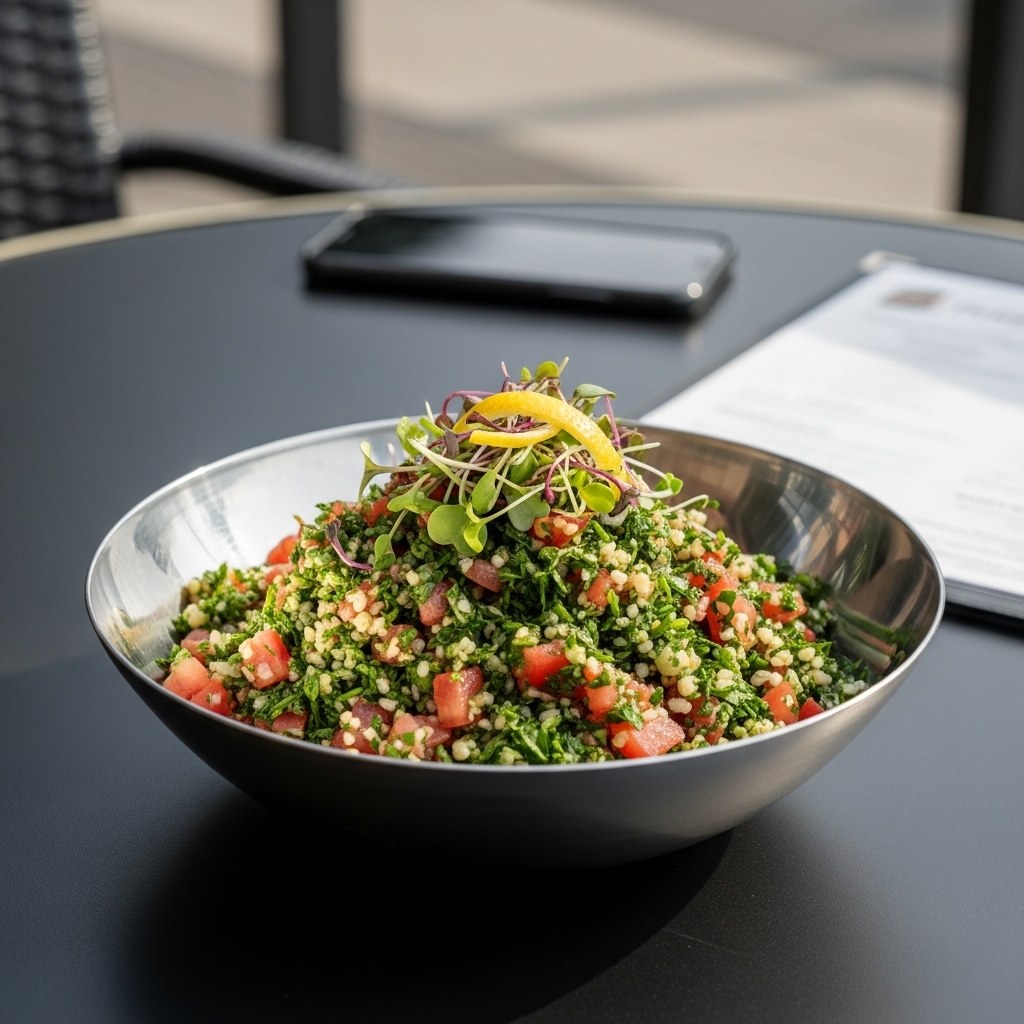
Walk down Jefferson or Washington on a Saturday and you can feel how Naperville’s tastes evolve in real time—families sharing plates on patios, friends trading bites over a lazy lunch, joggers wrapping up a Riverwalk loop and musing about where to refuel. In that everyday conversation, Taboili salad has gone from quiet classic to clear favorite. It’s not only a nod to tradition; it’s also a canvas for local creativity. When friends ask how to catch up with what’s current, I often suggest starting with a reliable Mediterranean menu and noting how Taboili is presented. The ingredients tell a story, and lately, that story in Naperville is delightfully dynamic.
Taboili’s local momentum comes from two forces working in harmony. First, there’s a renewed appreciation for freshness and balance—herb-forward dishes that feel energizing but satisfying. Second, Naperville’s culinary curiosity means we’re willing to try small twists that honor the base while keeping things fresh. The result is a salad that can be comfortably traditional or playfully modern, enjoyed as a bright counterpoint to rich mains or as a centerpiece in its own right.
Classic Roots, Modern Touches
At its core, Taboili thrives on finely chopped parsley, ripe tomatoes, lemon, olive oil, and a grain that adds gentle body. That blueprint isn’t changing—and it shouldn’t. What’s evolving in Naperville is the way chefs and home cooks adjust the dials. Maybe it’s a slightly punchier lemon note for winter, when we crave brightness. Maybe it’s mint leaning forward in summer, mirroring the coolness of shaded Riverwalk paths. Some kitchens have explored a lighter hand with grain, letting parsley command the bowl for a greener, more aromatic profile that photographs beautifully and tastes even better.
We’re also seeing thoughtful ingredient swaps for specific needs. Quinoa has become a common stand-in for bulgur when diners want gluten-free options without sacrificing texture. I’ve even tasted versions with finely riced cauliflower for a low-grain take that keeps the salad’s spirit intact. These aren’t gimmicks; they’re responses to Naperville’s desire to make room for everyone at the table, the same way we adjust spice levels or offer dairy-light sauces for guests who prefer them.
Seasonality on the Plate
Local tastes reflect local seasons. In June and July, tomatoes veer sweet and juicy, and Taboili leans more toward a sun-kissed, juicy style. Late summer might add cucumber for crunchy contrast and an extra splash of lemon for sparkle. As temperatures drop, I see cooks nudge the ratio toward grain just a hair, which feels grounding without getting heavy. Fresh mint is a small but mighty lever, and when you catch that cool lift on a warm day, it’s like a breeze off the DuPage River in salad form.
Even the chopping style is seasonal in spirit. In winter, when tomatoes may be less exuberant, some cooks go finer with the dice to spread flavor more evenly. In peak season, you can afford a slightly chunkier tomato because the fruit carries itself. These are the kitchen judgments that Naperville diners appreciate: little decisions that show someone paid attention to the moment. Food here is personal; it reflects what’s just come in the door.
Pairings That Reflect Naperville’s Palate
Trends aren’t only about what’s in the bowl; they’re about what sits beside it. Lately, I’ve noticed more people pairing Taboili with smoky or charred notes—grilled chicken, seared eggplant, or a crisp-edged falafel. The salad’s lemon and herbs act like a reset button between bites, letting you linger over deeper flavors without feeling weighed down. At larger gatherings, it’s become common to anchor a table with Taboili and then orbit it with dips and spreads. Guests can assemble bites at their own pace, and the meal becomes a choose-your-own-adventure that still feels cohesive.
Naperville also loves a good picnic. Whether it’s Centennial Beach afternoons or a Riverwalk sunset, Taboili’s sturdiness makes it practical. Dressed thoughtfully, it holds well; layered as components, it becomes a quick toss-and-serve the moment you spread a blanket. That practicality has become part of the trend too: food that does double duty, tasting as good on a patio as it does from a container balanced on your lap while people-watching downtown.
How Restaurants Signal Quality
Local menus subtly communicate their Taboili style. Look for language that hints at fine chopping, emphasis on herbs, or seasonal tomatoes. When a place notes the lemon-forward dressing or mentions mint, you can expect clarity in the bowl. If the grain is treated as an accent rather than a bulk filler, that’s a tell for a greener profile—very popular right now among Naperville diners who want vibrancy first. All of this mirrors a broader shift in town toward dishes that keep you feeling light, able to take a stroll after dinner rather than collapsing on the couch.
For takeout nights, Taboili performs like a star. I’ll often plan a spread around it: a char-kissed protein, a couple of dips for richness, and something pickled for pop. Halfway through the meal, when friends wonder what else could make the flavors sing, I’ll point them toward the fresh salads menu for pairings that echo what we’re loving—bright, crisp, balanced bites that make rich dishes feel livelier.
At-Home Experiments That Work
Naperville cooks love to tinker. Successful twists keep the spirit of Taboili while nudging one element forward. Try a lemon zest addition for a perfumed lift without extra acidity, or a quick toss of herbs in a chilled bowl so they stay perky on warm evenings. If tomatoes are particularly watery, salt them lightly and let them rest a few minutes; the juices that collect become part of the dressing, deepening flavor rather than diluting it. For a winter version, I’ve amped the parsley-to-grain ratio and finished with an assertive squeeze of lemon, a move that snaps a cozy meal into focus.
Texture is your guide when you’re experimenting. You want a light spring from the grain, but you never want it to dominate. You want a juicy release from tomatoes, but not a pool at the bottom of the bowl. You want herbs to look glossy, not soggy. When your eye sees that balance, your palate likely will too. And the adjustments are small: an extra minute of chopping, a pinch more salt to coax juices, a measured pour of olive oil to tie it all together.
Community, Conversation, and a Bowl of Green
What I cherish most about Taboili’s moment in Naperville is the way it invites conversation. A bowl appears at the center of the table and people begin comparing notes—how fine to chop, what mint does, whether cucumber belongs every time. These chats are friendly, local, full of personality. Food is a social language in this city, and Taboili speaks it fluently. It’s at home on a backyard table, at a North Central College potluck, or spread across a kitchen island during a stormy night in.
Trends come and go, but some stick because they meet real needs. Taboili offers brightness we crave, versatility we use, and health benefits we feel. It supports the way Naperville lives—active, social, and curious. I’ve watched friends who were once indifferent to salads become protective of a favorite Taboili style, insisting on lemon levels or herb ratios the way a coffee drinker insists on grind size. That attachment tells me this isn’t just a phase; it’s a local taste maturing in real time.
Frequently Asked Questions
What Taboili style is trending in Naperville right now?
Herb-forward bowls with a bright, lemon-led profile are especially popular. Diners want a vibrant green look, finely chopped textures, and grain used as an accent rather than the star. The result is light, lively, and seasonally adaptable.
Are ingredient swaps like quinoa common?
Yes. Quinoa is a frequent substitute for bulgur when gluten-free options are preferred, and some cooks even try finely riced cauliflower. The key is preserving Taboili’s spirit—fresh herbs, balanced acidity, and a satisfying, not heavy, texture.
How do I tell if a restaurant’s Taboili will be great?
Read the menu cues. Mentions of fine chopping, seasonal tomatoes, mint, or lemon-led dressing often signal attention to detail. When grain is described as light or accenting, expect a greener, brighter bowl.
What pairs best with Taboili for a modern spread?
Smoky, charred, or rich elements—grilled chicken, seared eggplant, falafel, and creamy dips—shine next to Taboili. The salad resets your palate, letting you enjoy deeper flavors without fatigue.
Does Taboili work for picnics and to-go meals?
Absolutely. Dress lightly and toss just before eating, or pack components separately. It’s sturdy enough for Riverwalk picnics and holds up well for takeout, which fits Naperville’s on-the-go rhythm.
How can I make a winter-friendly Taboili?
Lean into herbs, go slightly finer on the chop, and keep lemon bright. A touch more grain can feel grounding, and a confident squeeze of lemon will keep the bowl lively beside cozier mains.
If you’re eager to taste what Naperville is loving right now, pick a vibrant Taboili and let it steer your menu. For quick inspiration, scan the Habibi Shawarmas menu, select a bright, herb-packed salad, and pair it with something smoky or creamy for contrast. You’ll feel the trend in action at your own table—and you might just set the next one among your friends.