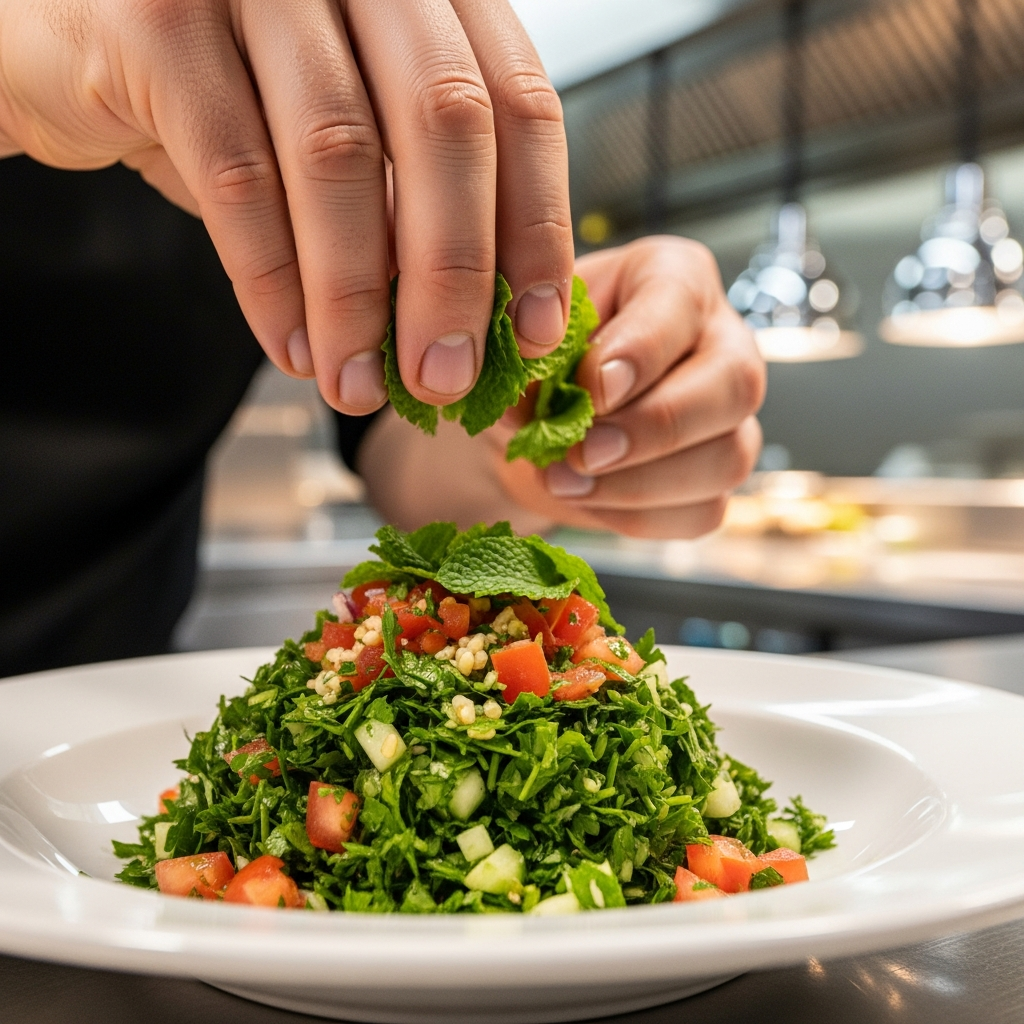
In a city like Naperville, where weeknights move quickly and weekends fill with gatherings, Taboili salad should be the easy win—a bowl that feels alive, tastes clean, and steadies the appetite. Yet even a simple recipe can go sideways. Maybe the herbs wilt, the tomatoes water things down, or the whole bowl tastes flat. Local cooks experience these frustrations for predictable reasons: shifting seasons, busy schedules, and ingredients that behave differently in July than they do in January. The good news is that nearly every common issue has a practical, Naperville-tested fix. Before you order carryout or scan a neighborhood menu for ideas, let’s walk through the pitfalls and the solutions that restore the salad to its rightful brightness.
Problem: A Watery, Soggy Bowl
This is the complaint I hear most in Naperville kitchens, especially in late summer when tomatoes are abundant. Wateriness happens when multiple small factors compound: herbs that were washed but not fully dried, tomatoes that were cut and tossed immediately, bulgur that absorbed too much liquid, and dressing that was added without regard to what the vegetables would release. The fix begins before you mix anything. Spin the parsley and mint dry until they are truly moisture-free, and lay them on a clean towel while you prep. Salt your tomatoes lightly in a separate bowl and give them a few minutes to shed excess juice; then use that flavorful liquid in your dressing so it is not lost but controlled. Hydrate bulgur just to tenderness and then fluff it, allowing steam to escape so the grains do not keep softening in the bowl. When you combine, fold gently and add dressing in stages, stopping the moment the salad looks glossy rather than wet.
Seasonal awareness helps too. In July, cucumbers and tomatoes carry more water, so compensate with a slightly firmer bulgur and a touch more lemon to brighten without extra oil. In winter, produce behaves differently; you might add a drizzle more olive oil to coax aroma from sturdier herbs while keeping a close eye on salinity, since winter tomatoes may already be less juicy.
Problem: Bitter or Harsh Flavors
Sometimes Taboili tastes aggressive, with a sharp edge that lingers. Bitterness can creep in if parsley stems are too chunky, if lemon pith gets into the bowl, or if the onion is cut too big and left raw without tempering. In Naperville’s cooler months, herbs can also arrive a touch more assertive, and that needs a soft hand. The remedy begins with your knife. Chop parsley finely and include tender stems in moderation, but avoid the thicker, woodier bits. Zest lemons with care, stopping at the yellow peel and leaving the bitter white pith behind. For onions, a fine slice or mince is key, and a brief rest with a pinch of salt or a quick rinse under cool water will round off the edges. Olive oil quality matters as well; a balanced, fruity oil supports brightness without bringing its own bitterness to the party.
Acidity balance is the other lever. If the salad spikes high and sharp, fold in a spoon or two of the tomato juices captured during salting, or let the bowl rest for ten minutes so the lemon disperses more evenly. Time can be an ingredient; patience often cures the harshness that hurried mixing creates.
Problem: Blandness and Missing Spark
Flat Taboili is a heartbreaker because it promises so much in the bowl. The cure is not simply more salt. Think first about your tomatoes. In Naperville winters, choose smaller, flavorful varieties and let them warm slightly before cutting to coax sweetness. Next, pay attention to lemon. Juice alone can underperform; a little zest builds aroma and adds the top notes that make the salad sing. Finally, treat olive oil as a flavor, not just a lubricant. A good extra-virgin oil added at the end, after you have balanced acid and salt, can flip the switch from okay to memorable.
Texture plays into flavor, too. A confetti cut on the herbs distributes seasoning evenly. If your slices are large and clumsy, individual bites will miss the full chorus. In a town that loves details—from tidy lawns to careful schedules—Taboili rewards that same attentiveness.
Problem: Mushy Bulgur
Mushiness steals the salad’s backbone. It usually happens when bulgur soaks too long, sits in water that is too hot, or gets tossed with dressing while steaming. The fix is straightforward. Rinse the grains, then hydrate with just-boiled water poured over the bulgur in a measured ratio, covering for the time specified by the grain’s grind. Fluff with a fork and spread it briefly on a tray to release heat. When it feels tender with a hint of resilience, it is ready. Resist the urge to keep seasoning while it is warm; you want the grains cool and defined before they meet the herbs and vegetables.
In summer, when tomatoes will contribute more liquid, err on the side of slightly firmer bulgur. In winter, when produce is drier, a slightly softer grain can feel comforting without collapsing the structure. This seasonal adjustment is subtle, but it matters, especially if you want leftovers to hold well.
Problem: The Salad Wilts Overnight
Leftovers should be a midweek gift, not a disappointment. Wilting usually traces back to excess moisture and compression. Store Taboili in a shallow container rather than a deep one so the herbs do not get crushed. If you anticipate keeping it for more than a day, hold back a spoonful or two of lemon and oil, and refresh the bowl just before serving. Folding gently rather than stirring hard also protects the cut of the herbs. In a Naperville household where the fridge is a busy hub, these small habits preserve the salad’s welcome snap.
Another overlooked trick is to keep a reserve of chopped parsley and a few diced tomatoes in a separate container. When you serve leftovers, sprinkle that fresh handful over the top. The salad gains instant lift and looks newly made, which is often half the battle in winning over a skeptical eater on day two.
Problem: Not Enough Body for a Main Course
When Taboili needs to step up from side dish to main, the goal is density without heaviness. Chickpeas are the obvious choice and fold in seamlessly, but lentils, grilled shrimp, or slivered roasted chicken also work. The trick is proportion. You want to preserve the herb-forward identity while giving the bowl staying power. In Naperville’s after-work window, when dinner has to soothe and sustain, a modest protein addition turns the salad into a complete meal without sacrificing its clarity.
Another route is to serve Taboili over a bed of additional greens or alongside a warm vegetable, like roasted zucchini or peppers in late summer. The temperature contrast makes the herbs feel even brighter, and the whole plate reads as generous and intentional.
Problem: Time Pressure
Rushing is the enemy of balance. If you have fifteen minutes before a kid’s practice or a neighborhood meeting, focus on the moves that matter most. Buy parsley in big, fresh bunches and wash it as soon as you get home so it is ready to chop later. Keep bulgur measured in a jar so you can pour, soak, and fluff without guesswork. Salt the tomatoes first and let them sit while you chop; they will season themselves and give you a base for dressing. These habits take the pressure off so that even on a tight schedule, the salad tastes composed rather than chaotic.
Carryout can also cover the gap on nights when time truly runs out. Knowing which kitchens in town handle herbs with care is part of being a savvy Naperville eater. When you do lean on carryout, plate the salad in a shallow bowl at home, add a few fresh herbs if you have them, and let it sit at room temperature for five minutes to open up the flavors. Small touches make store-bought feel home-touched.
Problem: Overly Salty or Acidic
Occasionally, a heavy hand on the seasoning tips the bowl out of balance. If salt runs high, fold in additional chopped parsley and cucumber to absorb and dilute without flattening the flavor. A small handful of cooked, cooled bulgur can also bring things back to center. If acidity shouts, a spoon of olive oil and a pinch of salt redirect the palate, while a short rest lets the citrus mellow. Naperville cooks know that balance often returns if you give the bowl a moment; it is a lesson learned watching storms clear to blue skies after a summer downpour.
Remember that serving temperature influences perception. Very cold salads can taste sharper and saltier. Letting Taboili warm slightly on the counter—no more than a short pause—often smooths edges and reveals aroma that was hiding in the chill.
Problem: Inconsistent Bites
When some forkfuls taste amazing and others fall flat, the culprit is usually uneven cutting or hurried mixing. The confetti chop ensures that every bite carries herbs, tomato, cucumber, and grain in harmony. Slow down during assembly and fold gently from the bottom of the bowl upward. Consistency is not fussy; it is kind to the eater, and it signals that you respect the ingredients.
Serving vessels play a role, too. A wide bowl gives you room to combine without crushing. This is not a salad that benefits from deep, narrow containers or aggressive tongs. In Naperville’s many home kitchens, a simple mixing bowl used with patience outperforms fancy gear every time.
Frequently Asked Questions
How do I keep Taboili crisp for a picnic by the Riverwalk? Dry herbs thoroughly, salt tomatoes ahead, and store the salad in a shallow, airtight container. Bring a small extra splash of lemon and olive oil to refresh just before serving.
What’s the best way to cut onions so they don’t overpower the salad? Slice or mince finely, then either rinse briefly in cold water or toss with a pinch of salt and rest for a few minutes to soften the bite.
Can I prepare components ahead? Yes. Chop herbs and store them dry with a paper towel in the container, salt and drain tomatoes, and hydrate bulgur. Combine and dress shortly before serving.
How long does Taboili keep? Two to three days in the refrigerator is a good guideline. If you plan for leftovers, hold a bit of dressing back and add it when you serve again.
What if I over-salt the salad? Add more chopped parsley, cucumber, or a small handful of cooked bulgur to dilute, then taste again. A touch of lemon can also re-balance the palate.
How can I make Taboili into a main dish? Fold in chickpeas or serve alongside grilled proteins or hearty roasted vegetables. Keep the herb-forward character intact and adjust seasoning at the end.
Is there a fix for mushy bulgur? Spread the cooked grain on a tray to cool and dry slightly, then combine with the other ingredients. Next time, reduce the soak time or water temperature.
Bring Back the Brightness
Taboili thrives on attention to small details. With a few habits—dry herbs, balanced acid, measured salt, and patient mixing—you can solve the most common issues and bring the salad back to its sunny best. On nights when you want inspiration or a complement to your own bowl, skim a local menu, choose a pairing that suits your plan, and let a bright, herb-packed salad carry you from a rushed afternoon to an easy, generous meal.