Naperville’s dining scene has always moved with quiet confidence, blending suburban ease with big-city curiosity. Over the past few years, Halal restaurants have stepped decisively into that rhythm, shaping how locals eat on weeknights, where friends gather after a Riverwalk stroll, and what flavors anchor our weekend plans. As more families seek food that aligns with their values without sacrificing excitement, Halal kitchens have answered with creativity, technology, and a deeper sense of place. If you want a snapshot of how these ideas come to life, a quick look at a restaurant’s menu often reveals the direction of the moment.
Trends in Halal dining do not appear out of nowhere; they grow out of daily conversations between chefs and guests, out of seasonal produce from nearby markets, and out of the way our city spends its time. From tech-enabled ordering to plant-forward plates and global mashups, the most compelling shifts feel both fresh and inevitable—like they were always meant for Naperville.
Plant-Forward Plates with Halal Balance
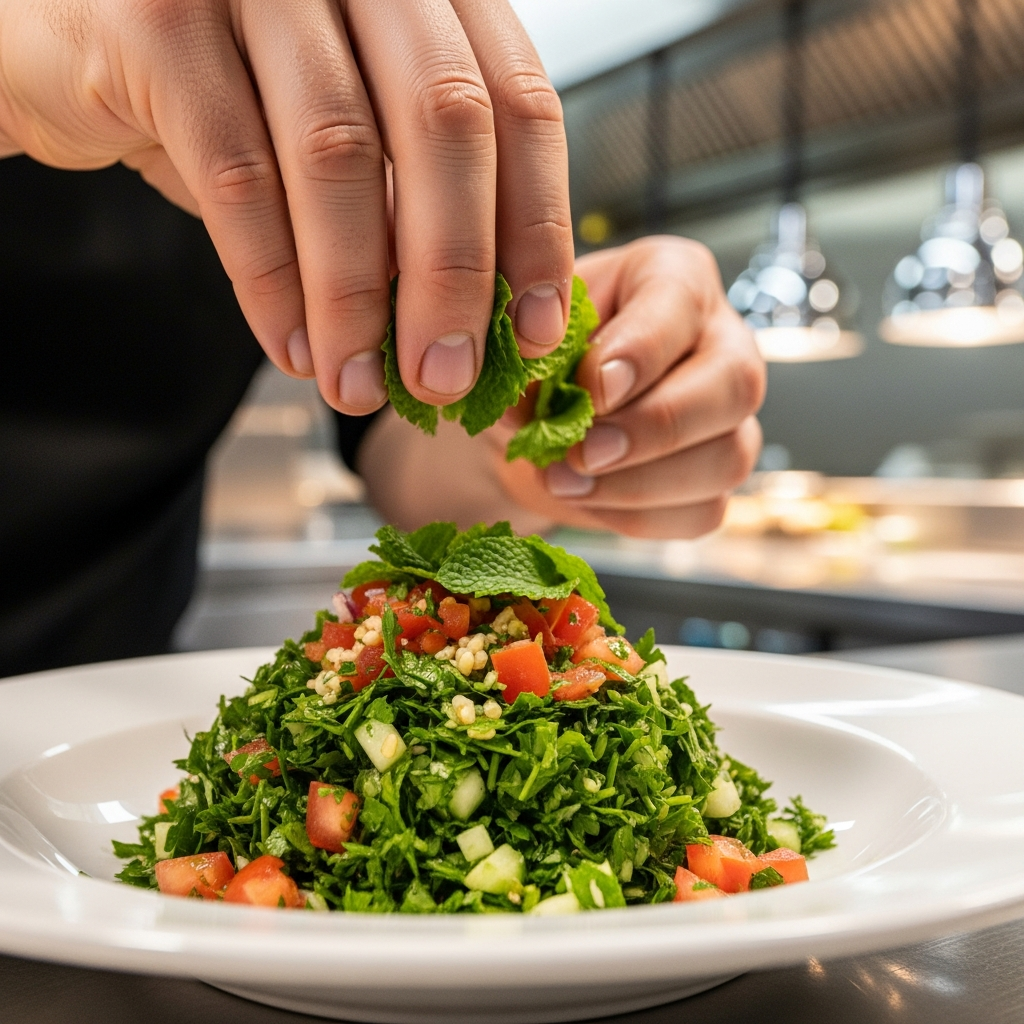
Plant-forward eating is not new, but Halal restaurants are redefining it with a sense of generosity. Instead of treating vegetables as a side, they become co-stars. Roasted cauliflower and eggplant carry smoky notes from the grill, pickled vegetables shine with just enough acidity to wake up the palate, and herb-packed salads deliver crunch and brightness. These dishes are thoughtfully composed to stand on their own, not as placeholders for meat. The result is a menu where omnivores can choose lighter meals without feeling like they stepped away from the main event.
This emphasis also benefits families and groups. When a table includes vegetarians, flexitarians, and meat-lovers, everyone finds something that satisfies. It is a subtle but powerful trend: inclusion delivered through abundance, not compromise. Kitchens invest in technique—proper roasting, smart seasoning, and contrasting textures—so that plant-forward options feel just as celebratory as a classic grill plate.
Global Mashups that Respect Tradition
Another trend reshaping Halal dining in Naperville is the art of the mashup. Chefs are exploring where classic preparations meet local preferences. You might notice a cool herb sauce brightening a rich, charred beef, or a citrus-laced marinade that nods to coastal flavors. When done with care, these mashups do not blur identity; they clarify it. They highlight shared techniques—marination, open-flame grilling, balanced acidity—that resonate across culinary traditions.
These ideas are not just for show. They solve practical needs. A mashup can lighten a cold-weather favorite for summer evenings on a patio, or it can layer heat in a way that satisfies both chili-lovers and those who prefer barely-there spice. The key is restraint. Naperville diners can taste when a kitchen has the confidence to let a few great elements sing.
Technology that Makes Good Hospitality Faster
Tech has quietly made Halal dining smoother. You see it in easy online ordering, clarity around pickup timing, and digital menus that explain marinades and sauces clearly. Yet the best uses of tech stay invisible, supporting hospitality rather than replacing it. Guests still get warm greetings at the counter, answers to specific allergen questions, and the pleasure of watching food assembled to order. Technology handles the logistics so staff can focus on being present.
Behind the scenes, inventory systems help kitchens reduce waste while staying ready for rushes after school events or Friday night hangouts. Thoughtful packaging preserves textures, and order pacing helps keep dining rooms calm even when lines stretch toward the door. The outcome is simple: better food, served more consistently, with less friction.
Seasonality and Local Rhythms
Seasonality has found a comfortable home in Halal restaurants across Naperville. In winter, kitchens lean into warmth and depth, coaxing sweetness from roasted vegetables and developing richer marinades that soothe without weighing down. Spring introduces herb-driven brightness and crisp textures that match the town’s renewed energy as parks fill up and patios open. Summer brings a celebration of tomato, cucumber, and lemon—ingredients that sing with grilled meats and breads. Fall revisits deeper roasts and sturdy greens, building plates that feel composed for a windy day near Centennial Beach or a football game evening.
Seasonal adjustments show up not only in ingredients but in pacing. Chefs tweak marinades to match the weather, choose garnishes that balance the sun’s heat, and consider how well a dish holds up for a picnic or a quick bite before a show at Pfeiffer Hall. The goal is to meet Naperville where it lives, not to force a one-size-fits-all menu.
Transparency as a Competitive Advantage
One of the strongest trends in Halal dining is radical clarity. Restaurants explain their sourcing, display certification, and train staff to field detailed questions. This is not just compliance; it is identity. Diners want to know the story behind their meal, and Halal kitchens are well-positioned to tell it. That openness separates restaurants that are merely good from those that become local institutions.
Transparency also helps families navigate allergens and preferences without anxiety. When a team can describe what is in a marinade or how the grill is managed to minimize cross-contact, guests relax. They order more confidently, try new things, and recommend the restaurant to friends. In a competitive dining scene, that trust compounds.
Comfort, Reimagined
Comfort food is evolving within Halal menus. Instead of leaning on heaviness, comfort now means balanced richness with lively accents. A charred edge here, a cooling sauce there, a crunch of pickled vegetables to reset the palate. These small moves make dishes craveable without fatigue. The trend rewards technique and taste memory; chefs ask, what makes a guest want the very next bite?
That kind of comfort is built for Naperville’s lifestyle. It fuels a brisk walk along the Riverwalk, supports an evening of studying at the library, or restores a parent after a carpool marathon. You leave satisfied but clear-headed, ready for what comes next.
Smart Menus that Teach as They Tempt
The best Halal menus read like helpful guides. They offer concise descriptions of marinades, indicate which sauces cool heat or amplify it, and suggest pairings that hit balance. A thoughtfully written seasonal menu lowers the barrier for newcomers and invites regulars to explore without confusion. It is hospitality on the page, meeting guests before they even step to the counter.
Menus are also becoming more narrative. They hint at origin stories for beloved dishes, credit the inspiration for a new sauce, or explain how a garnish contributes texture rather than just decoration. When guests understand what they are tasting, appreciation deepens and loyalty grows.
Packaging with Purpose
Takeout is not an afterthought anymore. Halal restaurants are investing in containers that protect crunch, prevent steam from turning bread soggy, and keep sauces where they belong. It is a quiet but telling trend: respect for the food’s journey from grill to destination. Naperville’s families spend plenty of dinners in cars, on couches during game nights, or at park benches, and thoughtful packaging recognizes those realities.
Even dine-in benefits from these improvements. Better organization at the counter, smart labeling, and intuitive assembly lines mean food arrives hot and composed. Guests feel cared for because details were considered long before they ordered.
Training that Centers the Guest
Another behind-the-scenes trend is staff training shaped around guest needs rather than just tasks. Teams practice how to explain a dish briefly and well, how to read when a table wants to linger or when a family needs to move quickly, and how to troubleshoot order mix-ups with grace. Kitchens rehearse allergy protocols and cross-contact prevention so that the right habits show up under pressure. When staff training centers hospitality, the dining room feels calm and confident even during peak traffic.
This approach also makes restaurants better workplaces, which improves retention and, by extension, consistency for guests. Familiar faces at the counter are not just comforting; they are a competitive edge.
Community Partnerships
Halal restaurants increasingly see themselves as community hubs. They sponsor youth teams, coordinate with local schools for events, and collaborate with nearby businesses. These partnerships position restaurants as neighbors first and vendors second. In Naperville, where civic life is strong, that neighborly spirit resonates. Guests respond to restaurants that show up for the city beyond the plate.
In practice, community engagement also feeds creativity. A collaboration with a local market might introduce a new herb blend, while a school event could inspire a lighter option that travels flawlessly. Trends do not just depart from the kitchen; they circulate through town and return improved.
Lean Operations, Bigger Impact
Efficiency is trending too. Streamlined prep routines free cooks to focus on the last five feet of the guest experience—the grill marks, the seasoning check, the sauce that ties everything together. Reduced waste saves resources and sharpens menus. The leaner the operation, the clearer the flavors. Guests taste the focus and come back for it.
Lean does not mean austere; it means purposeful. Choices on the line are there to serve a flavor logic, not to overwhelm. Diners feel guided rather than bombarded, which is exactly how a busy Naperville evening should flow.
What It All Means for Your Next Meal
Trends only matter if they make dinner better. In Naperville’s Halal restaurants, they do. You will notice faster, kinder service powered by quiet tech; menus that explain rather than confuse; and dishes that balance comfort with freshness. You will see plant-forward plates that stand tall next to grilled classics and global mashups that feel like they always belonged here.
As you decide what to order, trust your curiosity. Ask a quick question at the counter, pair a bright sauce with a charred protein, and consider adding a crisp salad or roasted vegetable to round out the plate. The point is not to chase novelty but to enjoy the way these trends refine what already works.
FAQ
Q: What is the biggest Halal dining trend in Naperville right now? A: Plant-forward plates with serious technique. Vegetables are getting as much attention as meats, resulting in vibrant, satisfying options that appeal to everyone at the table.
Q: How is technology changing the guest experience? A: Ordering and pickup are smoother, digital descriptions are clearer, and behind-the-scenes systems keep kitchens stocked and efficient. Guests feel the benefits as faster, calmer service.
Q: Are mashup dishes replacing traditional flavors? A: Not at all. The best mashups respect tradition, using shared techniques to highlight, not hide, classic tastes. They expand the conversation without erasing roots.
Q: What about allergen and dietary questions? A: Transparency is a defining trend. Teams are trained to explain ingredients and protocols clearly, which helps guests choose confidently and safely.
Q: Do these trends travel well for takeout? A: Yes. Packaging and pacing improvements protect textures and temperatures, making park picnics, office lunches, and couch dinners just as satisfying as dining in.
Q: How should a first-time guest navigate the choices? A: Read the menu descriptions, ask for a quick sauce pairing tip, and start with a balanced combination of protein, crunch, and brightness. Let your palate lead, then refine on your next visit.
If you are looking for a quick way to taste where Halal dining is headed, browse the restaurant’s menu, pick one classic and one trend-forward item, and enjoy the contrast. Naperville’s kitchens are cooking with purpose, and your next meal can be both easy and quietly exciting.