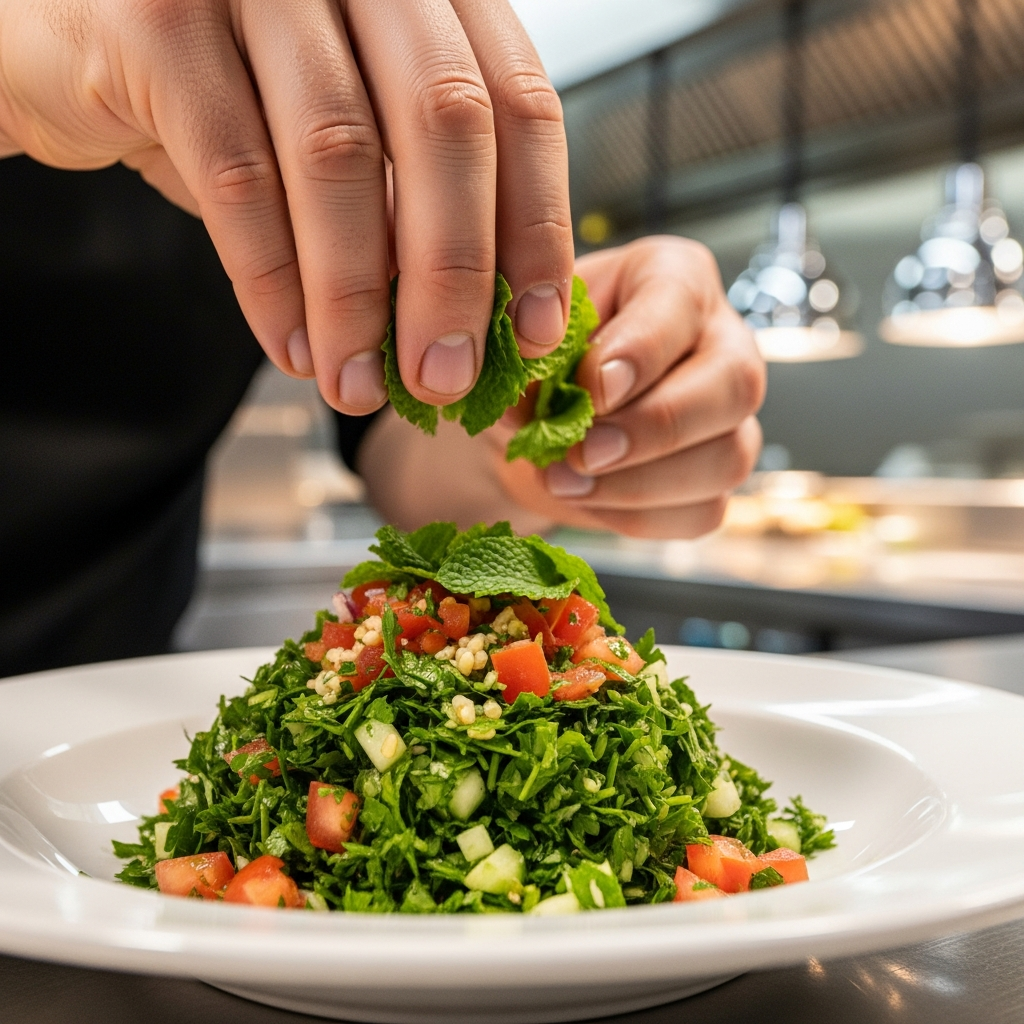
Great Halal restaurants are built on more than recipes. They depend on systems that protect flavor, honor standards, and keep guests coming back week after week. In Naperville, where families linger after Riverwalk strolls and students settle in for study breaks near the library, the most beloved Halal kitchens run like clockwork behind the scenes. If you are an owner, manager, or team lead, dialing in day-to-day maintenance is the surest way to translate values into consistent meals. For anyone curious about how excellence shows up on the plate, a glance at a restaurant’s menu only hints at the work that hums beneath the surface.
Maintenance might not be as glamorous as a perfect grill mark, but it is the foundation that makes every char, crunch, and sauce sing. The goal is not to add chores; it is to build habits that reduce stress, protect uptime, and keep flavor honest. In a town that prizes reliability, these small disciplines become your reputation.
Protect the Cold Chain Like Flavor Depends on It
From receiving to service, cold chain integrity is the heartbeat of a Halal kitchen. Calibrate thermometers regularly and audit coolers at predictable times each day. Organize storage so first-in, first-out rotation is instinctive, with labels that tell the story at a glance—date, time, and user initials. The payoff is immediate: proteins marinate safely and predictably, herbs hold their snap, and sauces remain bright. When a rush hits after a Friday game, you want your line cooks focused on sear and seasoning, not hunting for the freshest bin.
Small investments add up. Door gaskets that actually seal, shelving that allows airflow, and containers sized to cool quickly turn a good walk-in into a great one. In Naperville’s swings of summer heat and winter chill, a resilient cold chain is nonnegotiable.
Grill Discipline for Consistent Char
Char sells the dish long before the first bite, and maintaining that signature look and flavor requires care. Scrape grates routinely during service to avoid bitter buildup, and plan deeper cleanings on a cadence that suits your volume. Keep a log of hot and cool zones so staff know where to finish a piece that needs one more minute. When new team members join, train them to hear the sizzle and read the protein rather than babysit the clock alone.
Fuel management matters too. Whether you are working with gas or another heat source, stability is your friend. If you notice uneven color across a platter, check for hotspots, blocked jets, or tired components. A steady flame is the quiet hero of consistent plates.
Oil Care that Honors Texture
Fryers deliver joy when they are treated well. Skim debris frequently, filter oil on schedule, and measure turnover in days, not guesses. Cloudy oil dulls color and steals crunch; disciplined oil care restores snap and aroma. Pair this with smart staging so hot items are vented rather than trapped under steam. The ride from fryer to counter is a gauntlet—give texture a fighting chance by letting excess heat escape and sauces wait on the side until just before handing off the order.
Keep tools dedicated and clean. Tongs that smell like yesterday’s fish do not belong near today’s fries. Clear labeling and color-coding reduce mistakes when the line is flying, which protects both flavor and guest trust.
Marinade Management and Spice Integrity
Marinades are the soul of many Halal menus, and their care shows up in every slice. Record batch sizes, steep times, and temperature ranges, then enforce them. Overstepping the window can mute brightness or push salt too far. Train staff to taste and adjust within guardrails rather than improvising wildly, and rotate spices often enough that they sing instead of whisper. Store blends away from heat and light, and keep whole spices where possible to grind fresh in small batches.
This approach builds a living memory in the kitchen. When something tastes a hair different, cooks know where to look—was it the lemon, the spice batch, the steep time? The answers live in your records and your routine.
Clean Lines, Clear Minds
The fastest kitchens are not necessarily the ones that move the quickest; they are the ones that remove friction. Start with the line. Place proteins, breads, toppings, and sauces in an order that mirrors the guest’s experience, and keep backups within reach but out of the way. At shift change, reset the line to photo-ready standards so the next crew inherits clarity rather than clutter. When the dinner rush arrives, you will feel the difference in your shoulders.
Prep spaces deserve the same respect. Sharp knives, dry cutting boards, and a sweep-and-sanitize rhythm keep the machine humming. Staff should know where everything lives and why. When new hires see that order is nonnegotiable, they adopt it quickly.
Cross-Contact Controls that Build Trust
Halal standards and allergen care go hand in hand. Dedicate utensils for common allergens when feasible, and train staff to change gloves strategically rather than theatrically. Clear scripts help: a calm explanation of what is possible, what is not, and how the kitchen minimizes risk. Labeling sauces and toppings precisely prevents guessing games when the line is moving fast. Guests will notice the professionalism and reward it with loyalty.
Back these habits with visual cues—color-coded tools, distinct storage zones, and signage that reminds busy brains of quiet rules. The less your team has to remember on the fly, the safer and smoother service becomes.
Water, Steam, and Small Leaks
Water is a quiet saboteur. A slow leak under a prep sink can turn into warped floors and fruit flies; steam without a proper exit point coats ceilings and invites grime. Walk the kitchen daily with a maintenance eye. Feel for dampness under mats, check traps and gaskets, and clean drains with regularity. Ventilation needs to pull its weight too; hoods and filters should be cleaned on a cadence that fits your volume, not a generic calendar.
Guests experience good ventilation as comfort. The dining room smells enticing but never heavy, and the kitchen crew ends a rush without feeling smoked out. In Naperville’s humid summers, this is not a luxury—it is a requirement for clarity of flavor and team well-being.
Floor Plans that Respect Flow
A floor plan is a living thing. Watch how guests move during a rush, where lines form, and which corners feel tight for strollers or mobility aids. Adjust furniture to widen aisles, relocate condiment stations that cause clogs, and keep high chairs within easy reach. Small tweaks compound into smoother nights, happier families, and safer service.
Do the same study in the back of house. If the bread station bumps the grill team, or if garnishes block a critical reach-in, the line will never hit top speed. Move the puzzle pieces until the flow feels inevitable.
Documentation that Tells the Story
Great maintenance survives staff changes because it is written down. Keep simple checklists that lead rather than nag, and store logs where they are easy to use, not easy to ignore. Temperature checks, oil filtration, fryer boil-outs, hood cleanings, and sanitizer tests should live in one tidy playbook. When health inspections or certification reviews come around, you will not scramble; you will point to a system that runs every day, not just on test day.
Documentation is also a coaching tool. When a guest offers feedback about a dish, your notes can confirm what changed and when. That clarity helps you fix issues quickly and train with purpose.
People Maintenance Is Kitchen Maintenance
Tools and temperatures matter, but so does morale. Cross-train so staff can flex across the line, rotate roles to prevent burnout, and huddle briefly before service to review specials, shortages, and safety reminders. Praise out loud when a cook rescues a dish with a sharp move—others will learn by example. A team that feels seen will take better care of the craft, which shows up in the details guests taste.
Invest in scripts for common moments: how to explain a sauce’s heat, how to discuss allergens calmly, and how to invite a guest to taste before choosing. Confidence at the counter is the natural partner of excellence on the line.
Exterior and Entryway Care
The first impression starts in the parking lot. In winter, melting snow drags salt through your door; invest in mats that trap grit before it reaches the line. In summer, keep outdoor seating wiped and ready between quick storms. A clean entry signals care, and care is contagious. Staff who walk into an orderly space carry that mindset to the cutting board and the grill.
Lighting matters too. Warm, even light over the counter helps guests read menus and recognize ingredients. It also flatters the food, which encourages photos—and photos invite more guests.
Smart Sourcing and Backup Plans
Supplier hiccups happen. Build redundancy by cultivating at least two reliable sources for critical items and keeping par levels honest. When a specific herb or pepper is short, have a fallback plan that preserves balance without drifting off-brand. Communicate with guests about temporary changes; Naperville diners reward honesty and adaptability.
Over time, track which shortages recur seasonally and set reminders a few weeks ahead. A steady kitchen is less about never being surprised and more about never being stranded.
Digital Housekeeping
Maintenance extends to what guests see on their phones. Keep hours, contact info, and menu highlights current across platforms so a busy parent does not show up to a dark dining room. Organize online photos so they reflect real portions and plating. When you update offerings, make sure the ordering flow matches. Even a single mismatched sauce name can spin the line while staff sort it out.
Likewise, a clean, intuitive online menu reduces order friction. The clearer the path from curiosity to checkout, the calmer your dining room will be at peak times.
Preventive Schedules Over Emergency Fixes
Emergencies will come, but you can shrink their frequency with preventive schedules. Set quarterly deep cleans for hoods and hard-to-reach surfaces, monthly fryer boil-outs, weekly gasket checks, and daily thermometer calibrations. Post the schedule where the team can see it, and celebrate completion just as you would a sales milestone. Culture grows around what you honor.
In Naperville’s four-season climate, adjust HVAC filters with the weather and plan for door drafts that challenge temperature control. Comfort keeps guests lingering—and lingering guests become regulars.
Guest Feedback as a Maintenance Tool
Invite feedback and act on it visibly. If guests mention soggy bread on busy nights, test a new packaging move and let them know you changed it. When people see their input translated into action, they engage more, and your maintenance loop tightens. Over time, this dialogue becomes your competitive advantage.
Teach staff to harvest specifics: what was too salty, which sauce felt thin, where the texture slipped. That level of detail guides fixes better than generic praise or complaint. Maintenance is a conversation, not a monologue.
The Payoff You Can Taste
Maintenance translates directly to the plate. Crisp fries tell the story of clean oil, char patterns reflect disciplined grills, and vivid herbs report on cold chain integrity. Even the calm in the dining room is a flavor—guests relax when the operation hums. In a city that values reliability, these signals become the reasons people drive past other options and head straight to you.
If you ever wonder whether the work is worth it, watch a family lean in for the first bite and then nod quietly to each other. That is maintenance, made visible as delight.
FAQ
Q: What maintenance task has the biggest impact on flavor? A: Oil care and grill discipline are neck and neck. Clean oil keeps textures lively; a well-maintained grill delivers the char and aroma that sell the dish before the first bite.
Q: How often should we rotate spices? A: As often as your volume requires to keep aroma vivid—typically every few weeks for ground blends, with whole spices ground in small batches to extend freshness without sacrificing punch.
Q: What is the simplest way to improve takeout quality? A: Vent hot items, keep sauces on the side when possible, and separate hot and cold components. Packaging that protects texture is the fastest path to better at-home meals.
Q: How can we train new staff quickly without losing standards? A: Pair clear checklists with hands-on coaching. Teach the why behind each step, run short pre-shift huddles, and celebrate visible wins so habits take root fast.
Q: How do we communicate temporary menu changes without frustrating guests? A: Be direct and positive at the counter and online. Offer the closest balanced alternative and explain the plan to restore the original item. Honesty earns patience.
Q: What off-the-radar maintenance task pays big dividends? A: Walk the kitchen daily with a leak-and-vent checklist. Small moisture problems and tired filters quietly cause big flavor and comfort issues if left alone.
When you are ready to turn maintenance into a competitive edge, start by tightening one or two routines and share the wins with your team. And when it is time to remind guests what that care tastes like, refresh photos and highlight favorites on the menu. Naperville notices excellence, and a steady operation turns first visits into regulars faster than any marketing line ever could.