In a city as organized as Naperville, it’s easy to forget how many moving parts it takes to deliver a great online food experience. For Halal orders in particular, the stakes are higher because quality and preparation standards are non-negotiable. Over the years, talking with neighbors from Brookdale to Tall Grass and with operators along Ogden, 75th, and Route 59, I’ve seen the same challenges crop up—and more importantly, the same solutions. Naming these common issues helps set realistic expectations and gives you strategies to protect the meal you’re looking forward to, whether it’s a quiet Tuesday dinner or a family gathering after a long day.
One of the most common frustrations is inconsistency in spice and seasoning. A wrap that sings one week can feel muted the next if the line gets slammed or a substitution slips into the prep. Halal kitchens that care about consistency build systems—spice blends measured by weight, sauces batched in small, frequent rounds, and clear station diagrams for busy nights. As a diner, you can help by writing precise notes, saving favorite configurations for reorders, and choosing pickup or delivery times that match your tolerance for variability. In Naperville, early evening orders often hit the sweet spot between freshness and line pressure.
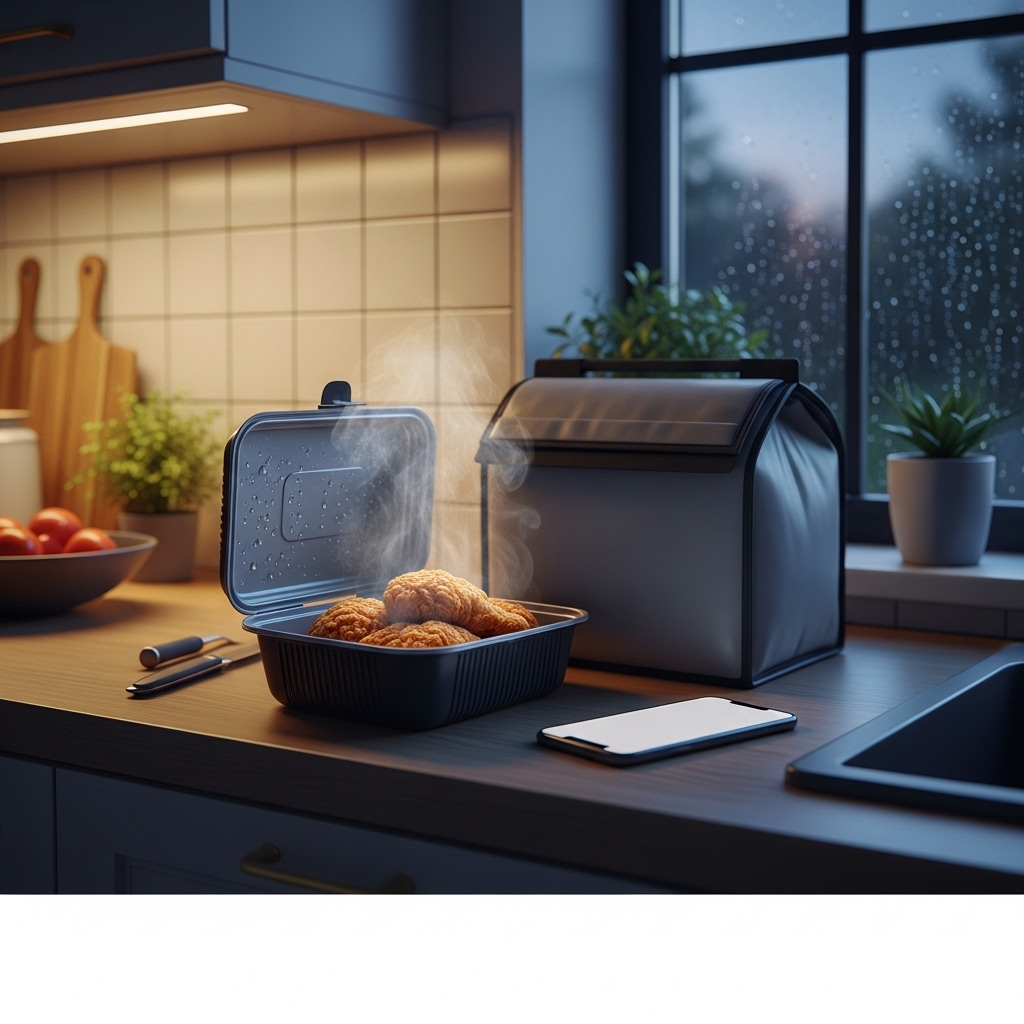
Packaging and travel present another hurdle. Some items beg to be eaten immediately, while others improve slightly as flavors mingle. A common issue is condensation softening crispy components during the drive from downtown to south Naperville or across Washington Street at peak time. Smart operators vent fried items, separate hot proteins from cool salads, and insulate tender breads. If you’re a few miles out or the weather swings toward humid or icy, consider adding a note to keep sauces on the side and to separate hot and cold whenever possible. Those small choices add up to a better plate at home.
Delivery timing can wobble when traffic piles up near Route 59 or a sudden rain sweeps in. The best kitchens use order throttling to avoid overcommitting and cluster deliveries by neighborhood—Brookdale, Cress Creek, Naper Carriage Hill—to shave minutes that matter. As a customer, watch estimated times and schedule ahead when your night is packed. A ten-minute buffer can protect both your meal and your sanity.
Address quirks create more problems than people realize. Apartment complexes near 95th Street, townhouse clusters with mirrored layouts, and gated community kiosks can slow drivers who don’t have the right access notes. Add gate codes, building letters, landmark cues, or parking instructions to your order. It’s not just courtesy; it’s the difference between a driver wandering in the cold and your dinner arriving steamy and intact.
For Halal integrity, cross-contact concerns occasionally surface, especially in mixed kitchens. Reputable operators train staff rigorously and keep designated prep zones, but clarity from the diner helps. If you need a strictly separate prep or have allergies, state it explicitly in your order. The combination of your specificity and the kitchen’s systems protects the standard that brings you to Halal food in the first place.
Menu confusion is more subtle but just as real. Without clear descriptions, diners may over-order heavy items or miss the bright sides that keep a meal balanced. Good online menus teach as much as they tempt, explaining how a lemony slaw lifts a rich protein or how a charred vegetable side adds depth. When you see that care, you can trust the rest of the operation. A well-composed menu saves you from guesswork and helps the kitchen pace itself effectively.
Another issue is the mismatch between late-night demand and kitchen capacity. Running a full board after 9:30 p.m. can stretch teams thin, and quality dips. Savvy operators tighten the late menu to items that travel and reheat well, which preserves standards and avoids burnout. If you’re ordering late after a shift at Edward Hospital or a study sprint near North Central College, pick those streamlined options and you’ll be rewarded with better texture and temperature.
Weather remains the X factor. In deep winter, roads slow and food cools faster; in midsummer, humidity turns lids into steam traps. Operators adjust with insulated wraps, vented containers, and tighter delivery clusters. You can meet them halfway by planning ahead—schedule pickup when you’re already out, or opt for delivery during storms to stay safe and protect the packaging from temperature shocks. Naperville’s seasonal swings are predictable enough that a bit of forethought goes a long way.
Communication gaps can sour an otherwise good meal. If an item runs out or a prep tweak is needed, the difference between a quick update and radio silence determines how you feel when the bag arrives. Kitchens that communicate well during busy windows earn trust quickly. As a customer, keep your phone handy after placing the order and respond promptly to substitution messages. These small exchanges keep service smooth for everyone in the queue.
Bulk orders for family events or community gatherings bring their own challenges. Without clear labeling and staggered prep, platters can arrive jumbled, and sauces may go missing. The fix is simple but requires discipline: submit the order with lead time, list names next to individual meals in the notes, and request labeling on boxes. Strong operators anticipate this and pack accordingly, turning what could be chaos into an easy, celebratory spread.
Sometimes, the issue is too much choice. Naperville diners are spoiled—in a good way—by a wide range of options. But an unedited scroll can create decision fatigue, especially when everyone’s hungry. That’s where curated recommendations help: a few “balanced meal” suggestions that combine a protein, a bright side, and a complementary sauce can cut through noise without limiting variety. If you notice a menu offering these cues, it’s a sign the team is thinking like a host, not just a vendor.
Finally, there’s the misconception that online ordering is impersonal. In practice, the opposite is true when operators care. Notes in your order become part of a long-term relationship. Staff learn that you like extra lemon or that your toddler prefers mild. Over time, that familiarity shows up in little touches that make pickup feel like catching up with a neighbor rather than transacting with a screen. In a town built on strong neighborhoods and school pride, those human details matter.
Frequently Asked Questions
How can I keep crispy items from getting soggy during delivery?
Ask for vented packaging and sauces on the side, and consider scheduling pickup if you live far from the restaurant. When weather is humid or snowy, these steps matter even more. Good kitchens separate hot and cool items to maintain texture all the way home.
What’s the best way to ensure Halal integrity in a mixed kitchen?
Be specific in your notes about separate prep and handling, and look for menus that explain sourcing and kitchen protocols. Reputable operators train for this level of care and will acknowledge your requests clearly.
Why do delivery estimates sometimes shift at the last minute?
Traffic on Washington or Route 59, sudden storms, and clustered apartment addresses can introduce delays. Operators who throttle orders and group deliveries by neighborhood reduce these surprises, but a short buffer in your plan helps protect the meal.
How do I avoid over-ordering heavy items?
Lean on descriptions that explain balance—look for mentions of citrus, pickles, and greens that cut richness. When menus teach, you can compose plates that satisfy without leaving you sluggish.
What should I include in delivery notes for hard-to-find addresses?
Gate codes, building letters, nearest entrance, and a simple landmark. These details save drivers time and keep your food at the right temperature. Naperville’s townhome and apartment layouts can be tricky without cues.
Is late-night ordering a bad idea for quality?
Not if you choose wisely. Pick from the tightened late menu that travels well, and you’ll often get better results than ordering complex items after the dinner rush. Operators design those options with late-hour execution in mind.
Make your next order smoother
Now that you know the common pitfalls and how local operators solve them, set yourself up for success. Watch the estimates, add clear notes, and choose items that suit the weather and timing. If you’re browsing a menu tonight, give a nod to dishes that travel well and request the little touches that matter to you. The right details turn a routine order into a reliably great meal.