
Naperville’s relationship with food has a grounded, practical quality. People want meals that taste good, make them feel well, and fit a wider sense of responsibility to the place they call home. That last piece—how foods intersect with the environment—is where taboili salad tells a compelling story. It is a dish that glows with lemon and herbs, but beneath the flavor lies a pattern of choices that can lighten our daily footprint without grand gestures. In a community where the Riverwalk is treasured and green spaces matter, it makes sense that a salad built on plants feels right not only for the body but for the land.
From a sustainability standpoint, taboili is a study in efficiency. Its primary ingredients—parsley, tomatoes, mint, lemon, olive oil, and a modest amount of bulgur—are plant-based, versatile, and relatively low-impact compared to resource-intensive foods. The salad invites care rather than consumption for consumption’s sake. You wash herbs, chop attentively, and season with the kind of restraint that highlights what is already present. That method conserves energy in the kitchen and shows respect for ingredients, two values that resonate in Naperville households trying to align daily habits with environmental goals.
Eating out can reinforce these values, too. Many residents have learned a great deal by paying attention to how local kitchens handle freshness and portioning. When you study a Mediterranean menu and see taboili placed confidently alongside grilled vegetables and lean proteins, you are seeing a quiet endorsement of plant-forward eating. That structure encourages balance without preaching, and it points toward a style of dining where herbs and whole grains play leading roles, reducing reliance on heavier items that tend to carry a larger environmental cost.
Plant-First Plates and Carbon Awareness
It is no secret that plant-forward meals generally carry a lighter carbon footprint than those centered on resource-heavy ingredients. Taboili leans into that logic elegantly. By building a salad around parsley and tomatoes with just a supporting role for grain, the dish achieves both satisfaction and restraint. The emphasis on raw, fresh components means less energy spent on cooking, and the quick preparation supports a lifestyle where small daily decisions add up. For a town that values both convenience and stewardship, this is a welcome equation.
The environmental benefits are not abstract. When your plate tilts toward plants, you are often choosing ingredients that require less water and energy to bring to table-ready form. You are also encouraging a local food culture that prizes produce quality, which in turn supports markets and grocers that prioritize freshness. The feedback loop strengthens community standards, and in a place like Naperville, standards tend to travel quickly from one household to another.
Seasonality and Smart Sourcing
Seasonality plays a quiet but important role in the impact of taboili. In midsummer, when tomatoes are sun-warm and fragrant at local markets, the salad practically makes itself. You chop, you season, and you allow the fruit to do most of the talking. In cooler months, you can dial up the lemon and parsley while choosing tomatoes with care. Either way, the salad’s flexibility means you can build it well from what is available without leaning on far-flung specialty items. That steadiness helps reduce waste and encourages more frequent use of staple produce, which is often easier to source responsibly.
Home cooks also benefit from the salad’s forgiving nature. Because the ingredient list is compact, you can buy precisely what you need and use it fully. Parsley stems can flavor stocks. Tomato trims can slip into a quick sauce. Mint adds fragrance to tea or fruit. The less we discard, the gentler our kitchens become on the environment, and taboili naturally leads in that direction by inviting full use of the basket.
Energy Use in the Kitchen
One of the overlooked advantages of a salad like taboili is how little energy it demands. You are not firing up the oven for an hour or simmering a stew all afternoon. Most of the work happens with a knife and a bowl. Even the bulgur can be hydrated with hot water rather than cooked over flame, and if you opt for a grain-free version, the energy demand shrinks further. Across a month of meals, these small savings become meaningful, especially in households that cook frequently.
The rhythm of preparation also encourages efficient planning. Many Naperville families prepare an herb base and then add tomatoes just before serving. This approach reduces waste and makes it more likely that the salad will be eaten promptly while at its best. The more consistently we enjoy what we prepare, the less we throw away, and that is perhaps the most powerful environmental habit of all.
Packaging, Portability, and Waste
Takeout culture is part of modern life, and it comes with packaging concerns. Taboili travels well in shallow containers that preserve lift and reduce the need for excessive wrapping. When ordering, households can consolidate dishes rather than spreading items across multiple containers, and they can opt for reusables at home. The salad’s resilience helps here; it does not rely on fragile textures that demand heavy protection. That means fewer materials and less waste heading toward disposal after lunch along the Riverwalk or dinner at the park.
At gatherings, taboili earns its place on the table by disappearing. Because it tends to be popular across age groups and dietary preferences, leftovers are rare. What remains stores neatly and tastes integrated after a short rest, which further reduces the odds of tossing food at the end of the night. The more we can match portion sizes to appetite, the better the environmental math becomes.
Water-Savvy Habits
Washing herbs and vegetables thoughtfully is both a food safety practice and a small environmental choice. A gentle basin rinse uses less water than a long running stream, and a salad spinner can finish the job efficiently. Naperville households that adopt these habits often extend them to other kitchen tasks, building a culture of conservation that feels natural rather than restrictive. Taboili, with its emphasis on clean, crisp produce, turns these methods into routine.
Hydration plays a thematic role in the salad’s experience as well. Cucumbers, when used, contribute a refreshing quality that aligns with the way many of us want to feel in warmer months. That sense of refreshment can reduce cravings for heavier, resource-intensive foods and beverages, nudging choices toward a more sustainable pattern without feeling like a sacrifice.
Herb-Centric Eating as a Local Value
There is something quietly revolutionary about making herbs the center of a meal. It encourages gardeners and shoppers to think differently about what constitutes a main ingredient. When parsley is not a garnish but the star, the demand shifts toward leafy green abundance. That shift can influence what local stores prioritize and what growers choose to supply. Over time, consumer choices shape availability, and availability shapes habits. Naperville, with its active networks of home cooks and community groups, is well positioned to make herb-centric eating a defining feature of its food identity.
That identity is inclusive. Taboili welcomes variations that meet different dietary needs without breaking its environmental logic. Grain-free versions remain plant-forward. Lemon and olive oil offer flavor without requiring high-heat techniques. The salad is generous but not excessive. It invites people in and shows them what a responsible plate can look like when flavor leads the way.
Learning From Local Kitchens
Restaurants play a role in modeling sustainable choices. When you order taboili, you often receive a lesson in restraint and freshness. Chefs who salt and drain tomatoes, chop herbs fine, and dress with care are quietly managing resources well. The dish arrives with lift instead of weight, and that feeling becomes memorable. Diners carry the memory home and try to recreate it, borrowing both technique and ethos. The cycle continues, reinforcing a standard that benefits the entire community.
Looking to the patterns on a Mediterranean menu can spark useful ideas for your own kitchen as well. Pairing the salad with roasted vegetables or legumes makes a plate that is satisfying and responsible, one that can anchor a household habit over time. Those habits spread among neighbors and friends, building a culture that measures success by how good food makes us feel and how gently it treats the place we live.
Composting and the Second Life of Scraps
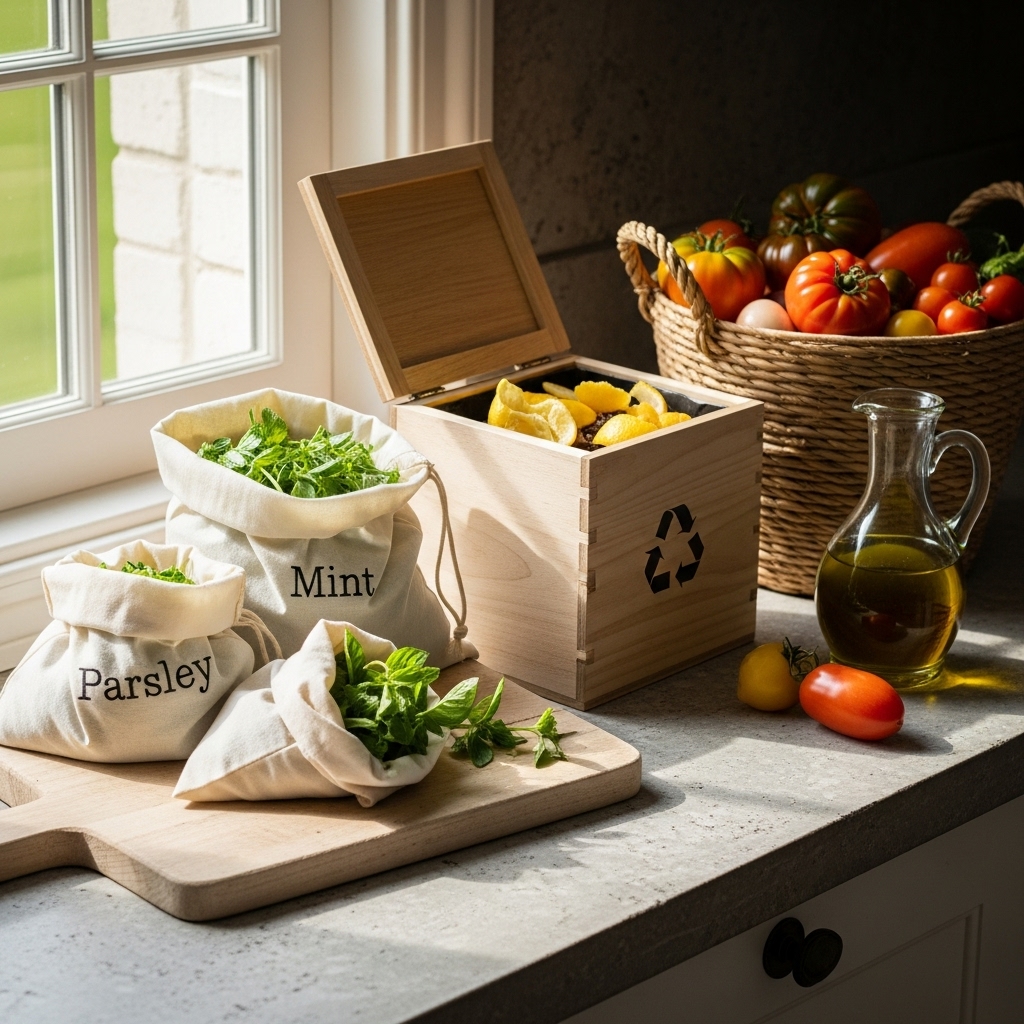
Waste reduction does not end at the cutting board. Parsley stems, tomato cores, and lemon rinds can all find second lives. Some go to compost, where they return to the soil as nourishment. Others flavor broths or infusions. Even small actions—like saving herb stems for a quick stock—add up when they become routine. Naperville households that adopt these practices often discover that the satisfaction of using ingredients fully rivals the satisfaction of the meal itself.
Composting also brings the conversation back to the community level. When households across a neighborhood commit to returning organic matter to the soil, gardens thrive and the cycle of growth tightens. Taboili’s ingredient list is particularly friendly to this loop, with very little that cannot be reused or returned in some form.
Education Through Flavor
Perhaps the most enduring environmental impact of taboili is educational. It teaches that responsible eating can be joyful. The lemon is bright, the herbs are aromatic, and the olive oil feels like sunshine carried in a spoon. People remember that feeling, and they seek it out again. In time, the craving for crisp, herb-forward plates replaces the impulse to default to heavier options. Preferences shift, and with them, the everyday footprint of a community.
Children, especially, respond to that vivid freshness. When a salad tastes this alive, it becomes a gateway to a broader appreciation for plants. Kids learn to associate green with delicious, not dutiful. Those associations have long tails, shaping choices long after a single dinner ends. If we want a future where sustainability is second nature, these early experiences are invaluable.
Frequently Asked Questions
Is taboili always the more sustainable choice?
No single dish can claim universal superiority, but taboili often compares favorably because it is plant-forward, requires minimal cooking energy, and uses widely available ingredients. The choices you make—like sourcing produce thoughtfully and reducing waste—determine the final impact. Handled with care, the salad aligns easily with sustainability goals.
How can I reduce packaging waste when ordering taboili?
Consolidate dishes when possible, opt out of extra utensils and napkins, and transfer food to reusables at home or the office. Because the salad holds its texture, it does not require heavy packaging, making it a good candidate for lighter containers that still protect freshness.
What seasonal adjustments are most environmentally friendly?
Let the season lead. In summer, lean on ripe tomatoes and keep the grain minimal. In winter, emphasize parsley, mint, and lemon. Building the salad with what tastes best at the moment reduces the temptation to rely on far-traveled specialty items and keeps waste down.
Does grain choice affect the footprint significantly?
The amount matters more than the specific grain. Because taboili uses a modest portion, the salad remains herb-dominant. If you avoid grains for dietary reasons, the environmental logic still holds: the dish is plant-centric, largely raw, and easy on energy use. The big wins come from portioning and reducing waste.
What is the best way to store leftovers responsibly?
Use a shallow, reusable container and enjoy within two days. If you anticipate leftovers, fold in tomatoes just before serving so the salad stays crisp when stored. These habits protect texture, encourage quick consumption, and minimize the odds of discarding food.
If you want to align dinner with your values tonight, start with what is simple and bright. Build a bowl around herbs, lemon, and tomatoes, and let the rest of the plate follow. Or give yourself a night off and learn from a kitchen that treats freshness with care by exploring a Mediterranean menu. Either way, you will taste how good stewardship can feel on the fork, and you might just set a new standard for your Naperville table.