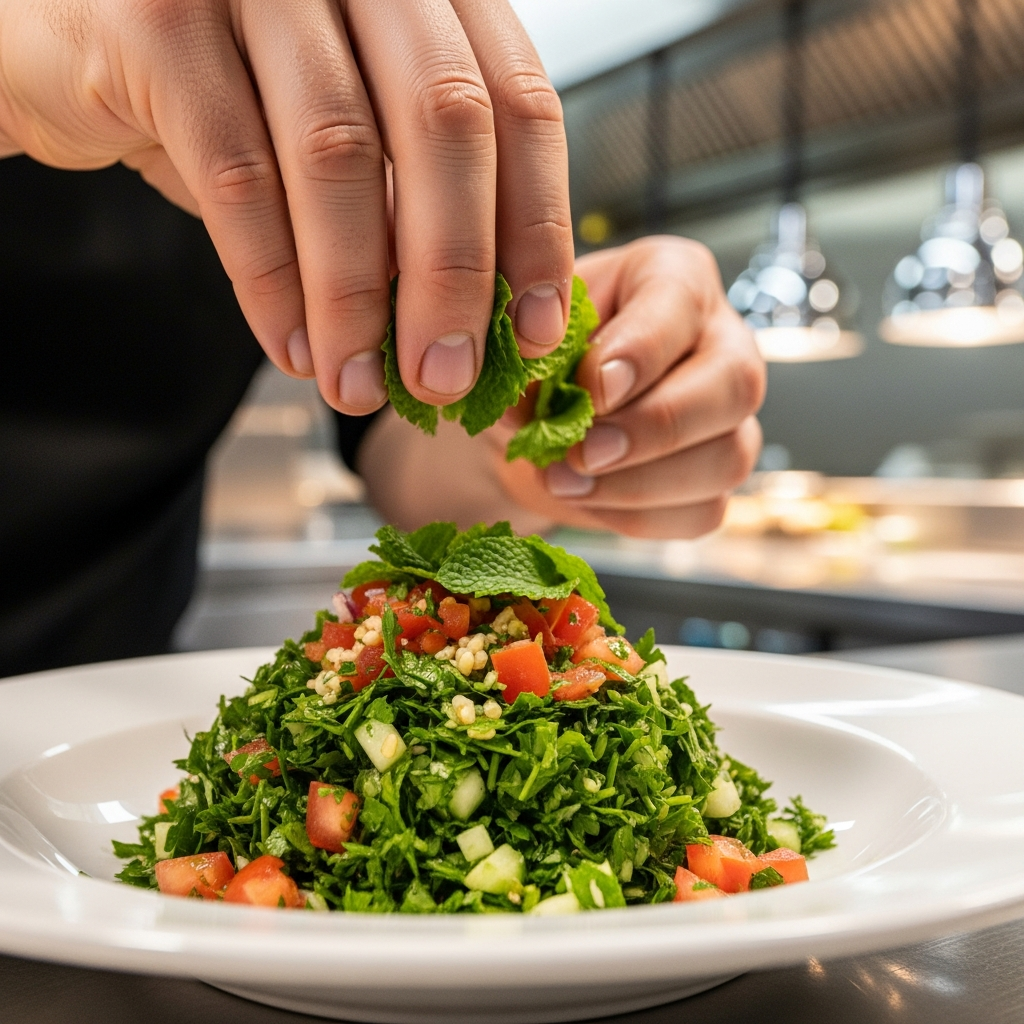

In Naperville, where a Saturday can start with a jog along the Riverwalk and end with a cozy dinner downtown, diners have grown to expect meals that feel purposeful. Taboili salad has quietly become one of the most telling indicators of that expectation. It is the first thing many of us scan for on a menu when we are trying to gauge a kitchen’s attention to freshness. That is why trends surrounding Taboili are worth watching: they reflect where our local dining scene is heading. From herb-forward preparations to sustainable sourcing, the evolving face of Taboili says a great deal about our priorities. If you are exploring where to start, browsing a trusted neighborhood spot’s Mediterranean menu can be an excellent compass.
The Herb-First Movement
One of the clearest trends in Naperville is an emphasis on herbs as the star, not the garnish. Kitchens are doubling down on parsley’s vibrancy, choosing bunches with sturdy stems and crisp leaves, then washing and drying them meticulously. The result is a Taboili that reads like a bouquet on the palate—green, lively, and aromatic. Chopping has become more refined as well, fine enough to distribute flavor evenly but not so fine that the herbs lose identity. That precision is time-consuming, but it pays dividends in texture and freshness.
Chefs have also embraced mint with new enthusiasm, using it to widen the salad’s aromatic range. The goal is not to make mint the dominant note but to let it float above the parsley and tomato, adding lift to each bite. When handled with restraint, mint becomes a quiet signature of quality.
Smarter Grain Strategies
While Taboili’s identity is anchored in herbs, grain handling is evolving. The trend is toward lighter, more delicate integration of bulgur—enough for texture and nutrition, not so much that the salad feels starchy. Some kitchens hydrate bulgur with citrus-infused water, imparting brightness from within. Others are experimenting with quinoa for gluten-free diners while maintaining the traditional ratio so the salad reads as Taboili rather than a generic grain salad. The best examples keep grain in a supporting role where it belongs, honoring heritage without ignoring modern needs.
This grain intelligence has a practical side, too. By measuring carefully and draining thoroughly, kitchens ensure the salad holds up across a lunch rush or an evening service without becoming soggy. That consistency is a competitive advantage in Naperville’s busy dining corridors.
Lemon, Olive Oil, and Balance
The dressing is another area of refinement. The trend is clear: fresh lemon juice only, whisked with a measured pour of olive oil and seasoned confidently with salt. A few kitchens add a whisper of lemon zest to heighten aroma without tipping into bitterness. The olive oil choice matters as well—something fruity and medium-bodied rather than peppery and aggressive. Balance is the watchword. When the dressing is right, you notice how it frames the tomatoes and herbs rather than overshadowing them.
There is growing appreciation for how acidity evolves over time. Many chefs now toss Taboili gently just before service, then finish with a last-minute squeeze of lemon to restore the top note. That small step keeps the salad tasting like it was just made, even if the components were prepared earlier in the day.
Seasonality and Local Partnerships
Naperville’s commitment to local producers is reshaping Taboili season by season. In summer, tomatoes from nearby farms bring sweetness that lets kitchens reduce salt and still achieve full flavor. In shoulder seasons, chefs pivot to firmer tomato varieties and a touch more lemon to maintain clarity. The parsley itself changes with the weather: a slightly heartier chop in colder months preserves texture, while a finer chop in high summer delivers delicate bite.
These choices are not just culinary; they are relational. Restaurants are forging closer partnerships with growers, aligning prep schedules with deliveries to capture herbs at peak. Guests taste that care immediately. The salad feels like it traveled directly from field to table, a sensation that resonates with Naperville diners who pay attention to where their food comes from.
Taboili in Bowls and Boards
Another trend is the way Taboili is presented. You are seeing more combination bowls and shareable boards where Taboili acts as the bridge between hearty proteins and roasted vegetables. This format reflects how people actually want to eat—variety on one plate, balance in every bite. Taboili’s brightness cuts through richer elements and resets the palate, making the whole composition more engaging. For families and groups, this style is a win: everyone builds a plate according to preference, and Taboili ensures every plate has a fresh anchor.
Even in sandwich-focused orders, a side of Taboili has become an unspoken upgrade. It offers the crunch and refreshment people often seek from chips or a pickle but with far more nutritional value.
Texture as a Signature
Across Naperville, texture is becoming the calling card of great Taboili. Restaurants are chasing a micro-balance: herbs that are tender but not limp, tomatoes that are juicy but not watery, grain that is soft but still gives a pleasant chew. That interplay makes each forkful interesting and satisfying. Chefs are even adjusting knife angles and cutting boards to keep herbs from bruising, details that would seem fussy if they did not yield such a clear difference.
For diners, texture is what makes Taboili craveable. You look forward to the sensation as much as the flavor. When a kitchen nails it, you remember, and you come back.
Delivery, Takeout, and Staying Power
As Naperville’s takeout culture has matured, Taboili has adapted. The trend is toward thoughtful packaging—well-vented containers that prevent condensation, dressings added just before sealing, and portion sizes that travel well. Some spots separate components and combine them at the last moment, bringing a near dine-in freshness to your couch or picnic table.
This evolution is more than convenience. It expands when and where Taboili fits into your life, from office lunches to weekend outings along the DuPage River. Knowing you can enjoy a vibrant salad outside the dining room increases the number of times you choose it, reinforcing healthier patterns without forcing them.
Pairing with Protein, Rethought
The old model of “protein plus side” has shifted into a more integrated approach. Taboili is being paired with lean, boldly seasoned proteins in ways that feel intentional. Shawarma plates with Taboili are a prime example: the warmth of spices finds relief in the salad’s lemony snap, and the herbs refresh the palate so each bite of protein feels new. That synergy is leading diners to construct meals around Taboili instead of treating it as an afterthought. If you find Taboili listed prominently on a local shawarma menu, you can be confident the kitchen understands balance.
Education and Transparency
Another underappreciated trend is the way staff talk about Taboili. Servers and counter teams are more informed about ingredients and preparation details. They can explain how bulgur is hydrated, why fresh lemon matters, or which herbs are in season. That knowledge builds trust and helps diners make choices aligned with their goals. In Naperville, where guests tend to ask smart questions, this transparency is a competitive edge.
Menus are reflecting that, too, listing key ingredients and sometimes the source of produce. Diners notice—and reward—those commitments with loyalty.
The Comfort of Consistency
Trends often prioritize novelty, but with Taboili the most valued trend might be consistency. Restaurants are investing in systems that protect quality: standardized knife cuts, scheduled dressing, and cold holding that preserves texture. When a salad tastes as bright on Tuesday lunch as it does on Saturday night, it becomes part of a diner’s routine. In a town as rhythm-oriented as Naperville, that matters.
What This Means for Your Table
All of these developments point to a simple truth: Taboili is more than a side. It is a signal that a kitchen respects produce, understands balance, and pays attention to the small steps that add up to big results. When you choose Taboili, you are choosing a dining experience that fits how you want to feel after the meal—lighter, clearer, and satisfied.
It also means you have options. Whether you are fueling up before a long walk, grabbing a quick lunch between meetings, or putting together dinner for a mixed-diet group, Taboili is a piece that makes the rest of the plate come together.
FAQ
Q: What should I look for to spot trend-forward Taboili?
A: Seek bright green herbs, a fine but distinct chop, tomatoes that hold shape, and a dressing that tastes freshly made. Bonus points if staff can speak confidently about sourcing and preparation.
Q: Is quinoa an acceptable substitute for bulgur?
A: Yes, especially for gluten-free diners. The key is keeping grain in a supporting role so the salad reads as herb-first. Proper seasoning and lemon balance ensure it still tastes like Taboili, not a generic grain salad.
Q: How well does Taboili travel for takeout?
A: Very well when packaged thoughtfully. Look for containers that reduce condensation and ask for dressing to be added close to pickup time. A quick toss at home revives the top note of lemon.
Q: What proteins pair best with trend-forward Taboili?
A: Shawarma, grilled chicken, falafel, and baked fish are excellent. The salad’s acidity and freshness amplify savory spices, creating a balanced plate you can enjoy any day of the week.
Q: Why do some versions taste watery?
A: Excess moisture from herbs or tomatoes is usually the culprit. Proper washing, spinning, and draining are essential, and grain should be measured carefully to avoid sogginess.
Q: How does seasonality affect flavor?
A: Summer tomatoes bring sweetness and juice; winter versions rely a bit more on lemon and a slightly heartier herb chop. Good kitchens adapt technique to the season to preserve balance.
If you are ready to taste where these trends are heading, set your sights on a kitchen that treats herbs like a craft and freshness like a promise. Start exploring a neighborhood favorite’s menu and build a plate where Taboili leads the way.