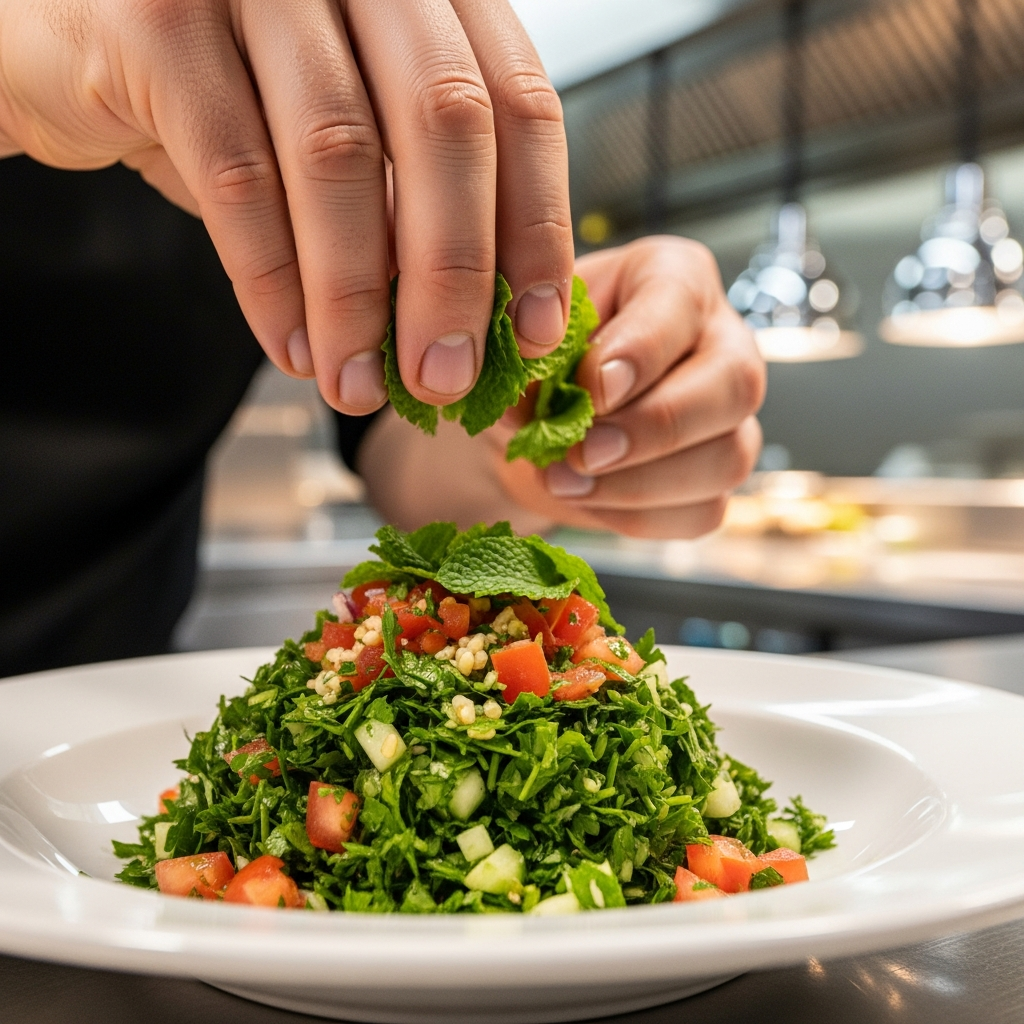
Behind every vibrant bowl of Taboili salad in Naperville lies a series of quiet, careful steps. The dish looks simple—parsley, tomatoes, mint, a touch of bulgur, lemon, and olive oil—but that simplicity leaves no room to hide. Freshness is the whole point. For home cooks and restaurant teams alike, maintaining that freshness from prep to plate is a matter of technique, timing, and respect for ingredients. If you are exploring Mediterranean options around town or building your own routine at home, peeking at a thoughtful Mediterranean menu can help you see how professionals protect the qualities that make Taboili sing.
Choosing and Storing Herbs
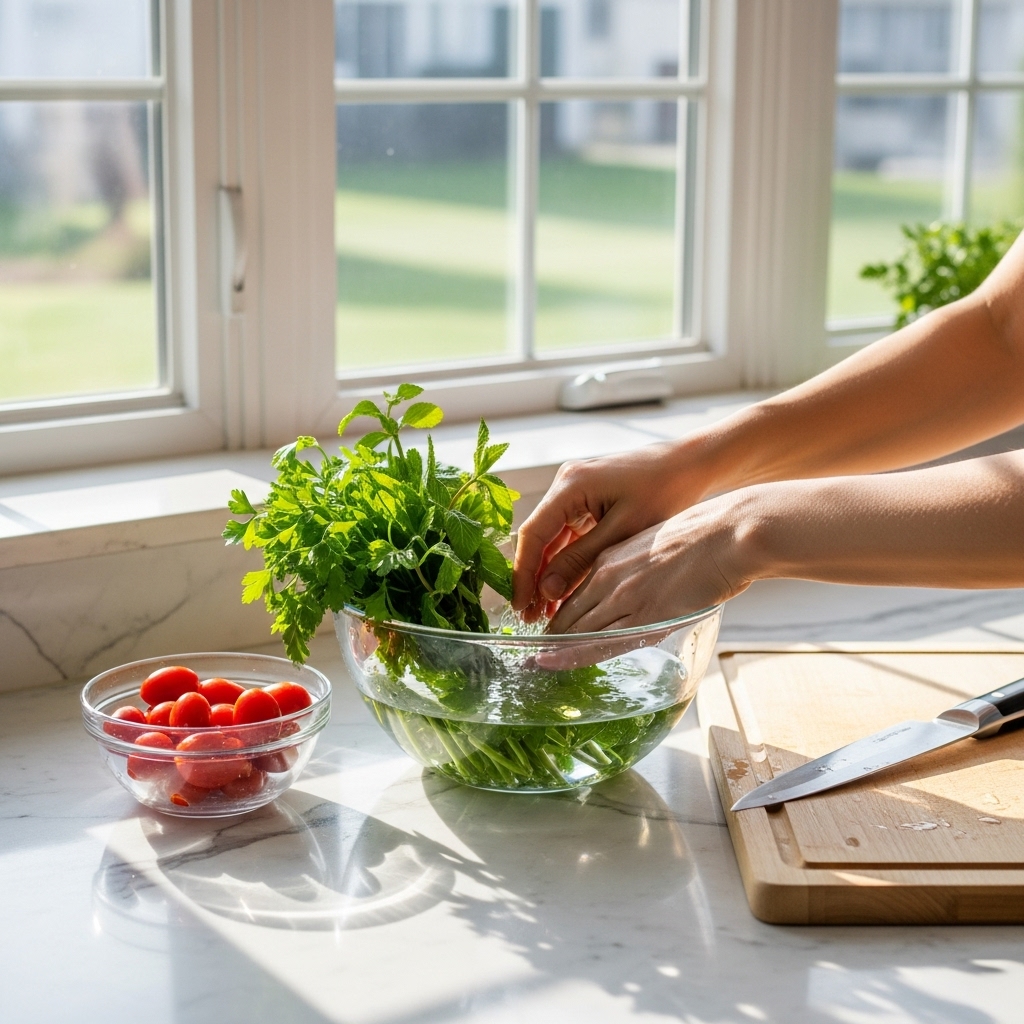
Parsley is the backbone of Taboili, and its condition determines the salad’s character. Choose bunches with firm stems and dense, crisp leaves. Avoid any that look wilted or yellowing. Once home or back in the kitchen, treat parsley like a delicate green: trim the stems, stand the bunches in cold water like flowers, and refrigerate with a loose cover to prevent drying. When you are ready to prep, rinse in several changes of cold water to float away grit, then spin aggressively in a salad spinner. Any residual moisture will dilute flavor and shorten the salad’s life, so patience at this stage pays off.
Mint deserves the same care. Its essential oils bruise easily, so dry it fully and chop with a sharp knife. Store herbs separately until the last moment; parsley and mint release moisture at different rates, and combining them too early can compromise texture.
Tomatoes: Texture and Timing
Tomatoes define the salad’s juiciness, but they are also the main source of unwanted water. Choose firm, flavorful varieties and dice them small enough to distribute evenly. Seed and drain them in a fine mesh strainer to shed excess liquid. In summer, when tomatoes are sweetest, you may not need as much salt to achieve full flavor. In cooler months, a little extra lemon can restore brightness. Add tomatoes close to service, especially for takeout, to preserve structure and keep the herb base from softening prematurely.
Temperature matters, too. Cold tomatoes blunt flavor, so let them sit at room temperature briefly before assembling the final salad. That small step brings back the natural sweetness that balances lemon’s acidity.
Bulgur and Thoughtful Alternatives
Bulgur brings structure and gentle chew, but it must never dominate. Hydrate it carefully using hot water or a warm lemon-water blend, then drain completely. The goal is tender grains without excess moisture. Measure with discipline; if the grain-to-herb ratio tilts toward heavy, the salad loses its signature lift. For gluten-free needs, quinoa can stand in effectively. Use a light hand and the same ratio rules so the salad remains herb-first rather than grain-centered.
Always cool grains fully before mixing. Warm bulgur or quinoa accelerates wilting and amplifies condensation in storage containers.
Lemon-Olive Oil Balance
Fresh lemon juice is nonnegotiable. Bottled juice lacks the bright top notes that make Taboili sparkle. Squeeze lemons just before dressing and taste for balance. The olive oil should be fruity and medium-bodied, not overly peppery, and used with restraint. Season confidently with salt; it makes the lemon and tomato flavors pop. Many cooks add a whisper of zest for aroma—do so sparingly to avoid bitterness.
For make-ahead scenarios, keep the dressing in a small jar and toss just before serving. A finishing squeeze of lemon revives aromatics, a trick that’s particularly helpful for to-go orders and picnic meals along the Riverwalk.
Knife Skills and Gentle Handling
Sharp knives protect herbs. A dull blade crushes cell walls, releasing moisture and darkening edges. Aim for a fine, even chop that creates a confetti-like texture without turning herbs into paste. Work in batches to maintain control, and keep your cutting board dry; wiping between rounds prevents build-up that can make later batches soggy. Handle the salad lightly when mixing—fold instead of stir—to preserve the delicate structure you worked to create.
If you are coaching newer cooks, demonstrate the difference between a sawed, bruising cut and a clean slice. The visual contrasts are immediate, and the payoff in the bowl is unmistakable.
Chilling, Holding, and Micro-Batches
Cold holding is a friend, but only up to a point. Chill the components separately and combine them as close to service as possible. If you must hold dressed Taboili for a short window, keep it in a shallow, wide container to minimize compression and allow air circulation. Stir gently just before plating to redistribute dressing and refresh texture. For restaurants, micro-batching on a set cadence—building smaller bowls throughout service rather than one large batch—protects quality during rushes.
At home, think in two-day windows. Make enough for today and tomorrow, then refresh leftovers with lemon, a touch of salt, and a handful of newly chopped herbs. Resist the urge to stretch a batch past its prime; the salad’s appeal is its vitality.
Packaging for Takeout and Picnics
Naperville’s takeout culture and love of outdoor meals mean Taboili often travels. Choose containers with vents or leave a small corner unsealed to prevent condensation. Keep dressing on the lighter side for trips, or hold it separately and toss on site. For combination plates, nest Taboili away from hot items to avoid gentle steaming, which softens herbs. A quick toss at arrival restores the bright top notes of lemon and the salad’s playful texture.
For picnics by the Millennium Carillon or along the DuPage River, pack tomatoes in a separate container and combine just before eating to keep the herb base crisp. Bring a lemon wedge to finish on site; the aroma alone heightens the experience.
Seasonal Adjustments
Seasonality matters. In high summer, herbs are tender and generous; a finer chop showcases their delicacy. In winter, a slightly heartier chop helps the salad hold structure, and a touch more lemon compensates for firmer tomatoes. Salt calibration shifts with the seasons, too, as produce sweetness and water content change. Great cooks taste constantly and adjust rather than treating the recipe as static.
Partnering with reliable vendors or shopping early at local markets gives you first pick of herbs with sturdy stems and deep green color. That head start translates directly into better Taboili.
Food Safety Without Compromise
Freshness also means safety. Keep cold ingredients below safe holding temperatures and minimize the time they spend at room temperature. Wash herbs thoroughly in multiple changes of water; grit is a textural flaw and a safety concern. Use clean towels and sanitized spinners, and designate separate boards for herbs and proteins to avoid cross-contact. For gluten-free preparations, separate tools and containers keep your promises to guests who rely on you for safe dining.
Label containers with time and date. Even at home, a simple label prevents guesswork and helps you maintain the discipline that freshness demands.
Flavor Tuning and Finishing Touches
Right before serving, pause to tune flavor. Taste for lemon, salt, and overall brightness. If the salad feels flat, a small pinch of salt followed by a gentle squeeze of lemon usually awakens it. If it tastes harsh, fold in a few diced tomatoes or a teaspoon of olive oil to round edges. Texture is as important as taste, so watch the way herbs fall from the spoon; they should look fluffy, not compacted.
At the table, Taboili plays beautifully with grilled meats, roasted vegetables, or falafel. Its role is to make everything around it shine. A confident final toss sends it to the plate with the energy that defines the dish.
Teaching the Standard
Whether you run a restaurant on 95th Street or cook for family at home, teach the standard to anyone who helps you. Show how dry herbs look and feel, demonstrate the difference a sharp knife makes, and explain why timing matters. When the whole team understands the “why,” they protect the “how” under pressure. That shared standard is what turns a good salad into a signature.
When Things Go Sideways
Even well-run kitchens hit snags. If your Taboili starts to soften, move quickly: drain off excess liquid, add a handful of freshly chopped herbs, and correct seasoning. If lemon tastes too strong, fold in a few extra tomatoes or a spoonful of properly cooked grain. If tomatoes are watery, seed more aggressively next time and hold them in a strainer while you prep other components. Every batch teaches you something; the key is to build those lessons into your routine.
FAQ
Q: How far in advance can I make Taboili?
A: Prep components earlier in the day, but toss close to serving. Dressed salad holds for a short window in the refrigerator; refresh with lemon and a few new herbs just before eating for best results.
Q: What knife should I use for herbs?
A: A sharp chef’s knife or a santoku with a fine edge works well. Avoid serrated blades, which tear leaves and cause bruising and discoloration.
Q: How do I keep takeout Taboili fresh during a drive?
A: Vent the container slightly, keep it cool, and ask for the dressing to be added right before pickup. Toss lightly upon arrival to redistribute juices and restore the top note of lemon.
Q: Can I reduce or skip bulgur?
A: Yes. Taboili is herb-driven, and many diners enjoy a lighter grain presence. For gluten-free versions, quinoa is a good substitute; keep ratios conservative so herbs remain the focus.
Q: Why does my Taboili taste flat?
A: It likely needs salt to amplify lemon and tomato or a final splash of fresh lemon juice. Bottled lemon dulls quickly; fresh juice restores brightness.
Q: What are the most common home mistakes?
A: Inadequate drying of herbs, over-chopping to the point of bruising, and dressing too far in advance. Correcting those three areas solves most problems.
When you are ready to taste how these maintenance tips come together on a plate, choose a place that treats herbs with respect and balance as a principle. Start by exploring a neighborhood favorite’s menu, pick a combination anchored by Taboili, and let freshness lead the way in your next Naperville meal.