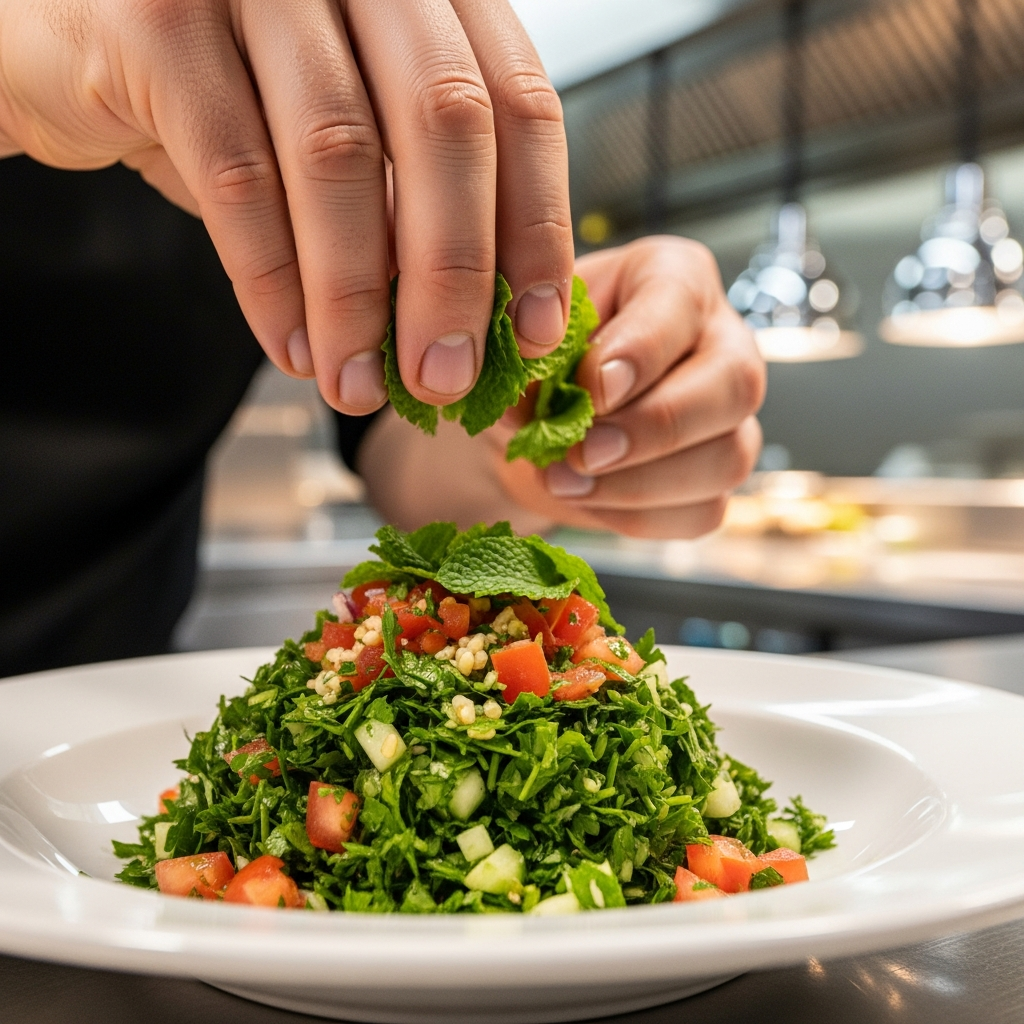

Every Naperville cook has faced it at least once: you reach for the pita you were excited to use for dinner, only to find it a little stiff, a bit dry, or not quite the tender round you had in mind. Fortunately, most pita problems are solvable with a few practical steps. Our city’s love for Mediterranean flavors means there’s plenty of collective wisdom to draw on—from restaurant kitchens that time bread service perfectly to home cooks who’ve mastered the art of reviving yesterday’s rounds. When I’m planning a meal out or deciding how to refresh a stack at home, I’ll often look at a local spot’s menu for inspiration on how fresh bread frames the rest of the plate. That mental image alone reminds me why it’s worth getting pita right.
Before we jump into fixes, it helps to understand what makes pita special. A classic pita bakes in a super-hot environment so steam inflates the dough, creating a pocket and that tender, flexible crumb. When moisture escapes or the bread cools too fast without protection, you get dryness. When the bread is handled roughly or reheated poorly, it can tear, become brittle, or lose its pocket. That’s why timing, temperature, and storage are the three pillars of great pita at home.
Issue: Dry or Stale Pita
Dryness is the most common complaint I hear from Naperville neighbors. Good news: a gentle reintroduction of moisture and heat usually restores the pliability you want. The simplest way is to sprinkle a few droplets of water on the surface—barely a mist—then warm the bread in a covered skillet over medium heat. Steam develops in that small, enclosed space, relaxing the crumb and bringing back the tender chew. Alternatively, wrap the pita in a slightly damp (not wet) paper towel and microwave in very short bursts, checking frequently. The goal is softness without turning the bread gummy.
If you’re using an oven, heat it to a moderate temperature and wrap the pita in foil for a few minutes. The foil traps moisture so the bread warms evenly. It’s tempting to crank the heat, but restraint works better; too hot and you risk brittle edges.
Issue: Pita That Tears When Filled
Tearing often comes down to temperature and freshness. Cold pita is less flexible and more likely to split. Always warm your bread before filling; even a quick toast revives elasticity. Another culprit is overfilling. The pocket invites generosity, but it still has limits. Spread your fillings across two smaller wraps instead of one overloaded one. If you’re working with very juicy components—tomatoes, saucy meats—add a protective layer first, like greens or a smear of hummus, to create a moisture barrier that keeps the inner wall from weakening.
When slicing the top to open the pocket, use a sharp knife and a gentle touch. Jagged cuts create weak points that can rip under pressure. Some home cooks prefer to slit along the side rather than the top to distribute stress differently; either method works if the bread is warm and the knife is clean and sharp.
Issue: No Pocket Formation in Homemade Pita
For Naperville’s growing number of home bakers, the missing pocket is a frustrating mystery. The fix is usually heat. Pita needs an intense burst of heat to create steam fast enough to puff the dough. Preheat your baking stone or heavy sheet thoroughly—give it more time than you think—and ensure your dough rounds are the right thickness. Too thick, and they won’t puff; too thin, and they’ll crack. Proper proofing helps, as slightly relaxed gluten allows the layers to separate during baking. Finally, bake quickly; each second in the oven counts toward steam production and pocket formation.
Humidity can also play a role. In winter, dry indoor air can make dough less supple; in summer, excess humidity can slow browning. Adjust with small additions of water to the dough or a brief rest under a damp towel during shaping to maintain flexibility.
Issue: Pita Becomes Soggy in Lunchboxes
Sogginess usually results from wet ingredients placed directly against the bread or from steam trapped inside a wrap. The solution is layering. Start with a drier ingredient—greens or a thin spread—to protect the interior. Place juicy components in the center, not against the walls. If you can, pack sauces separately and add them just before eating. Let freshly cooked fillings cool slightly before assembly; steam escaping from hot foods condenses inside a closed wrap and turns the bread soft in the wrong way.
Storage matters here, too. Use a container that’s not fully airtight for freshly made wraps, or crack the lid slightly to allow steam to escape. For premade lunches held overnight, keep components separate and assemble in the morning for better texture.
Issue: Flavor Feels Flat
Sometimes the bread is fine, but the overall bite lacks spark. Warmth is your friend. Heating pita wakes up the wheat aroma and makes spreads and herbs smell more vivid. Fresh herbs, acidity from lemon, and a pinch of salt at the end bring a wrap to life. Naperville cooks often get inspiration by noting how restaurants finish plates—herb sprinkles, a drizzle of olive oil, crunchy pickles—and then translating those touches to home. Pay attention to texture contrasts as well; crisp greens or thinly sliced onions can make a huge difference.
If you’re serving pita with dips, don’t underestimate the impact of presentation. A warm basket of bread next to a brightly garnished bowl of hummus or smoky eggplant spread invites more enthusiastic eating, and that energy actually influences perception of flavor.
Issue: Storing Too Much, Wasting Too Much
We’ve all bought a large stack of pita for a party and found ourselves with leftovers that teeter on the edge of going stale. The fix is timing. Freeze extras the same day you buy them if you don’t plan to use them within 48 hours. Separate rounds with parchment or place in a freezer bag with as much air removed as possible. When you’re ready to eat, thaw at room temperature and rewarm. The bread will taste remarkably fresh if you protect it from freezer burn and revive it with heat.
Consider portioning for the week: store a small stack in a resealable bag for immediate use and freeze the rest. That way, you’re always a quick warm-up away from a solid meal base.
Issue: Bread That’s Tough Rather Than Tender
Toughness often signals overbaking during reheating or dehydration during storage. To avoid it, use gentle heat and minimal time. If your oven is the only option, wrap the bread in foil and warm briefly. On the stovetop, cover the skillet to trap steam. Moving quickly from heat to table—wrapped in a towel—helps retain the tender quality you want when tearing and dipping.
In homemade batches, dough that’s too dry can bake up tough. Measure flour carefully, and let the dough rest long enough for gluten to relax. A short autolyse (resting flour and water before kneading) can improve extensibility and tenderness significantly.
Issue: Uneven Warmth at the Table
When serving a crowd in Naperville—birthdays, watch parties, holiday gatherings—timing is everything. Restaurants warm bread in small batches so each table gets soft rounds at their peak. You can mimic this by keeping pita wrapped in a towel-lined basket and refreshing in the oven or skillet as needed. Rotate in warmed rounds every few minutes rather than dumping an entire batch onto the table at once. Guests will notice the difference and keep coming back for more.
If you’re transporting bread to another location, pre-warm, wrap tightly, and plan to rewarm briefly upon arrival. A minute on a hot skillet works wonders and shows your hosts you care about the details.
When to Lean on Restaurant Know-How
Sometimes the best way to calibrate your home routine is to pay attention when you dine out. Watch how servers time the delivery of warm bread, note the temperature and texture, and let that be your benchmark. Glancing at a trusted spot’s menu can also cue your memory about ideal pairings and portion sizes. The more you notice when eating out, the better your instincts become at home.
Don’t hesitate to ask questions, either. Many kitchens are proud of their bread service and happy to share tips about warming methods or storage. That curiosity leads to better meals in your kitchen and a deeper appreciation for the craft behind a seemingly simple round of bread.
Frequently Asked Questions
Below are common questions from neighbors who want consistently soft, flavorful pita at home.
What’s the fastest way to revive a dry pita?
Use a covered skillet with a light mist of water on the bread. The enclosed heat creates gentle steam that restores softness within minutes. Avoid high heat without cover, which can harden the surface before the interior warms.
How do I prevent my pita from tearing when I add fillings?
Warm the bread so it’s pliable, open the pocket with a clean cut, and avoid overfilling. Place wetter ingredients toward the center and create a barrier with greens or a spread to protect the interior.
Why don’t my homemade pitas puff?
Insufficient heat is the usual culprit. Preheat your baking surface thoroughly, ensure rounds are rolled to an even, moderate thickness, and bake quickly. Proper proofing helps loosen the gluten enough for layers to separate and puff.
Can I store assembled wraps overnight?
It’s better to store components separately and assemble close to eating time. If you must prep ahead, keep sauces separate and add them just before eating. Let hot fillings cool slightly before wrapping to reduce trapped steam.
What’s the best way to freeze pita?
Freeze the same day you buy or bake, with parchment between rounds and as much air removed as possible. Thaw at room temperature and rewarm briefly to restore softness. Properly frozen pita tastes remarkably close to fresh.
How can I keep pita warm for guests?
Warm in small batches, wrap in a towel-lined basket, and rotate fresh rounds to the table every few minutes. This approach keeps texture ideal and avoids the slump that happens when bread sits too long.
If you want tonight’s meal to feel like a small celebration—without adding stress—start with great bread. Refresh your pita with the techniques above, gather a few favorite fillings, and consider how a trusted local menu might inspire your pairings. With a little attention to heat, timing, and storage, you’ll serve soft, fragrant rounds that make every bite in Naperville taste like it came straight from the oven.