
Solving the Most Frustrating Taboili Mistakes in Naperville Kitchens
Ask around at a backyard cookout in Naperville and you’ll hear a familiar confession: “I love Taboili, but mine never turns out like the one I had last weekend.” The gap between a so-so bowl and a great one often comes down to small, repeatable habits. Our pace of life—commutes, practices, meetings—pushes us to cut corners, but Taboili is one of those salads that rewards just a bit of care. If you’ve studied a local favorite’s Mediterranean menu and wondered why your version lacks the same buoyancy and brightness, the answers are almost always in technique, timing, and moisture control.
Luckily, every common issue has a straightforward fix. With a handful of reliable practices, your home Taboili can capture the snap, fragrance, and lift that make this dish so beloved around town.
Issue 1: Soggy, Heavy Texture
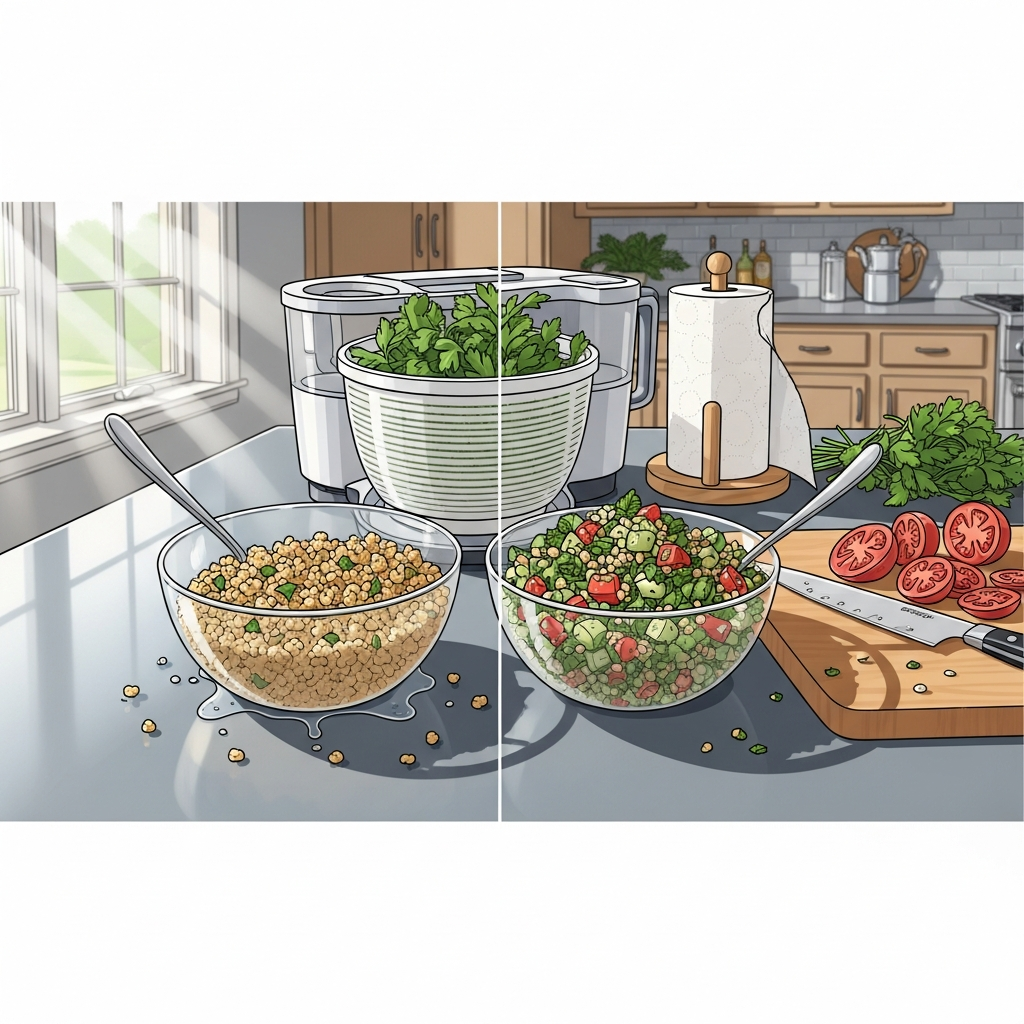
The most common complaint in Naperville home kitchens is a Taboili that slumps in the bowl—too wet, too grainy, or both. The culprit is often excess moisture from herbs and tomatoes, or grains that weren’t cooled before mixing. Parsley should be rinsed thoroughly but dried almost completely, either with a salad spinner or paper towels. Tomatoes, especially off-season ones, can be juicier than expected; seeding or letting them drain briefly protects the salad’s balance.
If you’re using bulgur or a substitute like quinoa, cool it fully before it meets the herbs. Warm grains steam in the bowl, softening parsley and diluting lemon’s sparkle. Think of the salad as a balance between water and flavor: the drier your base ingredients, the more concentrated and lively the dressing will taste.
Issue 2: Flat, Dull Flavor
Another frequent frustration is a bland salad that doesn’t pop. This usually traces back to timid lemon, imprecise salt, or olive oil that lacks character. Naperville cooks often find success by seasoning in layers: a small pinch of salt on the tomatoes to coax their juices, a measured dose of lemon juice on the grains, and a final calibration after everything is folded together. A fresh squeeze of lemon right before serving brings clarity back to the bowl.
Olive oil quality matters, but you don’t need a collector’s bottle. Choose a lively extra-virgin oil and use a restrained hand; you’re not making a heavy vinaigrette, just giving the herbs a glossy coat that carries flavor. Taste repeatedly as you build the salad. Great Taboili rewards attention the way a well-tuned guitar rewards a careful ear.
Issue 3: Bitter or Harsh Notes
Occasionally, a home batch tastes bitter. This can happen if parsley stems are very tough or if the lemon pith (the white part) slips into the bowl when zesting. Finely chop parsley, including tender stems for flavor and structure, but avoid woody ends. If using zest, add it sparingly and steer clear of the pith. Also, watch for old olive oil—rancidity will blunt and sour the salad. In Naperville’s dry winter air, oils can age faster than you realize; buy in sizes you’ll use within a month or two.
Another source of harshness is overworking the herbs. Pulverizing parsley in a food processor releases chlorophyll in a way that can taste grassy. A sharp knife and patient chopping produce a more delicate, sweet-green flavor.
Issue 4: The Grain Takes Over
In classic Taboili, herbs lead and grain supports. A bowl dominated by bulgur or quinoa feels heavy and crowds out the airy texture that makes the salad so refreshing. The fix is simple: reduce the grain and increase parsley until the mix looks distinctly green. You’ll notice an immediate improvement in lift and a cleaner finish on the palate.
When you do use grain, aim for a tender, not mushy, bite. Overcooked or waterlogged grains smother the herbs and dull lemon’s high notes. Treat the grain as an accent and the salad will taste more like the Taboili you admire around town.
Issue 5: Lost Crunch After Refrigeration
Meal prep is part of Naperville life, and Taboili can handle it if you plan smartly. The loss of crunch overnight usually comes from trapped steam and early mixing. Cool grains completely, dry herbs thoroughly, and add juicy vegetables later if you crave texture. Store the salad in a wide container rather than a deep one to prevent compression. A quick refresh—lemon, pinch of salt, and a scatter of fresh parsley—snaps the salad back to life right before dinner.
If you love cucumbers in your Taboili, keep them separate until serving. They release water quickly, especially in summer, and can thin the dressing more than you’d like.
Issue 6: Overly Sour or Salty Bites
Overcorrection happens. After a bland first taste, the temptation is to drown the salad in lemon or salt. A better approach is micro-adjustment: add acid in small increments, taste, and wait a minute for flavors to settle. Salt should heighten, not dominate. If you overshoot, fold in more parsley and tomato to rebalance. The salad is forgiving if you respond with patience instead of panic.
Remember that olive oil acts like a smoothing agent. A light drizzle can soften sharp edges without muting the brightness you worked to build.
Issue 7: Knife Work and Texture
Chopping is destiny with Taboili. Parsley should be fine but not minced to paste, tomatoes cut small and even, and any added cucumber chopped to match the scale of the herbs. A sharp knife matters more than any gadget. Take an extra minute to clean cuts, and the salad will feel silky rather than ragged. That silkiness is part of what makes restaurant bowls feel so graceful, even in a casual setting.
It helps to think of the salad as confetti: everything small, bright, and evenly distributed so each forkful tastes complete. The pay-off is huge when you’re serving a crowd after a school event or a hike along the DuPage River Trail.
Practice Makes a Naperville-Pro Taboili
Like perfecting a free throw or nailing a meeting agenda, great Taboili is about reps. Make it often and adjust one variable at a time—more mint this week, a fruitier olive oil next, a different tomato variety in July. Keep notes if that helps. Before long, you’ll have a house style that friends recognize and request.
Dining out can be a shortcut to learning, too. If you notice a particularly balanced bowl next to a savory entree, jot down what you loved and try it at home. Skimming a local menu for pairings and flavor cues can guide your experiments and help you avoid the traps that lead to soggy or dull results.
Frequently Asked Questions
How do I keep Taboili bright if I’m cooking for tomorrow?
Dry herbs thoroughly, cool grains, and store tomatoes separately until serving. Dress in two phases and add a finishing squeeze of lemon at the table to revive aromas and acidity.
What tomatoes work best for Taboili in Naperville?
In summer, any ripe, firm local tomato shines. Off-season, plum or cherry tomatoes hold texture well and release less water. Seed if very juicy to protect the salad’s lift.
Is a food processor okay for chopping parsley?
It’s tempting, but it can create a grassy flavor and damp texture. A sharp knife yields a cleaner cut and a sweeter green profile that tastes closer to the restaurant versions you admire.
How salty should Taboili be?
Just enough to focus flavors. Salt in layers, taste, and adjust slowly. If you go too far, add more parsley and tomato and a touch of olive oil to soften the edge.
Why does my Taboili taste bitter?
Likely from tough parsley stems, pithy zest, or tired olive oil. Trim woody stems, avoid the white pith when zesting, and use fresh extra-virgin oil with lively aroma.
Can I make Taboili a full meal without weighing it down?
Yes—serve it with a modest portion of chickpeas, lentils, grilled chicken, or salmon. Keep the salad herb-forward and grain-light so it stays crisp and refreshing.
Ready to Turn Mistakes into Wins?
With a handful of simple techniques, your next bowl can carry the levity and vibrancy that make Taboili a Naperville favorite. For pairing ideas that highlight a crisp, balanced salad beside savory mains, take a cue from a carefully curated menu and bring that restaurant-level brightness to your own table.