
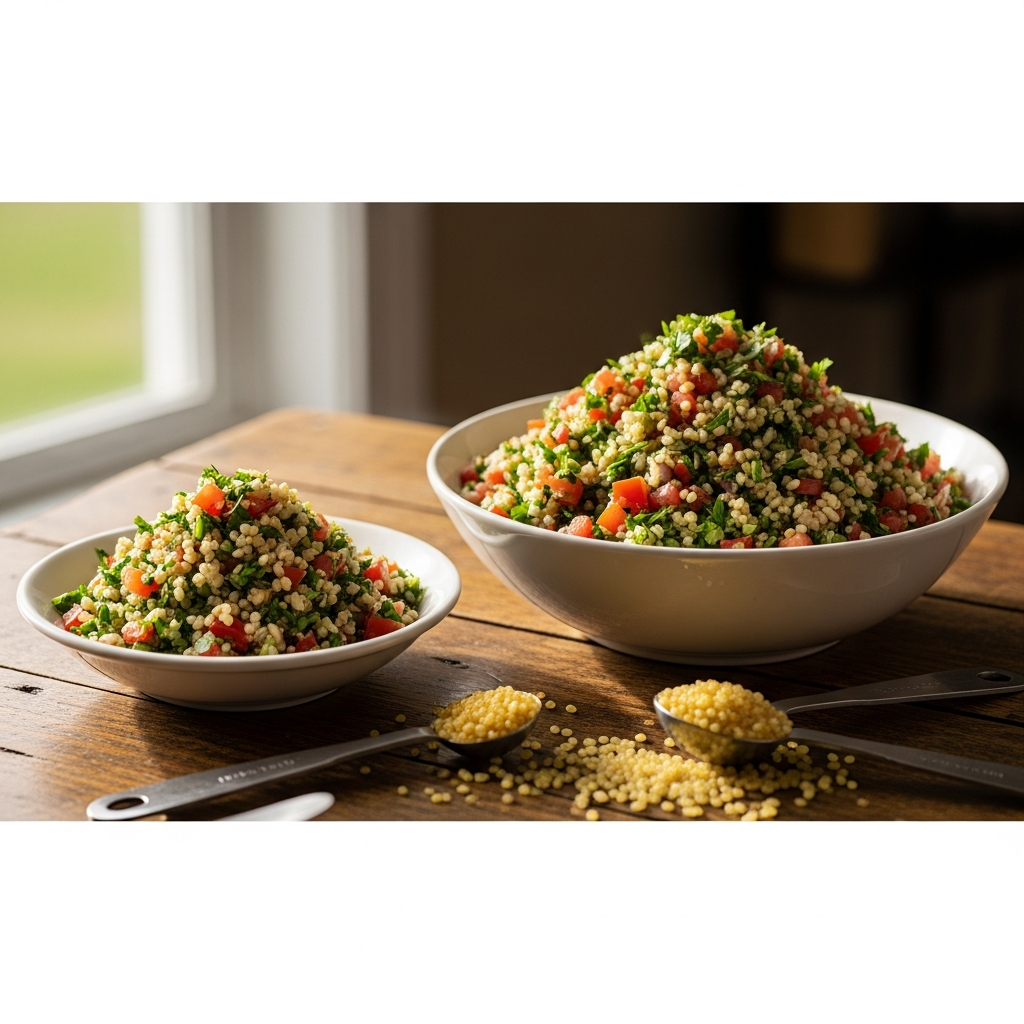
Understanding Taboili Calories in the Context of Naperville Life
Calorie counts can feel abstract until you translate them into the flow of an actual day in Naperville—walking the Riverwalk after school pickup, catching the Metra, or meeting friends for an easy dinner along Washington Street. Taboili (tabbouleh) is a natural fit for that rhythm: bright, herb-forward, and versatile. But how many calories are we really talking about per serving? The answer depends on ratios and portion size, both of which vary around town. If you’re scanning a neighborhood menu and trying to plan your day, here’s a practical way to think about it.
At its core, Taboili blends parsley, tomatoes, scallions, mint, lemon, olive oil, and a modest amount of bulgur. Each ingredient nudges calories in a different way. Parsley and tomatoes contribute very few; bulgur and olive oil do the heavy lifting. Because the dish is mostly greens, authentic versions often land in a moderate range for a side portion, with larger entrée-style servings climbing as olive oil and bulgur increase.
Why Ratios Matter More Than Any Single Number
Two bowls labeled “Taboili” can differ significantly in calories. In a herb-forward bowl, most of the mass is parsley and tomato, with fine bulgur woven through sparingly. In a grain-heavy bowl, the caloric density rises. Olive oil multiplies differences further: a lemony sheen adds richness without much load, while a heavy pour can double the energy in a blink. When I talk to friends around Naperville—parents juggling sports carpools near 95th Street, commuters stepping off the 5th Avenue train—the theme is the same: the versions that feel best use bulgur as texture, not ballast, and dress with intention, not excess.
Thinking in Real-World Portions
Picture an appetizer scoop alongside hummus and grilled vegetables. In a herb-forward style, that scoop is often modest in calories, thanks to the low energy density of parsley and tomatoes. Transition to an entrée-size bowl—something you might enjoy on its own after a jog through Springbrook Prairie—and the count climbs, especially if you enjoy a fuller drizzle of oil for satiety. Neither is better or worse; they just suit different moments in your day.
Salt doesn’t add calories, but it influences how you perceive flavor and portion size. A bright balance of lemon and just enough salt highlights parsley and tomatoes, guiding you to savor rather than overeat. That’s one reason Taboili pairs so well with the easy-going pace of a Riverwalk lunch; it leaves you refreshed instead of weighed down.
How Add-Ons Change the Picture
Naperville diners love to personalize. A scoop of chickpeas adds plant protein and fiber with a moderate calorie bump. Extra tomatoes or cucumbers add volume with minimal energy. More bulgur boosts calories and carbs but also heightens chew. Extra olive oil adds satisfying richness quickly. As you browse a local spot’s online menu, note whether the default Taboili leans herb-first or grain-forward, and watch for optional add-ins—those are your levers for aligning the dish with your goals.
Taboili as a Smart Everyday Choice
Calories live within a broader picture of how food supports your life in Naperville. Taboili’s fiber helps you stay steady between meals; its lemony brightness supports mindful eating; and its greens deliver vitamins that feel like a small wellness deposit, day after day. If you’re planning a full evening—cheering at youth games, catching a sunset along the DuPage—an entrée portion with a protein add-in is a satisfying, energizing choice. For a desk lunch downtown, a lighter side portion might be perfect alongside soup or roasted vegetables.
One small but powerful tip: eat Taboili at a temperature where the olive oil stays silky—slightly cool, not ice-cold. The flavors bloom, you feel more satisfied, and you’re less likely to chase extra richness you don’t actually need.
Calorie Clues You Can Taste
You can often estimate the calorie profile in a single bite. If the salad tastes vivid and herbaceous, with grain tucked discreetly into the background and lemon shining, you’re probably enjoying a lighter, nutrient-dense bowl. If the mouthfeel turns plush and grain-forward, the energy density is higher. This “taste test” works at home and at restaurants, whether you’re grabbing dinner on Washington Street or ordering takeout for a family movie night.
Gluten-Free, Vegan, and Other Dietary Notes
Traditional Taboili uses bulgur, a wheat product. Gluten-free versions typically substitute quinoa or skip grains altogether, which often reduces calories per bite because the herb concentration rises. Taboili is naturally vegan, and the calorie pattern still hinges on the parsley-to-bulgur ratio and olive oil. Low-sodium approaches lean on lemon and mint for flavor complexity, supporting mindful portions without sacrificing satisfaction.
Pairing Ideas That Keep Balance in Mind
For an active day in Naperville—say, biking from Knoch Knolls to downtown—pair Taboili with grilled vegetables and a legume side for extra protein. On quieter days, a compact side portion with a cup of soup may be exactly right. What matters is that the bowl meets your moment. That’s the gentle magic of Taboili: it’s as light or as sustaining as you make it.
Frequently Asked Questions
What drives the calorie count in Taboili the most?
Olive oil and bulgur have the largest impact. Parsley and tomatoes contribute minimal calories, while oil and grain raise energy density. Herb-forward bowls dressed with restraint are typically lighter per serving.
How can I estimate calories when ordering out?
Scan the description and trust your palate. If the salad is described or tastes parsley-forward with a bright lemon finish, it’s likely on the lighter side. Grain-heavy, richly oiled versions will be higher in calories.
Is Taboili a good choice for weight-conscious eating?
Yes. Its fiber, hydration, and lively acidity support satisfaction with moderate calories, especially in authentic herb-led preparations. Pairing with legumes increases fullness without a dramatic calorie jump.
Does quinoa change calories compared to bulgur?
It can, but the difference is usually modest per serving. The bigger shift comes from how much grain you use relative to parsley. Grain-light, herb-heavy bowls tend to be leaner regardless of whether you choose bulgur or quinoa.
Can I enjoy Taboili before a workout?
It’s better as a post-workout refresher unless you add an easy carb like fruit or warm bread beforehand. After activity, Taboili’s hydration and antioxidants feel restorative, and a protein add-in supports recovery.
Make Your Next Bowl Work for Your Day
Whether you’re craving a light Riverwalk lunch or a fuller, post-practice dinner, think in ratios and portions. Choose herb-forward, lemon-bright bowls when you want something lighter, or opt for a grain-rich, olive-oil-plush version when you need more staying power. A quick look at a local menu will help you find the style that fits your plans—and your palate—today.