From Lebanon to the DuPage River: Taboili Traditions in Naperville
Ask anyone who grew up with Lebanese food and they’ll tell you: Taboili (often spelled tabbouleh) isn’t just a salad. It’s a thread in a larger tapestry—family stories, seasonal rituals, and the hum of a kitchen where herbs perfume the air. In Naperville, where neighbors trade recipes across backyard fences and weekend soccer sidelines, those traditions have taken root in a distinctly local way. If you’ve ever wandered downtown after a meal and felt the lemon-and-parsley glow that only Taboili delivers, you’ve brushed up against a tradition that stretches across oceans. And if you’re deciding what to order from a neighborhood menu, understanding a bit of that heritage will make every bite sing a little louder.
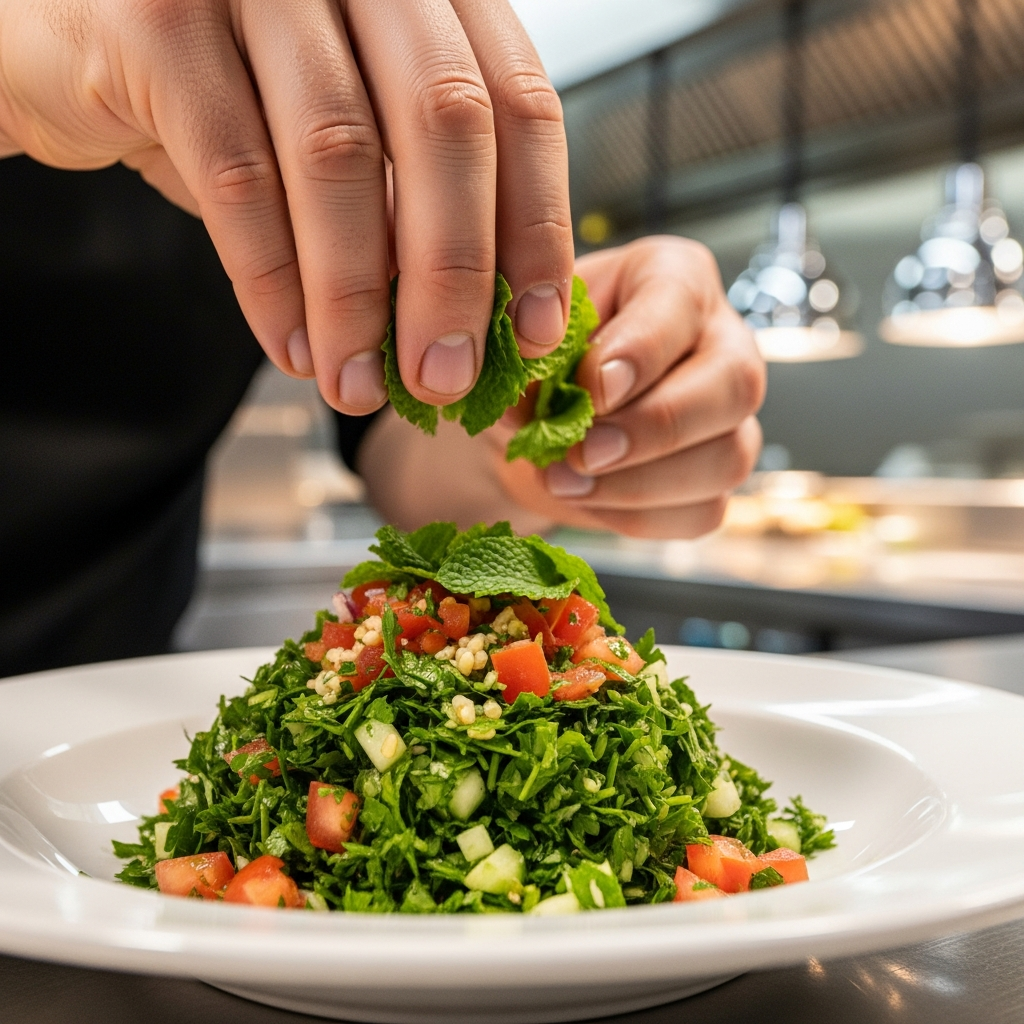
Lebanese Taboili is an herb celebration. Rather than a grain salad with parsley mixed in, it’s a forest of finely chopped greens, bright with tomatoes and mint, made luminous by lemon and olive oil. On a family table, it often arrives in a wide bowl next to other mezze—hummus, olives, grilled vegetables—so you can build your own perfect plate. The balance is subtle, learned by watching and tasting. You don’t measure the lemon as much as you listen to it; you don’t drown the herbs, you dress them so they sparkle.
The Ritual of Preparation
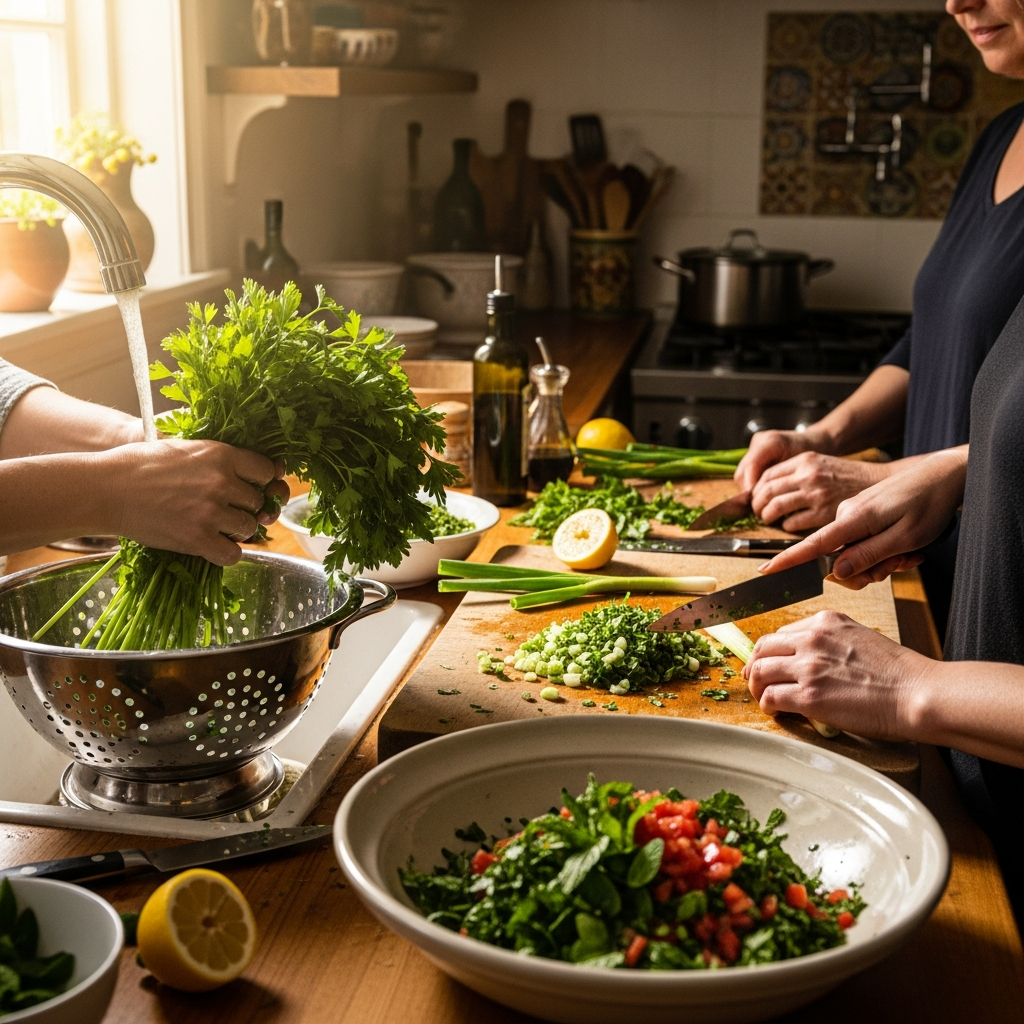
In the Lebanese kitchen, Taboili’s preparation is a social act. Someone rinses and dries the parsley, laying it out to breathe. Another chops tomatoes into small, shining cubes and slices scallions into threads. Mint is minced last, its fragrance opening as the leaves meet the knife. Fine bulgur softens in the juices, never stealing the show. Lemon and oil come together just before serving, when the room is loud with conversation and the table is nearly set. This choreography arrives in Naperville homes, too; I’ve watched families in our neighborhoods gather around cutting boards, telling stories, and turning herbs into a shared memory.
Timing matters. Toss too early and the herbs tire; too late and the flavors don’t knit. The sweet spot—20 or 30 minutes before the meal—lets lemon wake up the greens and olive oil give everything a gentle sheen. Then, right before the bowl hits the table, a final toss makes it glow.
Seasonality and the Illinois Landscape
Lebanon’s sun-ripened tomatoes and fragrant herbs are the flavor memory behind every great bowl of Taboili. Here in Illinois, we translate that memory through seasons. In late summer, Naperville’s farmers markets are overflowing with tomatoes that taste like the sun and parsley that seems to leap from the bunch. On those days, a bowl of Taboili can transport you halfway across the world while you’re sitting by the Riverwalk fountains. In winter, we choose carefully, leaning on the brightest lemons we can find, the greenest parsley in the bins, and a peppery olive oil that keeps the dish’s spirit alive even as snow gathers outside the 95th Street Library.
Community, Celebration, and the Mezze Table
Lebanese tradition places Taboili among many small plates, inviting conversation and discovery. In Naperville, this spirit shows up at backyard gatherings, school potlucks, and Sunday suppers. The mezze table becomes a place where neighbors become friends, where someone who’s never chopped mint before learns by doing, and where a child discovers a love for parsley that surprises everyone. There’s generosity built into the dish: it feeds many without fuss, travels well, and seems to taste even better when shared.
On holidays, Taboili often serves as a palate-brightener, a counterpoint to richer dishes. It keeps the meal lively from first bite to last. I’ve seen it open a conversation between generations—grandparents describing village markets, kids asking why the parsley is chopped so small. In that exchange, food becomes culture you can taste.
Authenticity, Adaptation, and Respect
Every diaspora community walks a line between holding onto tradition and embracing a new home. In Naperville, that balance shows up in Taboili in small, thoughtful ways. Some families keep their grandmother’s exact method, insisting on hand-chopping herbs to keep their texture pristine. Others introduce local touches—heirloom tomatoes from a neighbor’s garden, for example—while staying true to the salad’s herb-first identity. Authenticity isn’t rigidity; it’s respect for the salad’s soul: parsley at the center, lemon as light, olive oil as silk, bulgur as texture.
Adaptations for dietary needs follow the same spirit. Gluten-free versions use quinoa or skip grains but never let the substitute overshadow parsley. Low-sodium approaches lean on lemon and mint for brightness over salt. Vegan diners rarely need to change a thing; the dish is plant-based by nature.
How to Taste Taboili Like a Local
When you sit down to a bowl of Taboili in Naperville, approach it like you would a favorite stretch of the Riverwalk—slow down and notice details. Does the parsley smell freshly cut? Do the tomatoes taste sweet, not just acidic? Is the mint whispering or shouting? Are the grains delicate, part of the fabric rather than the pattern? You’ll know you’ve found a great bowl when the lemon glows without overwhelming, the oil feels silky but not heavy, and the herbs rise to meet you instead of sinking to the bottom of the bowl.
Midway through the meal, you may find yourself building little combinations—Taboili with a bite of grilled vegetables, then with a spoonful of hummus, then on its own. Lebanese food invites play; the mezze tradition is as much about discovering balance on your own plate as it is about any single recipe. If you’re browsing a local menu, look for Taboili described in that spirit: finely chopped herbs, fresh lemon, a restrained hand with bulgur.
Serving Traditions Brought to Naperville Tables
At many Lebanese tables, Taboili is sometimes scooped onto crisp lettuce leaves for a refreshing contrast. In Naperville, I’ve seen families use the tender inner leaves of romaine the same way, passing a platter around so each guest can build their own bite. Others serve it family-style beside grilled seasonal vegetables, letting the lemon-bright salad cut through smoky flavors. At home, I prefer Taboili slightly chilled but not cold, so the olive oil’s perfume lingers and the herbs stay buoyant.
Keeping the Tradition Alive
Cooking is how traditions travel. When parents show kids how to rinse parsley gently or how to mince mint without bruising it, they’re passing on a way of paying attention. In Naperville kitchens, I’ve watched teenagers learn to balance lemon and oil by taste, not by tablespoon, and I’ve seen neighbors trade batches across fences just because the tomatoes looked perfect that day. That’s cultural continuity built one bowl at a time.
Frequently Asked Questions
What makes Lebanese Taboili different from Americanized versions?
Authentic Lebanese Taboili is herb-first and finely chopped, with parsley as the star. Bulgur is present but restrained, and the dressing relies on fresh lemon and extra-virgin olive oil. Many Americanized versions flip that ratio, turning the dish into a grain salad with herbs.
Why is the chopping so fine in traditional Taboili?
Finely chopping parsley, mint, and scallions releases aroma and creates a cohesive texture. The result is a salad that eats like a delicate, flavorful tapestry rather than a bowl of separate parts.
How long should Taboili rest before serving?
About 20–30 minutes helps flavors meld without wilting the herbs. A quick toss just before serving refreshes the salad and brings its aromatics forward.
Can I make gluten-free Taboili and stay true to tradition?
Yes. Use quinoa or skip grains entirely while keeping parsley at the center and seasoning with fresh lemon and olive oil. Authenticity lies in the salad’s balance and spirit, not a single grain choice.
What should I look for when ordering Taboili in Naperville?
Seek descriptions that emphasize finely chopped herbs, fresh lemon, and a light hand with bulgur. When the salad arrives, it should smell bright, taste lively, and feel buoyant rather than heavy.
Bring a Taste of Lebanon to Your Naperville Table
If you’re ready to experience Taboili as more than a side dish—as a living tradition that brightens the whole meal—seek out herb-forward versions that respect the salad’s roots. A quick look at a local menu can guide your next outing. Share it on the Riverwalk, serve it at home, and let lemon and parsley carry a beautiful heritage right to your plate.