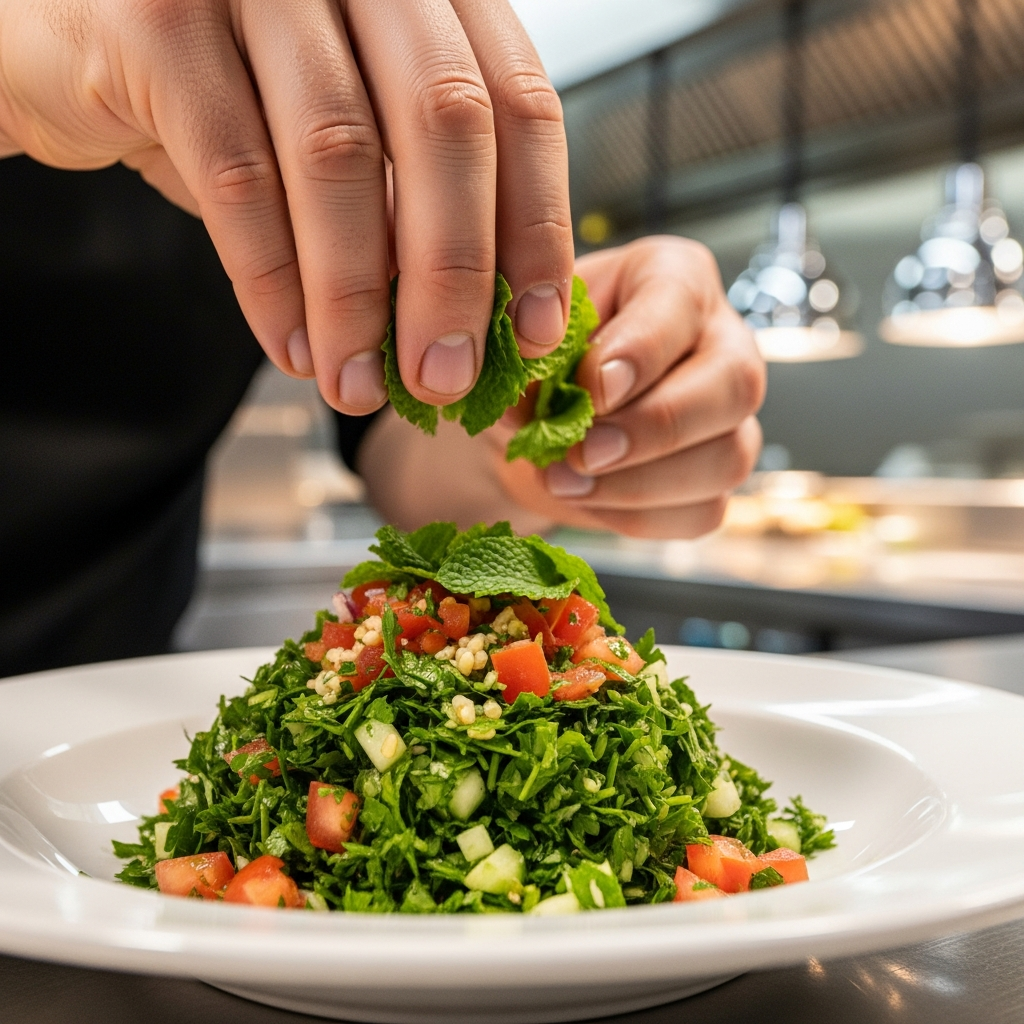
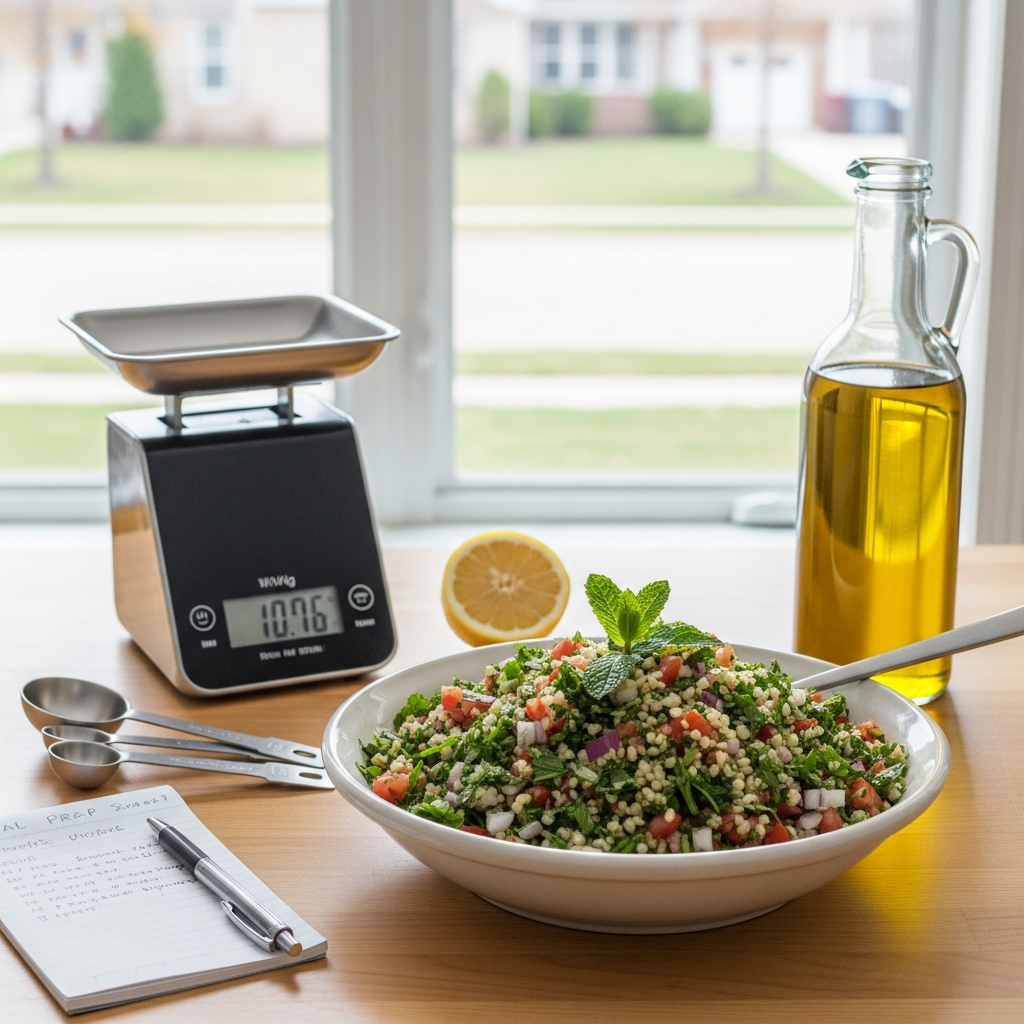
When neighbors in Naperville ask about the calorie count of Lebanese Taboili, they are often seeking more than a number. They want to understand how this parsley-driven salad fits into a day of eating that feels balanced and satisfying. The good news is that Taboili, built as it is on herbs, tomatoes, lemon, and a modest support of bulgur and olive oil, tends to be both lively and reasonable. It brings brightness to a plate without weighing it down, and it carries a nutrient-dense profile that rewards the body as much as it delights the palate. To talk about calories here is to talk about proportion, because with Taboili the ratio of parsley to grain to dressing and vegetables is what shapes the experience, both in taste and in nutrition.
Let us start with the base: parsley. As the primary ingredient by volume in traditional Taboili, parsley contributes very few calories while delivering fiber, vitamin K, and a parade of antioxidants. When you chop it finely and make it the undeniable star of the bowl, you ensure that each serving leans green and light. Tomatoes add gentle sweetness and hydration with similarly modest calories, while cucumbers bring crunch and a refreshing coolness that helps the salad feel abundant without adding much energy density. The supporting cast—scallions and mint—add aroma, not heft.
Where Calories Gather: Bulgur and Olive Oil
Calories concentrate primarily in the bulgur and olive oil. Bulgur, a minimally processed wheat, is there to create structure and a pleasant chew; it carries energy in the form of carbohydrates and some protein. Olive oil, in contrast, is a pure fat and therefore calorie-dense, but it also brings satiety and a wealth of flavor that makes small portions satisfying. The magic of a well-balanced bowl is that you do not need much oil to make the parsley gleam and the lemon bloom. In Naperville kitchens, the most delicious versions I have seen use a modest hand, letting the oil function as a sheen rather than a soak.
Portion Size and Plate Composition
When people ask for a number, I remind them that servings are elastic. A small bowl of Taboili as a side might land far lower in calories than a larger serving that acts as a main course. What matters is how you plate the meal. Taboili shines as the bright counterpoint to grilled or roasted items and as the green anchor in a spread of meze. When it shares the plate, you are less likely to overdo the oil or grain, and the salad still brings its lively character to every bite. If you want inspiration for thoughtful pairings, a quick glance at a Mediterranean restaurant’s menu can help you imagine how a balanced plate might look without needing to crunch any numbers.
Ingredient Quality and Caloric Impact
Better ingredients often let you use less. A tart, juicy lemon means you can lean on acid for flavor and need less oil to achieve satisfaction. A fresh-tasting extra virgin olive oil will taste rounder drop for drop, making a light hand feel generous. Vibrant parsley offers bigger aroma per bite, so each forkful satisfies without a heavy pour of dressing. This is one reason Naperville cooks pay attention to produce quality and oil freshness; the better the flavor, the easier it is to keep portions sensible while still feeling indulged.
How Technique Shapes the Numbers
Technique can nudge calorie count, too. If you hydrate bulgur with lemon juice and a splash of water rather than a larger volume of liquid, it will absorb the tomato juices during mixing, creating cohesion without requiring extra oil. Salting components in stages intensifies their natural flavors, which again reduces the temptation to add more dressing than you need. Fine chopping also matters because it spreads flavors evenly, making each bite feel complete and satisfying.
Eating Taboili as a Main vs. a Side
As a main course, Taboili’s calorie profile will rise because you will likely serve a larger bowl and maybe add extras like olives, cheese, or warm bread. As a side, it provides brightness and texture in fewer calories, especially when it sits alongside lean proteins or roasted vegetables. The beautiful thing is that both approaches feel good at the table. On busy weeknights, I sometimes make a hearty salad and let it own the plate; on weekends, it acts as the refreshing green accent for a wider spread.
Satiety and Satisfaction
Calories are only part of the story. Satiety—how full and content a meal leaves you—depends largely on flavor and texture. Taboili performs well here because parsley’s herbal hit keeps the palate engaged, lemon cuts through heaviness, and the gentle chew of bulgur signals substance. Olive oil adds mouthfeel that lingers pleasantly. This combination means a modest portion can feel generous, especially if the salad sits next to something warm and savory.
Mindful Add-Ins
Some Naperville cooks stir in extras for variety—diced bell pepper for crunch, a handful of chickpeas for protein, or a few cubes of cucumber-heavy tomato salad to stretch a small batch. Each add-in changes the calorie picture, sometimes up, sometimes down, but the principle remains the same: let parsley lead, keep dressing in proportion, and aim for balance. If you love olives or feta, consider them accents rather than anchors so the salad stays light and green.
Seasonality and Flavor Density
In-season tomatoes and herbs are inherently more flavorful. When the ingredients are at their best, you will need less of everything else to feel satisfied—less oil, less grain, fewer extras. That is one of the quiet perks of paying attention to seasonality in Naperville: the peak-season salad practically seasons itself. In colder months, you can shift to plum tomatoes for consistency and be a touch more generous with lemon to keep the sparkle alive.
FAQ: Is Taboili low calorie?
Relative to many side dishes, yes. Parsley, tomatoes, and cucumbers are low in calories, and bulgur can be used sparingly. Olive oil is calorie-dense, but thoughtful use provides flavor and fullness without excess. The final count depends on your ratios and serving size.
FAQ: How can I reduce calories without losing flavor?
Lean on lemon and salt for brightness, use a fresh-tasting olive oil in smaller amounts, and fine-chop herbs so each bite carries more aroma. Hydrate bulgur lightly so it absorbs tomato juices rather than extra oil, and let the salad rest so flavors bloom.
FAQ: What about gluten-free versions?
Swap bulgur for a small amount of cooked, cooled quinoa or a fine cauliflower crumble. Keep the ratios the same—parsley forward, dressing gentle—and you will preserve the salad’s spirit with only a modest shift in calories.
FAQ: Does adding protein change much?
Yes. Chickpeas, beans, grilled chicken, or cheese will raise calories but can also increase satiety and make the salad a more complete meal. Treat these as additions with intent, folding in just enough to suit your plan for the plate.
FAQ: Is the dressing where calories hide?
Olive oil is the densest source of calories here, so the dressing deserves attention. Use enough to make flavors carry and textures feel silky, but stop before you see pooling at the bottom of the bowl. A lively lemon will let you use less oil while keeping the salad delicious.
If you are ready to bring a bowl of Taboili to the table this week, think about balance first and numbers second. Choose bright herbs, taste your lemon, and stir in oil with a mindful hand. For ideas on what to plate beside it, a look at a Mediterranean menu can spark inspiration, but your senses will tell you what feels right. Start with the freshest ingredients you can find in Naperville, trust your eye for proportion, and enjoy a salad that feels light, lively, and entirely at home.