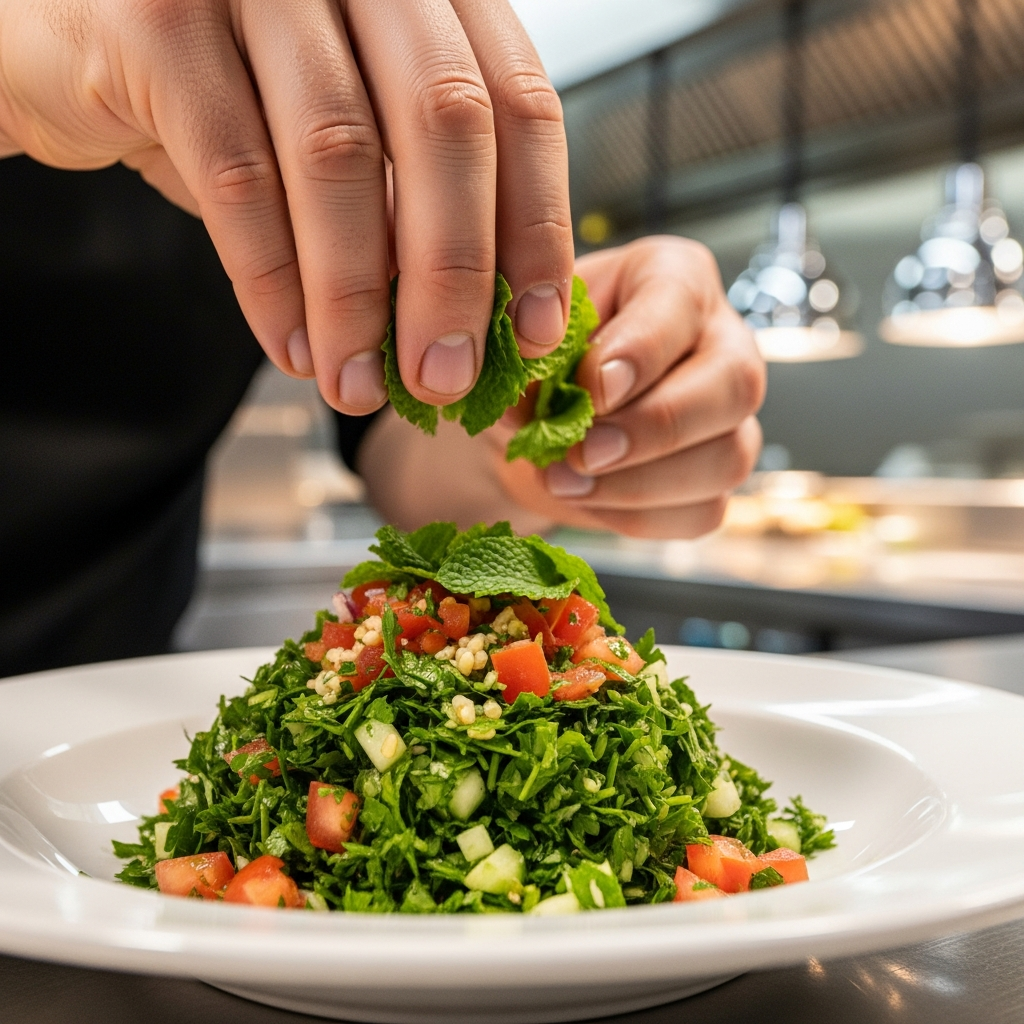
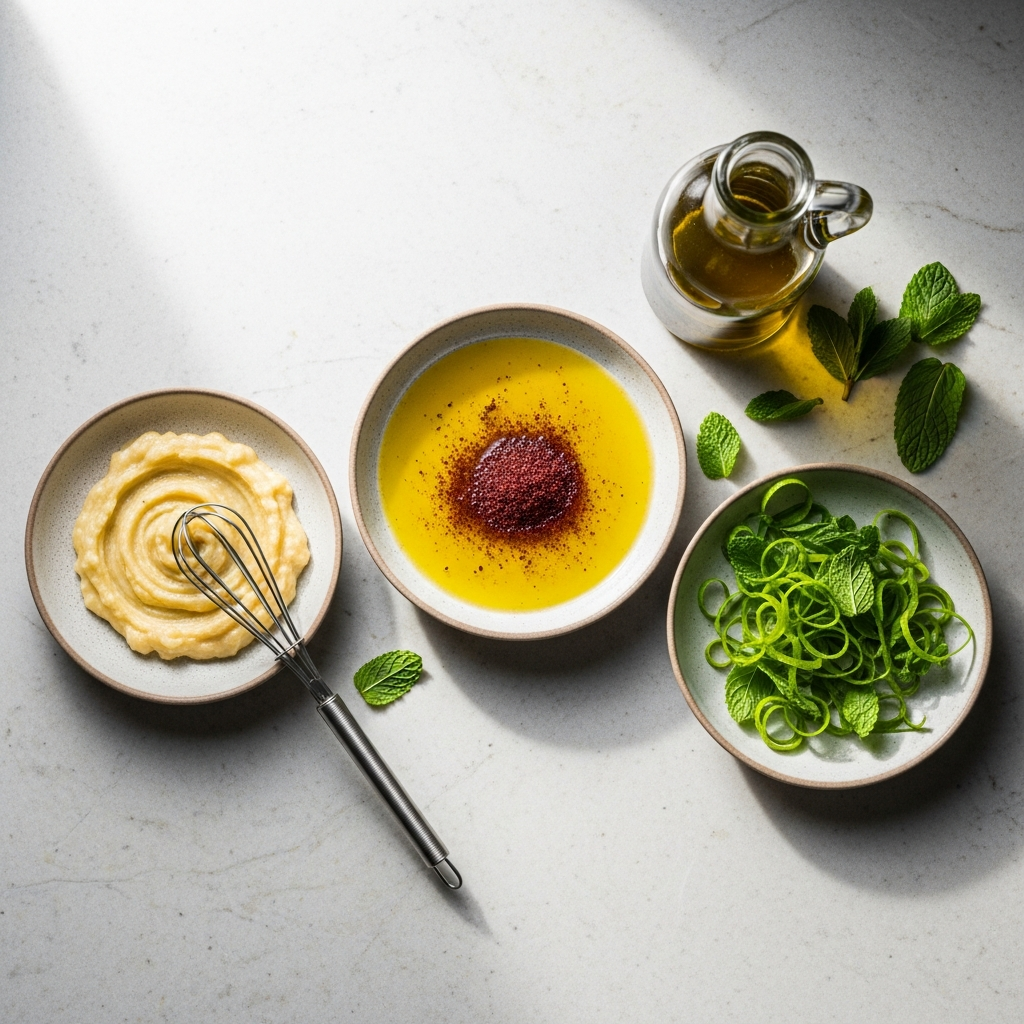
When people in Naperville ask how to make their Taboili taste restaurant-special without abandoning the spirit of the dish, I point them to the dressing. This herb-led salad does not need much help, but the right lemon-and-olive-oil balance can make it feel luminous, like late afternoon sun on the Riverwalk. A great dressing lets parsley sing, keeps tomatoes buoyant, and gives bulgur a soft, welcome place in the chorus. It should taste as if the salad was always meant to be that way, not as if you fussed. The trick is to play with proportion and timing, and to introduce small, thoughtful accents that amplify rather than overwhelm.
At its core, Taboili dressing is elemental: fresh lemon juice, extra virgin olive oil, and a mindful pinch of salt. When you whisk those together and taste a spoonful, you should feel an instant lift. From there, you can shape the flavor to match the season and the rest of your table. I often think about dressing ideas the same way I might scan a Mediterranean menu for pairings: what is the mood of the meal, what textures are present, and what do I want the salad to say when it arrives on the plate?
Classic Bright and Balanced
Start with equal parts lemon juice and olive oil, then adjust by taste. If your parsley is exceptionally lively or your tomatoes are very sweet, tilt a little more toward lemon for cut and clarity. If the salad leans sharp, a touch more oil buffers the edges. Salt in small pinches so you can hear the dressing’s voice as it develops. When it is right, the flavor feels inevitable and clean, with no single note poking out.
Garlic-Perfumed Without Dominating
Raw garlic can elbow its way to the front, but when used well it becomes a halo rather than a headline. I like to crush a tiny clove to a paste with salt, then whisk it into the lemon before adding oil. The salt tames the harsh edges, and the lemon spreads the aroma so the salad smells inviting. You should sense garlic as a warm backdrop, not a sharp spike. If it shouts, you can recover by adding oil and lemon and a handful more chopped parsley.
Mint-Lemon Accent
When mint is especially fragrant, I build a mint-forward dressing to echo the leaves in the bowl. Finely mince a few sprigs and muddle them in the lemon juice for a minute, then strain or leave the flecks if you like the look. This approach makes the dressing feel like it was steeped in a garden. It is particularly nice when you plan to serve the salad with grilled food, because the mint’s coolness refreshes the palate between smoky bites.
Sumac Spark Without the Pucker
Sumac offers a berry-bright tartness that can stand in for some of the lemon or complement it. A small sprinkle in the dressing delivers a rosy tang that many people in Naperville have come to love, especially when tomatoes are milder out of season. Be careful not to double down on too many sour elements; remember that parsley needs a stage, not a spotlight that blinds it. If you add sumac, taste and reduce lemon slightly until everything feels balanced again.
Olive Oil Notes: Peppery vs. Gentle
Olive oil choice changes the character of the dressing. A peppery oil brings a little bite that reads as energy, while a gentler, buttery oil reads as comfort. I keep two bottles on hand and switch depending on the vibe of the meal. If I am pairing Taboili with something robust, like charred skewers, I reach for peppery oil. If the table is full of softer textures, I lean toward a milder oil so the salad carries brightness without edge.
Salting in Stages
Salt does more than season; it manages moisture. I like to salt the chopped parsley lightly while it waits, then season the tomatoes separately so their juices begin to release. The dressing then needs only a final pinch to tighten the flavors together. This approach keeps the salad lively instead of waterlogged and gives you more control over the final taste.
Resting and Refreshing
Once dressed, the salad should rest briefly in the refrigerator so the bulgur softens and the herbs feel integrated. Before serving, taste and decide whether it wants a little more lemon, a small dot of oil, or nothing at all. That last-minute check is as important as any exact measurement you make earlier. I consider it the handshake that seals the deal between ingredients.
Pairing the Dressing With the Plate
When I choose a dressing style, I consider what else is on the table. If dinner leans smoky or meaty, I up the lemon for a cleansing effect and perhaps let garlic murmur in the background. If the meal is built on roasted vegetables and grains, a rounder, oil-forward dressing often feels right. Sometimes I take cues from a Mediterranean menu, noticing how bright salads are used to offset rich dishes, then recreate that energy at home with what I have on hand.
Common Pitfalls
Overdressing is the most common mistake I see. Taboili should look glossy but not wet, with no dressing pooled at the bottom of the bowl. Another is leaning too hard on garlic or sumac, which can turn the salad into something more like a sauce. If you go too far, do not panic. Add chopped parsley, a few more tomatoes, and a gentle touch of oil to widen the lane again. The salad is forgiving as long as you keep the herbs in charge.
FAQ: Can I make a dressing without olive oil?
If you want an oil-free version, use a touch of aquafaba or a spoon of tahini loosened with lemon and water to create body. Use sparingly so the parsley remains the star and the texture stays light.
FAQ: How much lemon is too much?
You will know you have gone too far when the herbs taste thin or the salad feels prickly at the back of your throat. Pull back by adding oil and a pinch of salt, then taste again. The right balance tastes bright but gentle.
FAQ: Is fresh garlic better than powdered?
Fresh garlic, when crushed to a paste with salt, blends more gracefully and perfumes the salad rather than shouting. Powdered garlic tends to sit on top of flavors. If you do use it, go lightly and let the salad rest so it mellows.
FAQ: How long should the salad rest after dressing?
Twenty to thirty minutes is ideal. The bulgur finishes hydrating, the lemon meets the herbs, and the oil smooths everything together. Taste once more before serving and make tiny adjustments only if needed.
If you are ready to experiment, start small and let your palate be the guide. Mix a classic lemon-oil base, nudge it toward mint or sumac if that suits your table, and keep tasting until the flavors feel inevitable. When you consider what to serve beside your bowl, a glance at a Mediterranean menu can spark ideas, but your own senses are more than enough. In Naperville kitchens, where good food is more about welcome than perfection, these dressing ideas will carry you gracefully from weeknight dinners to weekend gatherings.