In Naperville kitchens from Brookdale to south of 95th Street, weekend plans often include a batch of homemade falafel. The smell of parsley and cumin drifting through a townhouse or single-family home feels like a reward for the effort of soaking chickpeas and chopping herbs. Yet even seasoned home cooks run into recurring snags: mixtures that turn pasty, patties that fall apart, or crusts that brown too quickly while the centers lag behind. As a neighbor who has traded plenty of tips over backyard fences and at block parties, I’ve seen these issues and the small, trusty fixes that bring falafel back to that ideal sweet spot: a crisp, golden exterior and a tender, herb-lifted interior. And if cooking at home isn’t on the docket tonight, a quick glance at a local menu can save the day while still satisfying the craving.
The Texture Trap: Pasty or Dense
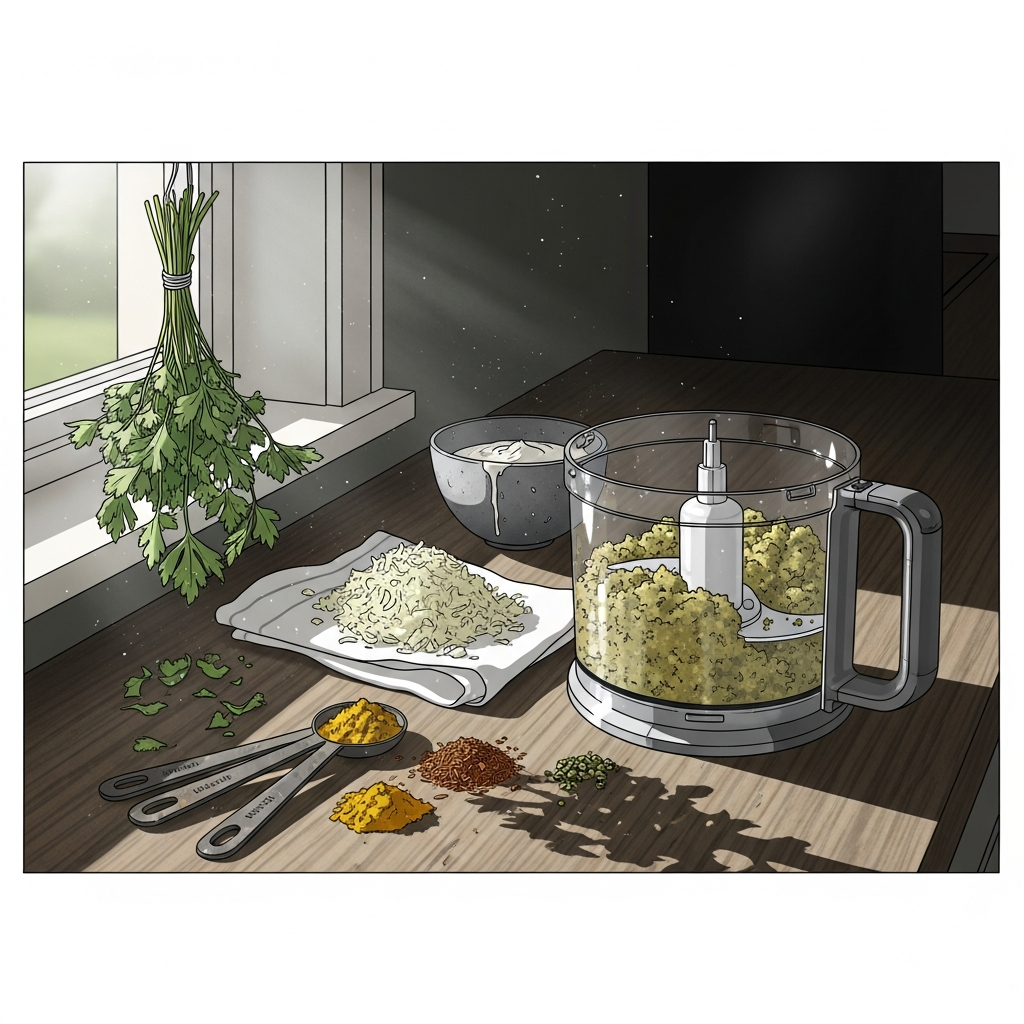
The first common issue starts in the food processor. Over-blending is the arch-nemesis of airy falafel. When chickpeas are pureed into a paste, steam can’t thread its way through the mixture, so the interior turns heavy. The fix is more about rhythm than gear: pulse in short bursts until the mixture looks like coarse sand laced with tiny herb flecks. You should see micro-chunks that catch light, not a uniform puree. That raggedness creates pockets that expand gently, giving the falafel its feathery bite.
Moisture balance compounds the problem. Onions and herbs are generous with water; if they dominate, the mixture slides toward gluey. The cure is simple: pat herbs dry, grate onion then squeeze out liquid, and give soaked chickpeas a brief towel rub after draining. These small gestures nudge the mixture back toward structural integrity without sacrificing freshness.
Falling Apart in the Pan or Basket
When falafel crumbles at the moment of truth, it’s usually because the mixture needed a little more time to relax. Resting in the fridge lets starches hydrate and gives aromatics a chance to mingle. Fifteen to thirty minutes can transform a fidgety batter into one that shapes confidently. If you suspect a binder is necessary, reach for a light touch; too much turns the mixture dense. Think of binding as a seatbelt, not a straitjacket—the goal is safety, not immobilization.
Shaping matters, too. Compact gently, avoiding the urge to squeeze. A firm patty with modest pressure holds its form better than a tightly compressed one that resists heat penetrating to the center. Whether you’re frying, baking, or air-frying, that measured touch leads to cleaner flips and fewer casualties.
Oil Temperature and Even Browning
Falafel that scorches outside while staying pale within is almost always battling inconsistent heat. When pan-frying, preheat long enough that a small crumb sizzles assertively but doesn’t darken instantly. The goal is a steady medium-high, not a screaming hot surface. If using an air fryer or oven, give the machine an honest preheat and space the pieces so hot air can flow. Crowding drops temperature and replaces crisping with steaming.
It helps to accept that the first batch is a tester. In my Naperville kitchen, I adjust after the first two pieces, then the whole session falls into a groove. Once the heat stabilizes and you’re flipping with calm predictability, the kitchen starts to smell like a restaurant on a good night.
Flavor That Fades on the Plate
Another frequent complaint is flavor that doesn’t travel from the bowl to the final bite. Spices blossom with heat, so a mixture that tastes bold when raw can read muted after cooking. To counter this, build layers: toast whole spices like cumin and coriander before grinding; fold in plenty of herbs; and finish the cooked falafel with a bright nudge of lemon or a dusting of sumac. The after-cook lift is crucial, especially if you plan to tuck falafel into bread or pile it onto greens, where accompaniments can overwhelm a shy core.
Salt deserves measured attention. It should heighten the herbal perfume without announcing itself. Taste a small patty cooked off early and adjust the mixture before shaping the rest. That tiny step gives you control and guards against a batch that ends up almost-right.
The Soak vs. Can Dilemma
Many home cooks reach for canned chickpeas out of convenience and then wonder why the falafel turns soft or greasy. Canned chickpeas are already cooked, which makes them easy to puree and eager to collapse. Dried chickpeas soaked overnight retain a firmer, starchier structure that transforms into that coveted tender crumb after cooking. If you’re pressed for time, a hot-soak method can help, but there’s no real substitute for the slow hydration that sets texture up for success.
An added benefit of starting from dried is flavor control. You decide the salt level and can fold in aromatics at the right moment, allowing the chickpeas to act as a neutral canvas for herbs and spices rather than competing with them.
Air Fryers, Ovens, and Frying Pans
Each method can yield excellent falafel when you respect its strengths. Air fryers reward even sizing and a light brush of oil, giving you a brittle shell and fluffy interior with minimal fuss. Ovens favor larger batches and hands-off cooking, though a flip midway and a patient preheat are critical. Frying pans deliver that familiar, more traditional sizzle, provided you manage oil depth and temperature. The choice is yours; the techniques differ, but the destination is the same: a confident crunch around a green-flecked center.
If you find one side darkening faster than the other, you’re not alone. Rotate trays, flip with care, and remember that a minute’s patience can be the difference between almost and exactly right.
Serving Without Sog
Even perfect falafel can wilt if it meets steam. The fastest way to preserve crunch is to cool cooked pieces on a wire rack rather than a plate. Air flows underneath, moisture escapes, and the bottom stays crisp. If you’re assembling a wrap, put saucy components on the opposite side of the bread or greens, giving the falafel a buffer. For bowls, drop falafel last, right before serving, so it meets diners at peak texture.
The same principle applies to leftovers. Store the falafel separately from salads and sauces, then revive in a hot oven or air fryer to reawaken the shell. You’ll be surprised how close you can get to day-one quality.
When to Mix, When to Rest
Naperville home cooks often juggle dinner with homework checks and late emails, so timing matters. Mix the batter earlier in the day if you can, let it rest, and cook closer to mealtime. Resting is not a luxury; it’s the silent phase where structure sets and aromatics bloom. If you must rush, aim for at least a short chill—it pays you back in cleaner shapes and more consistent results.
Shaping ahead and chilling the formed patties works well for gatherings. When guests arrive, you can focus on conversation while the oven or air fryer does the work, freeing you from the stove’s attention demands.
Middle-of-the-Week Shortcuts
On a busy Wednesday, creativity keeps the ritual alive. Make a double batch of mixture on the weekend, then portion and refrigerate for a couple of days. When the craving hits, you’re minutes away from fresh falafel. If you’re picking up dinner instead, scan a trusted restaurant’s menu for bowls or wraps that keep components separate until assembly—those small choices help preserve texture on the ride home.
Condiments can also carry you. A bright tahini sauce, a cucumber-tomato salad, and a lemon wedge turn even a simple plate into something that tastes thought through.
Kids, Parties, and Community Tables
Smaller, bite-sized falafel pieces convert skeptics faster than lectures ever could. When children can dip and explore at their own pace, they usually circle back for seconds. For parties, a warm tray becomes a casual anchor point where guests mingle and compare their favorite sauce combinations. The dish’s tidy form and familiar crunch lower the barrier to trying something new, while the herbal perfume invites even cautious eaters in.
At neighborhood gatherings—from block parties to book clubs—falafel travels well and holds quality with a simple warm-up, making it a reliable contribution that nods to craft without dominating your prep time.
FAQ
Q: Why does my falafel fall apart in the pan? A: It likely needs a rest in the fridge so starches hydrate and the mixture sets. Gentle shaping and avoiding over-wet ingredients also help.
Q: How do I keep falafel crisp for takeout or parties? A: Cool on a rack, transport in ventilated containers, and re-crisp quickly in a hot oven or air fryer just before serving.
Q: Can I use canned chickpeas? A: You can, but the texture often skews soft. Soaked dried chickpeas deliver a lighter, crisper result that most home cooks prefer.
Q: What’s the best cooking method? A: Pan-frying provides classic results, air fryers are convenient and light, and ovens are great for volume. Choose based on your schedule and texture preference.
Q: How do I fix bland falafel? A: Toast spices before grinding, fold in plenty of herbs, and finish cooked falafel with lemon or sumac to brighten flavor.
When you’re ready to put these fixes to work—or to take a break and let someone else do the cooking—invite a friend and consider a place with a well-balanced menu. However you enjoy it, may your next batch emerge crisp, aromatic, and confident, the kind of falafel that makes the whole evening feel easier.