Naperville lives by its seasons. Summer pulls us outdoors to the Riverwalk, neighborhood block parties, and patios that glow until the sky finally gives in to night. Winter tucks us back into warm kitchens, busy school nights, and weekend gatherings that make the most of shorter days. Across both rhythms, shawarma thrives. It’s adaptable, flavorful, and deeply comforting, yet fresh enough to suit a hot afternoon. As someone who has carried wraps to the quarry lakes and bowls through snow-dusted streets downtown, I’ve learned that a few seasonal habits can elevate the experience. To see what combinations might fit your plans, it helps to glance at the menu with the calendar in mind and imagine how each component plays with temperature and mood.
What makes shawarma such a stalwart year-round is its structure. The dish invites contrast: warm meat and cool vegetables, soft bread or fluffy rice paired with crisp pickles, a gentle blanket of tahini or garlicky sauce tuned to your taste. By leaning into those contrasts differently in summer and winter, you can create meals that feel custom-built for the weather without abandoning the flavors that anchor the tradition.
Summer: bright, cool, and picnic-ready
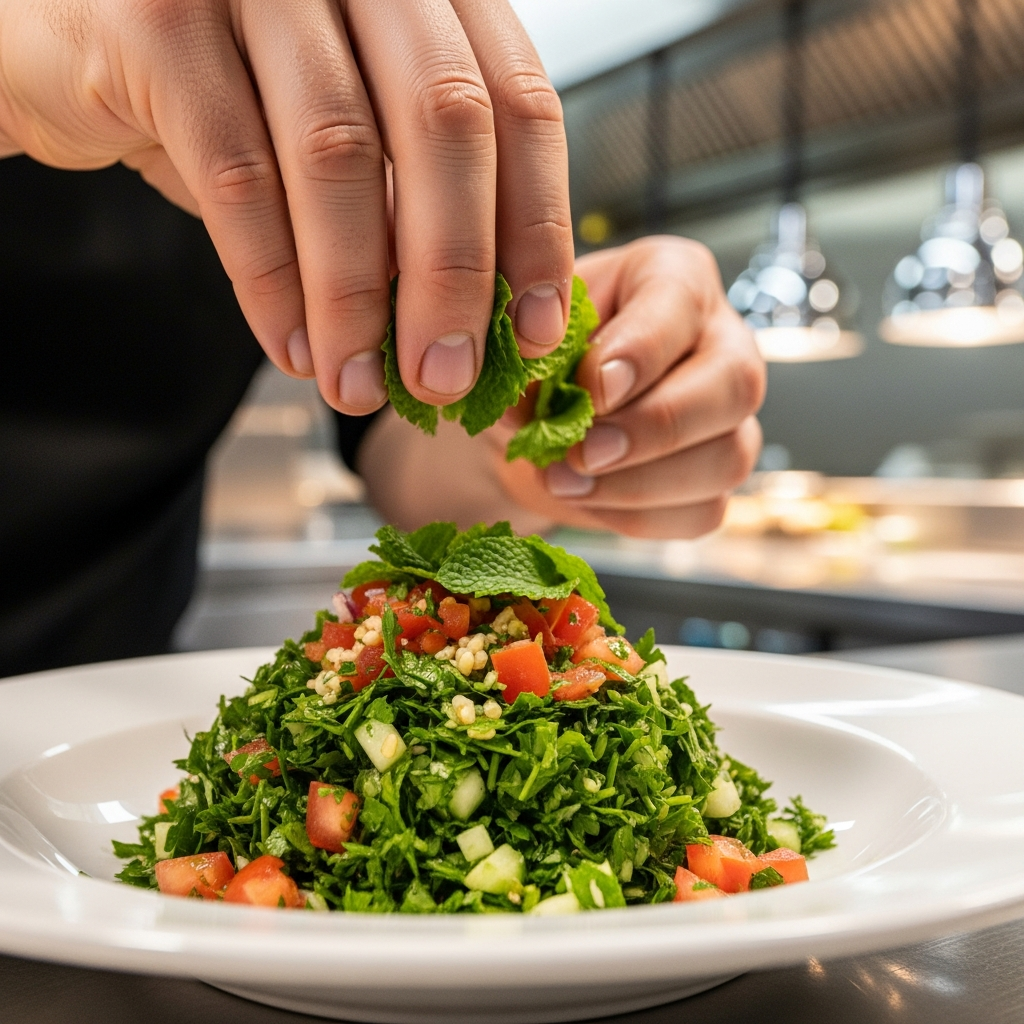
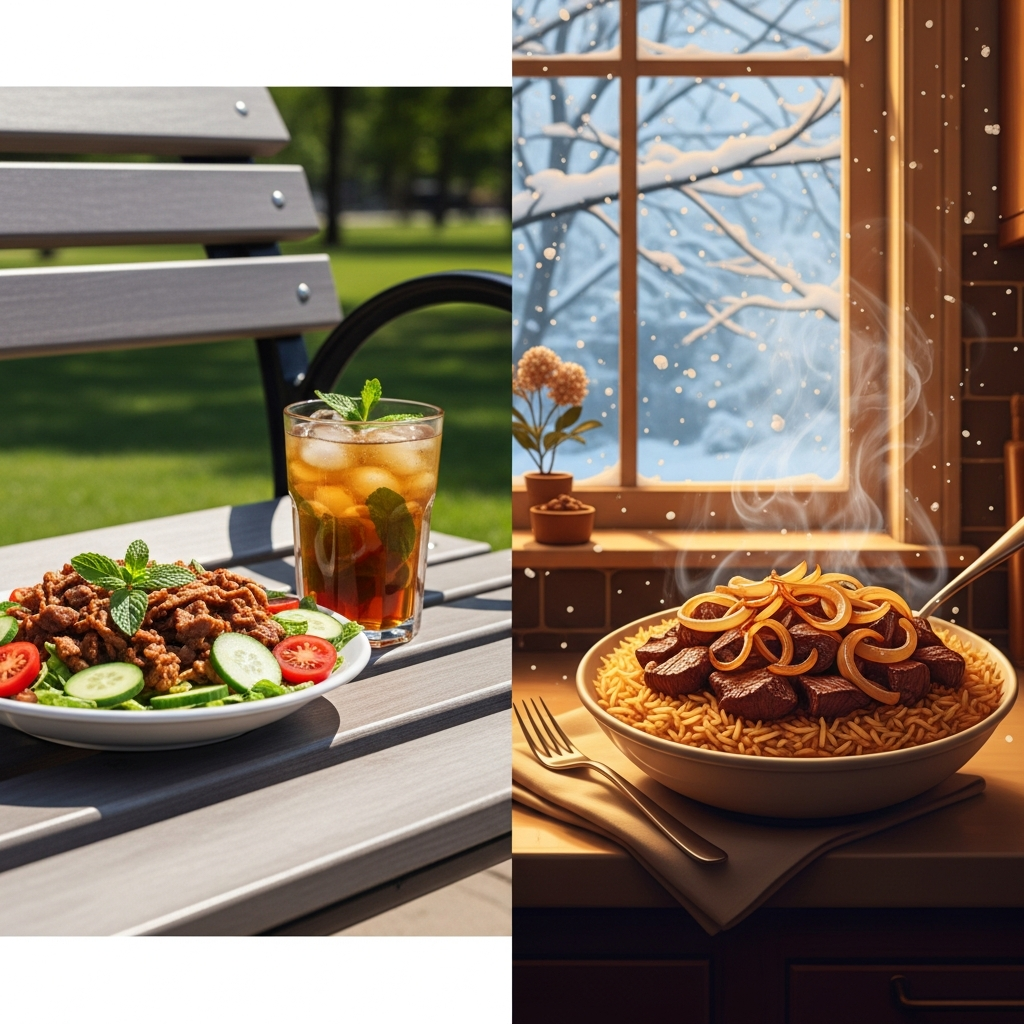
In Naperville’s summer, humidity and sunshine coax us outside. Food needs to keep pace—refreshing without feeling flimsy, portable without losing charm. Shawarma rises to the challenge when you build it for brightness. Think crisp cucumbers, juicy tomatoes, and a shower of parsley over tender chicken. A salad or grain bowl base lets breezes do their work; you feel light on your feet after lunch, ready for a Riverwalk stroll or a game at Knoch Park.
Wraps maintain their appeal, of course, especially for picnics. The trick is to preserve texture in the heat. Ask for sauce on the side so bread stays lively, and keep the wrap shaded and upright in your bag. Once you settle in under a tree, drizzle sauce to taste and enjoy the contrast of warm meat against cool vegetables. That first bite with a snap of pickle and a lemony whisper from tahini is the essence of a Naperville summer afternoon.
Beverage pairing matters more in heat. Water or mint tea refreshes without stepping on the spices. If you’re inclined toward spice, a small streak of chili can feel invigorating, but resist turning up the volume too far when the sun is high. A gentle glow reads as bright; a raging burn can taste dull in the heat. At family gatherings, mix bowls and wraps so everyone can find their comfort zone, then pass around herbs and pickles for last-minute lifts of flavor.
Where to enjoy shawarma in summer
Our city spoils us with parks and shady corners. I’ve found that bowls travel especially well to the Riverwalk when components are packed separately, then assembled on-site. Keep a napkin barrier under containers so condensation doesn’t dampen bread, and consider a small cooler if you’re out for the afternoon. If you’re headed to a concert or a festival, choose sturdier vegetables—onions and pickles—so your meal holds up to a bit of jostling. Summer is also the season for spontaneous generosity; extra wraps tend to spark friendships when shared on a bench with a good view of the river.
Kids often prefer simple builds in hot weather: chicken, light sauce, extra cucumbers. Give them ownership by letting them assemble with their own hands. It turns lunch into an activity and teaches them how small changes—more herbs here, fewer onions there—alter the overall flavor. Those micro-lessons pay off as their palates grow.
Winter: warmth, comfort, and resilience
Winter in Naperville changes the rules. Streets quiet under fresh snow, and we reach for meals that warm us without knocking us out. Shawarma is as cozy as a favorite sweater when built with thought. Beef or lamb over warm rice carries a deeper spice profile that reads beautifully in cold air. Caramelized onions amplify sweetness, and a little extra garlic feels like a hearth for the senses. The steam that curls out of a container on a frosty night can lift an entire evening.
Storage and travel take on new meaning in winter. Your car becomes a mobile refrigerator; food can cool quickly if you don’t insulate it. Keep wraps close to body heat on the ride home, and ask the shop to pack warm and cold components separately when possible. Once home, a brief pass in a hot skillet revives edges on meat, and bread benefits from a minute in a dry pan or low oven rather than the microwave. Finish with sauce after warming so brightness returns to the plate instead of getting lost in the heat.
Flavor shifts slightly with the season, too. A bit more tahini can feel luxurious when the air is dry and sharp. Herbs don’t need to shout; a restrained sprinkle of parsley or dill reads clearly against the warmth. If you’re feeding a group after sledding or a hockey practice, build a buffet on your kitchen island with warm components at one end and crisp vegetables and sauces at the other. The route from hot to cool lets each guest design a plate that lands exactly where they want on the comfort spectrum.
Planning menus by the calendar
Thinking seasonally can simplify weeknight decisions. In summer, schedule shawarma bowls on days when you know you’ll be active outdoors—yard work, long walks, or evening games. The lightness keeps energy high without a nap calling your name. In winter, aim for rice bowls with beef or lamb on nights when you want to exhale and stay put. Portion vegetables generously in both seasons, but change the mix: crunchy cucumbers and tomatoes when it’s hot; warm, sautéed peppers and onions when it’s cold.
Naperville families often build small rituals. Tuesday might become “salad bowl night” in June and July, while Friday earns “cozy shawarma night” in January. These anchors help during hectic weeks. Everyone knows what’s coming, and anticipation becomes part of the pleasure. To stir in variety, revisit the shawarma menu for seasonal specials or a new sauce that might refresh your routine.
Hosting tips for outdoor gatherings
Summer get-togethers live or die by logistics. If shawarma is the headliner, order bowls and wraps with sauces on the side, and set up a garnish station with herbs, lemon wedges, pickles, and onions. Keep food shaded and rotate components so nothing lingers in direct sun. Label wraps by protein to avoid the unwrap-and-rewrap shuffle that saps heat and makes bread soggy. Provide plenty of cold drinks and napkins, and you’ll have the makings of a low-stress feast that feels fresh to the final bite.
Cleanup is easier when you think ahead. Compostable containers or a dedicated trash bag for sauce cups prevent the end-of-party scramble. Assign one person to restock herbs and pickles; those small, bright elements are the first to run out, and they carry a lot of the meal’s perceived freshness.
Hosting tips for cozy winter nights
Inside, warmth and pacing matter most. Preheat the oven to low and designate a baking sheet as a landing zone for just-warmed pitas wrapped in a towel. Keep meat sealed until moments before serving, then give it a quick reheat so steam rises as you bring it to the table. Serve sauces cool alongside warm components to preserve contrast. A simple green salad with lemon and olive oil cuts through richer bites, and a pot of mint tea on the stove makes the kitchen smell like a friendly invitation.
When snow or icy rain threatens, order a little earlier and pick up with time to spare. Roads slow down, and you don’t want your carefully planned spread turning lukewarm in transit. Communicate any special requests—extra char, light sauce—when placing the order so the kitchen can pace itself accordingly.
Nutrition notes that flex with weather
Our bodies speak differently in July and January. In heat, we crave hydration and crispness; in cold, we look for density and warmth. Shawarma meets both needs when you adjust composition. In the summer months, favor water-rich vegetables and consider a lighter hand with sauces. In winter, a drizzle more tahini adds satisfying richness that echoes the season without overwhelming the plate. Protein stays the anchor year-round, whether it’s chicken for lean lift or beef and lamb for depth when the air bites.
Mindful eating isn’t joyless; it’s simply observant. Notice how you feel after lunch on a hot day versus a cold night. Let that feedback guide your next order. Over time, you’ll develop an intuitive sense of what your body asks for, and shawarma’s flexibility will reward that attention.
Quick solutions for common seasonal hiccups
Summer’s enemy is steam. Avoid wrapping hot components with cool ones for long stretches, and vent containers during transport. Keep sauces cold until serving. Winter’s enemy is chill. Insulate takeout, reheat with care, and add bright elements—lemon, pickles, herbs—right before eating so flavor pops through the warmth.
If leftovers are part of your plan, store components separately. In summer, this keeps vegetables crisp and food safe in the heat; in winter, it helps you revive texture quickly without overcooking. A minute of organization pays off whenever you reach back into the fridge for a second round.
Frequently asked questions about seasonal shawarma
What’s the best summer base for shawarma? A salad or mixed-grain bowl keeps things light and refreshing, especially with cucumbers, tomatoes, and plenty of herbs.
How do I keep wraps from getting soggy at a picnic? Ask for sauces on the side, pack in shaded containers, and assemble just before eating. Separate warm and cool elements until the last minute.
What should I change in winter for more comfort? Choose beef or lamb over warm rice, add caramelized onions, and use a touch more tahini for richness that feels right in cold air.
Is spice better in summer or winter? Both, but for different reasons. In summer, a gentle heat feels lively; in winter, a deeper warmth folds into the cozy profile of the meal. Adjust to mood and setting.
How long can shawarma sit out at an outdoor event? Aim to serve and enjoy within a couple of hours, less in direct sun. Keep sauces cool and components shaded to preserve quality.
What’s a family-friendly approach year-round? Establish a routine—bowls with bright vegetables in summer, warm rice plates in winter—while letting each person customize sauce and pickles to taste.
Your next great seasonal meal starts here
Shawarma belongs to Naperville’s seasons as surely as hockey in January and the Riverwalk in July. With a few thoughtful adjustments, you can let the weather guide your build without losing the flavors that make the dish a hometown favorite. When you’re planning a picnic, a midweek dinner, or a post-sledding feast, glance at the Naperville shawarma menu and picture how warm, cool, crisp, and creamy will meet on your plate. Then make it happen, and let the city’s calendar set the table.