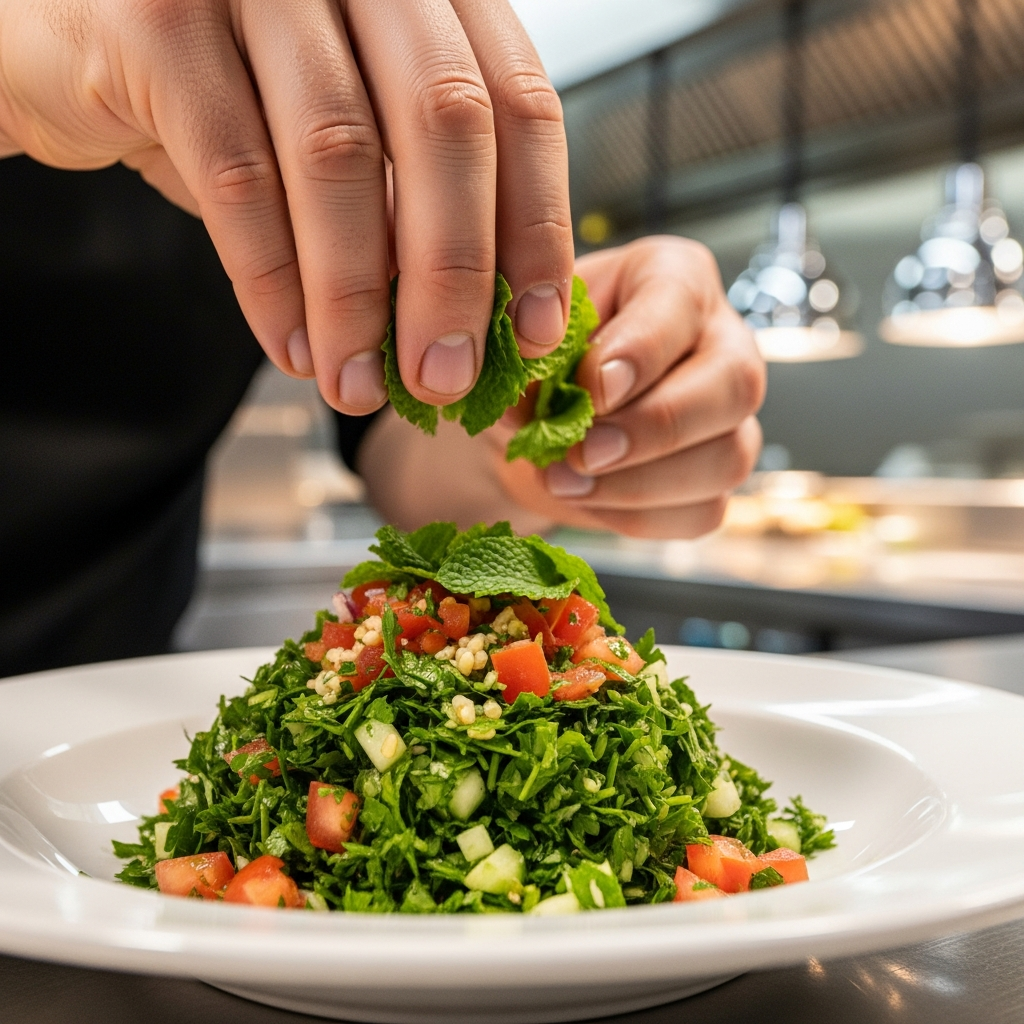
When dinner arrives at your door in Naperville—steam curling from the lids and aromas filling the kitchen—you can feel the relief in your shoulders. Ordering halal online turns a busy day into a generous evening, but what you do in the next few minutes determines how fresh, flavorful, and safe that meal will be. Food safety begins long before you open a container, of course, but the moments after you Orden Halal Food Online and a delivery reaches your home are where your choices make the biggest difference. A clear, reliable halal menu and trustworthy preparation set the stage; your attention to temperature, timing, and handling keeps that quality intact.
Start with readiness. Before the delivery driver turns onto your street—maybe near Washington or Bailey—clear a counter, set out plates and serving utensils, and wash your hands. These simple steps reduce the urge to juggle containers while you are hungry, which is when small slips happen. If you keep a kitchen thermometer handy, place it nearby. You may not need it every time, but on nights when dinner arrives a bit later or you plan to save a portion for later, it helps you make confident, safe decisions without guesswork.
Temperature is the foundation of safety. Hot foods should feel distinctly hot on arrival, and cold items should be chilled. If a hot dish seems lukewarm after a long drive from downtown or during a chilly evening near the Riverwalk, reheat it quickly to a safe internal temperature before serving. Use the oven or stovetop when possible; they heat more evenly than a microwave and preserve texture better. For crisp items, a short stint in a hot oven can restore the snap that long transit softened. Treat the reheating step as part of plating rather than an emergency fix—it keeps the flow of dinner calm and the quality high.
Open containers with intention. Vent steam from crisp foods, but keep lids on items that benefit from holding heat, especially during winter when indoor air feels cool. Stir saucy dishes to redistribute heat and aroma, and plate promptly. The longer food lingers in a container, the more texture and temperature can drift from ideal. Prompt plating also prevents the family from circling and picking before you are ready, which can lead to inconsistent portions and more time with food sitting out.
Separation matters more than most people realize. Keep raw produce and ready-to-eat items clear of any surfaces that touched outer packaging. Even though takeout containers from halal kitchens are clean, the bags and boxes have been outside, in cars, and on porches. Set them aside after opening and move immediately to the clean plating area. If you like to garnish with lemons, herbs, or a quick salad on the side, prep those elements before you open the containers so your cutting board stays in produce-only territory.
Timing is another key. Aim to serve within 15–30 minutes of arrival for hot foods. Cold items, like salads or chilled sauces, should return to the fridge if you are not using them right away. Naperville’s seasons will test your timing; hot summers can nudge room temperatures up, and winter drafts can cool plates faster than you expect. Warming plates for a minute and keeping cold components in the fridge until the last moment help you ride those seasonal swings gracefully.
Leftovers deserve a plan as soon as you know there will be any. Divide food into shallow containers, label them with the date, and refrigerate promptly—ideally within two hours of arrival, and sooner on hot summer evenings. This step protects quality and safety. It also sets you up for a strong second meal. Keep sauces separate, and do not mix components until you are ready to reheat. When the next day arrives, you will thank yourself for that bit of forethought because textures will revive more faithfully.
Reheating strategy is as much about quality as safety. In Naperville’s busy households, microwaves are a go-to tool, but try to reheat in short bursts with a cover to retain moisture and prevent uneven hot spots. For grilled or crisp items, the oven or air fryer does a better job. Add a quick splash of water to rice before reheating and a squeeze of lemon afterward to brighten the flavor. These small, thoughtful moves turn leftovers from a compromise into an encore.
Serving children requires an extra layer of attention. Let hot foods cool briefly on the plate, checking the temperature to avoid burns, and keep sauces on the side for easier control of flavors and mess. If your family likes to eat picnic-style on the living room floor for a movie night, use trays or a low table to prevent accidental contact with hot containers. A calm setup stops spills and keeps attention on the film instead of a cleanup sprint.
Hosting with online halal orders adds variables worth planning for. If guests arrive across a 30-minute window, hold hot dishes in a warm oven—around the temperature you would use to keep plates toasty—or serve in stages. Keep serving utensils dedicated to one dish at a time to avoid mixing sauces or allergens, and place clean napkins near every station to nudge your group toward tidy, safe habits. These quiet guardrails let hospitality and conversation take center stage while safety holds steady in the background.
Food safety includes how we communicate. If something seems off—temperature, packaging, or a question about ingredients—reach out to the kitchen promptly and clearly. Naperville’s best halal teams welcome the chance to clarify and to make things right if needed. Your feedback keeps a good system honest and responsive, which benefits you and the next family that orders after you.
Storing leftovers overnight comes with a few extra tips. Keep them on the middle shelf of the refrigerator where temperature is most stable. Eat them within a few days while flavors are still bright. When reheating, bring foods back to a hot, steamy state, and avoid repeatedly heating and cooling the same portion. If you are packing leftovers for lunch, use an insulated container for hot foods or a cold pack for chilled items, and store them appropriately when you arrive at work or school. In a community as active as Naperville’s, your food may travel with you; give it the same protection it had on the way to your home.
Beware of the “just a minute more” trap. After a delivery lands and everyone settles into conversation, time slips. Set a quiet timer if needed, reminding yourself to refrigerate what is not being served. That tiny nudge is the difference between a stellar lunch tomorrow and a regretful toss in the trash. Discipline here is not fussy—it is freeing, because it preserves both taste and safety.
For those new to halal ordering, know that food safety and halal principles complement each other. A kitchen that protects halal integrity tends to be thoughtful about process overall. That said, once food arrives, the baton is in your hands. Your practices at home—clean surfaces, sensible timing, correct reheating—keep the promise made by the kitchen alive through the last bite.
Midweek fatigue can make us cut corners, which is why a familiar, clearly presented halal menu is so helpful. It shortens decision time and helps you focus on the steps that matter when the food arrives. The less you spend searching, the more attention you can give to safe, calm plating and storage. That shift is subtle but powerful on busy Naperville nights when every minute counts.
Food Safety FAQs for Online Halal Orders
How hot should my food be when it arrives?
Hot foods should feel clearly hot; if they are lukewarm, reheat to a safe internal temperature before serving. Use the oven or stovetop for even heating and better texture whenever possible.
What is the safest way to handle containers?
Open on a clean surface, keep outer bags away from plates and utensils, and vent steam for crisp items. Move food to serving dishes promptly to preserve heat and texture.
How soon should I refrigerate leftovers?
Within two hours of arrival—sooner in hot weather. Divide into shallow containers, label with the date, and keep sauces separate for best results the next day.
What is the best method to reheat rice and grilled items?
Add a splash of water to rice before reheating and cover lightly; revive grilled or crisp foods in a hot oven or air fryer to protect texture.
How do I keep guests safe when serving family-style?
Use dedicated utensils for each dish, keep sauces on the side, and serve in waves if arrivals are staggered. These steps maintain temperature and prevent cross-contact.
Should I contact the kitchen if something seems off?
Yes. Prompt, clear communication helps teams respond and ensures your meal meets expectations. Reputable halal kitchens value that feedback loop.
With a few steady habits—clean prep space, prompt plating, smart reheating, and disciplined storage—you can keep every online halal order tasting its best while protecting your family. If tonight calls for a simple, satisfying plan, open a trusted halal menu, place your order, and enjoy the comfort of a safe, flavorful meal in the heart of Naperville.