
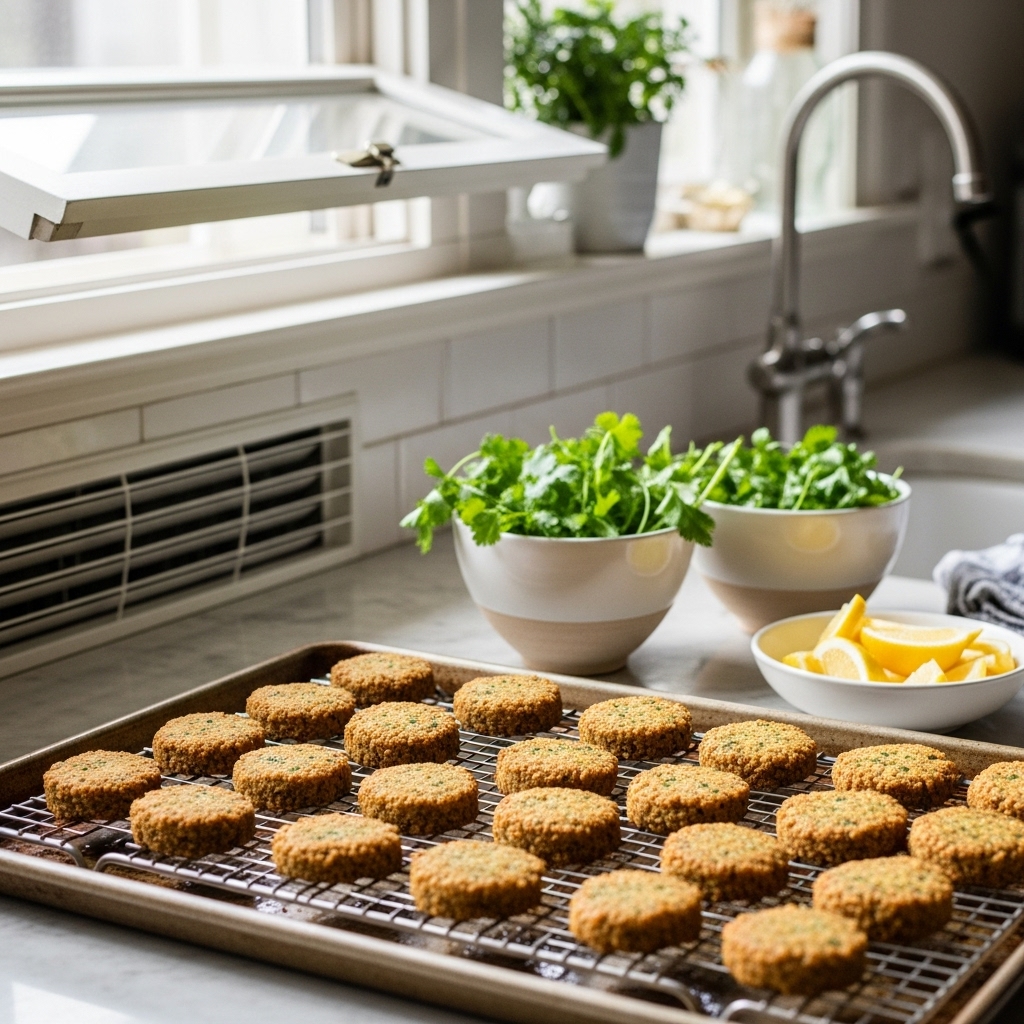
There’s a small moment of joy that comes with great falafel at home—the gentle crackle at the first bite, the steam that escapes from a tender, herb-flecked center, the way tahini seems to tie everything together with nutty warmth. If you have ever brought falafel back to your kitchen after a pickup run along Washington Street or made a batch for a family dinner, you know how quickly that magic can fade if steam and time have their way. The good news is that a few smart habits preserve the qualities you love so your plate feels as lively as it would at a favorite spot. If you are building a shopping list or planning a spread, a quick look at a neighborhood Mediterranean menu can also inspire how to serve falafel alongside greens, grains, and sauces that keep textures bright.
Keeping falafel crisp comes down to managing moisture. Steam is the enemy of crunch, and sealed containers are steam’s best friend. Whether you are picking up dinner or storing leftovers, think about airflow at every step. Vent the lid in the car, crack the container gently on the counter for a minute before plating, and store sauces separately so they do not seep into the crust. These little decisions create space for the exterior to stay dry while the interior remains moist and tender.
Smart Takeout Habits
Start with the drive home. If your bag is tightly sealed, heat and steam accumulate. Loosen the top or partially open the container if it is safe, protecting the food from spills while letting some steam escape. When you arrive, spread falafel on a plate for a minute to breathe. That brief rest prevents condensation from softening the crust and buys you time to prepare the rest of the plate: greens, chopped tomatoes, lemon wedges, and whatever grains you plan to serve.
If you are transporting dinner to a friend’s house or a picnic near the Riverwalk, consider packing components separately. Keep falafel warm in a breathable container lined with a paper towel, store vegetables in their own container, and bring sauces in small cups with tight lids. Assemble at the destination so everything lands at its best.
Reheating Without Losing Texture
When falafel has cooled, a quick reheat can restore its best qualities. The oven and air fryer are your primary tools. Preheat to a high temperature—around the level you would use for roasting vegetables—so the exterior crisps before the interior dries out. Arrange falafel in a single layer with space between pieces. In an oven, a wire rack set over a sheet pan encourages airflow; in an air fryer, avoid overcrowding the basket and shake once halfway through.
Microwaves are convenient but risky for texture. If you must use one, keep it brief and follow with a short stint in a hot skillet or toaster oven to revive the crust. The goal is to add crispness at the end, not just heat the interior. Think of it as a two-step process that favors texture over speed.
Storing Leftovers the Right Way
When life gets busy, leftovers save the day. Store falafel in a container that allows a little airflow—rigid enough to protect the shape, not so airtight that condensation collects. If you plan to eat within a day or two, refrigerate and reheat using the methods above. For longer storage, freeze falafel in a single layer on a tray before transferring to a bag or container. This prevents sticking and helps pieces reheat evenly.
Labeling helps more than you might think. Note the date and whether the falafel is cooked or uncooked. Uncooked, shaped falafel can be frozen and cooked directly from frozen in an oven or air fryer; just give it a few extra minutes and check one piece for doneness. Cooked falafel reheats quickly and works well for school lunches or late-night snacks after an evening walk through the neighborhood.
Moisture Management for Home-Cooked Batches
If you are making falafel from scratch, pay close attention to moisture in the mixture. Soaked chickpeas should be well-drained, and herbs should be blotted dry. Too much water leads to sputtering in hot oil and a loose texture that collapses. The mixture should clump easily when pressed but not feel wet. A brief rest in the fridge helps the flavors meld and the mixture firm up, making it easier to shape evenly sized pieces that cook at the same rate.
When frying, oil temperature is everything. Too cool and the falafel absorbs oil; too hot and the crust overbrowns before the interior cooks. Aim for a gentle sizzle and adjust heat as you go. After cooking, drain on a rack or paper towel and give the falafel a minute to breathe before serving. That rest stabilizes the crust so it stays crisp when it meets sauces and vegetables.
Building Plates That Protect Crunch
How you assemble a meal determines how long your falafel stays lively. Use greens as a buffer, placing them between warm grains and falafel in bowls. Add juicy vegetables—tomatoes, cucumber—just before serving, and drizzle sauces sparingly at first. Let each diner add more at the table. In wraps, put lettuce or cabbage down first to create a barrier, then tuck in falafel and finish with a restrained drizzle of sauce to prevent sogginess.
Acidity is your ally. Lemon wedges served on the side let people brighten their plates without adding extra moisture upfront. Pickles add crunch and tang with minimal liquid if you drain them lightly before plating. These small choices sustain texture from the first bite to the last.
Seasonal Considerations in Naperville
Naperville’s seasons subtly change how you handle falafel. In summer, humidity can soften crusts more quickly, so lean on ventilation: vent containers, use racks for cooling, and serve promptly. Cold weather is kinder to crispness but can cool food faster, so warm plates in a low oven and keep components close at hand for quick assembly. On blustery fall evenings, roasted vegetables make an ideal partner; in spring, herbs and lemon shine, keeping plates bright after a winter of cozy meals.
For picnics at the Riverwalk or concerts in the park, think portability. Pack a small rack or perforated tray inside a container to elevate falafel off the bottom, where steam collects. Bring sauces in squeeze bottles for controlled drizzling, and assemble bowls on-site so greens stay perky.
Quick Fixes for Common Problems
If your falafel turns out soft after takeout, do not panic. Spread the pieces on a rack and slide into a hot oven for a few minutes; the exterior will perk up without drying the center. If a wrap goes soggy, open it and toast lightly, then rebuild with a fresh leaf barrier. When leftovers feel a little tired, chop them over a salad with crunchy vegetables and a lemony drizzle; the textural contrast makes everything taste new again.
For home cooks, if the mixture feels too wet, pulse in a bit more chickpea or refrigerate longer. If it crumbles, the mixture may be too dry; a teaspoon of water or a touch of tahini can help it bind. Consistent sizing ensures even cooking, so use a scoop or lightly oiled hands to shape uniform pieces.
Entertaining with Ease
When hosting, set up a simple assembly station. Keep warm falafel on a rack-lined sheet pan in a low oven, arrange greens and vegetables in bowls, and offer sauces in small cups. Guests can build wraps or bowls to taste, reducing the pressure on you and protecting textures in the process. A platter arranged with care—bright pickles, leafy herbs, lemon wedges—turns a casual evening into something that feels special without demanding a chef’s touch.
If you need inspiration for pairings or want to see how professionals balance components, spend a minute with a local Mediterranean menu. Notice how grains, greens, and sauces are portioned and how garnishes add brightness. Borrow the ideas that fit your kitchen and your crowd, and you will find your falafel nights becoming reliably great.
Frequently Asked Questions
How do I keep takeout falafel crisp during the drive home?
Vent the container slightly to let steam escape, and avoid stacking hot items. Once home, spread falafel on a plate for a minute before serving. If needed, revive briefly in a hot oven or air fryer to restore the crust.
What is the best way to reheat leftover falafel?
Use a hot oven or air fryer with space between pieces for airflow. A wire rack over a sheet pan works well. Avoid microwaving alone; if you microwave for speed, finish with a quick toast to bring back crispness.
Can I freeze falafel?
Yes. Freeze cooked or shaped, uncooked falafel in a single layer before transferring to a container. Cook from frozen in an oven or air fryer, adding a few minutes and checking one piece for doneness. Frozen falafel is a weeknight lifesaver.
How do I prevent wraps from getting soggy?
Build with structure. Lay down lettuce or cabbage as a barrier, place falafel next, and add a modest drizzle of sauce. Wrap tightly but not aggressively, and eat soon after assembly to preserve texture.
Why does my home-cooked falafel fall apart?
The mixture may be too dry or underbound. Ensure soaked chickpeas are well-drained, pulse to a coarse texture, and rest the mixture in the fridge. Add a small amount of tahini or water if needed, and shape evenly sized pieces for consistent cooking.
Ready to bring back the restaurant-quality crackle to your kitchen table? Choose your greens and grains, set out lemon and herbs, and let a balanced plate lead the way—or browse a local Mediterranean menu to spark ideas and start your next falafel night on the right foot.