Opening the Door to Naperville’s Halal Menu
Exploring a halal restaurant menu in Naperville is like stepping into a conversation among cooks, spices, and hungry neighbors. Even before the first bite, that conversation begins with the choices you make at the counter or table. A quick look at the menu can be an invitation to map out a meal that balances textures and temperatures: warm, smoky meats against cool, crisp salads; creamy dips paired with lemony brightness; soft breads ready to wrap it all together. Whether you are feeding a family, catching up with friends before a Riverwalk stroll, or seeking a solo lunch that restores your afternoon, Naperville’s halal menus are designed to meet you where you are.
What I love most about our local scene is the clarity. Good menus are not laundry lists; they are confident statements. You will see shawarma as a centerpiece, sometimes in chicken and beef variations, and often a kebab option that complements it with a slightly different texture and spice profile. Falafel and hummus anchor the vegetarian lane, while salads—tabbouleh, fattoush, or mixed greens with herbs—bring freshness and tang. Sides like rice, pickles, and fries round out the table so each guest can build their ideal bite, from cautious to adventurous in a few easy steps.
Building the Perfect Plate
Start with a foundation. If you like a warm, hearty base, choose rice that is fluffy and fragrant, or opt for bread as the canvas for handhelds. Next, pick your protein or main feature. Shawarma brings layered marinade and a mix of crisp edges and tender slices; kebabs offer a bolder, grilled presence; falafel contributes crunch and herbaceous depth. After that, add contrasts: a bright salad to lighten the meat, a creamy dip for richness, and pickles for sharp punctuation. The magic of a strong halal menu is that it encourages you to compose, not just consume.
Sauces are your brushstrokes. Garlic sauce lifts the savory notes and adds a luxurious texture, while tahini knits vegetables and proteins together with nutty warmth. A touch of heat, if you like it, should be present but optional, letting everyone at the table tune the same dish to their own liking. When a menu reads well, ordering becomes less about “this or that” and more about “how should we combine these pieces to tell the story we want at this meal?”
For the Vegetarian and the Curious
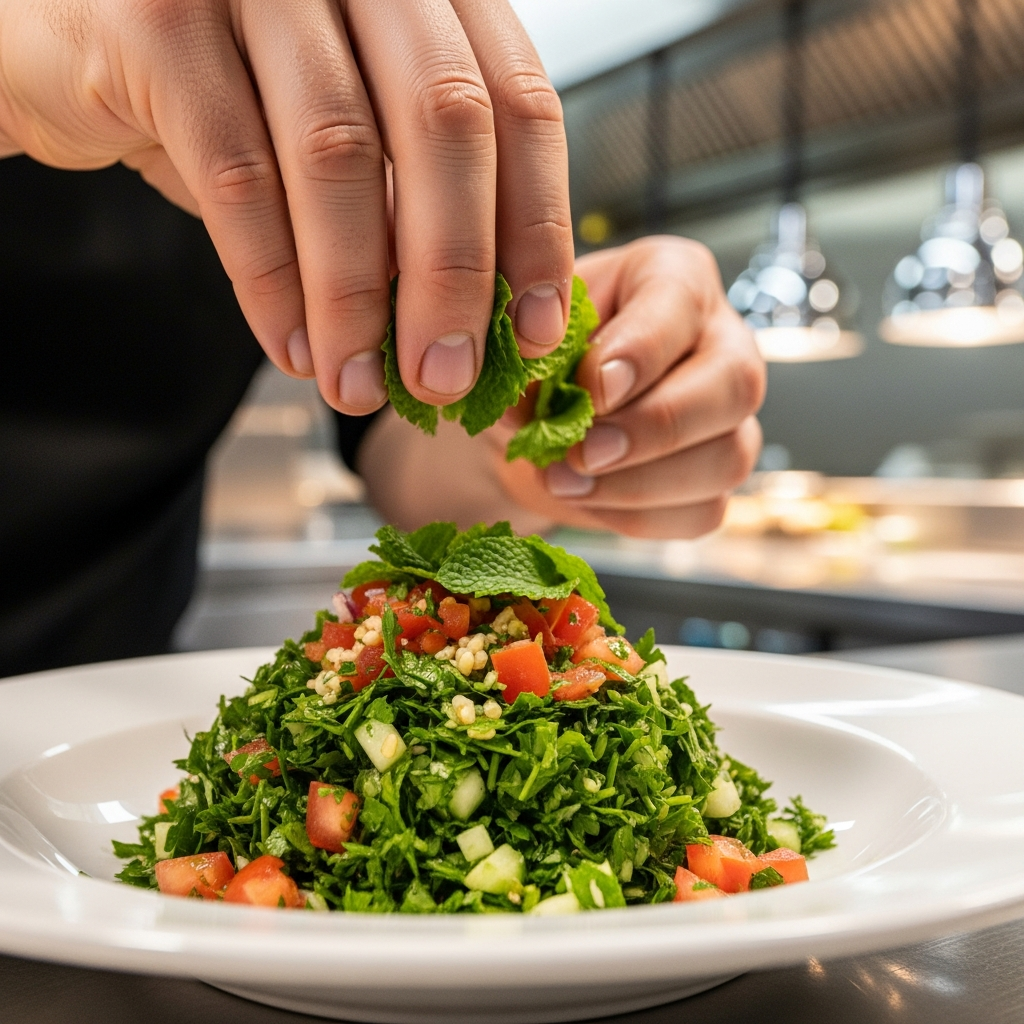
Naperville’s halal restaurants have embraced vegetarian dishes as stars, not concessions. Falafel is at its best when the outside sings with a subtle crunch and the inside is tender and green from herbs. Pair it with tahini or a lemon-forward sauce and nestle it next to tomatoes, cucumbers, and parsley for a plate that feels as complete as any meat-centered option. Eggplant spreads carry a whisper of smoke, turning bread into a delivery system for comfort, while tabbouleh offers a zesty counterpoint with parsley, mint, tomatoes, and bulgur coming together and brightening every bite.
If you usually stick to one lane, consider a mixed plate. A bit of shawarma beside falafel, a scoop of hummus flanked by a salad, and warm bread to tie it all together—that combination often becomes the crowd favorite at a table of mixed tastes. Good menus make that path obvious, either through combo plates or a friendly nudge from the staff, who can help identify harmonious pairings that keep the plate lively from first bite to last.
The Rhythm of a Naperville Meal
Dining patterns in Naperville change with the clock. Lunch tends to favor handhelds and bowls that move quickly and eat cleanly; dinner leans toward larger plates and shared sides. A menu that works across both dayparts usually has clear anchors—signature items you can trust—plus seasonal or rotating choices that keep regulars excited. Pay attention to how kitchens describe their specials; the language often tells you which flavors they are especially proud of at the moment. When cooks are excited, it is a good sign you are about to eat something memorable.
Takeout is part of the equation for many households and study sessions. Menus that travel well are built intentionally. Shawarma holds up beautifully if sliced and packed with care, salads keep their snap if dressed at the last moment, and warm bread wrapped thoughtfully stays inviting without getting steamy. If you know you will be on the move—perhaps meeting friends by the Riverwalk—order with travel in mind, keeping sauces on the side and choosing sides that maintain texture.
Discovering Texture and Temperature
Many diners talk about flavor first, but texture and temperature are the twin pillars of a satisfying plate. A great menu lays out options that let you play with those pillars. A crisp element like falafel or pickles, a creamy element like hummus or garlic sauce, a fresh element like a lemony salad, and a warm, savory element from the grill create the kind of four-corner balance that makes each bite feel complete. If you find yourself chasing a single note—too creamy, too hot, too crisp—adjust with the other components, and the plate will come back into tune.
Temperature is just as deliberate. Cooks in Naperville’s better halal kitchens are masters at sending out hot food hot and chilled food refreshing, even during a rush. When ordering takeout, replicate that logic: keep hot and cold items apart during the ride and assemble at home for the same vivid contrasts you get at the table.
Reading Between the Lines of the Menu
The words on a menu can be clues. When a description mentions marinade resting times, spice blends, or grill techniques, it signals a kitchen that values process. Short, clear descriptions are also reassuring: they show the kitchen is confident in the ingredients and does not need to bury them in adjectives. Over time, you will learn to recognize a restaurant’s voice on the page—its sense of humor, its priorities, and its respect for the diner’s intelligence. That voice makes ordering feel like an ongoing relationship rather than a transaction.
Midway through a busy week, I often revisit the menu just to think through combinations I have not tried yet. Maybe a salad-forward plate one day and a rice-based plate the next; perhaps falafel added to a shawarma order for crunch and variety. The beauty of a well-constructed menu is that it rewards curiosity without punishing caution.
Pairings and Little Rituals
Every regular develops rituals. Some start by tearing a piece of bread and building a tiny preview bite with hummus and a dot of garlic; others line up their plate with pickles first, as if drawing the borders for what comes next. Rice lovers know how to swipe for the crisp bits that collect at the edges of a well-handled tray. Menus that support these habits feel like home base: dependable, intelligible, and generous enough to accept new ideas without losing their center.
For drinks and dessert, keep the same logic of balance. If your main is rich, a bright, cool sip resets the palate. If you ate lightly, something a touch sweeter or warmer at the end feels like a reward. Halal menus in Naperville often lean into these contrasts, giving you a final course that feels earned without being heavy.
Hospitality Is Part of the Menu
Words on a page are only half the story. The room’s energy, the way staff answer questions, and the care with which plates are set down all influence how we experience the same items. Good menus are taught, not just printed. Naperville’s better teams brief their staff on what is special that day and how to guide first-timers through choices without overwhelming them. They know when to suggest sauces on the side, which sides brighten a heavy plate, and how to translate a guest’s “I want something light but filling” into a winning order.
Hospitality also shows in how a restaurant handles pace. For those rushing back to work or out to the Riverwalk, the counter team keeps the line moving. For those settling in, the dining room breathes. That flexibility—anchored by a menu designed to serve both modes—keeps regulars returning. In a city that values both speed and connection, that dual strength is a real advantage.
FAQ: Navigating a Halal Menu in Naperville
How should I order if I am new to halal cuisine?
Begin with a balanced plate: a protein or falafel for warmth and substance, a creamy dip, a bright salad, and bread or rice. Keep sauces on the side so you can learn your own preferences one bite at a time. Staff can help you match components for a satisfying first experience.
What travels best for takeout or a Riverwalk picnic?
Shawarma packed with care, salads that are dressed at the last moment, and bread wrapped to retain warmth without steaming are all strong travelers. Ask for sauces on the side and keep hot and cold items separate until you are ready to assemble.
How do I make a vegetarian order feel complete?
Lean into falafel for texture and protein, add a generous scoop of hummus for richness, choose a herb-forward salad for brightness, and include pickles for contrast. With warm bread or rice, that combination satisfies fully without feeling like a compromise.
Can I keep spice levels low without losing flavor?
Absolutely. Most Naperville halal kitchens build flavor with herbs, garlic, citrus, and warm spices. Heat is typically optional via sauces, so you can enjoy vibrant plates without turning up the chili. If you like, add heat in small steps to find your comfort zone.
What are signs of a well-constructed menu?
Clarity, balance, and confidence. You should see strong anchors—signature items—plus complementary sides and sauces that let you build a complete plate. Descriptions will be concise and specific, and staff will be able to explain preparations without hesitation.
Bring Your Appetite and Your Curiosity
The next time you are choosing where and what to eat, spend a few minutes with the menu and sketch the plate you want to experience. Naperville’s halal restaurants reward that small act of intention with meals that feel tailored, generous, and deeply satisfying.