Ask ten cooks in Naperville to describe Greek pita, and you’ll hear a dozen affectionate answers. Some will picture the soft, pocket-less variety ideal for gyros and souvlaki, while others imagine a thinner round that can split just enough to cradle a salad or grilled meat. This is the fun of Greek-style pita in a Midwestern town that craves gatherings and good bread—it’s flexible, deeply comforting, and a wonderful canvas for local ingredients. In my kitchen near the Riverwalk, I’ve come to love a Greek pita that’s plush and bendy, kissed with olive oil and a hint of tang, perfect for wrapping around crisp vegetables and garlicky sauces. On busy weeknights, I lean into simplicity; on weekends, I play with herbs and a hot skillet until the bread sighs at the edges. And when I’m plotting pairings, I sometimes skim a Mediterranean menu for ideas that spark new flavor paths.
Greek pita differs from pocket-driven Middle Eastern pita in ways both subtle and noticeable. Its crumb is softer, its surface sometimes brushed with oil before or after cooking, and its personality leans toward wrapping and dipping rather than stuffing. That makes it a go-to for backyard grilling spreads, where platters pile up with tomatoes, cucumbers, olives, and lemon-bright dressings. In Naperville’s changing seasons, Greek pita also feels right at home: it’s delicate enough for a spring picnic at Knoch Knolls Park and sturdy enough for a winter supper when the snow is piling up on Washington Street.
Choosing Ingredients with a Local Eye
While Greek pita is famously simple, ingredient quality shows. Unbleached all-purpose flour forms a soft base, but a touch of bread flour adds strength without spoiling tenderness. Greek yogurt lends subtle tang and extra moisture. If your pantry holds extra-virgin olive oil, bring it forward—it perfumes the dough and gives the surface a gentle sheen when brushed on after cooking. For yeast, you can use instant or active dry; either thrives in a warm Naperville kitchen when the heat kicks on and windows are closed tight. Salt matters as both flavor and structure, and a whisper of sugar or honey can encourage a quick, lively rise.
Mixing Dough: A Calm Afternoon Ritual
Begin with warm water, whisk in yeast and a touch of sweetener, then fold in flour, yogurt, and salt. When the dough comes together, knead gently until smooth. Greek pita dough aims for softness more than taut elasticity; you should feel it settle in your hands like a relaxed body after a long day. If you’re making dinner after work, let it rise while you marinate vegetables or prep sauces. When the dough has puffed by half and feels lively under your fingertips, it’s ready for shaping.
Shaping the Signature Greek Round
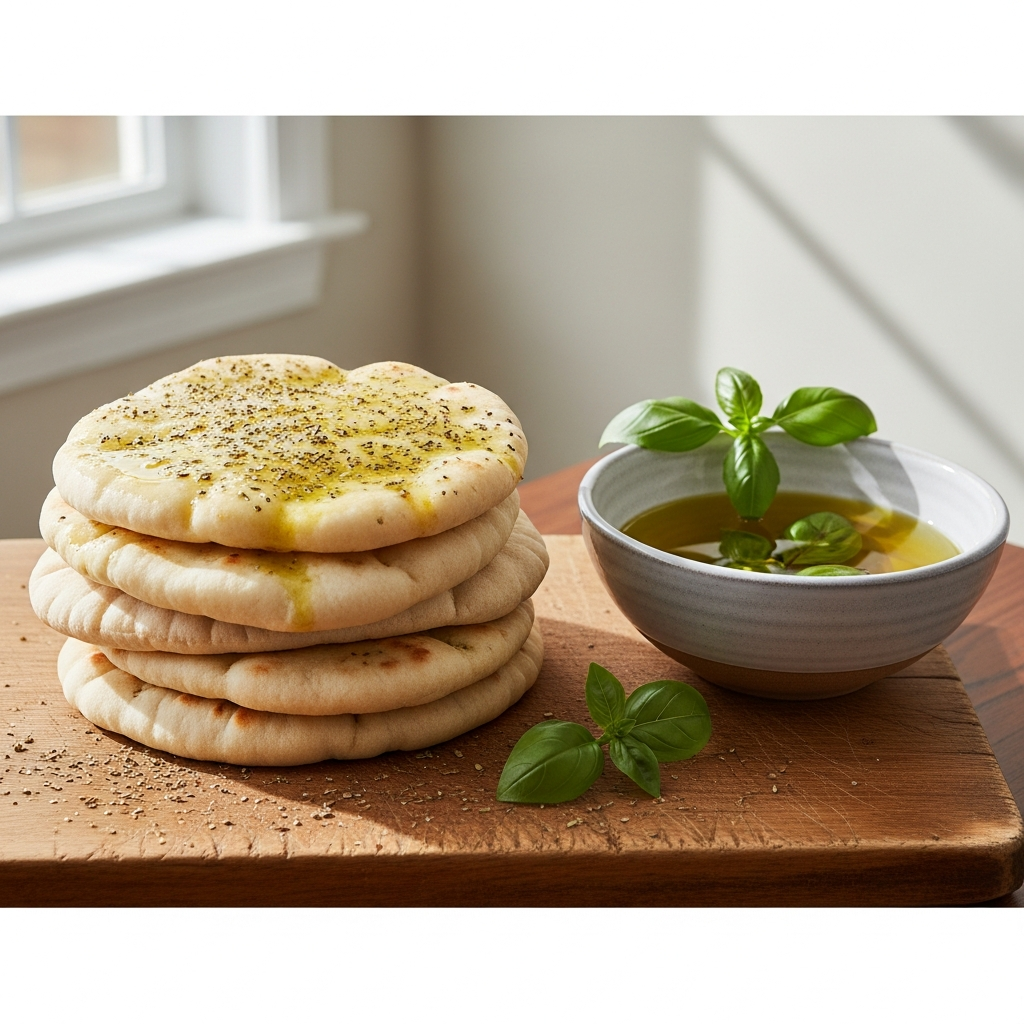
Divide the dough and roll each piece into a round slightly thicker than a typical pocket pita. Think cushiony, not thin. Let the rounds rest briefly to keep the gluten calm, then roll again to finish. Before cooking, you can dimple the surface lightly with your fingertips; this encourages an even bake and the gentle blistering that makes Greek pita so appetizing. Traditionalists sometimes brush a bit of olive oil on the pan or on the dough itself. I prefer to oil the cooked bread once it comes off the heat to avoid scorching. Either way, the end result should be pliable, fragrant, and ready to wrap.
Heat Strategy: Skillet, Stone, or Grill
Greek pita thrives on medium-high, steady heat. In a heavy skillet, cook one side until bubbles bloom across the surface, then flip and finish until tan with brown freckles. On a pizza stone or steel in a hot oven, the pita will rise modestly and take color in a minute or two. On a backyard grill, especially in late summer when evenings stretch long and neighbors chat across fences, the pita drinks in a hint of smoke while staying tender. The trick across methods is balance: hot enough to create steam and color, not so hot that the center dries before the edges set.
Local Flair: Herbs, Citrus, and Garden Touches
Naperville kitchens are stocked with herbs from patio planters and backyard beds. Fold in finely chopped oregano or thyme for a whisper of the Mediterranean. Finish warm pitas with a squeeze of lemon and a brush of olive oil infused with garlic. You can also scatter a pinch of sumac for citrusy brightness or dust with sesame seeds before cooking. The goal is to let the bread sing in harmony with simple toppings—grilled peppers, marinated cucumbers, or a quick tzatziki stirred together while the dough rises.
Serving Ideas that Match the Neighborhood Mood
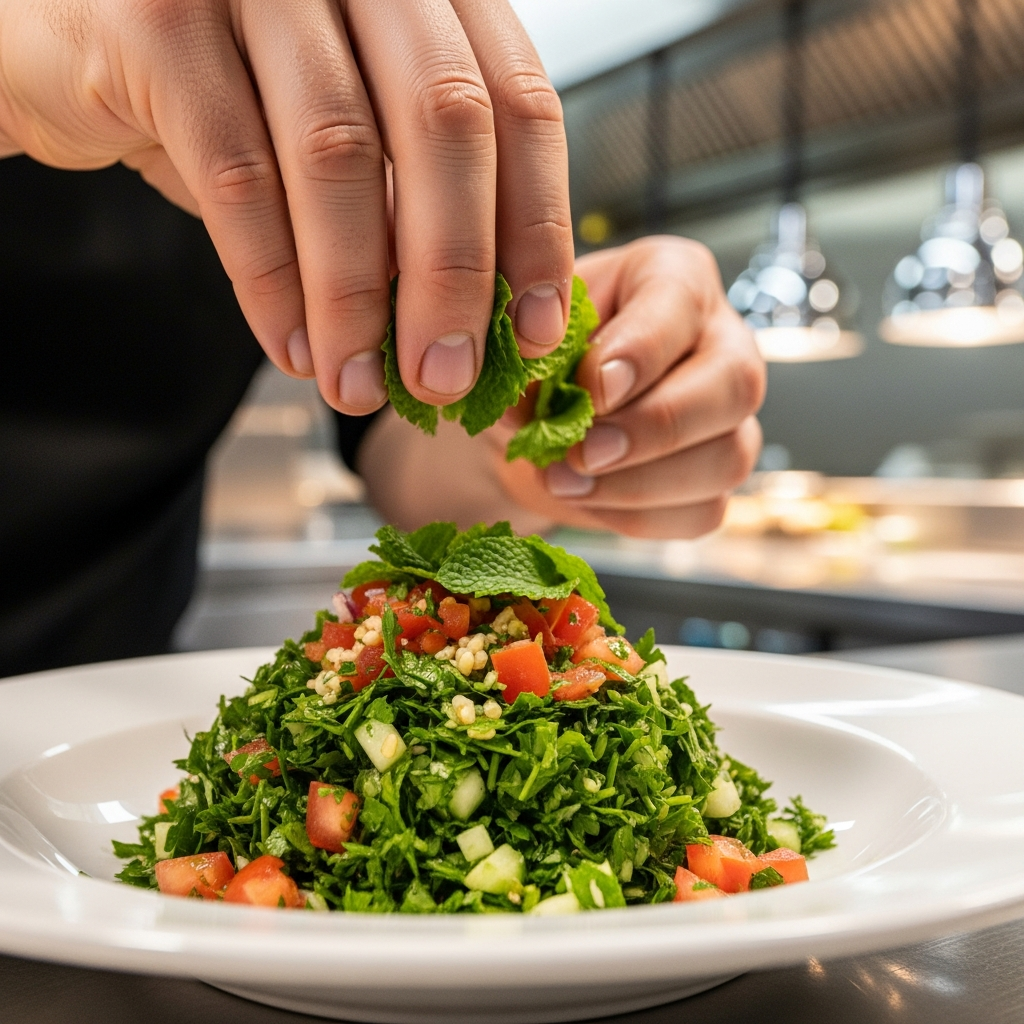
For a Saturday picnic at the Riverwalk, layer Greek pita with ribbons of roasted zucchini, cherry tomatoes, kalamata olives, and a swipe of hummus. For a cozy winter night near the fireplace, tuck in warm slices of roasted chicken, shaved onions, and a creamy sauce. When friends stop by unannounced, set out a platter of pitas alongside bowls of chopped salad, feta, and herbs so everyone can build their own wraps. You’ll find that the bread keeps the meal grounded, allowing the freshest produce and best sauces to shine.
Managing Hydration Through the Seasons
Our Midwestern humidity ebbs and flows dramatically. In July, I reduce the water slightly so the dough doesn’t slacken too quickly. In January, when the air turns dry, I add a bit more water—or a spoonful extra yogurt—to maintain softness and prevent tearing while rolling. Aim for a dough that rolls without snapping back and cooks without cracking at the edges. If a round resists rolling, let it rest under a towel for a few minutes; patience is usually the fix.
Troubleshooting for a Soft, Foldable Finish
If your finished pita feels stiff, reduce cooking time or lower the heat a notch. Overcooking drives off moisture and turns a supple bread into a cracker. If it’s too pale, add heat or extend the time slightly, but cover the cooked pitas with a towel while you finish the batch to trap a little steam. When the surface looks glossy and the bread bends without breaking, you’ve nailed the texture that makes Greek pita irresistible.
Pairings and Inspirations from Around Town
Greek pita loves bold companions. Grilled lamb or chicken, lemony potatoes, and crisp salads all play beautifully. For vegetarian spreads, try smoky eggplant dip, roasted red pepper puree, or a herby white bean mash. When I’m in a creative lull, I sometimes glance at a Mediterranean menu to jog new ideas—bright pickles, tangy sauces, or spice blends that bring zing to the plate without demanding a trip across town for rare ingredients.
Make-Ahead and Reheating Tips
Greek pita is wonderfully forgiving for planners. The dough can rest overnight in the fridge for deeper flavor. Cooked pitas reheat well on a dry skillet; a few drops of water flicked onto the pan create gentle steam that re-plumps the crumb. If you need to transport them for a potluck on Hobson Road, wrap the warm stack in a towel and slide into a bag. They’ll stay soft for the short ride and be ready for a quick touch-up on a warm pan if needed.
Nutrition Notes for Everyday Eating
Because you control what goes in, homemade Greek pita can be part of a balanced routine. Keep salt measured, use quality olive oil, and build wraps around crunchy vegetables and lean proteins. The bread’s inherent portioning—individual rounds—helps manage servings without thinking too hard about it. It’s food that brings comfort and energy without heaviness.
Frequently Asked Questions About Greek Pita
What makes Greek pita different from pocket pita?
Greek pita is typically softer and often pocket-less, designed for wrapping rather than stuffing. It cooks to a tender fold instead of a strong balloon. You can still get a light internal separation, but its mission is flexibility and flavor absorption.
Can I use all-purpose flour only?
Yes. All-purpose flour produces an excellent Greek pita. If you want a touch more chew, add some bread flour. Keep hydration steady and avoid over-flouring the counter so the surface doesn’t scorch.
How do I keep the pita from drying out?
Cook on medium-high rather than screaming hot, pull the breads when they’re just set and lightly browned, and keep them wrapped in a towel while you finish the batch. A brief reheat with a bit of steam returns suppleness later.
Is yogurt essential to the recipe?
Not strictly, but it’s a lovely addition. Yogurt adds tenderness and a subtle tang. If you skip it, increase the water slightly to maintain a soft dough and brush with olive oil after cooking for that signature Greek sheen.
Can I grill Greek pita outdoors?
Absolutely. Preheat the grill thoroughly and use a stone, a grill-safe steel, or cast-iron griddle. Cook until bubbles appear, flip, and finish with light charring. The grill imparts a gentle smokiness perfect for summer evenings in Naperville.
What toppings work best for quick weeknights?
Think fast and fresh: sliced tomatoes, cucumbers, olives, crumbly feta, grilled chicken or chickpeas, and a tangy sauce. Greek pita turns these into handheld meals that travel well from kitchen to patio.
How do I store leftovers for lunch?
Cool fully, bag airtight, and reheat quickly on a hot skillet with a drop of water for steam. They’ll revive nicely without drying out, making desk lunches or park picnics easy.
Ready to bring Greek pita to your Naperville table?
Gather flour, water, yeast, salt, and a spoon of yogurt, then heat a skillet and let the kitchen fill with that olive-oil aroma we all crave. Roll together with family or friends and serve warm alongside crisp salads and zesty dips. For pairing inspiration that nudges you toward bold, satisfying spreads, browse a Mediterranean menu and let those ideas meet your local ingredients. Your next great wrap is a short rise away.