Healthy Halal Dining Guide: Nutritious Choices in Naperville
How do you maintain a clean, health-focused diet when eating out with friends or family? This is a question wellness-conscious residents across our community ask every day, and the answer is surprisingly simple. Traditional halal preparation naturally aligns with wholesome, clean eating principles, making it one of the most accessible pathways to a balanced diet. Here in Naperville, Illinois, finding meals that respect both your dietary goals and authentic culinary traditions is easier than ever when you know what to look for on the menu.
Many diners associate eating out with heavy, calorie-dense meals, but a thoughtful approach to Mediterranean and Middle Eastern cooking reveals an abundance of nutrient-rich alternatives. By focusing on whole grains, lean proteins, and antioxidant-rich vegetables, you can enjoy a flavorful dinner that fuels your body. Whether you are walking along the Naperville Riverwalk or heading home from a busy day near the Route 59 corridor, prioritizing nutrition does not mean sacrificing the vibrant spices and rich heritage of a comforting meal.
The Intersection of Halal Integrity and Modern Wellness
At its core, the concept of halal goes far beyond simple dietary restrictions. It represents a commitment to purity, cleanliness, and ethical sourcing from start to finish. For those seeking a lifestyle focused on physical well-being, this foundational philosophy offers an excellent starting point. The meticulous care involved in preparing these dishes ensures that the ingredients arriving on your plate are handled with the utmost respect for cleanliness and quality.
When exploring the wide variety of halal restaurants near me, you will quickly notice how this dedication to ingredient integrity supports a balanced lifestyle. Because traditional preparation emphasizes fresh, whole ingredients rather than highly processed shortcuts, the food naturally retains more of its raw nutritional value. This means fewer artificial additives and more real, wholesome fuel for your active suburban life.
The Naperville Dining Landscape and Health-Conscious Choices
Naperville is home to an active, health-oriented community that values outdoor recreation, local athletics, and balanced living. From the early morning joggers at Springbrook Prairie to families spending their weekends in historic Downtown Naperville, there is a strong local demand for clean, transparent dining options. This focus on personal wellness has shaped the local food scene, making our neighborhood a hub for fresh, wholesome Mediterranean and Middle Eastern cuisines.
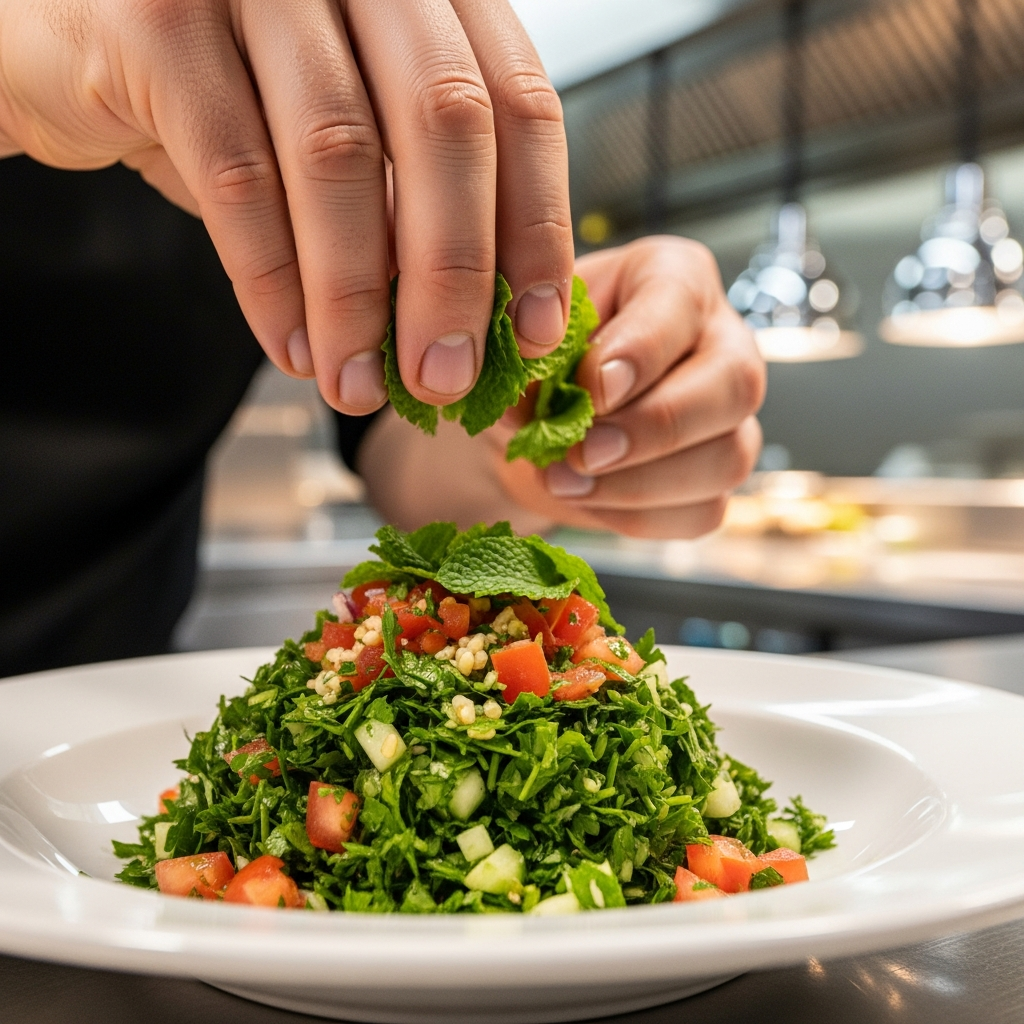
The local climate and seasonal shifts also play a major role in how we dine. During our brisk, chilly Illinois winters, diners naturally gravitate toward warm, comforting lentil soups and spiced, slow-cooked lean meats that provide clean energy without heavy, sluggish side effects. In the humid summer months, the focus shifts to crisp, hydration-rich salads like tabbouleh and cucumber-mint sides. Understanding what makes a dish both traditional and nutritious is key to navigating these local seasonal cravings, a topic explored further in our guide on what is halal food criteria in Naperville.
Deciphering the Menu: Identifying Lean Proteins and Veggie-Forward Dishes
The secret to mastering our healthy halal dining guide lies in recognizing how different dishes are prepared. Mediterranean and Middle Eastern menus are incredibly versatile, offering everything from slow-roasted rotisserie meats to protein-packed vegetarian staples. To keep your meal light and nutrient-dense, look for menu items that emphasize grilling, roasting, or baking rather than frying.
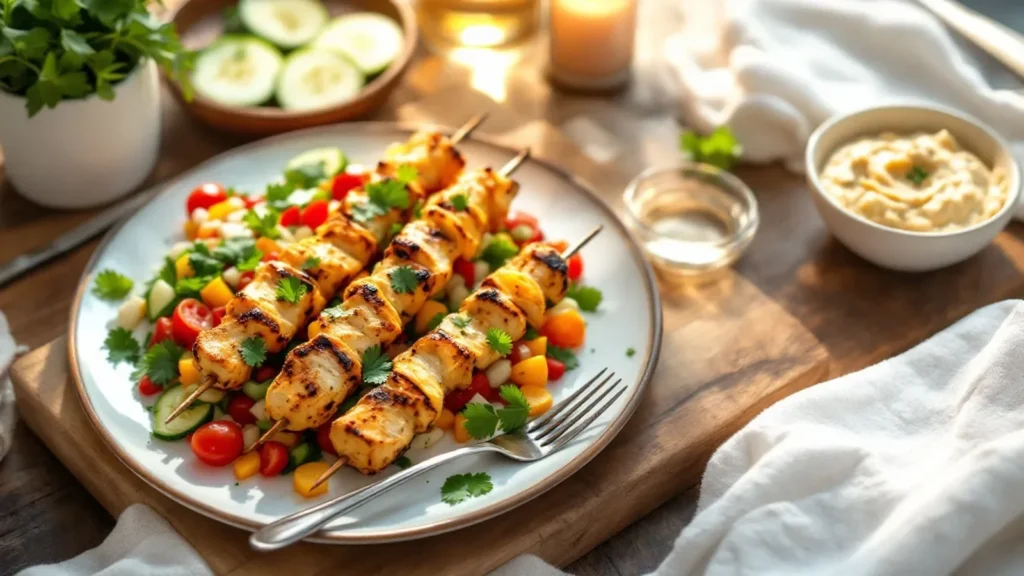
For your protein source, chicken shawarma, grilled chicken breast kabobs, and lean beef skewers are phenomenal options. These meats are typically marinated in heart-healthy olive oil, lemon juice, garlic, and wild herbs like sumac and oregano, which infuse immense flavor without relying on heavy cream-based sauces. If you prefer plant-based nutrition, red lentils, chickpeas, and fava beans offer excellent fiber and clean protein. Pairing these with a fresh cabbage salad or cucumber slices instead of heavily salted sides keeps your sodium intake in check while maximizing vitamins.
Smart Swaps: Building a Balanced Plate
Creating a highly nutritious plate is all about balance and customization. Most traditional meals are served in generous portions, which gives you the perfect opportunity to customize your plate for optimal nutrition. Start by looking at the base of your meal. Instead of a large portion of white rice, ask if you can split the base with a bed of fresh mixed greens, or opt for fiber-rich brown rice or bulgur wheat if available.
Another area to watch is the bread and sauces. A fresh, warm pita is incredibly comforting, but managing your portion size can make a major difference in your overall carbohydrate intake. If you want to know more about the dietary makeup of these sides, you can read about pita bread nutrition facts to understand how to balance your meal. Additionally, swap out heavy, mayo-based garlic sauces for a sesame-based tahini or a light, probiotic-rich cucumber yogurt sauce (tzatziki). These simple adjustments significantly reduce saturated fats while introducing beneficial fats and digestive-friendly cultures to your meal.
What to Expect: Feeling Energized After Your Meal
When you transition to clean, Mediterranean-style eating, the physical results speak for themselves. Instead of feeling weighed down, bloated, or fatigued after dining out, a meal rich in lean proteins, healthy fats, and fiber leaves you feeling naturally satisfied and energized. The slow-digesting complex carbohydrates from chickpeas and fresh vegetables prevent the sudden blood sugar spikes often caused by highly processed fast food.
Over time, incorporating these fresh culinary traditions into your routine support long-term wellness goals, from cardiovascular health to improved digestion. The natural abundance of olive oil, rich in monounsaturated fatty acids, combined with antioxidant-packed spices like turmeric and cumin, supports a healthy inflammatory response in the body. Clean dining in Naperville does not mean compromising on taste; it simply means choosing dishes that honor your body with every single bite.
Frequently Asked Questions
Is Mediterranean food naturally halal?
Not all Mediterranean food is halal, as traditional recipes may sometimes include non-halal meats, gelatin, or cooking wines. To ensure a dish meets dietary standards, look for certified establishments that explicitly source certified halal meats and prepare all dishes in accordance with strict guidelines.
How can I reduce the sodium content when eating out?
To manage sodium, ask for dressings and sauces to be served on the side so you can control the amount you use. Additionally, opt for fresh raw vegetables or a side salad rather than pickled vegetables, which naturally carry a higher salt content from the brining process.
Are vegetarian halal options inherently healthy?
While plant-based options like falafel and hummus are packed with nutrients, their preparation affects their overall health profile. Falafel is deep-fried, so enjoying it in moderation alongside baked or grilled options like stuffed grape leaves or fresh lentil soup is a great way to maintain a balanced meal.
Embrace Wholesome Dining in Naperville
Eating well should never feel like a chore or a restriction. By choosing fresh, authentic Middle Eastern cuisine, you can enjoy rich, satisfying flavors while giving your body the clean nutrients it needs to thrive. The next time you plan a lunch with coworkers or a weekend dinner with family, use this guide to navigate the menu with confidence. If you are ready to experience a fresh, flavor-packed meal prepared with the highest standards of cleanliness and quality, explore our menu at Habibi Shawarma in Naperville and discover how delicious healthy eating can truly be.