How to Store Pita Bread to Keep It Soft and Fresh in Naperville
There is nothing quite like pulling a warm, pocketed flatbread apart to scoop up savory dips or wrap around freshly shaved meat. However, when left on the counter unprotected, that perfectly pillowy texture can turn stiff, dry, or unpleasantly gummy within a matter of hours. This rapid staling occurs because the starches in the flour immediately begin to recrystallize as soon as the bread cools down, drawing moisture out of the crumb and letting it evaporate into the air.
For home cooks and takeout lovers across Naperville, protecting the texture of your flatbreads is key to enjoying great meals at home. Whether you just brought back a fresh bounty from a local halal restaurant or you purchased a stack of thin, pockets-style flatbreads for weekly lunches, simple adjustments in how you handle and store them will preserve that signature softness. Knowing how to store pita bread properly ensures that every pocket remains pliable enough to hold your favorite ingredients without cracking or tearing.
Before You Start: What You Will Need
Before preparing your bread for short-term or long-term storage, gather these basic kitchen supplies to ensure an airtight seal and prevent freezer burn:
- Paper towels: Essential for absorbing excess surface moisture, which prevents mold and keeps the crust from getting soggy.
- Heavy-duty plastic storage bags: Zip-top bags specifically designed for freezer storage provide the best barrier against dry air.
- Aluminum foil or plastic wrap: Double-wrapping layers provide extra protection for long-term freezing.
- Parchment paper: Useful for separating individual rounds of bread so they do not stick together when frozen.
- A clean kitchen towel: Perfect for wrapping warm bread immediately after purchase or heating.
Step 1: Allow Warm Bread to Cool Completely
If you have just brought home fresh flatbreads from a local Mediterranean restaurant Naperville, they might still feel warm in their packaging. Condensation is the ultimate enemy of fresh bread. Storing warm pita in a closed plastic bag traps the steam, creating a damp environment where mold spores thrive. Lay the pieces out in a single layer on a clean wire rack or dry kitchen towel for ten to fifteen minutes until they reach room temperature before packaging them.
Step 2: Wrap Individual Loaves in Paper Towels
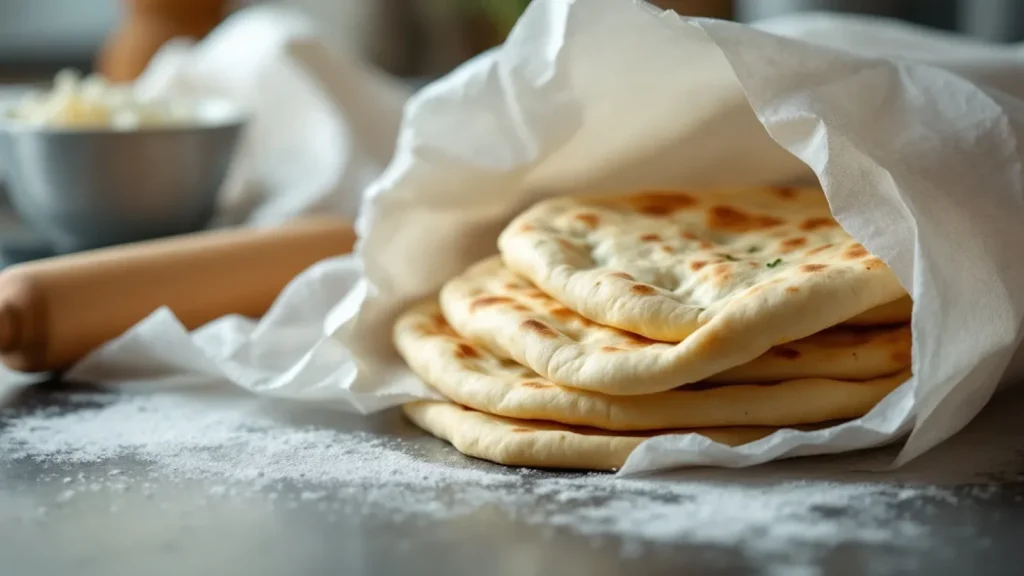
Even at room temperature, bread continues to release trace amounts of moisture as the starches settle. Wrap each round, or a small stack of two, lightly in a dry paper towel. This thin barrier absorbs any micro-condensation that forms inside your storage container, keeping the exterior skin of the bread soft without letting it get wet or mushy.
Step 3: Seal in Airtight Bags with Excess Air Removed
Place the wrapped pita flat inside a heavy-duty plastic storage bag. Gently press down on the bag from the bottom up to force out as much air as possible before sealing the zipper shut. Limiting the amount of air inside the bag slows down the staling process and prevents the flatbread from drying out. Store this bag in a cool, dark pantry or bread box away from direct heat sources like your stove or microwave.
Step 4: Avoid Refrigeration to Prevent Quick Staling
It is a common mistake to toss leftover bread into the refrigerator to make it last longer. In reality, the cold, dry environment of a standard home refrigerator accelerates retrogradation, the process where starch molecules crystallize and expel water. This makes the bread turn stale, dry, and crumbly up to six times faster than if it were kept at room temperature. Always choose either the pantry for immediate use or the freezer for long-term storage.
Step 5: Prep with Parchment Paper for the Freezer
For storage that lasts beyond two or three days, freezing is the absolute best option. To freeze your flatbreads, place a small square of parchment paper between each round. This simple step prevents the pitas from freezing together into a solid block, allowing you to easily slip out a single piece whenever you need it without thawing the entire batch.
Step 6: Double-Wrap and Freeze for Long-Term Storage
Once your stack is layered with parchment paper, slide it into a heavy-duty freezer bag. Squeeze out the air, seal it, and then wrap the entire plastic bag in a layer of aluminum foil. This double-wrapping technique keeps dry freezer air from circulating around the bread, preventing freezer burn and keeping the pocket fresh for up to three months. Lay the package flat on a freezer shelf so the rounds do not freeze in bent, unusable shapes.
Step 7: Defrost and Revive in the Oven or Skillet
When you are ready to eat, never microwave a frozen pita on high for a long time, as this makes the starches tough and rubbery. Instead, let the bread thaw at room temperature on your counter for fifteen minutes. To restore its original pillowy texture, preheat your oven to 350 degrees Fahrenheit, mist the flatbread lightly with water, wrap it in foil, and heat it for five to seven minutes. Alternatively, warm it in a dry skillet over medium-high heat for thirty seconds on each side to get a slightly toasted, soft finish.
Understanding the Naperville Kitchen Environment
In Northern Illinois, managing household humidity is a year-round challenge for home cooks. During our humid midwestern summers, high moisture levels in the air mean that room-temperature breads are highly susceptible to quick mold growth, often spoiling in just forty-eight hours. Conversely, our cold winter months bring dry, forced-air indoor heating that can dry out an opened bag of flatbreads in a single afternoon.
Because of these seasonal extremes, local households benefit from using the freezing method for any bread that will not be eaten within twenty-four hours. Additionally, because Naperville tap water can carry varying mineral contents depending on local municipal blending, using a spray bottle filled with filtered water to lightly mist your flatbreads before reheating them will ensure a cleaner, fresher taste and more uniform steaming during the reviving process.
When to Call a Professional in Naperville
While mastering kitchen storage helps you keep your pantry stocked, sometimes you simply want the unbeatable taste of fresh, professionally prepared meals without the kitchen cleanup. If you are planning a family gathering, hosting a neighborhood event, or simply want to treat your household to authentic Middle Eastern flavors, outsourcing the kitchen work to local culinary experts is the easiest way to go.
You can read our guide on how to choose halal catering in Naperville to learn how local professionals handle large-scale food preparation, ensuring that every piece of bread and tray of grilled meat arrives hot, fresh, and perfectly textured for your guests.
Frequently Asked Questions
Can you freeze store-bought pita bread in its original packaging?
No, the thin plastic wrap used for retail packaging is rarely thick enough to block out dry freezer air. Always transfer the bread to a heavy-duty freezer bag and double-wrap it in aluminum foil to prevent freezer burn.
How do you open a dry pita pocket without ripping it?
Apply a small amount of heat and moisture first. Mist the bread with a tiny splash of water, wrap it in a damp paper towel, and microwave it for ten to fifteen seconds to soften the starches before carefully cutting the edge open with a serrated knife.
How long does fresh-baked pita bread stay fresh at room temperature?
Fresh, preservative-free flatbread generally stays soft and delicious for about two to three days when kept in an airtight container in a cool, dry pantry away from sunlight.
Enjoying Fresh Flavors Daily
Keeping your kitchen stocked with soft, pliable flatbreads opens the door to countless quick and delicious meals at home. By mastering these simple cooling, wrapping, and freezing techniques, you can enjoy the comforting texture of bakery-quality bread whenever the craving strikes.
If you want to pair your perfectly stored bread with authentic, slow-roasted meats and scratch-made spreads, look no further than our local kitchen. Learn more about our fresh menu options by exploring our comprehensive guide on halal food near me, or read about the key differences in traditional preparations in our article on falafel vs shawarma. For those interested in local lifestyle and dining options, our breakdown of Naperville halal dietary options offers valuable insights. When you are ready for a fresh, hot meal prepared by local experts, order online or stop by Habibi Shawarma to experience authentic flavors made fresh daily.