
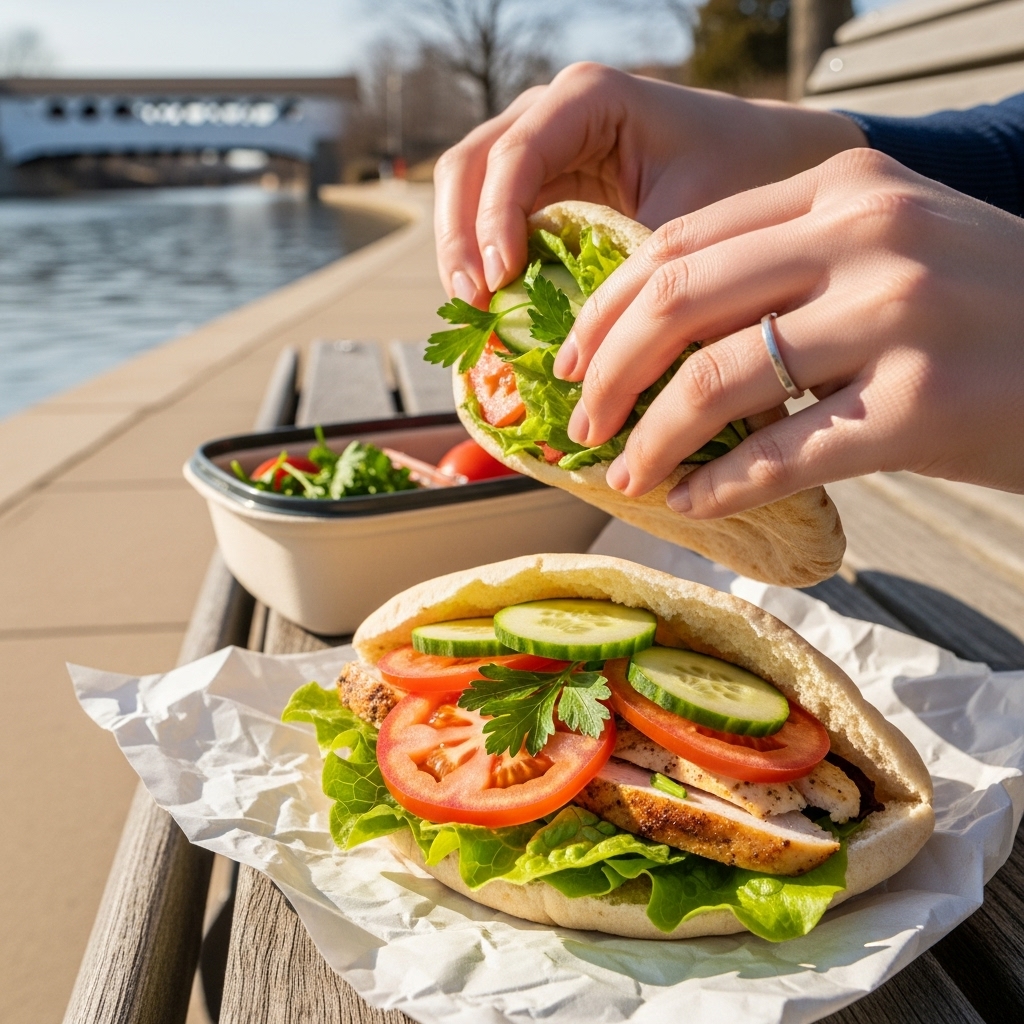
On any weekday in Naperville, Illinois, you can catch a familiar rhythm: early commuters rolling down Washington Street, students hustling along the Riverwalk before classes, and office teams staking out their favorite lunch spots across downtown. In the middle of that lively rush, one humble staple has quietly become a star of healthy midday meals—pita bread. Light yet satisfying, versatile yet simple, pita seamlessly fits Naperville’s mix of active families, busy professionals, and nutrition-minded students. Whether you’re packing a quick bite for the north side soccer fields or planning a desk lunch near the Metra station, pita’s unique combination of texture, pocket convenience, and balanced nutrition helps take lunchtime from routine to rewarding.
If you’ve ever wondered why pita can make such an impact on your midday energy and overall well-being, it helps to start with how it functions in the flow of your day. Because it’s compact, portionable, and easy to pair with clean, fresh ingredients, pita invites smart choices without sacrificing flavor. It’s the kind of bread that encourages you to fill it with crisp vegetables, lean proteins, and bright herbs—exactly the sort of combinations that keep you alert through afternoon meetings or after-school activities. And if you’re looking for inspiration on what to tuck inside, local Mediterranean flavors offer a helpful lens; even browsing a thoughtfully curated menu can spark ideas for combinations that are equally delicious and nourishing.
Why pita works so well for healthy lunches
Pita bread’s benefits begin with balance. The best healthy lunches are built on a foundation that pairs satisfying carbohydrates with protein, fiber, and healthy fats. Because pita is thin and typically portioned, it gives you just enough carbohydrate to fuel your body without sending you into an afternoon slump. When you choose a whole-wheat pita or pair a classic white pita with a hearty spread, you can engineer the right mix for your needs—more fiber for steady energy, or a lighter texture when you’re pairing it with substantial fillings. The pocket structure nudges you toward mindful assembly: a layer of hummus or yogurt-based sauce, a handful of crunchy lettuce or cabbage, a few slices of cucumber or tomato, and a protein like chicken, falafel, or grilled fish. Each piece finds its place, and the result is a balanced, handheld meal.
For Naperville residents who juggle schedules, this modular approach is a game-changer. Parents can set out a “pita bar” at breakfast, letting kids pick their vegetables and proteins for a packable lunch while they’re still fresh and focused. Teachers and office workers can batch-prep fillings on Sunday, knowing that pita will keep textures separated and crisp until it’s time to assemble. And because pita is flexible, you can adjust your fillings to the season—from roasted squash and warm spices when the fall chill rolls in along the DuPage River, to bright greens and lemony dressings when summer settles over Centennial Beach.
Nutrition you can taste and trust
Healthy eating is about more than what’s missing; it’s also about what’s present. Pita bread plays nicely with nutrient-dense ingredients. Consider how a pita lunch might come together: a base of chickpeas in hummus brings plant-based protein and fiber; a tangle of fresh herbs adds antioxidants and fragrance; a drizzle of olive oil contributes heart-healthy fats that boost satiety. When you add lean grilled chicken, turkey, or fish, you elevate the protein even further. If you prefer plant-forward lunches, falafel, marinated tofu, or roasted cauliflower provide the heft you crave without feeling heavy. The thin, pliable structure of pita means your fillings shine—every bite tastes like fresh produce and lively spices, with the bread enhancing rather than overshadowing those flavors.
Fiber deserves its own spotlight. Many Naperville residents are trying to increase their fiber intake for gut health, sustained energy, and overall wellness. Pita combines with fiber-rich fillings in a way that feels satisfying rather than forced. A handful of shredded red cabbage and carrots, a spoonful of white beans, or a scoop of tabbouleh tucked into a pita creates that gentle, steady fullness that helps you power through a long afternoon on campus or back-to-back client calls in an office suite near Ogden Avenue.
Practicality for busy Naperville schedules
Part of pita’s appeal is logistical. It’s easy to portion—half a pita for a lighter lunch, a whole pita for a more active day. It packs well in reusable containers, won’t crumble like some crusty loaves, and can be assembled in the morning or on the spot. When winter winds sweep across Naperville and you’re craving something warm, you can quickly toast a pita in a skillet or oven for a cozy lunch that travels well. In spring and summer, a cool pita stuffed with crunchy lettuce and citrusy dressings feels refreshing and light, perfect for a break along the Riverwalk or a lunchtime picnic at Knoch Knolls Park.
For families, pita can smooth out the midday chaos. Slicing pitas into halves or quarters makes it easier to tailor lunches by age and appetite—smaller portions for younger kids, more substantial pockets for high school athletes. And because pita is a blank canvas, it accommodates a variety of dietary preferences across one household: omnivores, vegetarians, and dairy-free eaters can all assemble versions that work for them, without the need to cook separate meals.
Healthy fillings that feel indulgent
The magic of pita is how it carries bold flavor without the heaviness that sometimes accompanies rich meals. Naperville residents love the interplay of spice, acid, and texture that Mediterranean food does so well. A classic combination might be lemony grilled chicken, a garlicky yogurt sauce, and a shower of parsley; or roasted eggplant, tahini, and pickled onions for a plant-forward option. These layers create a satisfying experience that surprises your palate with every bite, especially when you add crisp and juicy elements like cucumber, tomato, and romaine. The pita keeps everything together, preventing the mushiness you might get with other breads when sauces mingle with vegetables.
Because the pita pocket contains your fillings, it helps limit portion sizes of denser sauces or cheeses. Instead of smothering, you’re accenting—just a spoonful of a tangy sauce or a sprinkle of feta can go a long way. This moderation comes naturally; you don’t feel like you’re restricting yourself, yet you finish lunch feeling energized rather than weighed down. That’s a huge win for the post-lunch stretch between two and four in the afternoon when many of us need our focus most.
Local flavors, local rhythms
Living and working in Naperville means adjusting to a landscape that values both community and convenience. Pita fits right in. It’s quick enough for a between-meeting bite in a coworking space off Jefferson Avenue, and crowd-pleasing enough for a weekend family outing to one of the many neighborhood parks. When time is tight, drawing inspiration from established Mediterranean combinations helps keep lunch interesting all week. Peeking at a thoughtfully arranged restaurant menu can jog your imagination: smoky grilled meats next to bright salads, a rainbow of pickles, and fluffy pitas ready to cradle it all. You’re not copying—you’re learning what flavors play well together, then translating those ideas into your own kitchen.
In a town that prides itself on wellness and activity, the switch to smarter lunches can be transformative. Maybe you swap a heavy sandwich for a pita stuffed with lemony greens and herbs. Perhaps you trade chips for a side of crunchy cucumbers dusted with sumac or chili. Little tweaks add up, and pita makes those tweaks easy to implement because it’s inherently adaptable. Over time, you’ll likely find your palate shifting toward clean, vibrant flavors that keep you eager for lunchtime rather than dreading a repeat of yesterday’s routine.
How to keep pita-based lunches fresh and appealing
Good lunches rely on texture, and pita supports that when you build them thoughtfully. If you’re assembling your lunch early in the morning, start with a moisture barrier: a thin layer of hummus, tahini, or strained yogurt spread inside the pocket, then pack wetter ingredients like tomatoes or marinated cucumbers toward the center of the filling and keep crisp lettuce or cabbage closest to the bread. This simple order prevents soggy bites and keeps the pita tender. If you’re particularly sensitive to texture, you can pack your fillings separately and assemble at lunchtime. A quick toast in the breakroom toaster oven or a brief warm-up in a dry skillet can bring the pita back to life.
Temperature also matters. Warm pita with cool fillings often delivers the most satisfying contrast. On a cold day by the river, a warmed pita with roasted vegetables and a cool herb yogurt can feel restorative. On a hot afternoon, a room-temperature pita stuffed with chilled crunchy slaw feels crisp and refreshing. With minimal effort, pita becomes an adaptable canvas for comfort or brightness, whichever the day calls for.
Meal prep strategies for busy weeks
Meal prep doesn’t need to be complicated to be effective. In Naperville households, Sunday evening is a popular time to set up for the week. Grill or roast a batch of protein—chicken thighs, turkey breast, or a tray of spiced chickpeas—and chop a variety of vegetables: cucumbers, tomatoes, onions, peppers, and leafy greens. Store components separately so textures remain distinct. By keeping a small collection of sauces on hand—tahini, yogurt-lemon, or a simple olive oil and vinegar—you can change the flavor profile without changing the base. Pita then becomes the final flourish, the structure that brings it all together in seconds on a weekday morning.
In addition to convenience, this approach supports mindful eating. You create a flexible toolkit rather than a single set menu, which helps you respond to your body’s needs. On a training day for a 5K along the Riverwalk, you might build a protein-forward pita with extra greens. On a quieter day, you might opt for roasted vegetables and a handful of herbs. The key is that pita makes nutritious choices fast, comfortable, and enjoyable.
Seasonal eating in a pita
One of the pleasures of living in the Midwest is experiencing the seasons through food. Pita invites that seasonal rhythm into your lunch routine. In spring, add radishes, tender greens, and bright herbs; in summer, tuck in juicy tomatoes, grilled zucchini, and a squeeze of lemon. Autumn brings roasted squash, caramelized onions, and warm spices like cumin and coriander; winter invites heartier spreads, slow-cooked meats, and crisp cabbage to keep textures bright. This seasonal shift keeps your palate engaged and ensures you’re getting a variety of nutrients year-round, which is especially valuable during Illinois winters when fresh, vibrant flavors lift the mood.
Because pita is neutral and accommodating, it also welcomes little condiments that awaken a dish: a pinch of smoked paprika, a dusting of sumac, or a few quick-pickled onions. These accents make healthy eating feel celebratory rather than dutiful. It’s easier to stick with a better lunch routine when every bite tastes exciting.
A balanced lunch that supports your day
The ultimate benefit of pita-based lunches is how they help you feel. The right mix of carbohydrates, protein, and vegetables can stabilize your energy, keep you satisfied, and prevent the mid-afternoon crash that often follows heavy meals. When you fuel your day with thoughtfully assembled pita pockets, you’re more likely to stay focused through meetings, show up energized to the kids’ after-school activities, or feel ready for an evening walk near the Riverwalk’s covered bridges. The cumulative effect of great lunches is real—you may notice clearer thinking, more stable moods, and steadier workouts.
For many in Naperville, pita has become the backbone of a lunch habit that’s both healthy and sustainable. It doesn’t ask you to sacrifice flavor, and it doesn’t require elaborate prep. It simply offers a tidy, delicious way to carry the ingredients that make you feel your best. Over weeks and months, that consistency adds up to meaningful wellness.
Frequently Asked Questions
How do I keep a pita lunch from getting soggy?
Start with a light spread to create a moisture barrier, then layer wetter ingredients toward the center and keep crisp, dry elements near the bread. Consider packing fillings separately and assembling just before eating. A quick reheat of the pita in a dry skillet restores pliability without making it chewy.
Is whole-wheat pita always the healthiest choice?
Whole-wheat pita adds more fiber and nutrients, which many people find beneficial. That said, the healthiest choice is the one that fits your tastes and pairs well with your fillings. A classic white pita can still be part of a balanced lunch when combined with vegetables, lean proteins, and wholesome spreads.
Can pita fit into a high-protein lunch plan?
Absolutely. Use pita as the vehicle for protein-rich fillings like grilled chicken, turkey, fish, falafel, or chickpeas. Add a yogurt-based sauce or a sprinkle of seeds for an extra boost. Pita’s portion-friendly size makes it easy to build meals that meet your protein goals without excess calories.
What if I’m packing lunch for kids with different tastes?
Create a small selection of fillings and let each child choose their favorites. Mild spreads, sliced vegetables, and simple grilled proteins usually appeal to a wide range of tastes. The pocket format also keeps lunches tidy, which kids and teachers appreciate.
How can I add more vegetables without overwhelming the pita?
Focus on texture and cut size. Fine-shred cabbage or carrots, thinly slice cucumbers and peppers, and use chopped herbs to add freshness without bulk. Build layers rather than overstuffing; two well-balanced halves often outperform one overfilled pita.
If you’re ready to make your midday routine easier, tastier, and better for your wellbeing, start experimenting with pita-based lunches this week. Set up a few simple fillings, warm your pita just before you eat, and let vibrant flavors guide your choices. For inspiration that mirrors the fresh, bold tastes Naperville diners love, take a moment to browse a local Mediterranean menu, then bring those ideas to your kitchen and enjoy the difference at your next lunch break.