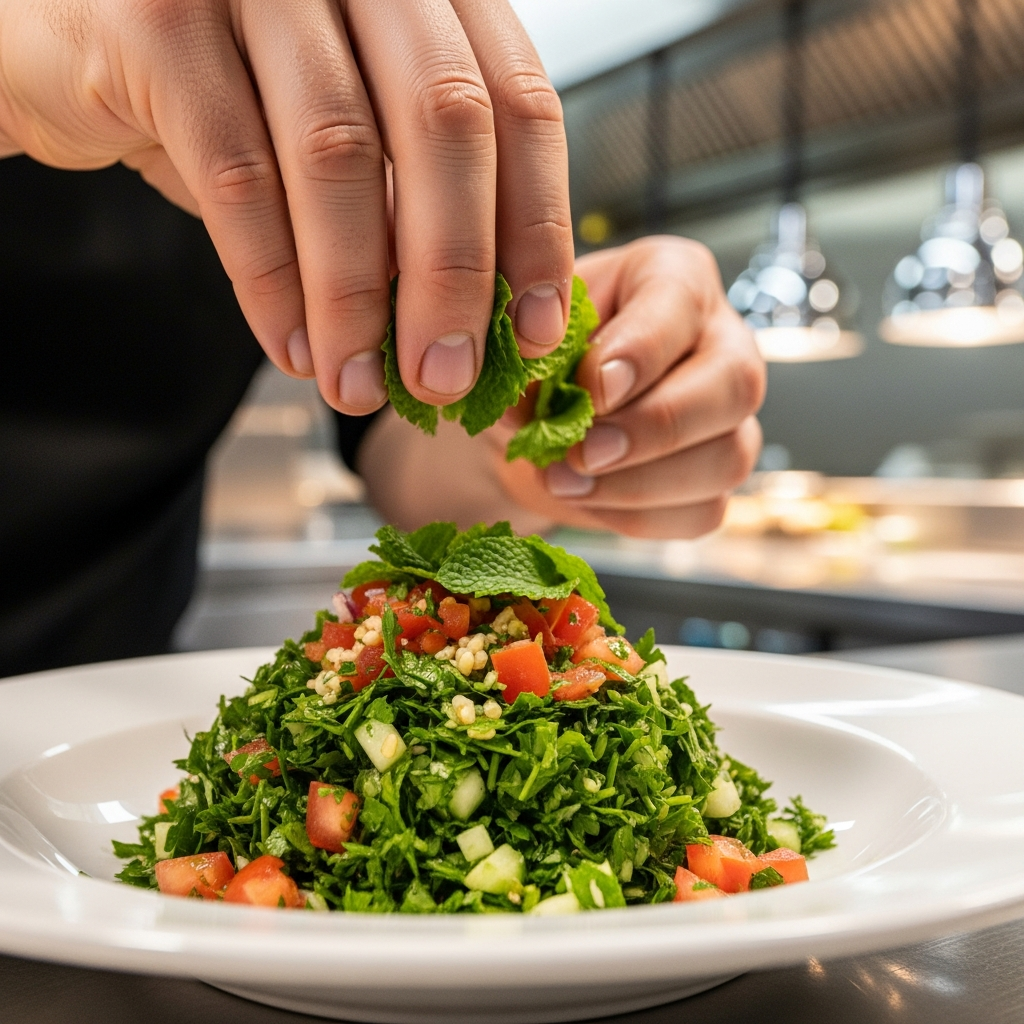
Lunch in Naperville has a rhythm all its own. Between school pickups, quick meetings off Washington Street, and afternoon practices near the 95th Street Library, we lean on meals that are portable, satisfying, and balanced. Pita bread fits that bill beautifully, but it also raises questions for anyone paying attention to nutrition. How does pita fit into a smart lunch? What choices make the most difference when you’re building a sandwich on the fly after errands along Route 59? Let’s walk through how locals keep pita lunches aligned with their goals—without giving up the pleasure of warm bread and bold flavors. To spark ideas, it helps to glance at a trusted kitchen’s thoughtfully built Mediterranean menu, then adapt those combinations to your day.
The first thing to know is that calories tell only part of the story. Texture, fiber, protein, and hydration all contribute to how full and energized you feel. A soft, fresh pita can make a moderate portion feel generous because the pocket holds its shape and carries fillings neatly. You can layer vegetables and lean proteins in a way that feels abundant without relying on heavy spreads. That is why so many Naperville parents send pita sandwiches in lunch bags: kids actually eat them, and adults don’t feel weighed down when the afternoon picks up speed.
Understanding the Bread Itself
Pita is typically a lean bread, meaning its calories largely come from flour rather than added fats or dairy. That makes it a friendly base for smart lunches because you control the richness through your fillings. Whole wheat pita adds fiber, which helps with steady energy and satiety. When you’re shopping near Ogden Avenue or at a specialty market off Route 59, compare ingredient labels and choose the option with a short list—flour, water, yeast, salt—plus whole grains if that aligns with your goals. The texture will still be soft enough for a pocket, especially if you reheat lightly before assembling.
Portion size matters, of course. Pitas vary in diameter and thickness, so a smaller round can be a simple way to tailor calories without feeling deprived. A classic trick in Naperville lunchboxes is to use half a pita and pack extra crunchy vegetables on the side. The eating experience remains satisfying because the bread’s structure makes each bite feel composed and intentional.
Building a Smarter Pita Sandwich
Start with a moisture barrier like hummus or strained yogurt; both add creaminess with a nutritional upside. Layer crisp vegetables—cucumbers, romaine, peppers, tomatoes—and fresh herbs. Add a lean protein such as grilled chicken, turkey, tuna packed in water, or a scoop of well-seasoned chickpeas or lentils. Finish with something bright—pickles, lemon juice, sumac—rather than excess oil. The goal is contrast and freshness, which makes a moderate amount of bread feel like a feast.
If you’re assembling lunch at home in North Naperville, set out your components in small bowls. Build once for the current meal and once for a later snack. The second sandwich can be a half portion tucked into the fridge, an easy grab before an evening event at North Central College. When ingredients are prepped, you’re less tempted by drive-through options that leave you sluggish.
Reheating Without Adding Unwanted Calories
To revive a day-old pita without extra fat, warm it in a dry skillet for thirty seconds per side or wrap it in a towel and microwave for ten seconds. The bread softens and becomes more flexible, reducing the urge to overfill to compensate for stiffness. If you decide to brush the pita with olive oil for flavor, measure lightly; a little goes a long way, and you can redirect richness into toppings like avocado slices or a spoonful of tahini where it counts more for satisfaction.
Some locals like to toast pita into chips for crunchy salads or snack boxes. That can be a smart move when you control baking time and seasoning. Cut into wedges, mist with water or a measured drizzle of oil, sprinkle with za’atar, and bake briefly until crisp. Pair with a vegetable-forward dip and you’ve built a snack that scratches the crunch itch without derailing your goals.
Smart Sides and Add-Ons
What you serve alongside the sandwich shapes the whole lunch picture. Fresh fruit, a light salad, or a cup of broth-based soup keeps calories in check while filling you up with volume and micronutrients. If you’re eating on the Riverwalk, pack a small bag of crunchy vegetables—carrots, snap peas, radishes—to nibble with your pita. This kind of snacking boosts satisfaction and slows eating, which helps you tune into fullness cues.
At the office near Washington Street, I keep a small stash of flavor boosters: lemon wedges, a jar of pickles, and a spice blend like sumac. These add zip without piling on calories. A squeeze of lemon over grilled chicken inside a warm pita can transform a desk lunch into something you actually look forward to between meetings.
Balancing Sauces and Spreads
Sauces make or break the calorie profile of a pita lunch. Garlicky yogurt, tahini-lemon, or salsa-style tomato-cucumber salads give you brightness and moisture without excess. Mayo-heavy spreads or oil-forward dressings change the math quickly. If you crave richness, portion it mindfully—think a tablespoon rather than a free pour—and let acidity carry the rest. This is where studying balanced combinations on a neighborhood spot’s Mediterranean menu can help; you’ll notice they use pickles, herbs, and citrus to create flavor fireworks without drowning the bread.
Cheese is another lever. A modest crumble of feta or a thin slice of a sharp cheese concentrates flavor so you need less. Pair cheese with plenty of crunchy vegetables to keep every bite lively, and you’ll naturally find yourself content with a reasonable portion.
Meal Prep that Works with Naperville Schedules
Between school drop-offs and meetings near Route 59, meal prep has to be realistic. I recommend roasting a tray of vegetables on Sunday—cauliflower, peppers, onions—and grilling or baking chicken breasts lightly seasoned. Store components separately so they stay fresh. On lunch day, warm the pita, swipe on a spread, add vegetables and protein, and finish with a squeeze of lemon. The whole process takes minutes and beats the temptation to settle for something that doesn’t align with your goals.
For plant-forward days, cook a pot of chickpeas or lentils and keep chopped cucumbers, tomatoes, and parsley in the fridge. Toss with lemon and a pinch of salt right before you eat so the salad stays crisp. Stuff into a warm pita and enjoy that clean, bright flavor that keeps you going all afternoon.
Ordering Out with Confidence
Some days, making lunch just isn’t in the cards. That doesn’t mean you have to abandon your plan. Order a pita-based dish and ask for extra vegetables or a lighter hand with heavy sauces. Choose grilled over fried proteins more often than not. Many Naperville kitchens are happy to tweak for balance when you ask kindly. Read the menu descriptions closely; pickles, herbs, lemon, and tomato-cucumber salads are your friends, while fully creamy sauces might be best used sparingly.
Portion control is easier than it sounds when the bread itself is soft and delightful. Take a few slow bites, set the sandwich down, and check in with how you feel. Sometimes half a pita and a side of fruit or soup hits the mark perfectly, and you can save the other half for later. Smart eating rarely feels like deprivation when the flavors are vibrant.
Hydration and Timing
Lunchtime performance isn’t only about what you eat; it’s also about when and how. Drink water with your meal, which helps fiber do its job and keeps you from confusing thirst with hunger. Eat slowly enough to notice the textures—the crunch of vegetables, the softness of the bread, the zip of lemon. When you finish, take a short walk if you can. Even five minutes around the block near your office on Jefferson Avenue can make the afternoon feel lighter.
Frequently Asked Questions
Is whole wheat pita always the better choice?
Whole wheat offers more fiber and nutrients, which can help with fullness and overall balance. That said, the best choice is the one you enjoy consistently. If white pita helps you build a lunch rich in vegetables and lean protein, it can fit smartly into your week.
How can I keep calories in check when I love sauces?
Use sauces strategically. Choose lighter bases like yogurt or tahini-lemon, measure portions, and lean on acidity from lemon or pickles to carry flavor. A small amount of a rich sauce can go a long way if the rest of the sandwich is bright and fresh.
What’s a simple plant-based pita that satisfies?
Stuff a warm pita with roasted cauliflower, chickpeas, cucumbers, tomatoes, parsley, and a drizzle of tahini-lemon. The mix of textures and flavors makes it feel hearty without relying on heavy ingredients.
How far in advance can I assemble a pita sandwich?
For best texture, assemble close to mealtime. If you must build earlier, line the inside with hummus or yogurt to create a moisture barrier, and keep watery vegetables separate until you’re ready to eat. Rewarm the pita briefly right before assembly to restore softness.
Any tips for eating out without overdoing it?
Opt for grilled proteins, ask for extra vegetables, and request sauces on the side. Scan menu descriptions for bright components like pickles and lemon, which add flavor without weighing you down.
When lunchtime rolls around in Naperville and you want something that’s both satisfying and sensible, build your meal around a warm pita, crisp vegetables, and a protein that keeps you steady. Keep your eye on flavor rather than strict numbers, and you’ll naturally make choices you can live with all week. And if you need a spark to get started, take a quick look at a neighborhood favorite’s Mediterranean menu, pick a combination that speaks to you, and make it yours today.