
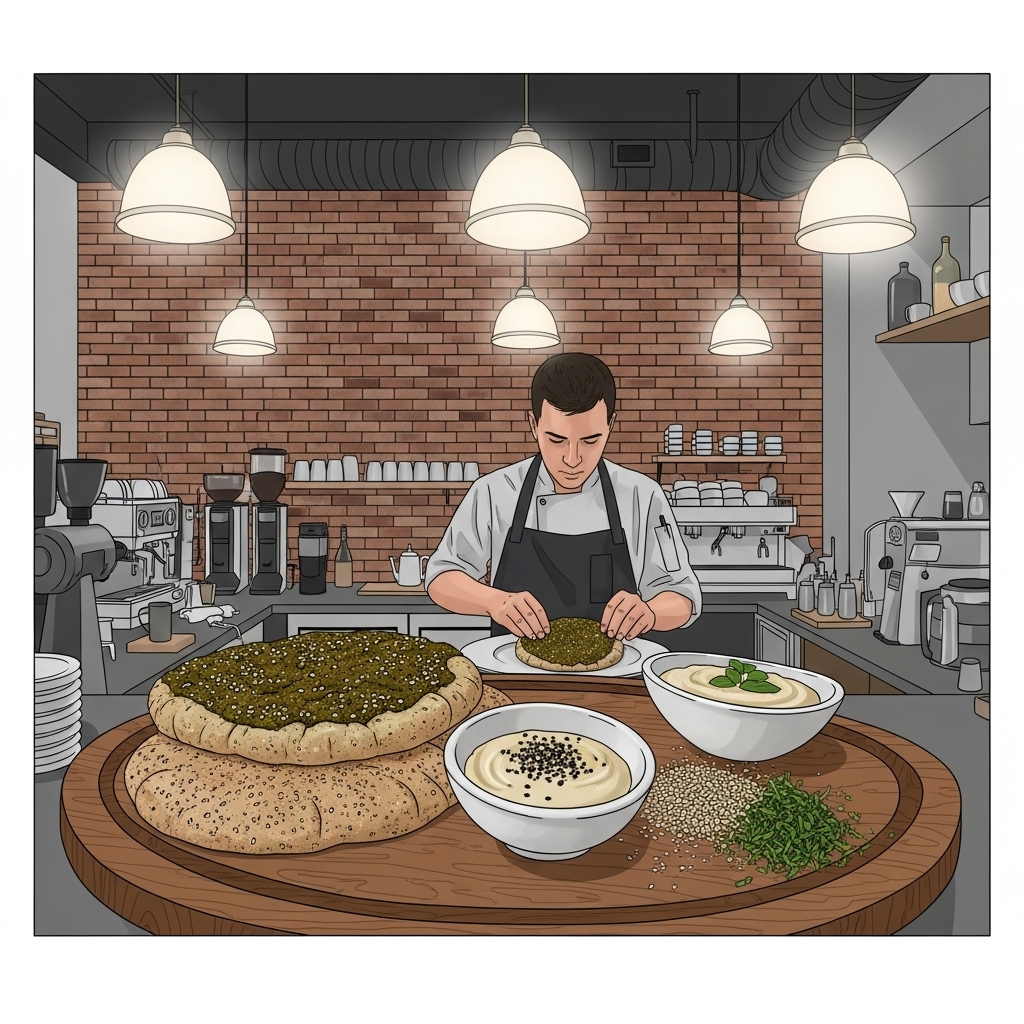
Walk through downtown Naperville on a weekend evening and you’ll notice how Mediterranean flavors have woven themselves into the city’s dining rhythm. From quick lunches before a stroll along the Riverwalk to leisurely dinners after a concert at the Wentz, pita bread is everywhere—folded around spiced meats, cradling crisp salads, and scooped through creamy dips. But the pita you see today isn’t the same across every table. Subtle trends are shaping how restaurants and home cooks in Naperville think about this classic, and those trends influence flavor, texture, and how we experience a meal together.
In a town where residents care about both wellness and vibrant food, pita has become a bellwether of taste. Whether you’re grabbing a midday wrap between meetings or planning a Saturday gathering with friends, paying attention to pita trends can help you order—and cook—more confidently. A quick glance at a Mediterranean menu reveals many of these shifts in real time: more whole grains, playful flavors, and plant-forward options that complement the pocket’s soft, comforting structure.
Whole-grain and nutrient-forward pitas
One of the most visible trends is the rise of whole-grain pita. As Naperville diners look for ways to add fiber and long-lasting energy to their meals, restaurants and bakeries have responded with pitas that feature whole wheat and even blends of grains and seeds. The goal isn’t to make pita feel heavy; it’s to give it a bit more substance without losing that signature softness. When done well, whole-grain pita holds up to juicy fillings and adds a faint nuttiness that complements citrus and herb flavors common in Mediterranean cuisine.
Home cooks are adopting this trend too, seeking out local grocers that stock whole-wheat options or experimenting with blending flours in their own kitchens. The reward is a pita that pairs seamlessly with both robust fillings—like grilled chicken or falafel—and delicate ones such as herb salads or lightly dressed cucumbers. In a city where many residents run between workouts, school events, and community gatherings, that added fiber feels like a simple upgrade that supports busy days.
Flavored pitas and playful seasonings
Another trend showing up on Naperville tables is flavored pita. Think garlic and herb, chili and sesame, or even a hint of za’atar baked into the dough. These subtle variations create a flavor bridge between the bread and its fillings, turning every bite into a more layered experience. For home cooks, flavored pita can be a weeknight shortcut: it supplies character even if the filling is straightforward—say, rotisserie chicken, shredded lettuce, and a spoonful of yogurt sauce.
Restaurants are deploying these seasonings tactically. A faint chili heat might echo the spice in shawarma; a dusting of sesame could complement a tahini-forward wrap. Because Naperville diners appreciate both nuance and comfort, these touches feel adventurous without being overwhelming. The pita itself remains familiar—soft, pliable, and warm—while the seasoning nudges the meal in a distinctive direction.
Heat, char, and texture as design elements
Texture is a defining quality of great pita. Increasingly, chefs in Naperville are using heat to shape that texture in purposeful ways. A kiss of char from a hot griddle or open flame adds smoky notes and spotted browning that evoke backyard grilling season along the DuPage River. Meanwhile, a gentle, enclosed bake keeps the surface pale and delicate, perfect for wraps that emphasize crisp vegetables and creamy sauces.
These decisions go beyond aesthetics. A slightly charred pita can stand up to saucier fillings without collapsing; a softer, paler pita lets bright salads and herbs take center stage. Home cooks can borrow this idea by experimenting with reheating methods: a dry skillet for a little browning, foil-wrapped warming in the oven for tenderness, or quick steam for extra pliability. The trend is to treat pita as more than a vessel—to consider it an active design element in the eating experience.
Plant-forward fillings and the new balance
Naperville’s appetite for plant-forward meals continues to influence pita culture. While beloved classics like chicken shawarma and beef kebab remain fixtures, you’ll find more wraps centered on roasted vegetables, falafel, spiced chickpeas, and herb-packed salads. The pita’s thin profile lets these ingredients shine, ensuring the lunch you grab before a stroll through downtown feels vibrant and substantial without being heavy.
For families, this trend makes weeknight dinners easier. You can build a satisfying meal around roasted cauliflower with lemon and tahini, or a crunchy cabbage slaw brightened with herbs. The pita ties it all together in a pocket that’s friendly to small hands and big appetites alike. When vegetables are the star, sauces become accents: a spoonful of garlicky yogurt, a drizzle of olive oil, a squeeze of lemon. The result is a healthy balance that doesn’t feel like compromise.
Regional mashups and neighborhood creativity
Another trend shaping Naperville’s Mediterranean scene is gentle fusion. Chefs and home cooks are folding local and global influences into pita-based dishes: Midwest produce like sweet corn and peppers in late summer, or a touch of smoky barbecue spices echoing backyard cookouts. The goal isn’t to erase tradition but to welcome Naperville’s own tastes into the conversation. With a well-made pita as the anchor, these mashups feel playful and personal.
At home, this might look like a pita stuffed with grilled chicken, quick pickles, and a corn-tomato relish in August; or roasted squash, caramelized onion, and chili-lime yogurt in October. Because pita is so accommodating, it encourages curiosity. Families can riff on classic combinations without losing the essence of what makes a Mediterranean wrap satisfying and familiar.
Portability and the downtown lunch rush
Naperville’s thriving downtown means many residents are eating on the move. Pita is ideal for this rhythm: it’s tidy, easy to portion, and protective of delicate textures. Trends in packaging and presentation are making grab-and-go pita lunches more appealing—think parchment wraps that keep pockets intact, or bento-style containers that let you add crisp vegetables at the last minute. This attention to detail preserves the quality of the bread from the counter to the Riverwalk bench where you might take your first bite.
For office workers, the shift toward lighter, more vegetable-forward lunches has made pita a go-to. A modest portion of bread combined with fresh fillings aligns with midday energy needs. You can eat cleanly at your desk, or step out to the Riverwalk for a short reset with a lunch that feels both practical and indulgent. The pita keeps things neat, the flavors keep you interested, and the balance keeps you productive all afternoon.
Seeing trends through the lens of the menu
If you want to observe these shifts in real time, look at how restaurants present their wraps and platters. A well-curated menu tells a quiet story: the rise of whole grains, the presence of seasonal vegetables, the use of fresh herbs and citrus to brighten each bite. It also shows how pitas are being paired with sides—crunchy salads instead of heavier starches, pickled vegetables to add snap, yogurt sauces for tang and lightness. For home cooks, this is a roadmap. Borrow combinations you like and tailor them to your ingredients and weeknight schedule.
Menus also highlight portion strategies. Instead of massive wraps, many places offer balanced sizes that encourage you to enjoy a variety of tastes without overcommitting. This reflects a broader Naperville preference for meals that leave you satisfied rather than sleepy. When pita is part of a thoughtful lineup, it becomes a vehicle for variety—an invitation to try something new without sacrificing comfort.
Quality and sourcing gain visibility
As more people pay attention to what they eat, the conversation around pita has expanded to include sourcing and quality. Diners are asking how pitas are baked, whether whole-wheat options are available, and how reheating is handled to keep bread tender. This curiosity is healthy; it leads to better bread on the table. For home cooks, it translates to seeking out reputable brands, local bakeries, or consistent reheating methods that restore softness without drying the bread.
Texture remains the guiding principle. The best pita bends without cracking and warms to a gentle puff. When that baseline is met, everything else—seasoning, fillings, sauces—can click into place. Naperville’s appetite for quality drives restaurants and home cooks alike to treat pita with the care it deserves.
Weekend gatherings and the communal table
Trends show up most clearly when people gather. In Naperville neighborhoods, weekend get-togethers often include platters of warm pita, bowls of crisp salads, and a rotation of proteins. The modern twist is variety: whole-wheat alongside classic, a few flavored pitas in the mix, and plenty of vegetables. This approach lets guests build plates that match their tastes and goals without feeling like they’re missing out. It’s convivial, practical, and exactly the kind of communal eating that pita encourages.
For hosts, the takeaway is simple: warm your pitas just before serving, wrap them in a towel to keep them soft, and present fillings that span the seasonal spectrum. The bread becomes the quiet connector across dishes and preferences, letting the table reflect the diversity of Naperville’s palates.
Frequently Asked Questions
Are whole-wheat pitas replacing classic white pitas?
Not replacing—augmenting. Whole-wheat pitas appeal to diners who want more fiber and a nuttier flavor, while classic pitas remain beloved for their delicate texture. Most tables benefit from offering both.
What’s the appeal of lightly charred pita?
Char adds smoky depth and a sturdier surface for saucier fillings. It’s a design choice: use a softer bake for delicate salads and a charred surface when you want extra structure and flavor.
How are restaurants keeping grab-and-go pita lunches fresh?
By paying attention to packaging and assembly order. Moisture barriers like hummus or strained yogurt go in first, crisp vegetables are added last, and pitas are warmed gently to maintain elasticity. Wrapping methods keep pockets intact until you’re ready to eat.
What plant-forward fillings are trending locally?
Roasted cauliflower with tahini, spiced chickpeas, herb salads, and crunchy cabbage slaws are popular. These pair beautifully with pita’s soft chew and make lunches feel energetic rather than heavy.
How can home cooks follow trends without overcomplicating dinner?
Use pita as your anchor and focus on a few smart touches: a whole-wheat option, a fresh herb or spice blend, and one seasonal vegetable prepared simply. The rest can be familiar flavors your family already loves.
If these trends have you excited to refresh your own table, start small. Warm a stack of pitas, pair them with a vibrant salad and a favorite protein, and see how the balance feels. For inspiration that mirrors what Naperville diners are enjoying right now, browse a Mediterranean menu, then bring those ideas home for weeknight dinners or your next Riverwalk picnic.