
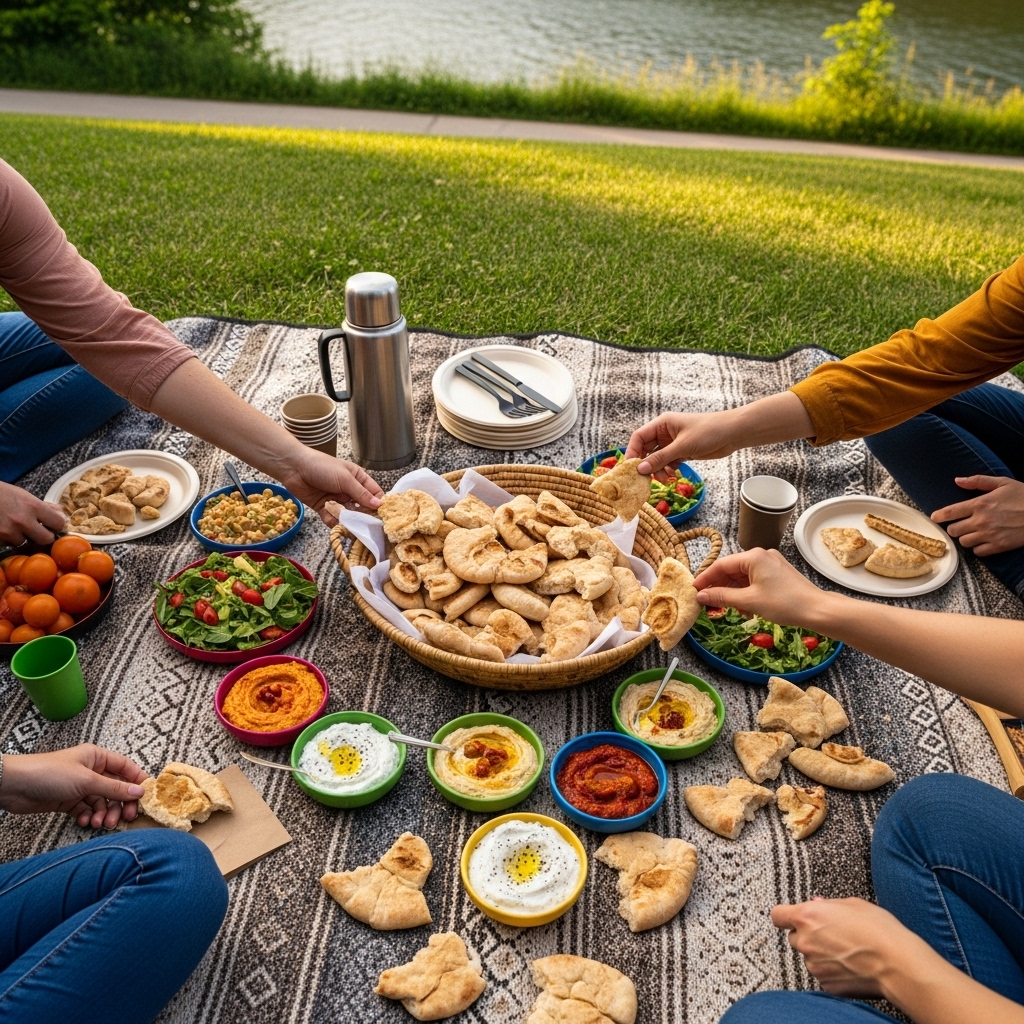
Walk into almost any neighborhood gathering in Naperville and you’ll find a familiar sight: a basket of warm pita at the center of the table, inviting hands to tear, scoop, and share. This simple bread has become a quiet cornerstone of our local food culture, connecting busy families, adventurous diners, and longtime residents who cherish meals that are both comforting and vibrant. On any given weeknight, neighbors swap ideas about what to tuck inside a soft round—grilled chicken, crisp greens, tangy pickles—while friends planning a meetup scroll through a restaurant’s menu to decide which pita-based dishes to share. The bread itself is modest, but the role it plays is anything but.
To understand why pita matters here, it helps to see how Naperville eats. We like food that travels well from kitchen to park bench, that supports active schedules without sacrificing flavor, and that honors diverse culinary traditions. Pita accomplishes all of this with ease. It’s easy to hold for kids and adults alike, sturdy enough to corral grilled meats and hearty salads, and welcoming to vegetarians, omnivores, and everyone in between. Around town, it’s the edible handshake that says, “pull up a chair.”
A Bridge Between Traditions and Everyday Life
Pita breads have centuries of history, yet they feel right at home in a modern Naperville kitchen. They serve as a literal pocket into which we can layer our stories—family recipes passed down through generations, new flavor combinations inspired by travel, and the fresh produce we bring home from weekend markets. The versatility of pita means you can keep dinner interesting without making it complicated. One night might feature roasted vegetables with tahini; the next, lemony chicken with a crunchy salad. With pita as the foundation, the meal feels intentional even when it comes together in minutes.
That sense of intentionality resonates across our local dining scene. Restaurants build menus that highlight pita’s strengths: its ability to deliver bold flavors, its adaptable structure, and its shareable nature. People who once felt unsure about trying new seasonings often find the familiar comfort of bread helps them take the leap. That’s good for diners, and it’s also good for restaurants that want to showcase regional specialties without intimidating guests.
Everyday Convenience Without Compromise
There is a practical reason pita has captured the attention of busy Naperville households: it’s tremendously convenient. When the evening rush is on—after school pick-ups, practice drop-offs, and quick errands—it’s a relief to have a bread that makes a full meal possible with a few thoughtful fillings. Because the portion size is controlled by the round itself, you naturally aim for balance rather than excess. You might add a handful of leafy greens, a protein like roasted chickpeas or tender beef, and just enough sauce to tie everything together. The result is satisfying without being heavy, which means you can go from dinner to an evening walk along the Riverwalk without feeling weighed down.
Convenience also shows up in how well pita transports. Wrapped sandwiches hold together nicely, which makes them ideal for lunches at work or picnics at Knoch Knolls. When you open your lunch bag after a morning of meetings or classes, it’s a relief to find that your meal looks as appealing as when you packed it—no squished rolls, no falling-apart fillings, just a tidy pocket ready to enjoy.
Healthful by Design
Local eaters care about food that supports an active lifestyle, and pita’s design encourages that. Because it’s relatively light and neutral in flavor, it invites vegetables and lean proteins to do the heavy lifting. Build a wrap with grilled fish, crisp lettuce, tomato, cucumber, and herbs, and you’ll have a meal full of micronutrients and fiber. Opt for whole-wheat pita and you’ll add complex carbohydrates that release energy steadily, keeping you satisfied across a busy afternoon of errands.
Importantly, pita helps with portion control in an intuitive way. Instead of a massive bun or oversized roll, you’re working with a round that signals “enough.” You fill it until it’s comfortably packed, then stop—no counting required. This approach aligns with how many Naperville residents think about food: home-cooked when possible, balanced, and built from ingredients that taste like themselves.
Shareability and the Social Table
Walk into a house party or a backyard cookout, and pita will likely be featured in the lineup. Not only does it serve as a gentle entry point for new flavors, it also encourages sharing. Tear, dip, pass—that rhythm is how acquaintances become friends. It’s also how picky eaters become curious ones, because a bite-sized piece of bread and a swipe of a new sauce feels like a low-stakes experiment. In a town that prizes community as much as Naperville does, foods that naturally bring people together hold special value.
Restaurants understand this social dimension, too. They time warm bread to land on the table just as the first round of conversation gets going, then build from there. You’ll see pita beside dips as a starter, wrapped around grilled meats as a main, and even toasted into crunchy wedges for a salad topping. That flexibility keeps a meal lively from the first conversation to the last bite.
Local Ingredients Meet a Global Staple
Pita also acts as a canvas for the ingredients that grow well in our region. Tomatoes at peak season, sweet peppers with char from the grill, and radishes that bring a peppery snap—all of these thrive tucked into a warm round. Add a drizzle of olive oil, a pinch of sumac, or a smear of garlic yogurt and the plate feels both worldly and of-the-moment in Naperville. That blend of global and local is part of the city’s culinary identity, and pita helps it show up on Tuesday nights as readily as on weekend celebrations.
When produce seasons change, pita adapts. In winter, it pairs with hearty stews and legume-based fillings that warm you from the inside. In spring, tender herbs and crunchy greens brighten every bite. That seasonal flexibility helps local eaters maintain variety without needing to learn an entirely new cooking repertoire each month.
Teaching Kids to Love Colorful Food
Parents tell me that pita opens doors for children who are still figuring out their palates. Because the bread is soft, slightly chewy, and easy to handle, kids feel confident trying it. From there, it’s just a short step to adding thin slices of cucumber, tomatoes, or even quick-pickled onions. When kids build their own wraps, they naturally assemble vegetables alongside protein, which turns dinner into a small, fun ritual rather than a chore.
That ritual pays off at school, too. A pita packed with last night’s roasted vegetables and a little hummus resists sogginess, keeps flavors distinct, and looks inviting at lunchtime. It’s the kind of packed meal that draws curious glances and, often, requests to try a bite from friends at the next table.
Respect for Dietary Preferences
One reason pita flourishes in Naperville is that it accommodates varied diets with minimal friction. If you eat plant-forward, chickpeas, eggplant, and roasted cauliflower shine inside a warm round. If you prefer lean meats, grilled chicken or beef tucked in with herbs and crunchy greens feels indulgent without being heavy. Those who are gluten sensitive should know that traditional pita contains wheat, but restaurants can often guide you toward alternatives or dishes that capture the same spirit.
Communication is key. When you dine out, let your server know your preferences and any restrictions. Kitchens used to serving a diverse crowd are adept at guiding you to options that align with your needs while maintaining the flavors that make pita meals so satisfying.
Midweek Inspiration from Local Menus
Sometimes the biggest barrier to a good dinner is the question of what to make. That’s where a quick look at a trusted restaurant’s menu can spark ideas. Perhaps you’ll notice a contrast between something cool and crunchy and something warm and savory, and you’ll bring that concept home. Or you’ll discover an herb you haven’t used in a while—mint with cucumber, parsley with lemon—and remember how a handful can transform the familiar into something new.
These little sparks matter. They keep home cooking lively without requiring an elaborate recipe or a special shopping trip. A pantry stocked with chickpeas, olive oil, and spices plus a bag of fresh pita gives you the power to improvise in delicious ways.
What Pita Says About Naperville
When a food becomes part of daily life, it tells a story about the people who eat it. Pita’s story in Naperville is about hospitality, practicality, and curiosity. It’s about families who want a dinner that gets everyone around the table in a good mood, and about eaters who appreciate how global traditions enrich local routines. It’s about making space for vegetables and herbs without sacrificing comfort, and about letting small rituals—warming bread, sharing dips, building personalized wraps—turn an ordinary evening into something memorable.
Above all, it’s about connection. A warm round passed hand to hand carries an invitation: slow down, have a bite, tell me about your day. That invitation is at the heart of how we eat here, and it’s why pita has a permanent seat at our tables.
Frequently Asked Questions
Below are answers to questions I hear frequently from neighbors, friends, and readers who want to make pita a more intentional part of their meals.
What makes pita a good choice for busy weeknights?
It’s quick to assemble and naturally portioned, which helps you build balanced meals without a lot of planning. The bread holds a variety of fillings, travels well, and pairs with pantry staples like chickpeas or canned tuna. A brief warm-up in a skillet or oven restores softness and makes even simple fillings feel special.
How do I keep my pita wraps from falling apart?
Start with fresh or gently warmed bread, which is more pliable. Layer spreads first to create a moisture barrier, add crunchy greens, then place wetter components in the center. Don’t overfill; if you’re still hungry, build a second small wrap rather than one massive one.
Is whole-wheat pita worth seeking out?
If you enjoy a heartier bite and want more fiber, yes. Whole-wheat pitas add complex carbs and a toasty flavor that pairs nicely with robust fillings like roasted vegetables or grilled meats. If you prefer a lighter texture for dipping and snacking, white pita is a fine choice—balance the meal with plenty of vegetables.
What are easy, kid-friendly pita fillings?
Chicken, cucumbers, tomatoes, and a mild yogurt sauce are reliable. Sliced bell peppers add crunch without heat, and shredded lettuce keeps everything in place. Letting kids assemble their own wraps encourages them to try new ingredients in small, low-pressure bites.
Can pita be part of a plant-forward diet?
Absolutely. Pita showcases legumes, roasted vegetables, and fresh salads beautifully. Try a combination of hummus, roasted cauliflower, and a lemony herb salad, or stuff with chickpeas tossed in olive oil and spices. The bread keeps everything tidy and makes vegetable-centric meals feel complete.
How should I store pita to keep it fresh?
Keep it in an airtight bag at room temperature for a day or two, then freeze extras to preserve quality. Re-warm before serving to restore that just-baked softness. A hot skillet or low oven works well, and a clean towel helps hold warmth when serving a crowd.
Ready to bring more flavor and connection to your table? Make a plan for dinner tonight, invite a friend or two, and let warm bread set the tone. A quick peek at a local menu can give you the nudge you need—then gather fresh ingredients, warm a stack of pitas, and enjoy the kind of meal that makes Naperville feel like home.